Parts Fitment Strategies for Discontinued OEMs
When your vehicle is a product of a discontinued OEM like VPG, sourcing, verifying, and installing replacement parts is a challenge that demands both caution and creativity. The right parts keep your VPG MV-1 or similar models on the road safely and efficiently, but the wrong choices can compromise everything from basic functionality to occupant safety. This practical guide from AutoPartEx delivers proven strategies for sourcing, fitment verification, and installation for discontinued brands—what works, what to avoid, and how to protect your investment.
If you’re searching for comprehensive VPG parts lists, technical fitment data, or expert sourcing advice, start with our VPG OEM & Aftermarket Parts: Technical Guide, Fitment, and Sourcing | AutoPartEx page.
The Immediate Answer: Sourcing Safe, Reliable Parts for Discontinued Vehicles
For discontinued brands like VPG, the best fitment strategy combines three pillars:
- Rigorous verification of part compatibility (using VIN, original part numbers, and technical diagrams).
- Sourcing from reputable suppliers (with a focus on OEM surplus, high-quality aftermarket, and cross-compatible parts).
- Careful installation practices (to ensure safety, longevity, and compliance with current standards).
This approach minimizes the risk of installing subpar or unsafe components—critical for vehicles like the VPG MV-1, especially those with mobility adaptations or unique safety requirements.
The Hidden Problem: Discontinued OEMs and the Parts Gap
The real challenge with discontinued OEMs isn’t just finding a part that “fits”—it’s ensuring that replacement parts maintain the performance, safety, and regulatory compliance of the original equipment. For VPG vehicles, which were designed to meet stringent accessibility and safety standards, using incorrect or poorly-matched parts can have outsized consequences.
Key risks:
- Reduced occupant safety due to incompatible structural or restraint components.
- Compromised mobility features (such as wheelchair access systems).
- Lower fuel efficiency or performance from mismatched drivetrain or engine parts.
- Voided insurance or inspection failures due to non-compliant modifications.
The parts gap widens as OEM inventory dries up, aftermarket support wanes, and counterfeits proliferate. Without a structured fitment strategy, owners and technicians can unwittingly introduce major vulnerabilities.
Why "Close Enough" Isn't Good Enough: The Deeper Technical Challenge
Modern vehicles—even those from smaller OEMs like VPG—are engineered to precise standards. Fitment is about far more than physical dimensions; it encompasses:
- Material compatibility (especially for safety-critical body and chassis parts).
- Electrical and network integration (for modules, sensors, and controls).
- Regulatory compliance (federal safety and emissions standards).
- System interoperability (ensuring that new parts work seamlessly with legacy hardware and software).
The National Highway Traffic Safety Administration (NHTSA) and SAE International set strict technical and safety standards for vehicle equipment and replacement parts. Deviating from these standards, especially in accessible mobility vehicles, can result in catastrophic failures or legal liability. For example, improper installation of a non-OEM restraint system could invalidate crashworthiness or violate the Americans with Disabilities Act (ADA) requirements.
Step 1: Building a Robust Sourcing Strategy
To navigate the shrinking pool of available parts for discontinued OEMs, start with a layered sourcing approach:
1. OEM Surplus and NOS (New Old Stock)
- Best for: Safety-critical and unique components (e.g., mobility access systems, structural parts).
- How to source: Search established surplus dealers, OEM-authorized distributors, and specialty mobility suppliers. Always verify part numbers and packaging authenticity.
2. High-Quality Aftermarket
- Best for: Wear items (brakes, filters, suspension), common service parts.
- How to source: Choose reputable aftermarket brands with a history of manufacturing for mobility platforms or commercial vehicles. Look for parts that meet or exceed OEM specifications and reference SAE standards.
3. Cross-Compatibility and Interchange
- Best for: Powertrain, electronics, and shared-platform components.
- How to source: Use technical guides and cross-reference databases to identify compatible parts from related makes/models (e.g., Ford, GM, or Chrysler parts used in VPG assemblies). Confirm with technical diagrams and, where possible, physical measurement.
4. Caution: Salvage and Used Parts
- Best for: Non-safety-critical trim, interior, or cosmetic pieces.
- Risks: Unknown wear, hidden damage, or non-compliance with updated safety standards. Avoid for restraint systems, steering, brakes, or mobility adaptations.
Step 2: Fitment Verification—Beyond the Catalog
Fitment is not just a matter of matching part numbers. For discontinued brands, catalog data can be incomplete or outdated. Use this multi-step verification process:
Fitment Checklist
- Identify by VIN: The Vehicle Identification Number is your primary key for verifying compatibility.
- Check Original Part Number: Cross-check with OEM documentation, service manuals, and trusted online databases.
- Compare Technical Drawings: Use exploded diagrams to match mounting points, connectors, and dimensions.
- Material and Finish: Confirm that replacement parts use equivalent materials, especially for structural or load-bearing components.
- Connector and Harness Validation: For electrical parts, verify that connectors, pinouts, and harnesses match exactly.
- Safety and Regulatory Compliance: Reference NHTSA equipment guidelines to ensure parts meet federal safety requirements.
- Test Fit (if possible): When practical, perform a non-destructive test fit before final installation.
Step 3: Diagnostic and Pre-Installation Best Practices
Before installing any sourced part, especially for a discontinued OEM, thorough diagnostics and preparation are critical:
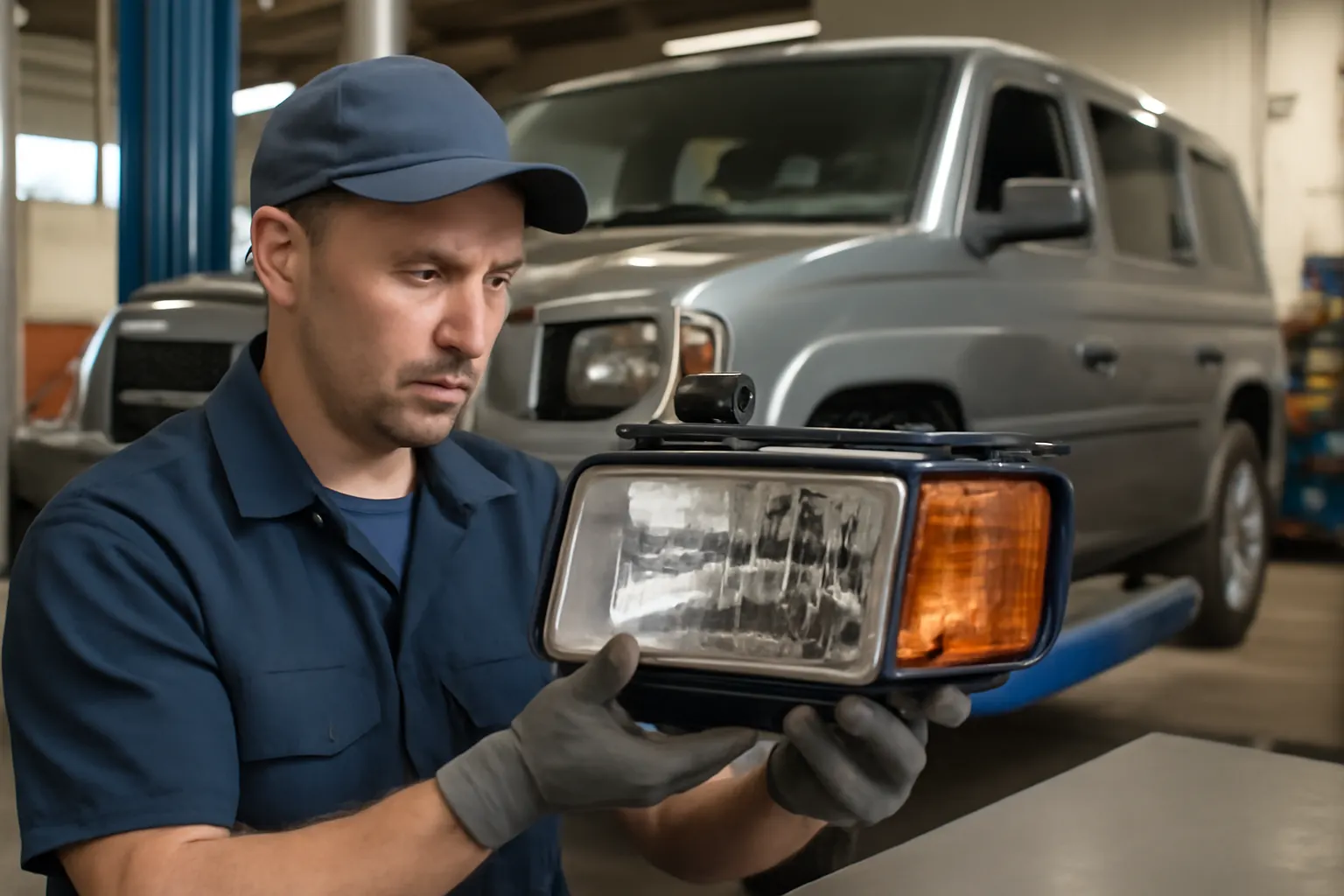
- Inspect for Shipping Damage or Manufacturing Defects: Even NOS or surplus parts can suffer from long-term storage issues.
- Compare Against Removed Part: Lay out the original and replacement parts side-by-side, checking for visual and dimensional differences.
- Review Service Bulletins and Recalls: Check for any known issues or updated procedures using resources like the NHTSA recalls database.
- Test System Operation (when possible): For electrical or mechanical assemblies, bench-test components before full installation.
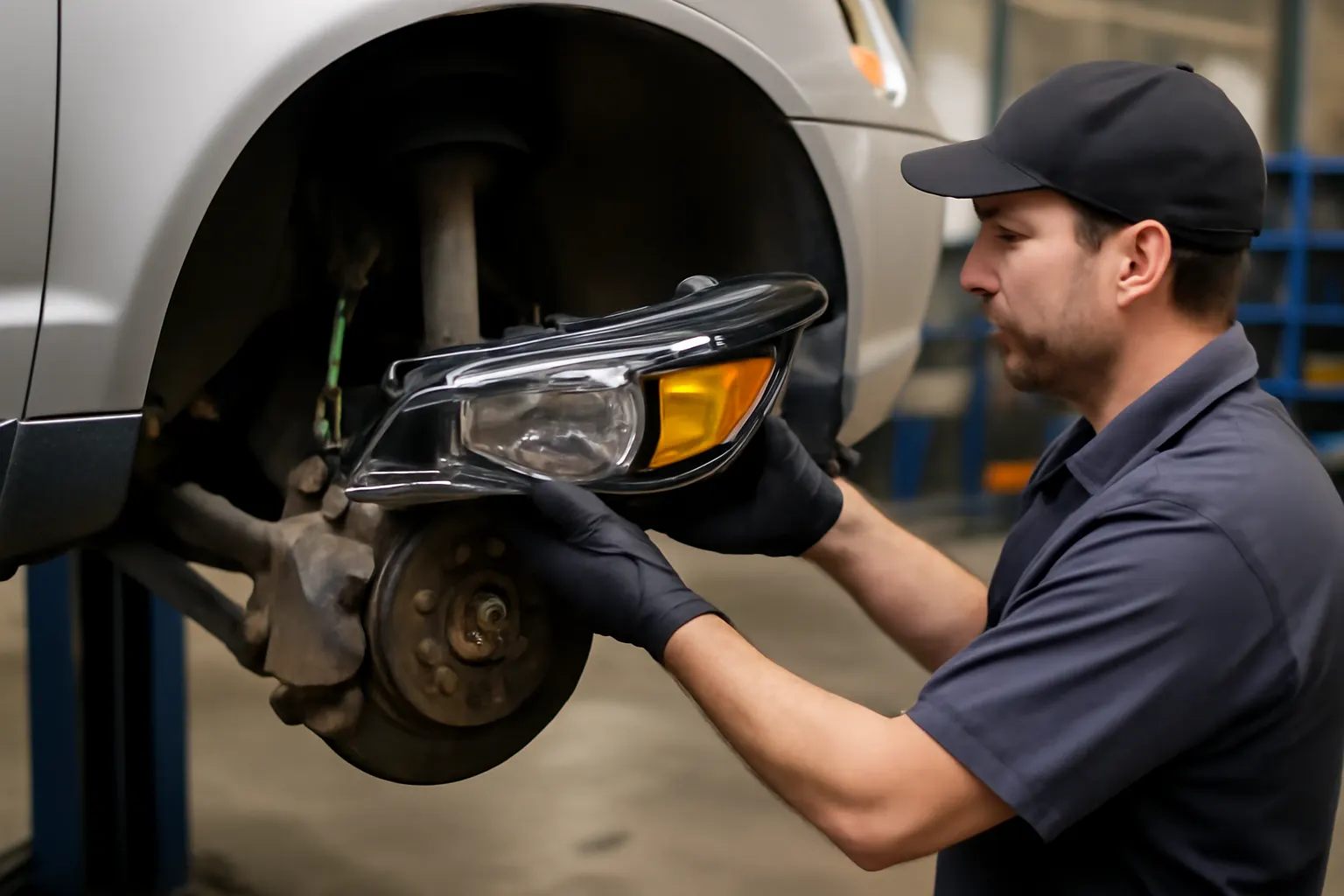
Step 4: Installation—Techniques and Cautions
Installation is where even perfectly-matched parts can go wrong. For discontinued OEMs, follow these principles:
- Use Factory-Approved Procedures: Reference OEM service manuals or trusted technical guides. For VPG, consult specialists familiar with the MV-1 and its unique mobility adaptations.
- Torque Specifications: Always use correct torque values for fasteners, especially on safety-critical systems (e.g., seat belts, steering, suspension).
- Electrical Integrity: For sensors and modules, ensure all grounds and connectors are secure and free of corrosion.
- Mobility and Accessibility Features: If working on wheelchair ramps, lifts, or restraint systems, verify operation with real-world testing and, if possible, user feedback.
- Document All Work: Record part numbers, installation procedures, and test results for future reference or inspection.
Step 5: Post-Installation Testing and Ongoing Maintenance
After installation, proactive testing and regular maintenance ensure continued safety and reliability:
- Functionality Checks: Operate all replaced systems under normal and stress conditions. For mobility vehicles, test ramp/lift cycles, restraint engagement, and emergency egress.
- Safety System Verification: Use diagnostic tools to check for error codes, warning lights, or abnormal system responses.
- Periodic Inspection: Schedule follow-up inspections, especially for critical systems like brakes, suspension, and accessibility equipment.
- Fuel Efficiency and Performance: Monitor for changes using guidelines from the U.S. Department of Energy, as improper fitment can impact both performance and economy.
- Material Wear Monitoring: For structural or body components, inspect for signs of stress, corrosion, or premature wear using DOE materials best practices.
Special Considerations for Mobility and Accessibility Vehicles
VPG vehicles, such as the MV-1, are designed around unique accessibility features. Replacing or repairing these components demands extra vigilance:
- ADA Compliance: Ensure that all modifications or part replacements maintain accessibility standards.
- Custom Fabrication: In rare cases, professional fabrication may be required. Partner with mobility upfitters experienced in ADA-compliant builds.
- Documentation: Keep detailed records of all accessibility-related repairs for future audits or resale.
For a deep dive into maintenance of the MV-1’s mobility systems, see our VPG MV-1 Wheelchair Access System Maintenance guide.
Avoiding Counterfeit and Substandard Parts
Discontinued OEMs attract counterfeiters and low-quality aftermarket suppliers. To protect your investment and ensure safety:
- Buy from Trusted Sources: Use suppliers with a track record of supporting mobility vehicles and commercial fleets.
- Verify Packaging and Part Markings: Look for holograms, barcodes, and correct branding.
- Request Documentation: Ask for certificates of conformity or test results where applicable.
- Stay Informed: Read industry alerts and visit our Preventing Counterfeit Parts in Mobility Vehicles blog for the latest tips.
Cross-Compatibility: When (and How) It Works
Cross-compatibility—using parts from other makes/models—is a powerful tool, but it’s not foolproof:
- Shared Powertrain or Chassis Components: Many VPG MV-1s use Ford or GM engines and transmissions. Confirm with technical documentation.
- Electrical and Control Systems: Exercise caution—software, firmware, and harnesses may differ even if hardware appears identical.
- Body and Trim: External panels, glass, and trim are usually proprietary—avoid generic substitutes unless verified by fitment data.
Expert tip: When in doubt, consult with a mobility vehicle specialist or an AutoPartEx fitment advisor before proceeding.
Materials and Structural Integrity
The use of correct materials is essential, especially for body, frame, and suspension components:
- Weight and Performance: Using heavier or lighter materials than OEM can affect handling, braking, and fuel efficiency (DOE materials technologies).
- Corrosion Resistance: Substitute parts must offer equivalent protection, particularly for underbody or exposed assemblies.
- Crashworthiness: Never compromise on structural parts—use OEM or certified aftermarket only.
The Role of Documentation and Parts Tracking
For discontinued OEMs, documentation is your best defense against future fitment headaches:
- Maintain a Service Log: Record every part sourced, installed, and serviced, including supplier details and installation notes.
- Photographic Records: Take photos of original and replacement components, especially for hard-to-find parts.
- Share Knowledge: Contribute to online forums, owner’s groups, and technical databases to help others in the community.
Common Pitfalls to Avoid
Even experienced technicians can fall into these traps when working on discontinued brands:
- Assuming All Aftermarket Parts Are Equal: Quality varies widely—always check certifications and reviews.
- Skipping Test Fits: Small differences can result in major failures (e.g., bolts that don’t torque properly, connectors that don’t seal).
- Overlooking Software Updates: Some modules require programming or calibration—don’t ignore this step.
- Neglecting Regulatory Changes: Safety and emissions standards evolve; confirm that parts still comply.
AutoPartEx: Your Partner for Discontinued OEM Fitment
Navigating the world of discontinued OEMs like VPG requires more than luck—it demands a methodical, technical, and safety-first approach. AutoPartEx provides curated technical guides, sourcing tools, and expert fitment support tailored to the unique needs of mobility and specialty vehicle owners.
Explore our VPG OEM & Aftermarket Parts: Technical Guide, Fitment, and Sourcing | AutoPartEx for model-specific fitment charts, cross-reference tools, and trusted supplier recommendations. For ongoing maintenance of critical systems, see our VPG MV-1 Suspension & Drivetrain Service Intervals guide.
Fitment Strategy Checklist for Discontinued OEMs
Use this checklist each time you source and install a part for your VPG or other discontinued OEM vehicle:
- Verify by VIN and original part number
- Source from OEM surplus or trusted aftermarket
- Cross-check technical drawings and material specs
- Inspect for damage and authenticity
- Test fit and, if possible, bench-test operation
- Install using factory procedures and torque specs
- Test all functions post-installation
- Document the process and part details
- Schedule periodic inspections
- Stay updated on recalls, standards, and industry alerts
Conclusion: Keep Your Discontinued Vehicle Safe, Efficient, and Roadworthy
Discontinued OEMs like VPG present unique challenges—but with the right fitment strategies, careful sourcing, and technical diligence, you can keep your vehicle safe, compliant, and functional for years to come. Whether you’re maintaining mobility features or just keeping your MV-1 running strong, AutoPartEx is your trusted technical partner.