Sourcing Genuine VPG OEM Parts
Keeping your VPG MV-1 accessible vehicle safe, efficient, and reliable depends on sourcing authentic OEM (Original Equipment Manufacturer) parts—especially as these specialized vehicles age and aftermarket options multiply. In this guide, AutoPartEx delivers actionable strategies for identifying, sourcing, and verifying genuine VPG parts, while helping you avoid the pitfalls of counterfeit or subpar components. Whether you’re a fleet manager, mobility van owner, or independent technician, mastering the sourcing process is essential to maintaining operational safety and compliance. For a complete inventory of available OEM and technical reference parts, visit our VPG Auto Parts: Genuine OEM Replacement & Technical Reference page.
Why Sourcing Genuine VPG OEM Parts Matters
The MV-1 was purpose-built for accessibility, meaning every part—from ramp actuators to the unique suspension—was engineered for durability, safety, and regulatory compliance. Using authentic VPG OEM parts ensures that your vehicle continues to meet the standards set by the National Highway Traffic Safety Administration (NHTSA) for accessible vehicles. Non-genuine or generic alternatives may not only compromise safety and accessibility features but could also affect fuel efficiency and structural integrity as outlined by the Department of Energy’s vehicle materials guidelines.
Key reasons to prioritize genuine VPG OEM parts:
- Safety: OEM parts are tested to meet or exceed federal safety standards.
- Performance: Consistent fit and function, supporting original ride quality and accessibility.
- Longevity: Materials and engineering match the original design, reducing premature wear.
- Regulatory Compliance: Maintains adherence to NHTSA and ADA requirements.
The Hidden Problem: Counterfeit and Obsolete Parts
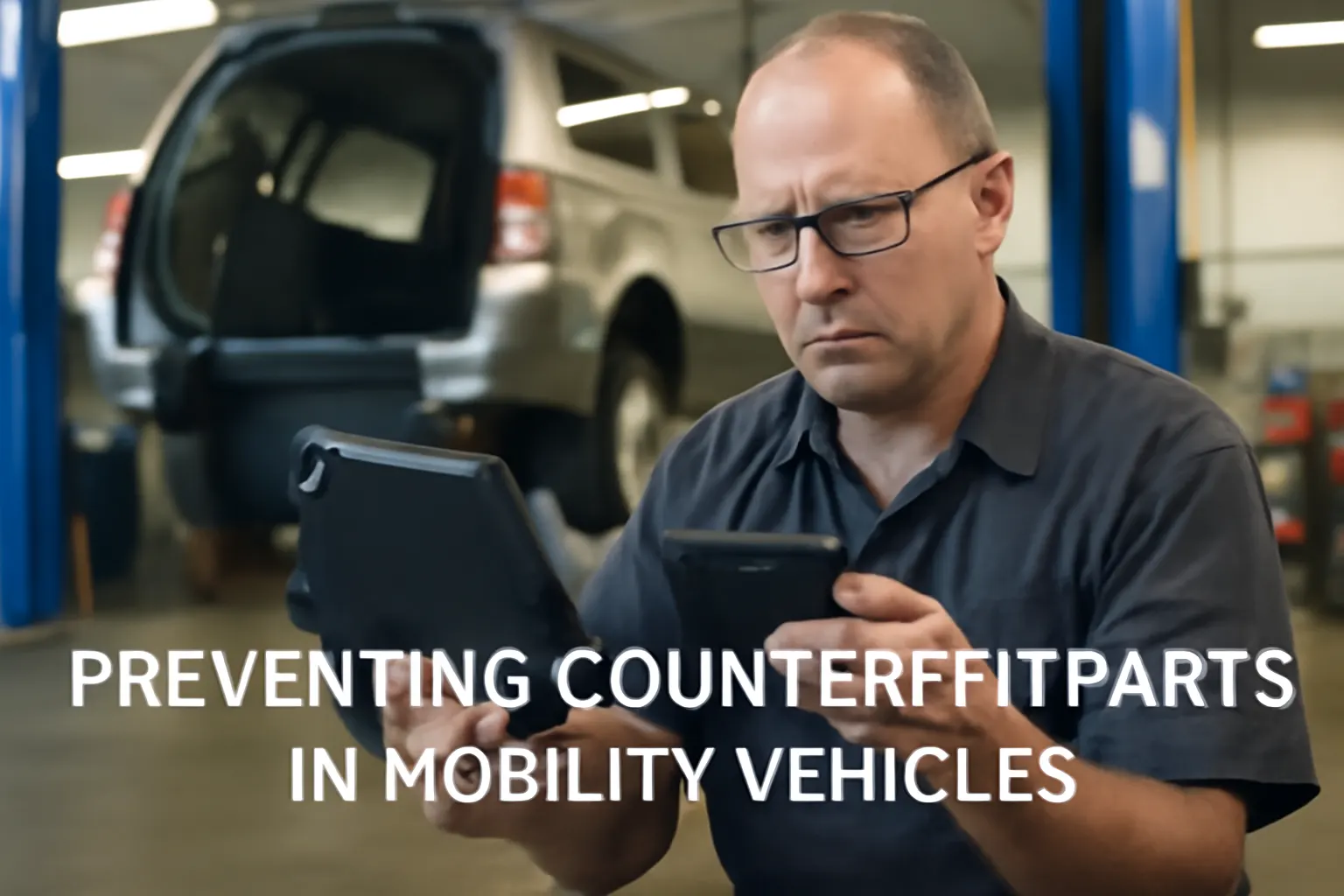
As VPG ceased production in 2013, the supply chain for MV-1 OEM parts has become fragmented. This scarcity has fueled a rise in counterfeit or substandard parts, often sold through online marketplaces or unauthorized distributors. These components may look similar but lack the rigorous testing and materials quality demanded by accessibility and safety standards. Moreover, some critical parts—such as mobility ramp modules, door actuators, or unique chassis components—are not interchangeable with generic alternatives.
Risks of using counterfeit or non-OEM parts:
- Reduced safety and reliability
- Potential for rapid failure or improper fit
- Voided insurance or inspection compliance
- Compromised accessibility features
Expanding the Challenge: Technical and Regulatory Complexities
Sourcing genuine VPG OEM parts isn’t just about finding a matching component. The MV-1’s accessible design incorporates specialized systems—such as reinforced ramps, high-strength body panels, and adaptive electronics—that must meet technical standards established by the NHTSA and SAE International. Using non-compliant parts can inadvertently violate federal safety or accessibility regulations, especially in commercial or fleet applications.
Additionally, the MV-1’s unique construction leverages advanced materials technology, including reinforced steel and lightweight composites, as referenced by the Department of Energy’s Materials Technologies guidelines. Replacing these with inferior substitutes can affect crashworthiness, durability, and fuel efficiency.
Identifying Genuine VPG OEM Parts: What to Look For
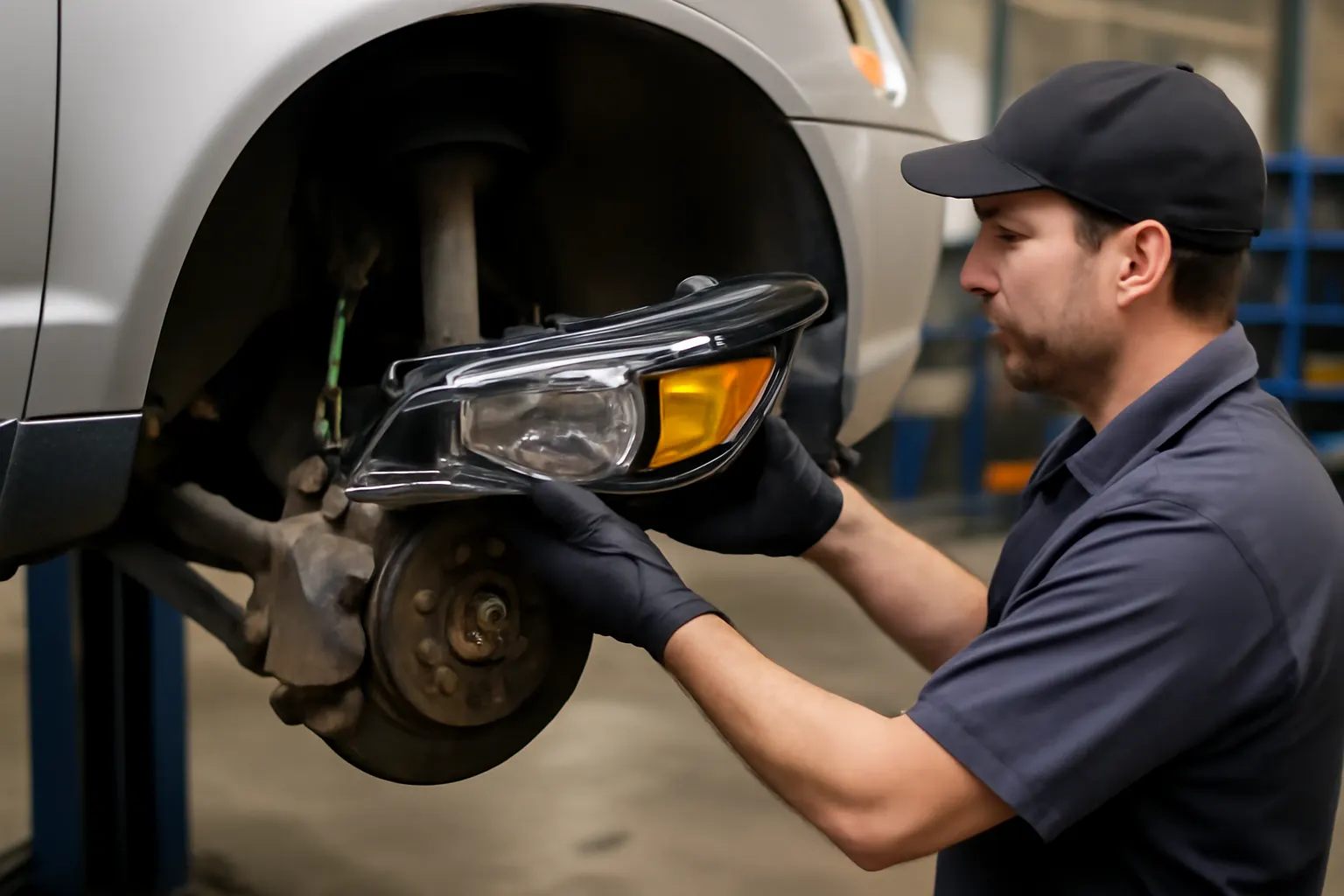
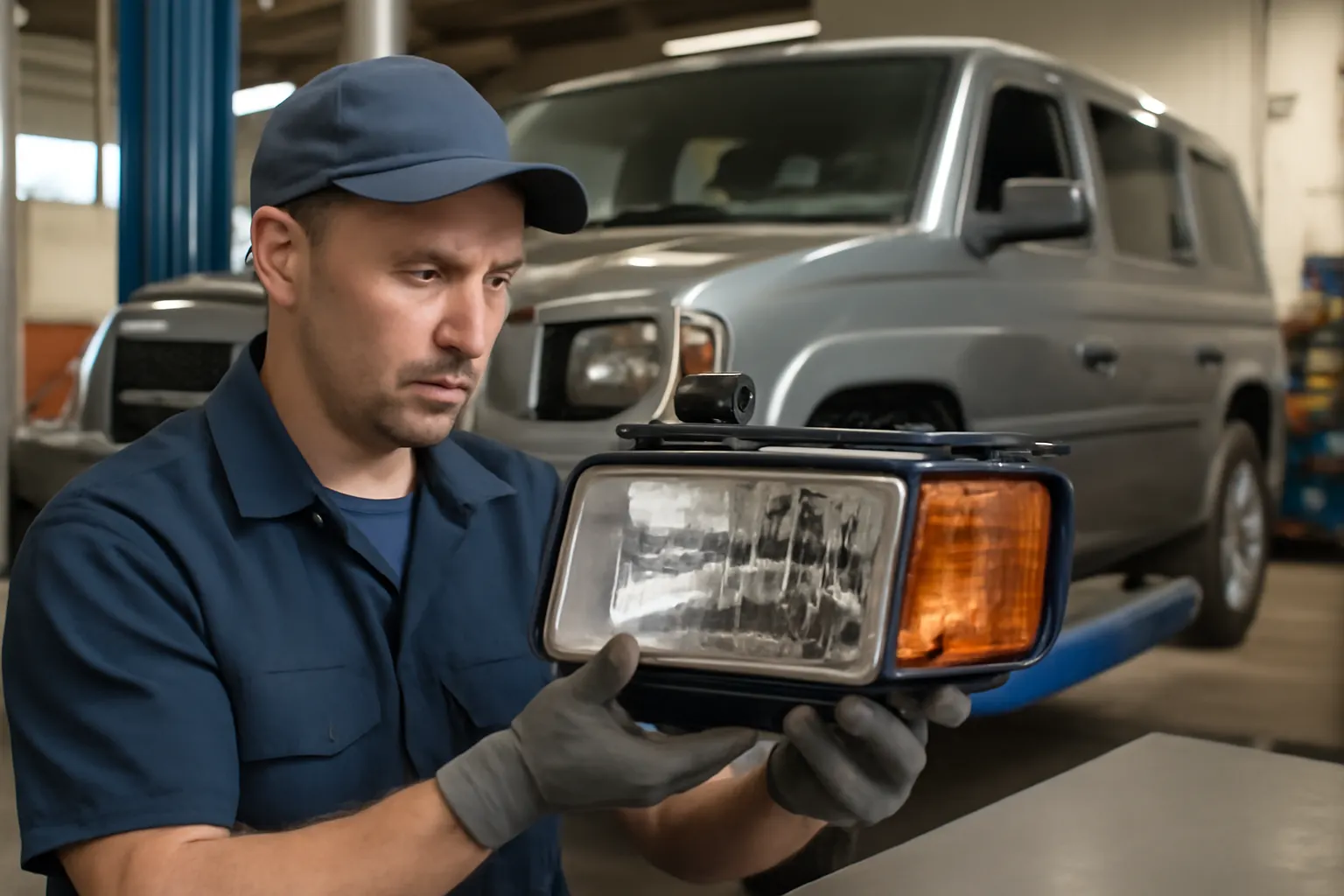
Before purchasing any replacement component, confirm its authenticity using the following criteria:
- OEM Packaging: Genuine parts are typically boxed or labeled with VPG branding and a unique part number.
- Part Numbers: Cross-reference with VPG’s original parts catalog or trusted technical references.
- Quality Markings: Look for manufacturer stamps, barcodes, or holograms.
- Supplier Credentials: Purchase only from reputable sources with a proven history of supplying VPG parts.
Checklist: Verifying VPG OEM Part Authenticity
| Step | What to Check |
|---|---|
| Packaging | Branded, sealed, and undamaged |
| Part Number | Matches VPG or MV-1 service documentation |
| Certification Marks | NHTSA, SAE, or manufacturer holograms present |
| Supplier Reputation | Positive reviews, verified history, and clear return policy |
| Documentation | Includes installation guides or technical bulletins |
If any of these checks fail, proceed with caution or seek verification from a trusted technical advisor.
Where to Source Genuine VPG OEM Parts
1. Authorized Distributors and Specialist Suppliers
The most reliable way to source genuine VPG parts is through authorized distributors who have direct access to remaining OEM stockpiles. These suppliers often work with fleet operators and mobility service centers to ensure parts traceability and compliance.
Tips for working with authorized distributors:
- Request documentation showing part provenance.
- Confirm stock levels and lead times, as some components may be in limited supply.
- Ask about technical support or installation guidance.
2. Salvage and Remanufactured Components
For certain MV-1 parts no longer in active production, reputable salvage operations or remanufacturers can provide genuine components reclaimed from donor vehicles. Ensure that any used part is inspected for wear, corrosion, or damage, and that critical safety components (such as airbags, seatbelt anchors, or ramp mechanisms) are certified for reuse.
3. Online Marketplaces—Proceed with Caution
While online platforms may offer MV-1 parts, exercise extreme caution:
- Verify seller credentials and return policies.
- Request detailed photos of the part, including serial numbers and markings.
- Avoid deals that seem “too good to be true.”
Navigating the MV-1’s Unique Parts Ecosystem
Because the MV-1 was engineered specifically for accessibility, many of its parts are not interchangeable with those from other vehicles. Key systems requiring OEM components include:
- Mobility Ramps: Electrically actuated, often with proprietary control modules.
- Door Assemblies: Wider and reinforced for wheelchair access.
- Chassis and Suspension: Modified for additional weight and altered center of gravity.
- Interior Controls: Custom switchgear, lighting, and restraint systems.
Consult the MV-1 Service and Maintenance Guide for detailed diagrams and part compatibility notes before attempting any replacement.
Regulatory Considerations: Compliance and Safety Standards
The NHTSA mandates that accessible vehicles like the MV-1 maintain certain safety and equipment standards throughout their operational lifespan. Replacing OEM parts with non-compliant alternatives can result in failed inspections or, worse, compromised occupant safety. Additionally, the use of proper materials—such as high-strength steel in structural repairs—is essential for maintaining crashworthiness and fuel efficiency, as detailed by the Department of Energy.
Key compliance checkpoints:
- Confirm that parts meet or exceed NHTSA safety standards.
- Use components that maintain the vehicle’s original accessibility features.
- Retain installation and sourcing documentation for inspection purposes.
Diagnostic Guidance: When to Replace MV-1 OEM Parts
Identifying the need for replacement is as critical as sourcing the right part. Common signs that an MV-1 component requires replacement include:
- Ramp Malfunctions: Slow, jerky, or non-operational deployment.
- Door Issues: Difficulty opening/closing, misalignment, or electrical failures.
- Suspension Problems: Unusual noises, uneven ride height, or poor handling.
- Electrical Faults: Warning lights, intermittent switches, or non-functional controls.
When diagnosing issues, always reference OEM service manuals and diagnostic flowcharts. If possible, use a scan tool compatible with MV-1 systems to retrieve error codes and confirm component status.
Installation Best Practices for VPG OEM Parts
Proper installation is essential to realize the safety and performance benefits of genuine OEM parts. Follow these guidelines:
- Reference Service Manuals: Use the MV-1’s official service documentation for torque specs, wiring diagrams, and fitment instructions.
- Use Proper Tools: Specialized fasteners and connectors may require non-standard tools.
- Verify Fitment: Test all moving parts—especially ramps and doors—before returning the vehicle to service.
- Document the Process: Record part numbers, installation dates, and any calibration steps for future reference.
If you’re unsure about a procedure, consult a technician experienced with accessible vehicles or reach out to a specialist supplier for support.
Maintenance Strategies to Extend MV-1 Part Life
Routine maintenance can delay the need for costly replacements and maximize the lifespan of hard-to-find OEM components. Key strategies include:
- Regular Inspections: Check ramp mechanisms, hinges, and electrical connectors for wear or corrosion.
- Lubrication: Apply manufacturer-approved lubricants to moving parts.
- Cleanliness: Keep tracks, sensors, and control modules free of debris.
- Software Updates: Ensure that any control modules are running the latest firmware, if applicable.
Adhering to a scheduled maintenance plan, as outlined in the MV-1 Service and Maintenance Guide, is crucial for early detection of issues and prevention of premature failures.
Planning for Legacy Parts: Future-Proofing Your MV-1
As the availability of VPG OEM parts dwindles, proactive parts planning becomes essential—especially for fleet operators and long-term owners. Consider the following approaches:
- Stockpile Critical Components: Secure spares of high-failure or mission-critical parts (e.g., ramp motors, control modules, unique sensors).
- Track Part Numbers: Maintain a detailed inventory of all OEM part numbers and suppliers.
- Engage with Specialist Networks: Join forums or professional groups focused on accessible vehicles to share sourcing tips and supplier contacts.
For a comprehensive approach to legacy parts management, see Legacy Parts Planning for VPG Owners.
Avoiding Common Pitfalls in the Sourcing Process
Even experienced technicians and fleet managers can fall victim to common sourcing errors. Avoid these pitfalls:
- Assuming Interchangeability: Many MV-1 components are unique—don’t rely on standard van parts.
- Overlooking Fitment Details: Small variations (e.g., model year changes) can affect compatibility.
- Neglecting Documentation: Always retain receipts, installation records, and supplier communications.
- Ignoring Regulatory Changes: Stay current with NHTSA recalls and safety bulletins via the Vehicle Safety and Equipment resource.
Building Relationships with Trusted Suppliers
Establishing long-term partnerships with reputable suppliers is the most effective way to ensure ongoing access to genuine VPG OEM parts. Look for suppliers who:
- Offer technical support and installation guidance.
- Provide clear return and warranty policies.
- Maintain transparent sourcing and inventory practices.
- Are familiar with the unique requirements of accessible vehicles.
A good supplier relationship can also provide early notice of diminishing stocks or upcoming alternatives for legacy components.
AutoPartEx: Your Partner in MV-1 OEM Parts Sourcing
AutoPartEx specializes in technical reference, sourcing, and fitment solutions for legacy and specialty vehicles like the VPG MV-1. Our curated inventory, supplier network, and technical guidance ensure that you receive only authentic, high-quality OEM parts—backed by expert support throughout the sourcing and installation process.
- Comprehensive Inventory: Access hard-to-find VPG OEM parts and technical references.
- Technical Expertise: Get fitment, diagnostic, and installation support from seasoned professionals.
- Community Resources: Connect with other MV-1 owners and fleet managers for shared sourcing strategies.
Explore our VPG Auto Parts: Genuine OEM Replacement & Technical Reference page for an up-to-date catalog and personalized sourcing assistance.
Next Steps: Take Action for Long-Term MV-1 Reliability
Sourcing genuine VPG OEM parts is a critical investment in your vehicle’s safety, performance, and long-term value. By following the best practices and strategies outlined above, you can avoid the risks of counterfeit components, maintain regulatory compliance, and ensure continued accessibility for all users.
Take these expert-recommended next steps:
- Audit your current parts inventory for authenticity and completeness.
- Identify high-risk or high-wear components and secure genuine replacements.
- Establish relationships with trusted suppliers and join accessible vehicle communities.
- Stay informed about recalls, safety standards, and technical updates.
- Consult AutoPartEx for personalized sourcing, fitment, and maintenance support.
For further technical guidance and to explore our full range of MV-1 parts and resources, visit our VPG Auto Parts: Genuine OEM Replacement & Technical Reference hub.