Advertisement
Modern vehicles are quieter and more comfortable than ever, thanks in large part to advances in sound dampening technology—especially within components like the Back Door Trim Panel. If you’re seeking a quieter cabin, understanding how acoustic insulation works, the materials involved, and the role of trim panels can guide you to smarter upgrade, maintenance, and replacement decisions.
The Immediate Answer: How Trim Panels Control Cabin Noise
Sound dampening technology in automotive trim panels, particularly in the back door area, relies on engineered materials and layered construction to absorb, block, and dissipate unwanted noise. Modern back door trim panels use specialized foams, composites, and acoustic barriers to reduce road, wind, and drivetrain noise entering the cabin. This not only creates a more pleasant driving experience but also supports the performance of integrated speaker systems and other interior features.
The Hidden Problem: Why Noise Control Is More Complex Than It Seems
While a quieter cabin is desirable, the challenge is more intricate than simply adding thicker materials. Automotive engineers must balance noise reduction with weight, cost, safety, and manufacturability. Improper or outdated sound dampening can lead to increased vehicle weight (impacting fuel efficiency), compromised safety in the event of impact, and even moisture retention that leads to corrosion or mold. Identifying the right combination of materials and installation techniques is critical for optimal results.
Beyond the Obvious: Why Sound Dampening Matters for Modern Vehicles
Noise, vibration, and harshness (NVH) control is a primary focus in vehicle design. Excessive noise can cause driver fatigue, reduce the perceived quality of a vehicle, and interfere with in-cabin communications or entertainment. As vehicles become lighter to improve efficiency, traditional heavy sound-deadening methods are less viable. This has driven innovation in acoustic insulation—especially in complex areas like the back door, where panels must deliver both quiet and durability without unnecessary weight.
Anatomy of a Sound Dampening Trim Panel
Material Layers and Their Functions
A modern back door trim panel is far more than a decorative cover. Its construction typically includes:
- Outer Decorative Layer: Often made from molded plastic, vinyl, or fabric, providing visual appeal and tactile comfort.
- Acoustic Foam Layer: Specialized open- or closed-cell foam designed to absorb airborne sound waves.
- Mass-Loaded Barrier: A dense but thin material (such as butyl rubber or mass-loaded vinyl) that blocks sound transmission.
- Structural Backing: Reinforced plastic or composite for rigidity and impact resistance.
- Moisture Barriers: Thin films to prevent water ingress and potential mold growth.
Each layer is selected and engineered to contribute to the overall NVH profile of the vehicle, with the acoustic foam and mass-loaded barrier playing the largest roles in sound dampening.
Engineering and Fitment Considerations
Engineers must tailor the thickness, density, and arrangement of these layers to the specific vehicle model. For example, SUVs may require more robust barriers due to larger panel surface areas and potential for off-road NVH. Fitment precision is crucial, as gaps or misalignments can become pathways for noise and moisture.
Science Behind Acoustic Insulation
Principles of Sound Transmission and Absorption
Sound travels as a wave through air and solid materials. Trim panels combat noise through three primary mechanisms:
- Absorption: Porous materials like acoustic foam convert sound energy into heat, reducing echo and reverberation.
- Blocking: Dense barriers reflect or attenuate sound waves, preventing them from passing through.
- Damping: Viscoelastic layers dissipate vibrational energy in the panel itself, reducing structure-borne noise.
The effectiveness of a trim panel depends on how well these mechanisms are balanced for the target frequency ranges—typically, low-frequency road rumble and higher-frequency wind or drivetrain noise.
Testing and Standards
Automotive sound dampening technologies are evaluated using laboratory and real-world NVH testing, often according to SAE Standards. These tests measure the Sound Transmission Loss (STL), absorption coefficients, and overall cabin decibel reduction at various speeds and conditions. Manufacturers use this data to refine materials and installation processes for each new model.
Advertisement
Modern Materials: Lightweight and Effective
Material Innovations
Recent advances in materials science, as highlighted by the U.S. Department of Energy, have enabled automakers to use:
- Polyurethane and Melamine Foams: Lightweight, flame-resistant, and highly absorbent.
- Thermoplastic Elastomers: Flexible, durable, and easy to mold for complex shapes.
- Mass-Loaded Vinyl (MLV): Delivers high sound-blocking performance without excessive thickness or weight.
- Recycled and Bio-Based Materials: Increasingly used for environmental sustainability.
These materials are often combined in multi-layer configurations to maximize performance while minimizing weight, supporting both NVH and fuel economy targets.
Moisture and Durability Considerations
Sound dampening materials must also resist moisture, temperature extremes, and aging. Modern trim panels often integrate moisture barriers or hydrophobic coatings, as discussed in our Moisture Protection in Modern Vehicles guide, to prevent water ingress and maintain acoustic performance over the vehicle’s lifespan.
How Trim Panels Integrate with Other Systems
Audio System Synergy
A well-designed back door trim panel not only keeps noise out but also enhances the performance of in-cabin speaker systems. By reducing unwanted resonance and vibration, the panel provides a stable acoustic environment, allowing audio components to deliver clearer, more accurate sound. This is especially important for vehicles with premium or custom audio installations.
Safety and Structural Integrity
According to the National Highway Traffic Safety Administration, interior trim panels—including back door panels—must meet safety standards for impact performance, flammability, and secure attachment. Sound dampening materials must not compromise airbag deployment paths or structural crumple zones. Engineers rigorously test panels to ensure that acoustic enhancements do not conflict with safety requirements.
Diagnosing Sound Dampening Issues
Common Signs of Failing or Inadequate Sound Dampening
- Increased Cabin Noise: Noticeable rise in road, wind, or exhaust noise, especially at highway speeds.
- Rattling or Buzzing: Loose, worn, or improperly installed trim panels can vibrate, amplifying unwanted sounds.
- Water Leaks or Damp Odors: Compromised moisture barriers can lead to water ingress, which degrades acoustic materials and leads to mold.
- Reduced Audio Quality: Poor sound insulation can cause speaker distortion or muddiness, particularly in the rear cabin.
Diagnostic Checklist
Use this checklist to evaluate the condition of your back door trim panel’s sound dampening:
| Symptom | Possible Cause | Action Needed |
|---|---|---|
| Excessive road noise | Worn/insufficient foam | Inspect and replace foam layer |
| Rattling from back door | Loose panel or fasteners | Tighten or reinstall panel |
| Water stains on panel | Damaged moisture barrier | Replace barrier, inspect seals |
| Speaker sound distortion | Panel resonance or gaps | Add/upgrade damping materials |
| Musty odor | Wet or moldy insulation | Dry area, replace insulation |
If multiple symptoms appear, a full panel removal and inspection may be warranted. For guidance, refer to our Interior Trim Panel Installation Guide.
Upgrading and Replacing Sound Dampening Trim Panels
When to Consider an Upgrade
- Aging or Damaged Panels: Older vehicles may have deteriorated materials, leading to reduced effectiveness.
- Custom Audio Upgrades: Improved sound insulation can maximize the benefit of premium audio systems. See our Premium Audio Integration Guide for more information.
- Restoration Projects: Restoring a classic car? Modern sound dampening materials can vastly improve comfort without compromising authenticity.
Sourcing Replacement Panels and Materials
When sourcing replacements, verify compatibility with your vehicle’s make, model, and year. Look for parts that meet OE specifications or exceed them in material quality and acoustic performance. The Back Door Trim Panel category on AutoPartEx provides a curated selection, ensuring fitment and compliance with safety standards.
DIY vs. Professional Installation
While many trim panel replacements can be handled by experienced DIYers, advanced sound dampening upgrades—such as adding mass-loaded barriers or custom foam inserts—may require professional installation for optimal results. Improper fitment can create new noise pathways or interfere with safety systems.
Advertisement
Maintenance Tips for Long-Term Acoustic Performance
Regular Inspection Protocol
- Annual Inspection: Check for signs of wear, moisture, or detachment.
- After Door Repairs: Always inspect sound dampening materials after window or lock repairs, as panels are often removed and reinstalled.
- Listen for Changes: Pay attention to new noises after driving on rough roads or after temperature extremes.
Cleaning and Care Guidelines
- Surface Cleaning: Use mild cleaners suitable for your trim’s finish. Avoid soaking the panel, as excess moisture can penetrate to inner layers.
- Odor Control: If musty odors persist, inspect for hidden moisture. Remove and air out the panel if necessary.
- Mold Remediation: If mold is detected, replace affected insulation and address the source of water ingress immediately.
Buying Guide: What to Look for in Sound Dampening Panels
Key Features to Evaluate
- Material Composition: Look for multi-layer construction with proven acoustic foams and barriers.
- Fitment Precision: Ensure the panel is designed for your vehicle’s exact model/year.
- Moisture Protection: Integrated barriers or coatings are essential for long-term durability.
- Safety Compliance: Verify that the panel meets or exceeds NHTSA and SAE standards.
- Warranty and Support: Choose suppliers that offer clear warranty terms and technical support.
Questions to Ask Suppliers
- Does the panel include all necessary clips, fasteners, and seals?
- Are installation instructions provided or available online?
- Can the panel accommodate factory or aftermarket speaker upgrades?
- Is the product tested to current sound transmission and flammability standards?
The Role of Sound Dampening in Fuel Efficiency and Sustainability
Weight vs. Performance Trade-Offs
Adding sound insulation traditionally meant adding weight, which negatively impacts fuel efficiency. Modern materials, as detailed in the Materials Technologies resource, achieve superior acoustic performance with minimal weight gain. This supports both comfort and efficiency goals.
Environmental Considerations
Many manufacturers now use recycled or bio-based acoustic materials, reducing environmental impact while maintaining high performance. When replacing panels, consider options that support sustainability initiatives.
Installation Best Practices
Step-by-Step Overview
- Prepare the Work Area: Disconnect the battery (if working near electrical components), and clear the rear cargo area.
- Remove Old Panel: Carefully pry off the existing back door trim panel, retaining all fasteners and noting their placement.
- Inspect and Clean: Remove debris, old adhesive, and inspect for rust or moisture.
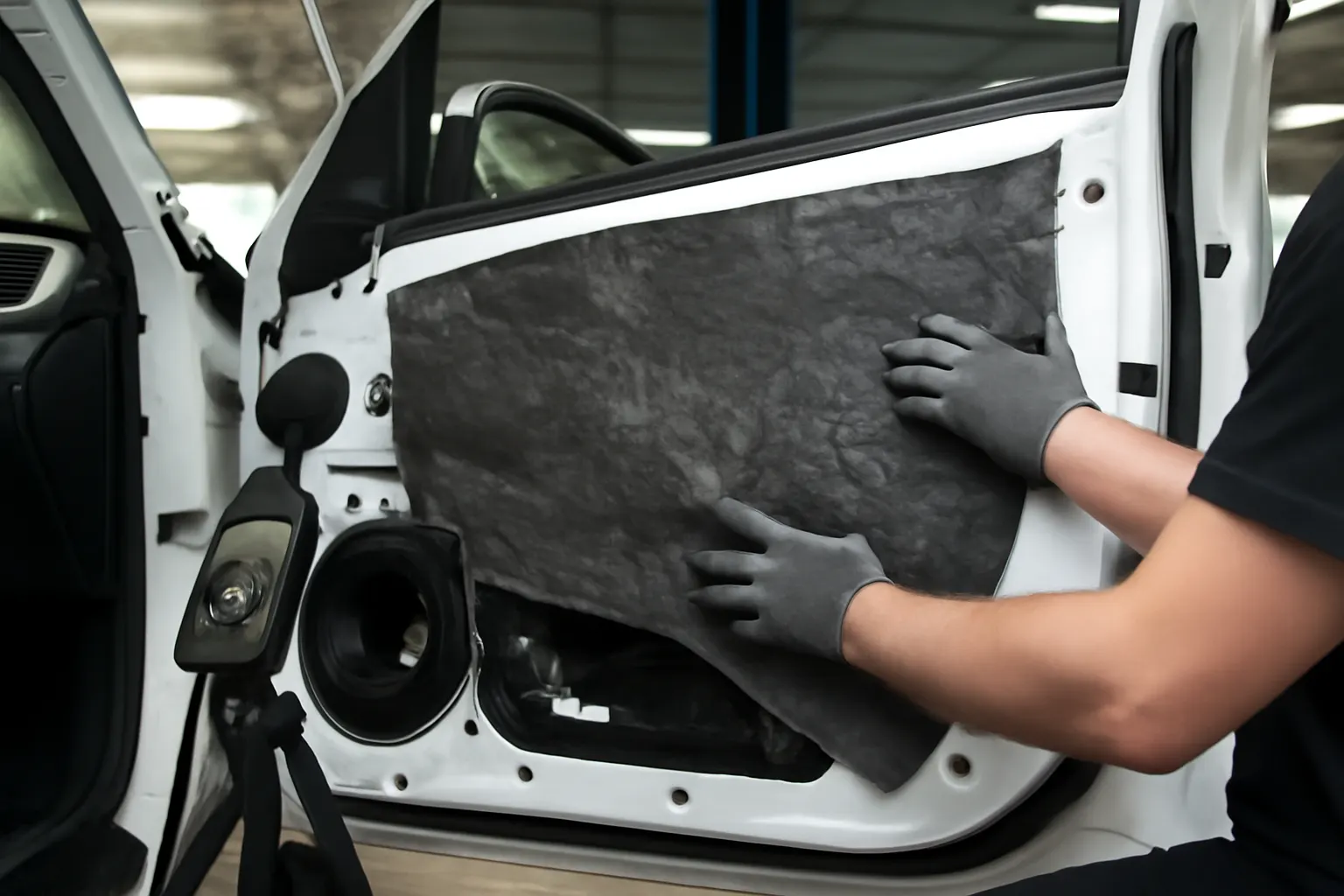
- Install New Sound Dampening Materials: Apply any supplemental acoustic foam or mass-loaded barriers as needed, ensuring full coverage without blocking access holes or airbag paths.
- Fit New Panel: Align and secure the new trim panel, ensuring all clips and fasteners are properly engaged.
- Test Functionality: Operate the back door, locks, and speakers to confirm proper installation and sound quality.
For a detailed walkthrough, consult the Interior Trim Panel Installation Guide.
Common Mistakes to Avoid
- Skipping moisture barrier installation
- Over-tightening fasteners (which can crack plastic or cause rattles)
- Blocking speaker or airbag openings
- Using incompatible adhesives or tapes
Troubleshooting and Fine-Tuning
Addressing Persistent Noise Issues
If you’ve upgraded your trim panel but still experience excessive noise:
- Check for Panel Gaps: Even small gaps can transmit significant noise.
- Inspect Door Seals: Worn or misaligned door seals are a frequent culprit.
- Supplement with Additional Damping: Add extra foam or MLV sheets behind the panel if space permits.
When to Seek Professional Help
If noise persists after thorough DIY efforts—or if you notice electrical, locking, or safety system malfunctions—consult an automotive interior specialist. They can perform advanced diagnostics, including decibel-level measurements and thermal imaging to detect hidden leaks or gaps.
The AutoPartEx Advantage
At AutoPartEx, we understand that true cabin comfort depends on more than appearance—it’s about engineering, materials, and precision fitment. Our Back Door Trim Panel selection is curated for quality, safety, and acoustic performance, with detailed fitment data to ensure you get the right part the first time. Whether you’re restoring a classic, upgrading for premium audio, or simply seeking a quieter ride, our technical resources and support team are here to help.
Explore related categories like interior trim for a complete cabin upgrade, and leverage our installation and diagnostic guides for professional results at home.
References
Advertisement