
Back Door Trim Panel
Back Door Trim Panel
Restore your cargo area’s integrity and appearance with a premium back door trim panel. This essential interior component doesn’t just provide a finished look—it’s critical for protecting electronics, blocking moisture, and reducing noise. Explore our range of OEM and precision-fit replacements to ensure durable performance and seamless integration with your interior trim and speaker system systems.
Many vehicle owners overlook small cracks, rattles, or missing clips on their back door trim panel, assuming these are merely cosmetic issues. But behind these subtle symptoms often lurk more serious threats—water intrusion, corrosion, and compromised sound insulation can all begin with a failing panel.
When a back door trim panel deteriorates, it disrupts the factory-engineered balance of protection and comfort. Modern panels are designed not only to look good but to serve as moisture barriers, wire routing shields, and acoustic dampeners. Broken clips or warped materials can allow water to seep in, accelerate rust, and expose electrical components to damage, resulting in increased road noise and even electrical malfunctions.
Proper diagnostics start with a thorough inspection: check for looseness, signs of water stains, or degraded foam and fasteners. When replacement is needed, opt for OEM panels or high-quality equivalents that match your vehicle’s specifications. Ensure the new trim panel includes all necessary mounting hardware, vapor barriers, and sound insulation. Professional installation guarantees correct clip engagement, proper wire channeling, and full restoration of the panel’s protective functions—safeguarding your vehicle’s comfort and value.
Showing 8 of 434 products


More Back Door Trim Panel options
Filtering for Back Door Trim PanelBrowse nearby inventory for this category without leaving the page. Use search to filter by price, part number, or city.
No Data Available
Please check back soon when more inventory is available for this part.
Technical Reference: Back Door Trim Panel Engineering & Service
Panel Construction & Materials
Back door trim panels are typically fabricated from lightweight, high-strength polymers reinforced with acoustic foams and moisture barriers. The selection of materials is critical for providing durability, UV resistance, and thermal stability. Innovations in material technology, such as multi-layer composites, enhance both the strength and acoustic properties while keeping vehicle weight low.
Mounting & Integration
Modern trim panels use precision-engineered clips and fasteners to secure them tightly against the door structure. These mounting systems are designed for quick assembly and disassembly during service, minimizing the risk of damage. Integration points for speaker systems, storage bins, and wiring harnesses are molded directly into the panel, ensuring seamless installation and reliable function.
Moisture & Noise Control
The panel serves as a primary barrier against water intrusion. Vapor shields and foam gaskets are integrated behind the visible surface, protecting vulnerable electronics and interior surfaces. Acoustic layers reduce road and mechanical noise, contributing to a quieter, more comfortable cabin. The effectiveness of these features depends on precise fitment and intact barrier materials.
Today, a high-quality back door trim panel is typically constructed from advanced polymer composites, sometimes reinforced with glass fibers or natural fibers to enhance strength and durability. These materials are selected not only for their ability to resist impact, warping, and fading but also for their lightweight characteristics, which help maintain vehicle fuel efficiency—a key consideration highlighted by the United States Department of Energy. Modern panels often incorporate several layers: a rigid base for structure, foam or felt for sound insulation, and a decorative surface that matches the rest of the vehicle’s interior. Moisture barriers and vapor shields are affixed to the backside of the panel to prevent water from reaching sensitive areas, a critical defense against corrosion and electrical failures.
Mounting systems for back door trim panels have also advanced considerably. Early designs relied on simple plastic clips, which were prone to breaking and could result in rattling or loose panels. Current OEM solutions use engineered fasteners, often with integrated anti-rattle features and robust retention forces, to ensure a secure fit that can withstand years of use and repeated access. The fitment process is further complicated by the need to accommodate integrated components such as speakers, storage compartments, rearview camera wiring, and sometimes even airbag modules in newer vehicles.
Acoustic performance is another area of significant development. The trim panel’s role in reducing noise, vibration, and harshness (NVH) is now recognized as a key factor in overall vehicle comfort. Engineers use specialized foams, layered constructions, and strategic placement of insulation materials to dampen road noise and improve the in-cabin experience. For vehicles equipped with premium audio systems, the trim panel may even include specially engineered resonance chambers or mounting bosses to optimize sound quality.
Serviceability is a further consideration in modern designs. Panels must be removable for maintenance or repair without excessive risk of breakage or permanent deformation. This is achieved through the use of reusable clips, modular construction, and clear access to fasteners and wiring connections. When replacing a back door trim panel, technicians must pay close attention to the correct alignment of moisture barriers, proper torqueing of fasteners, and verification of all integrated components before reassembly.
Finally, the aesthetic role of the back door trim panel should not be underestimated. It must match the color, texture, and grain of the surrounding interior trim, resist fading from UV exposure, and withstand the wear-and-tear of daily use. OEM panels are manufactured to strict standards for color fastness and material integrity, ensuring a consistent appearance that generic aftermarket panels may not always achieve.
In summary, the back door trim panel is a highly engineered component that serves as a critical barrier against water and noise, a mounting platform for accessories, and a key element of the vehicle’s interior design. High-quality replacement panels are essential for preserving both the functionality and value of your vehicle.
Engineering Excellence & Technical Specifications
Back door trim panels exemplify the synergy between advanced materials engineering and practical automotive design. Their importance extends beyond aesthetics—they are critical barriers against moisture, noise, and physical wear. AutoPartEx provides only panels that meet or exceed OEM tolerances, ensuring compatibility, durability, and maximum interior protection.
Technical Excellence
Each panel is manufactured using precision-molded, impact-resistant polymers and multi-layer acoustic insulation. Integrated features include dedicated wire channels, modular storage solutions, and precise mounting bosses for speaker systems and other accessories.
Performance Analysis
Panels are tested for fitment accuracy, retention force, UV resistance, and acoustic dampening. OEM-grade panels maintain their colorfastness and structural integrity under extreme temperature cycles and repeated use, while also safeguarding against water intrusion.
Innovation & Technology
Latest-generation panels incorporate lightweight composite materials, in-mold electronics, and eco-friendly construction. Advances in vapor barrier design and acoustic engineering result in quieter cabins and greater protection for sensitive electronics.
Quality & Manufacturing
AutoPartEx sources back door trim panels from certified manufacturers that adhere to strict quality standards. Each batch is subjected to rigorous inspections, including dimensional checks, material verification, and functional testing of integrated features to ensure reliable long-term performance.
Back Door Trim Panel Parts & Service Information
Inspecting for Damage
Look for loose, rattling, or warped panels, water stains, and missing clips. Quick visual inspection prevents hidden damage to electronics or interior surfaces.
Difficulty: Easy • Tools: Trim removal tool, flashlight
Removing the Old Panel
Release mounting clips with a plastic trim tool, disconnect wiring, and peel back vapor barriers carefully to avoid damaging fasteners or insulation.
Difficulty: Moderate • Tools: Trim removal tool, panel clip pliers, screwdriver
Installing a New Trim Panel
Align the new panel, ensure all clips and fasteners are engaged, and properly route wiring and vapor barriers before fully seating the panel.
Difficulty: Expert • Tools: Trim removal tool, torque driver, panel clip pliers
Restoring Sound & Moisture Barriers
Replace or reattach any damaged foam gaskets, vapor shields, or sound insulation to maintain original acoustic and moisture protection.
Difficulty: Moderate • Tools: Adhesive tape, replacement gaskets, trim tools
References
- Vehicle Safety and Equipment - National Highway Traffic Safety Administration, accessed 2024-06-10Supports technical and regulatory requirements for interior automotive components, including trim panel safety and standards.
- Fuel Efficiency - United States Department of Energy, accessed 2024-06-10Used for information about how lightweight materials in trim panels contribute to vehicle efficiency.
- Materials Technologies - United States Department of Energy, accessed 2024-06-10Provides background on advanced material selection for automotive body and trim panels.
Related Guides & Articles

Interior Trim Panel Installation Guide
To remove and install interior and rear door trim panels without damaging clips or wiring: Gather proper tools: Trim removal tools, screwdrivers, and a panel clip puller. Disconnect the battery: Prevent accidental airbag deployment or electrical shorts. Remove fasteners: Locate and remove screws, bolts, and hidden clips. Gently pry the panel: Use trim tools to pop the panel away, working around the perimeter. Disconnect wiring: Carefully unplug electrical connectors for windows, locks, or speakers.
View Guide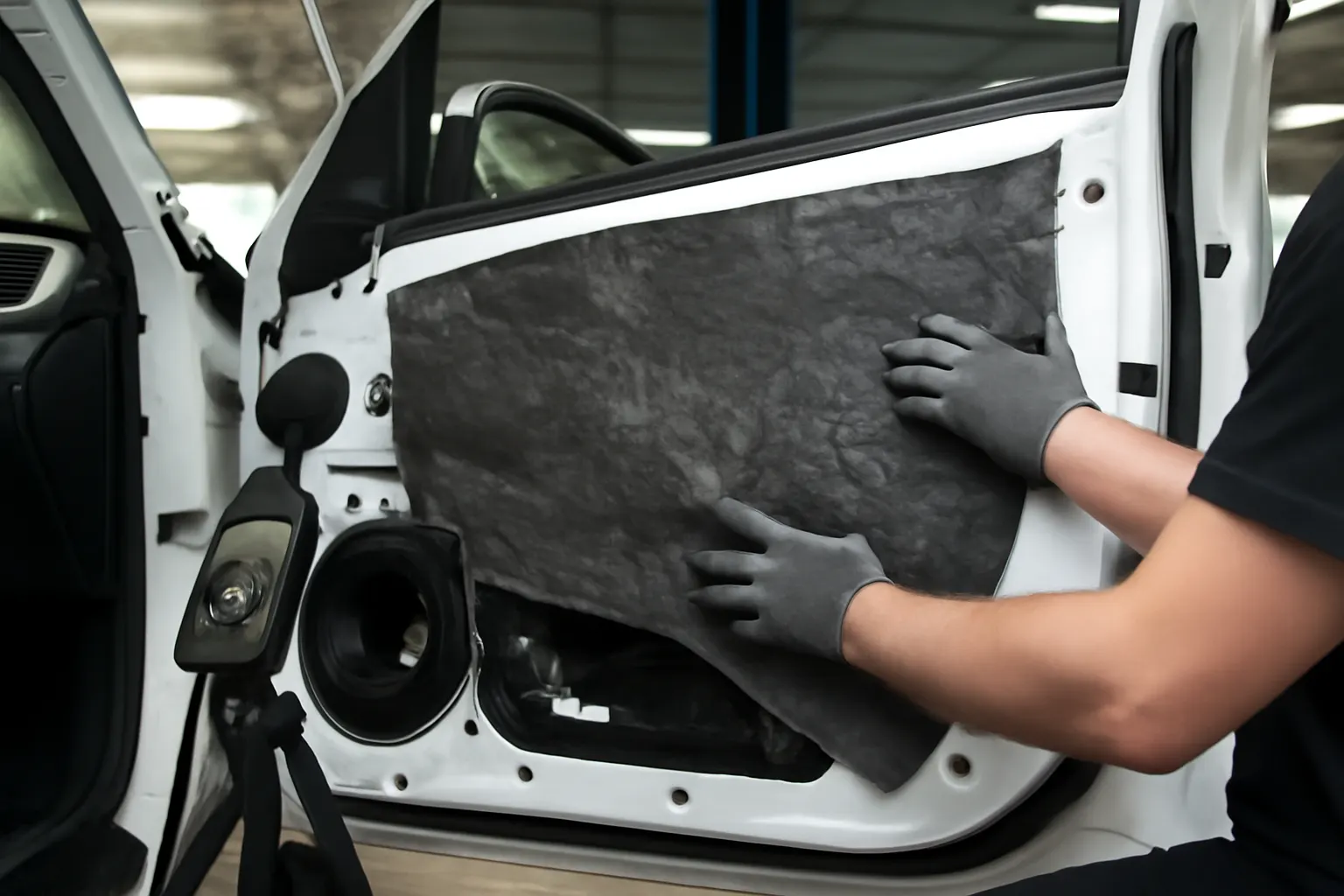
Understanding Sound Dampening Technology
Modern vehicles are quieter and more comfortable than ever, thanks in large part to advances in sound dampening technology—especially within components like the Back Door Trim Panel. If you’re seeking a quieter cabin, understanding how acoustic insulation works, the materials involved, and the role of trim panels can guide you to smarter upgrade, maintenance, and replacement decisions.
Read More
Moisture Protection in Modern Vehicles
Moisture barriers and vapor shields are thin, engineered membranes installed between the vehicle’s outer door shell and its interior trim panels. Their primary function is to prevent water ingress from rain, car washes, or condensation from reaching crucial interior components, such as wiring harnesses, speaker systems, and upholstery. A properly installed and intact moisture barrier ensures that any water entering the door cavity is safely channeled away, protecting sensitive electronics and interior surfaces.
View Guide
Premium Audio Integration Guide
Upgrading your vehicle’s audio system for premium sound quality goes far beyond simply swapping out speakers or adding amplifiers. The often-overlooked Back Door Trim Panel plays a crucial role as a structural enclosure for rear speakers, directly influencing sound clarity, bass response, and even the durability of your factory or aftermarket setup.
Read More