Advertisement
Toyota Oe Materials Regulators
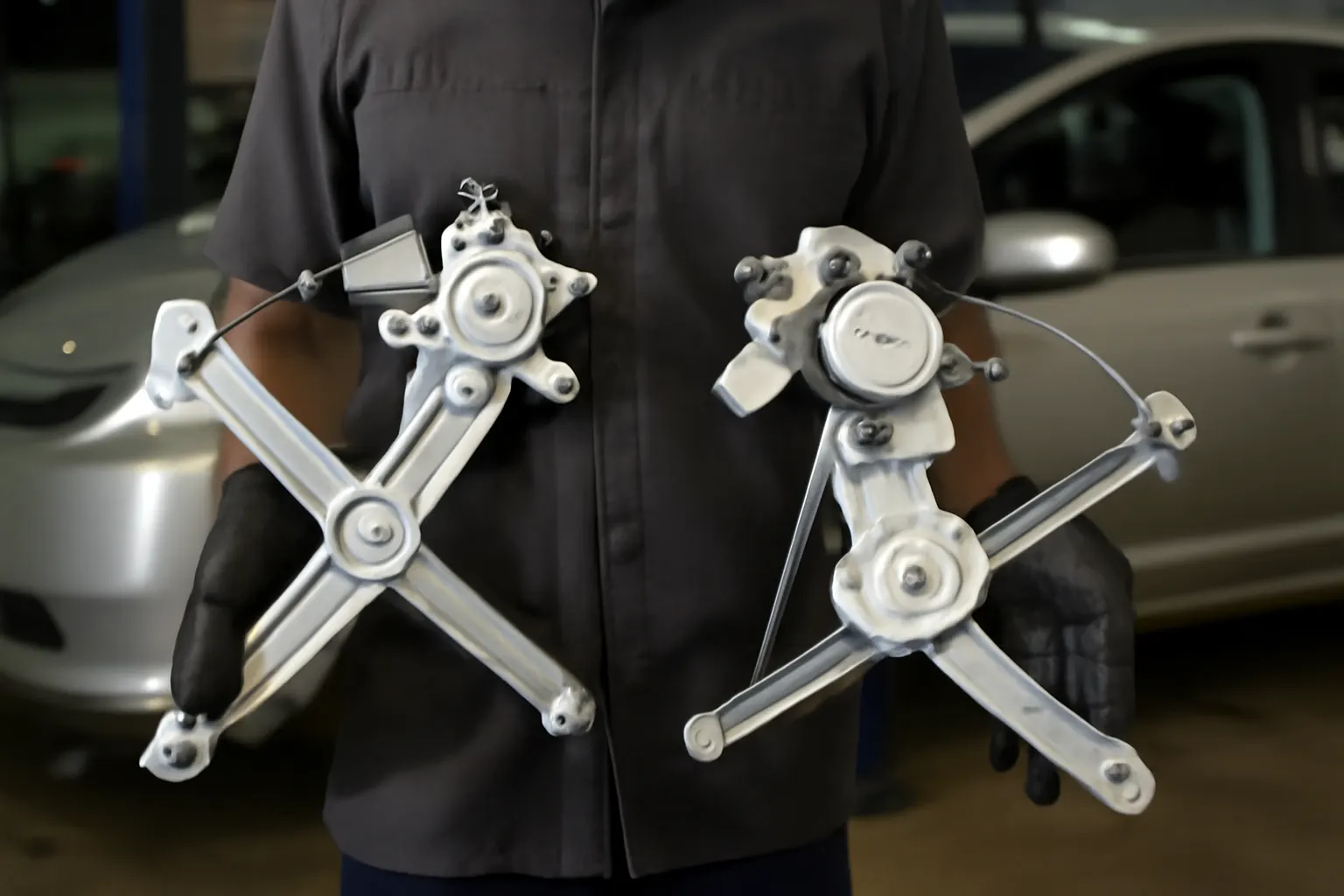
When it comes to the reliability and longevity of your Toyota’s front door window system, the materials used in the window regulator are absolutely critical. OE-grade materials in Toyota front door regulators—particularly in the cable, pulley, and frame assemblies—directly impact lifespan, operation smoothness, and resistance to wear. For owners and technicians alike, understanding the engineering behind these materials is essential for making informed repair and replacement decisions. This article provides a deep dive into why OE-grade materials matter, how Toyota’s regulator engineering has evolved, and what to look for when sourcing or maintaining these vital components.
For a comprehensive overview of Toyota regulator fitment and engineering, see the Toyota Front Door Regulator: OEM Fitment, Repair Issues, and Engineering Guidance category page.
Why OE-Grade Materials in Regulators Matter: The Immediate Answer
OE (Original Equipment) materials are engineered to meet Toyota’s strict standards for durability, performance, and safety. In the context of window regulators, this means:
- Cables are made from high-tensile, corrosion-resistant steel, ensuring thousands of up/down cycles without fraying or snapping.
- Pulleys utilize engineered plastics or reinforced composites, balancing lightweight design with resistance to deformation and wear.
- Frames and guides are stamped from anti-corrosion coated steel or aluminum alloys, maintaining structural integrity and precise fitment within the door shell.
These material choices are not arbitrary. They’re the result of decades of Toyota engineering, rigorous SAE standards compliance, and continuous improvement based on field data and customer feedback. Regulators built with OE-grade materials deliver smoother window operation, resist premature failure, and support overall vehicle safety and comfort.
The Hidden Problem: Substandard Materials and Early Regulator Failure
While many aftermarket regulators claim compatibility with Toyota models, the use of inferior materials is a widespread but often hidden issue. Substandard cables may stretch, corrode, or snap prematurely. Low-grade pulleys can deform under load or in extreme temperatures. Frames lacking proper coatings are prone to rust, especially in humid or salted-road environments.
Symptoms of material-related regulator failure include:
- Sluggish or jerky window movement
- Clicking, grinding, or popping noises during operation
- Windows that drop suddenly or fail to stay up
- Visible cable fraying or pulley cracking upon inspection
Owners may not realize that these problems often trace back to the materials used in the regulator assembly—not just to age or usage. This is why OE-grade material selection is non-negotiable for both reliability and safety.
The Engineering Behind Toyota’s Regulator Materials
Cable Construction and Material Science
Toyota OE window regulator cables are typically constructed from multi-strand, galvanized or stainless steel wire. The precise choice depends on the model and year, but all share key characteristics:
- High tensile strength: Allows the cable to withstand repeated stress without stretching or breaking.
- Corrosion resistance: Galvanization or stainless alloys prevent rust, a common failure mode in humid or salted environments.
- Flexibility: Engineered to bend around pulleys smoothly without work-hardening or kinking.
Aftermarket regulators may use lower-grade steel or omit protective coatings, dramatically reducing service life.
Pulley and Guide Material Advances
Modern Toyota regulators often use pulleys and guides made from high-performance polymers such as POM (polyoxymethylene) or glass-fiber-reinforced nylon. These materials offer:
- Low friction: Facilitates smooth cable movement, reducing wear.
- Dimensional stability: Maintains shape under load and temperature fluctuations.
- Resistance to UV and chemical degradation: Critical for components exposed to sunlight and interior cleaning agents.
Older or lower-cost aftermarket parts may use basic ABS or unreinforced plastics, which are prone to cracking or deformation.
Frame and Track Alloys
Toyota’s OE regulator frames are stamped from either zinc-coated steel or lightweight aluminum alloys. These materials are selected for:
- Corrosion resistance: Coatings and alloy composition protect against moisture ingress.
- Structural rigidity: Prevents frame flexing, which can cause cable misalignment.
- Precision: Ensures exact fitment to the door shell, minimizing rattle and maximizing window sealing.
Advertisement
Subpar frames may lack proper coatings or use low-cost steel, increasing the risk of rust-through and misalignment over time.
How Material Choices Affect Regulator Longevity
Material engineering isn’t just about initial performance—it’s about how the regulator holds up after 30,000, 50,000, or 100,000 window cycles. Here’s how OE materials extend service life:
- Resisting corrosion: Galvanized and stainless components withstand years of moisture and salt exposure.
- Maintaining tension: High-tensile cables don’t stretch, preventing window drop or uneven movement.
- Avoiding deformation: Reinforced pulleys and frames retain their shape, keeping the cable path true and smooth.
- Reducing friction: Low-friction polymers lessen cable wear and motor load, preserving both regulator and window motor.
In contrast, regulators using inferior materials often fail within a fraction of the OE lifespan, leading to repeat repairs and higher long-term costs.
The Role of Industry Standards: SAE and Beyond
Toyota’s OE regulators are engineered and tested in accordance with rigorous industry standards, most notably those published by SAE International. These standards address:
- Material composition and coatings
- Fatigue testing for cables and pulleys
- Corrosion resistance benchmarks
- Fitment tolerances and operational cycle requirements
Compliance with these standards is not universal among aftermarket suppliers. Always verify that replacement regulators cite SAE compliance or equivalent engineering validation. For more details, consult SAE Standards.
Diagnosing Regulator Material Issues: Inspection Checklist
If you’re experiencing window operation issues—or if you’re inspecting a regulator before installation—use this checklist to spot potential material-related failures:
Toyota Regulator Material Inspection Checklist:
| Component | What to Check | OE-Grade Indicator | Warning Signs |
|---|---|---|---|
| Cable | Flex, tension, corrosion resistance | Multi-strand, galvanized or stainless, no rust | Fraying, rust, stretching |
| Pulley | Shape, smoothness, material | Glass-fiber nylon or POM, no cracks | Warping, cracks, rough surface |
| Frame | Coating, rigidity, fitment | Zinc-coated steel or aluminum, uniform finish | Rust, flex, uneven edges |
| Guides | Material, smoothness | Reinforced polymer, no wear | Scoring, looseness, plastic dust |
| Fasteners | Corrosion, thread quality | Zinc or stainless, precise fit | Rust, stripped threads |
If any warning signs are present, the regulator may be made from substandard materials and should be replaced with a verified OE-grade part.
Sourcing OE-Grade Toyota Regulators: What to Look For
When purchasing a replacement regulator, prioritize the following:
- OE or OEM branding: Look for parts labeled as Toyota OE, Toyota Genuine, or from certified OEM suppliers.
- Material details in specifications: Reputable sellers will specify cable and frame materials (e.g., “galvanized steel cable,” “aluminum alloy frame”).
- SAE or equivalent standards compliance: Check product listings for references to compliance with SAE J939, J941, or other relevant standards.
- Vendor reputation: Purchase from established sources with strong reviews for Toyota parts, not generic “universal fit” suppliers.
Avoid regulators that lack detailed material specifications or are marked as “economy” or “value line”—these often use inferior components.
Installation and Maintenance: Maximizing Regulator Lifespan
Even the best OE-grade regulator can fail prematurely if not installed or maintained properly. Follow these steps to ensure maximum durability:
Installation Best Practices
- Inspect the door shell: Remove rust and debris from mounting points before installing the new regulator.
- Torque fasteners to spec: Over- or under-tightening can distort the frame or damage threads.
- Align the window glass: Ensure the glass sits squarely in the tracks to avoid side loading on the regulator.
- Lubricate moving parts: Use silicone-based lubricant on tracks and guides (never on cables unless recommended by Toyota).
Ongoing Maintenance
- Operate windows regularly: Prevents cables and pulleys from seizing due to inactivity.
- Inspect weatherstrips: Replace cracked or leaking seals to keep moisture out of the door cavity.
- Clean window channels: Remove debris that could jam the regulator or scratch the glass.
For detailed service procedures, refer to the Toyota Window System Diagnostics Article.
The Impact of Materials on Safety and Performance
Window regulators are not just convenience features—they’re safety-critical components. OE-grade materials ensure:
Advertisement
- Crash integrity: Properly engineered frames and fasteners help the door structure absorb impact as designed.
- Child safety: Windows that stay in position prevent accidental injury or ejection.
- Weather protection: Regulators that hold the glass tight preserve cabin comfort and electronics.
Substandard parts can compromise these safety functions. Always prioritize OE-grade regulators, especially for vehicles carrying family or work crews.
Recent Advances in Toyota Regulator Engineering
Toyota has continued to innovate in window regulator design and materials, including:
- Hybrid cable-pulley systems: Newer models use advanced cable routing and self-lubricating pulleys to reduce noise and friction.
- Weight-optimized frames: Aluminum and magnesium alloys reduce overall door weight, contributing to fuel efficiency and handling.
- Enhanced anti-corrosion coatings: Multi-layer coatings now provide up to 10 years of corrosion resistance, even in harsh climates.
These advances are only available in OE and the highest-quality OEM replacements. They directly translate to longer service life and lower total cost of ownership.
For more on how materials technology is shaping automotive components, see Materials Technologies.
OE Materials and Fuel Efficiency: The Overlooked Connection
While window regulators are not heavy, Toyota’s use of lightweight, high-strength materials in these assemblies supports the company’s broader fuel efficiency goals. Reducing unsprung and door weight improves overall vehicle efficiency and handling dynamics. According to the Department of Energy, every pound saved in vehicle systems—including window regulators—contributes to improved fuel economy and reduced emissions [Fuel Efficiency].
This is one reason why OE-grade materials matter: they’re engineered not just for durability, but for overall vehicle performance and efficiency.
Cost Considerations: OE vs. Aftermarket Regulators
It’s tempting to choose a low-cost aftermarket regulator, but the savings are often illusory. OE-grade regulators typically last 2–3 times longer than economy versions. Factoring in labor costs for repeated replacements, the total cost of ownership is lower with OE or certified OEM parts.
For a breakdown of repair and replacement costs, visit Toyota Regulator Repair Costs.
How to Identify a Genuine OE Toyota Regulator
To avoid counterfeit or substandard parts, look for these features:
- Toyota logo or part number: Genuine parts are marked with Toyota’s logo and a unique identifier.
- Packaging quality: OE parts come in Toyota-branded packaging with tamper-evident seals.
- Supplier credentials: Purchase from authorized Toyota dealers or reputable OEM distributors.
- Documentation: OE regulators include installation instructions and warranty cards referencing Toyota or the OEM supplier.
If in doubt, cross-reference the part number with Toyota’s official catalog or consult a trusted parts professional.
Fitment Guidance: Ensuring the Right Regulator for Your Toyota
With hundreds of Toyota models and trim variations, fitment is critical. Use these steps to ensure correct selection:
- Identify your model, year, and door position (LH/RH, front/rear).
- Cross-reference the OE part number using Toyota’s catalog or reliable online resources.
- Check for trim or option-specific differences (e.g., power vs. manual windows, anti-pinch features).
- Compare mounting points and connector types visually before installation.
For detailed fitment charts and step-by-step guidance, see the Toyota Front Door Regulator Fitment Guide.
Why Choose AutoPartEx for Toyota Regulator Sourcing and Support?
At AutoPartEx, we specialize in engineering-driven guidance and only recommend OE-grade or certified OEM Toyota regulators. Our technical editorial team continuously reviews regulator materials, fitment data, and industry standards to ensure you get the right part the first time. We also provide in-depth diagnostics, installation support, and up-to-date fitment guides—making us the trusted resource for Toyota owners and professionals.
For more Toyota regulator insights, visit the Toyota Front Door Regulator: OEM Fitment, Repair Issues, and Engineering Guidance category page.
Expert Action: Your Next Steps
- Inspect your current regulator for material wear or premature failure using the checklist above.
- Source only OE-grade or certified OEM regulators for any replacement or repair.
- Follow best practices during installation and maintenance to maximize service life.
- Consult AutoPartEx resources for diagnostics, fitment, and buying guidance to avoid costly mistakes.
Remember: Regulator material quality isn’t just about longevity—it’s about safety, performance, and protecting your investment in your Toyota.
References
- Materials Technologies – United States Department of Energy
- Fuel Efficiency – United States Department of Energy
- SAE Standards – SAE International
Advertisement