
Advertisement
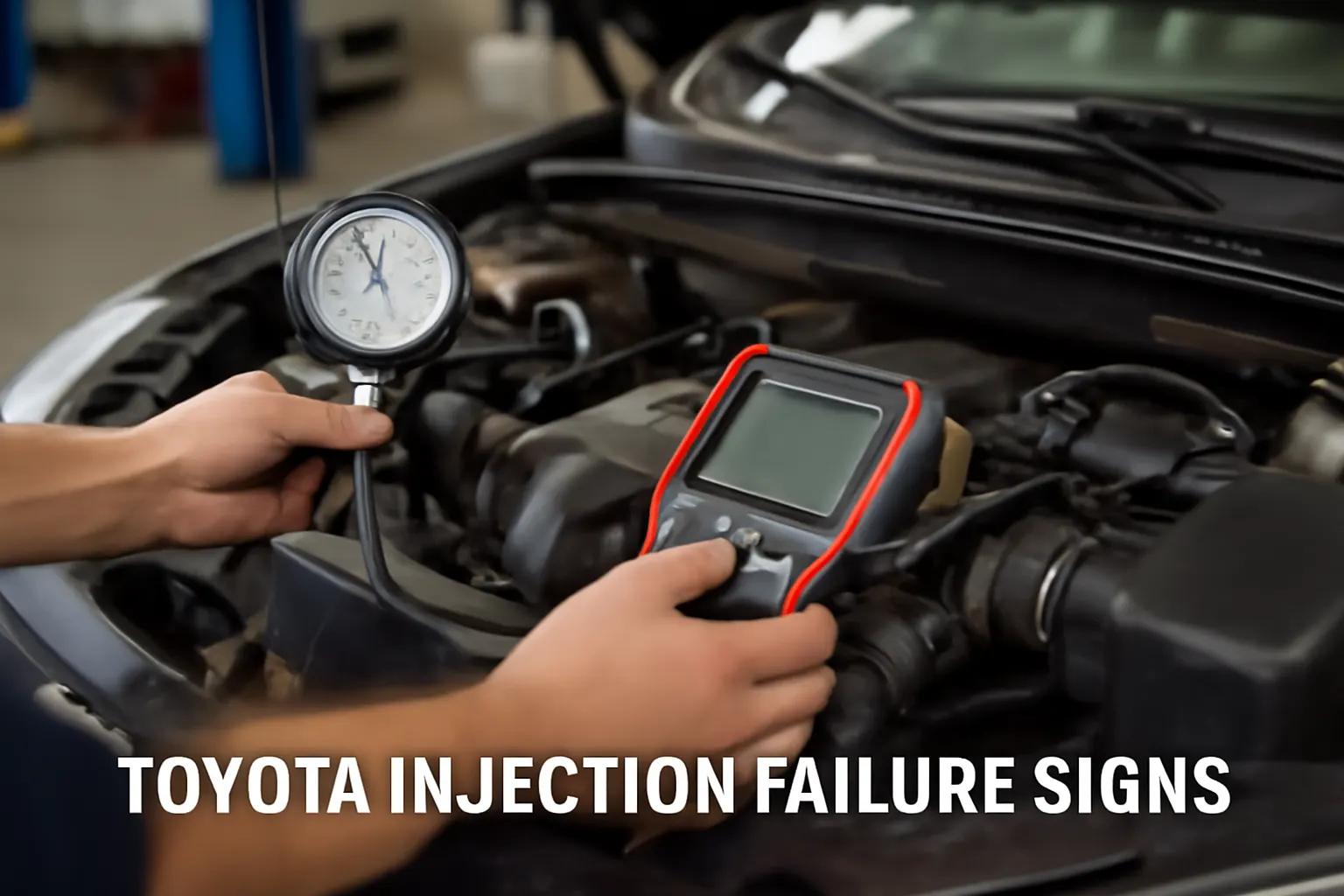
Modern Toyota engines rely on precise fuel injection to deliver reliable performance, fuel efficiency, and emissions control. Recognizing the early signs of fuel injection failure is critical for preventing costly repairs and ensuring your Toyota remains safe and efficient on the road. This guide provides a comprehensive overview of the most common Toyota injection failure patterns, practical diagnostics, and expert solutions for drivers, DIYers, and professional technicians.
For a deeper dive into Toyota fuel distributor and injection system components, visit our Toyota Fuel Distributor (& Misc. Injection) Parts – OEM Fitment, Failure Patterns, and Expert Sourcing page.
Immediate Answer: Key Signs of Toyota Fuel Injection Failure
Toyota injection system failures often announce themselves with a specific set of symptoms that can be detected early by attentive owners and technicians. Recognizing these warning signs can prevent minor issues from escalating into major mechanical failures:
- Rough Idle or Engine Misfire: Noticeable vibrations or irregular engine RPMs at idle.
- Hard Starting or No-Start Conditions: Extended cranking or failure to start, especially after sitting overnight.
- Poor Acceleration/Loss of Power: Hesitation, stalling, or lack of responsiveness when pressing the accelerator.
- Decreased Fuel Efficiency: Sudden drops in MPG not explained by driving habits or conditions.
- Check Engine Light (CEL): Illuminated CEL, often accompanied by diagnostic trouble codes (DTCs) related to fuel delivery.
- Excessive Exhaust Smoke: Black, white, or blue smoke indicating unburned fuel or injector leakage.
- Fuel Odor: Noticeable raw fuel smell, especially after shutdown, indicating possible leaks or injector dribble.
These symptoms can arise from a variety of root causes within the injection system, including faulty injectors, worn fuel distributors, compromised seals, or sensor malfunctions.
The Hidden Problem: Why Early Detection is Critical
While the above symptoms may seem minor at first, they often mask deeper issues within the fuel injection system that can quickly lead to more severe problems:
- Catalytic Converter Damage: Unburned fuel entering the exhaust can overheat and destroy the catalytic converter, a costly repair.
- Engine Internal Damage: Persistent lean or rich running can cause piston, valve, or cylinder wall damage.
- Safety Hazards: Fuel leaks or misfires can create fire risks and compromise vehicle safety, as noted by the National Highway Traffic Safety Administration.
- Escalating Repair Costs: Minor injector or distributor issues can snowball into multi-component failures if left unaddressed.
Early detection and intervention are essential to prevent these cascading failures, protect your investment, and ensure your Toyota's reliability.
Understanding Toyota Fuel Injection Systems
Toyota has employed a range of fuel injection technologies over the decades, from mechanical fuel distributors in classic models to advanced electronic multi-point and direct injection systems in modern vehicles. While the architecture may vary, the fundamental principles and failure modes exhibit consistent patterns:
Mechanical vs. Electronic Injection
- Mechanical Fuel Distributors: Found in older Toyota models (e.g., 22RE, 3VZ-E), these systems use precise mechanical control to meter fuel. Common failure points include sticking metering valves, worn seals, and clogged injectors.
- Electronic Multi-Point Injection (EFI): Most late-model Toyotas use electronically controlled injectors and sensors to optimize fuel delivery. Failures often stem from electrical issues, sensor malfunctions, or injector clogging.
- Direct Injection (D-4, D-4S): Advanced systems inject fuel directly into the combustion chamber for higher efficiency. These are sensitive to fuel quality and contamination, with common failures in high-pressure pumps and precision injectors.
Understanding which system your Toyota uses is vital for accurate diagnosis and repair.
Common Toyota Injection Failure Patterns
Through decades of field reports and technical analysis, several failure patterns have emerged across Toyota injection systems:
1. Injector Clogging and Deposits
- Root Cause: Low-quality fuel, infrequent use, or short-trip driving leads to varnish and carbon buildup on injector tips.
- Symptoms: Rough idle, misfire, poor acceleration, increased emissions.
2. Electrical Failures
- Root Cause: Broken or corroded wiring, failed injector coils, or faulty ECM driver circuits.
- Symptoms: Intermittent or permanent misfire, CEL with injector circuit codes, no fuel delivery on affected cylinder(s).
3. Fuel Distributor Wear (Mechanical Systems)
- Root Cause: Internal wear, sticking control plungers, or leaking seals within the distributor.
- Symptoms: Hard starts, uneven idle, fuel leaks, or fuel starvation under load.
Advertisement
4. Sensor Malfunctions
- Root Cause: Failed or drifting mass airflow (MAF), manifold absolute pressure (MAP), or coolant temperature sensors.
- Symptoms: Erratic fuel delivery, poor cold start, surging, or excessive fuel consumption.
5. High-Pressure Pump and Rail Issues (Direct Injection)
- Root Cause: Wear or contamination in high-pressure pumps or fuel rails.
- Symptoms: Long cranking, surging under load, DTCs for fuel pressure out of range.
Recognizing these patterns can help pinpoint the most likely culprits during diagnosis.
Diagnostic Checklist: Identifying Toyota Injection Issues Early
A systematic approach is essential for accurately diagnosing Toyota injection system failures. Use this checklist as a starting point:
| Symptom | Possible Cause | Diagnostic Step |
|---|---|---|
| Rough idle/misfire | Clogged injector, bad coil | Listen for cylinder drop, scan for misfire codes |
| Hard starting/no start | Leaky injector, fuel pressure | Check fuel rail pressure, look for leaks |
| Poor acceleration | Weak pump, dirty filter, sensor | Test fuel pressure, scan sensor outputs |
| Decreased fuel efficiency | Leaky injector, sensor drift | Compare MPG, check for black smoke |
| CEL with injector code | Electrical fault, injector open | Measure injector resistance, check harness |
| Fuel odor | Leaky seal, injector dribble | Inspect for wetness around injectors/distributor |
| Excessive exhaust smoke | Injector stuck open, rich mix | Observe exhaust, check for raw fuel smell |
Pro Tip: Always consult the vehicle’s service manual for specific test values and procedures. For in-depth guidance, visit our Toyota Fuel Injection Guide.
Technical Deep Dive: Why Toyota Injection Systems Fail
Understanding the underlying mechanisms of failure can empower both DIYers and pros to make informed decisions:
Fuel Quality and Contamination
Toyota’s precision injectors and pumps are sensitive to even minor contamination. Ethanol blends, water ingress, or sediment can quickly clog injector nozzles or damage mechanical distributor components. The U.S. Department of Energy stresses the importance of clean, high-quality fuel for maintaining optimal efficiency and system longevity.
Heat Cycling and Material Fatigue
Repeated thermal expansion and contraction can degrade injector seals, distributor diaphragms, and electrical connectors. Over time, this leads to leaks, shorts, or drift in sensor readings, especially in high-mileage vehicles.
Electrical Aging
Insulation breakdown, corrosion, and vibration-induced connector failures are common in older Toyotas. Even a minor voltage drop can cause injectors to misfire or remain closed, resulting in lean running or no-start conditions.
Mechanical Wear
Mechanical fuel distributors contain moving parts that can stick or wear out, especially if oil or fuel quality is poor. Sticking plungers or leaking seals are frequent causes of erratic idle, hard starting, and fuel starvation.
DIY vs. Professional Diagnostics: Know Your Limits
While many Toyota injection issues can be diagnosed with basic tools (OBD-II scanner, fuel pressure gauge, multimeter), some failures require specialized equipment and expertise:
- DIY-Friendly: Checking for fuel leaks, inspecting injector harnesses, scanning for basic DTCs, listening for misfires.
- Professional Required: Flow-testing injectors, oscilloscope waveform analysis, high-pressure system testing, ultrasonic cleaning, and advanced ECM diagnostics.
Attempting complex repairs without the right tools can introduce new faults or safety hazards. When in doubt, consult a Toyota specialist or a certified repair shop.
Maintenance Strategies to Prevent Injection Failure
Preventive maintenance is the most effective way to avoid Toyota injection system failures:
1. Use High-Quality Fuel
Stick to top-tier gasoline providers and avoid stations with a history of water or sediment contamination. Avoid letting the tank run low, as this can draw debris into the injection system.
2. Regular Fuel Filter Replacement
Toyota recommends periodic fuel filter changes, especially on models with external filters. Clogged filters restrict flow and can overwork the pump and injectors.
3. Fuel System Cleaning
Periodic use of fuel system cleaners (approved for your Toyota’s system) can minimize deposit formation. For severe buildup, professional ultrasonic injector cleaning may be necessary.
4. Inspect Electrical Connectors
Check injector and sensor harnesses for corrosion, broken clips, or insulation cracks. Address issues proactively to avoid intermittent faults.
5. Address CELs Promptly
Don’t ignore check engine lights or rough running. Early intervention is key to minimizing damage and repair costs.
Advertisement
For more installation and maintenance tips, see our Toyota Injection Installation Tips.
Sourcing OEM vs. Aftermarket Injection Parts
Choosing the right replacement parts is critical for restoring performance and reliability:
- OEM (Original Equipment Manufacturer): Guarantees fitment, durability, and compatibility with Toyota’s engine management. Ideal for daily drivers and those seeking long-term reliability.
- Aftermarket: May offer cost savings or performance enhancements, but quality and fitment can vary widely. Always choose reputable brands and verify compatibility.
For a detailed comparison, review our Toyota Oem Vs Aftermarket Injection article.
Installation Best Practices for Toyota Injection Components
Proper installation is as important as the quality of the parts themselves. Common pitfalls include:
- Improper Torque: Over-tightening injectors or fuel lines can crack housings or distort seals.
- Seal Replacement: Always use new O-rings and gaskets to prevent leaks.
- Cleanliness: Even minor debris can clog injectors or damage distributor internals—work in a clean environment.
- Lubrication: Lightly lubricate seals with clean engine oil or specified lubricant to ease installation and prevent pinching.
- System Bleeding: After installation, prime the fuel system and check for leaks before starting the engine.
Following Toyota’s service procedures ensures a successful repair and minimizes repeat failures.
When to Replace vs. Repair: Making the Right Call
Not all injection issues require full component replacement. Consider these guidelines:
- Replace: Cracked or leaking injectors, failed electrical coils, severely worn fuel distributors, or contaminated high-pressure pumps.
- Repair: Minor injector clogging (can be cleaned), replaceable seals or O-rings, minor wiring repairs.
Professional flow-testing can determine if injectors are salvageable. For distributors, internal wear often justifies replacement due to the complexity and cost of rebuilding.
Case Studies: Real-World Toyota Injection Failures
Case 1: 2002 Toyota Camry 2.4L – Rough Idle and CEL
Symptoms: Rough idle, hesitation, CEL with P0302 (Cylinder 2 misfire).
Diagnosis: Visual inspection revealed a cracked injector connector. Replacing the connector resolved the misfire and restored smooth idle.
Case 2: 1995 Toyota Pickup 22RE – Hard Starting, Fuel Odor
Symptoms: Long cranking, strong fuel odor after shutdown.
Diagnosis: Fuel distributor internal seal leak caused fuel to drip into intake after shutdown. Replacing the distributor and seals eliminated the hard start issue.
Case 3: 2015 Toyota Highlander 3.5L – Poor Fuel Economy
Symptoms: Sudden drop in MPG, CEL with rich mixture codes.
Diagnosis: Two injectors found to be sticking open due to deposit buildup. Professional ultrasonic cleaning restored injector function and improved fuel economy.
The Role of Recalls and Technical Service Bulletins (TSBs)
Toyota, like all manufacturers, occasionally issues recalls or TSBs for known injection system defects. Always check your VIN against NHTSA recalls and consult with a Toyota dealer or trusted repair shop for the latest updates. Addressing recall or TSB-related issues can save time, money, and frustration.
AutoPartEx: Your Toyota Injection System Experts
At AutoPartEx, we specialize in sourcing, diagnosing, and supporting Toyota fuel distributor and injection system repairs. Our curated inventory includes OEM and top-tier aftermarket injectors, distributors, sensors, and installation kits—each selected for proven fitment and reliability. Our technical team stays current with the latest Toyota injection technologies and failure patterns to provide you with the right parts and expert guidance.
Whether you’re a DIY enthusiast or a professional technician, AutoPartEx is your trusted partner for Toyota injection system solutions. Explore our Toyota Fuel Distributor (& Misc. Injection) Parts – OEM Fitment, Failure Patterns, and Expert Sourcing page for the latest products, technical insights, and sourcing support.
Expert Action: Next Steps for Toyota Owners and Technicians
- Monitor for Early Symptoms: Stay alert to the warning signs detailed above.
- Perform Systematic Diagnostics: Use the checklist provided to narrow down potential causes.
- Prioritize Preventive Maintenance: Regular fuel system service can prevent most common failures.
- Source Quality Parts: Trust only proven OEM or reputable aftermarket components.
- Consult Technical Resources: Leverage service manuals, TSBs, and expert guides for your specific Toyota model.
- Partner with Experts: When in doubt, consult AutoPartEx or a certified Toyota technician for advanced diagnostics and repair.
By following these steps, you can extend the life of your Toyota’s injection system, maximize fuel efficiency, and avoid unexpected breakdowns.
References
Advertisement
