Advertisement
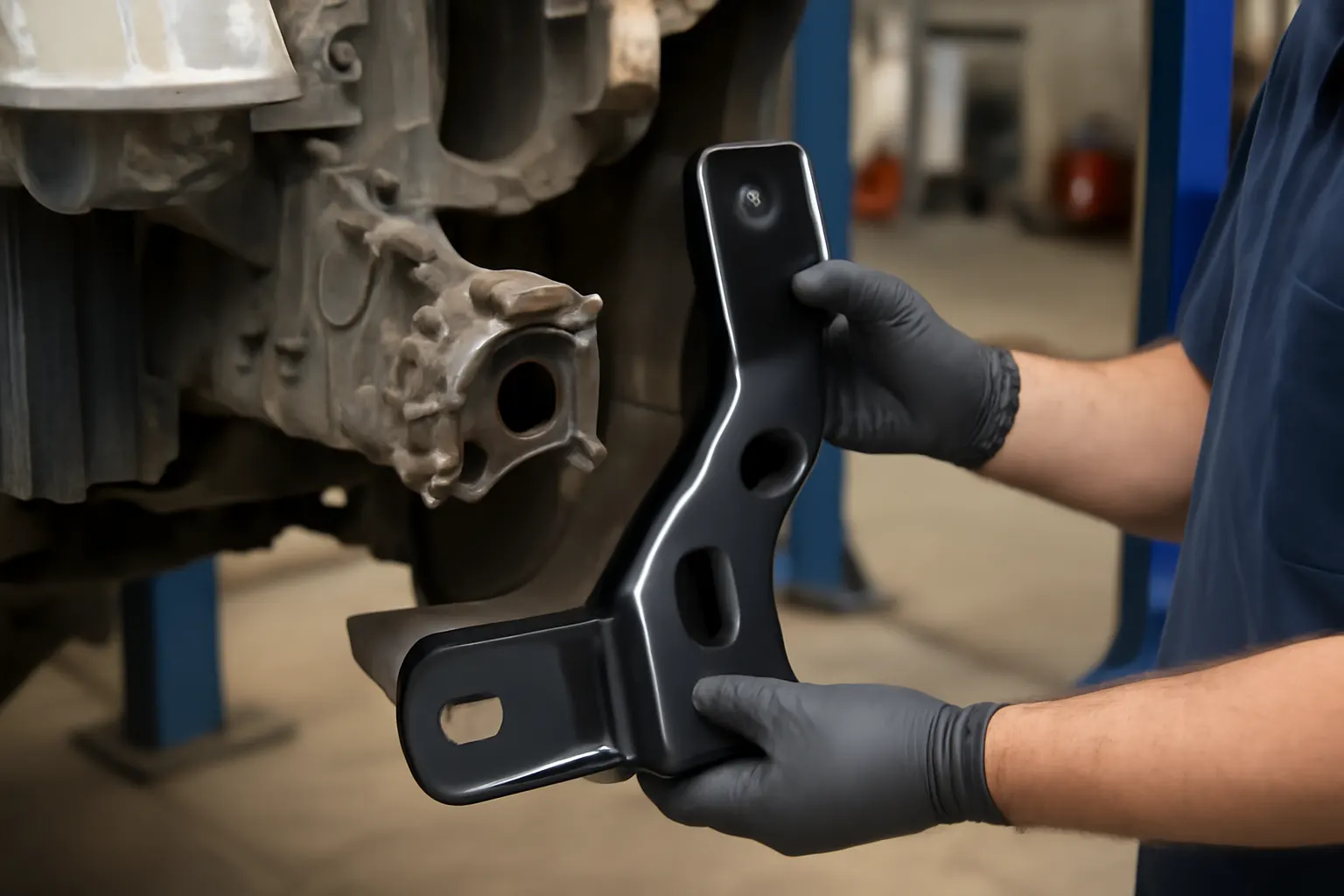
Material innovations in Toyota chassis components are transforming the way next-generation vehicles perform, protect, and endure. Among these, high-strength steel and composite frame horns have emerged as critical advances—reshaping Toyota’s approach to frame design, crashworthiness, and longevity. For owners, repairers, and anyone invested in Toyota’s structural integrity, understanding these innovations is essential for effective diagnostics, repairs, and upgrades. This guide delivers the core facts, practical implications, and technical background you need to navigate the new era of Toyota frame horn technology.
For a comprehensive look at Toyota frame horn replacement, fitment, and technical best practices, visit our Toyota Frame Horn Replacement, Fitment & Technical Guide.
Immediate Answer: What Are Material Innovations in Toyota Frame Horns?
Toyota’s latest frame horns utilize advanced high-strength steels (AHSS) and composite materials to improve crash energy absorption, reduce weight, and enhance corrosion resistance. These new materials allow for thinner, lighter components without sacrificing structural integrity. As a result, next-generation Toyota models benefit from superior safety, increased fuel efficiency, and longer part lifespan compared to traditional mild steel frame horns.
- High-strength steel: Offers up to twice the yield strength of traditional steels, allowing for lighter yet tougher frame horns.
- Composite frame horns: Incorporate resin or fiber-reinforced plastics, further reducing weight and improving corrosion resistance.
These innovations are now standard in many Toyota platforms, especially in newer Camry, Tacoma, and RAV4 models, and are central to Toyota’s ongoing chassis evolution.
The Hidden Problem: Challenges With New Materials in Frame Horns
While high-strength steel and composites deliver clear benefits, they also introduce new complexities for diagnostics, collision repair, and part sourcing. Traditional repair methods—such as heat straightening, welding, or using generic replacement parts—can compromise the integrity of these advanced materials. Improper repairs may even void safety certifications or lead to premature failures.
Common issues include:
- Incompatibility of repair techniques: AHSS and composites respond differently to heat, force, and adhesives.
- Difficulty in visual damage assessment: Micro-cracks and delamination in composites may not be visible.
- Sourcing OEM-grade replacements: Aftermarket options may not match Toyota’s material specifications.
These challenges require updated diagnostic tools, specialized repair knowledge, and careful sourcing—especially for collision shops and DIY repairers.
Expanding the Problem: Why Material Choice Matters in Frame Horns
The frame horn is a critical front-end chassis component, designed to absorb and redirect impact energy during a collision. Its material composition directly affects the vehicle’s crashworthiness, repairability, and long-term durability. Here’s why material selection is more important than ever:
1. Crash Safety and Vehicle Integrity
- Energy absorption: High-strength steels deform in a controlled manner, dissipating energy away from the passenger compartment.
- Composite resilience: Fiber-reinforced plastics can flex and rebound, but may fail differently from metals—sometimes without obvious exterior damage.
2. Repair Complexity
- Heat sensitivity: AHSS loses strength when overheated; composites may melt or delaminate.
- Welding limitations: Many new steels are not weldable with standard shop equipment. Composites typically require adhesives or mechanical fasteners.
3. Regulatory Compliance
- Safety standards: Repairs must comply with NHTSA and SAE guidelines for crashworthiness and vehicle integrity.
- Recalls and liability: Improper repairs can leave vehicles vulnerable to future failures and may not pass inspection or recall requirements.
Advertisement
Understanding these factors is vital when diagnosing damage, planning repairs, or selecting replacement frame horns for modern Toyotas.
Technical Deep Dive: Advanced High-Strength Steel (AHSS) in Toyota Frame Horns
High-strength steel is not a single material, but a family of alloys engineered for specific performance characteristics. Toyota’s adoption of AHSS in frame horns is driven by the need to meet stricter crash and efficiency standards without increasing vehicle weight.
Types of High-Strength Steels Used
- Dual-phase (DP) steel: Combines strength and ductility, commonly used in crumple zones.
- Martensitic steel: Extremely strong but less ductile, ideal for areas requiring maximum impact resistance.
- Boron steel: Used in select Toyota models for its exceptional yield strength.
Benefits for Frame Horns
- Weight reduction: Up to 30% lighter than traditional steel for equivalent or greater strength.
- Improved energy management: Designed to deform predictably, protecting occupants.
- Corrosion resistance: Often coated with zinc or aluminum for longevity.
Repair Considerations
- No heat straightening: Heat can alter the microstructure, reducing strength.
- Sectioning restrictions: Only specific cut points and weld types are approved by Toyota.
- Specialized tools required: AHSS may require higher-force tools for cutting and forming.
Composite Frame Horns: Structure, Benefits, and Service Implications
Composite frame horns are increasingly common in Toyota’s hybrid and next-generation platforms. These components blend fibers (glass, carbon, or aramid) with resin matrices to achieve targeted performance characteristics.
Key Features
- Ultra-lightweight: Up to 50% lighter than steel.
- Corrosion proof: Immune to rust and most chemicals.
- Tailored energy absorption: Fiber orientation can be designed for optimal impact performance.
Service Challenges
- Hidden damage: Internal delamination or fiber breakage can be invisible externally.
- Repair limitations: Most composites are not repairable; replacement is often required.
- Adhesive bonding: Installation usually requires specific adhesives and surface prep.
Toyota Applications
- Hybrid models: Prius and select RAV4 hybrids.
- Electric platforms: Early adoption in Toyota’s BEV chassis.
Diagnostic Guidance: Identifying and Assessing Frame Horn Damage
Diagnosing frame horn damage in modern Toyotas requires updated procedures due to the advanced materials involved.
Checklist: Frame Horn Damage Assessment
-
Visual Inspection
- Look for bends, cracks, or corrosion (steel) or surface splits (composites).
- Check mounting points for distortion.
-
Non-Destructive Testing (NDT)
- Use ultrasonic or dye penetrant testing for AHSS.
- Tap test or ultrasound for composites to detect delamination.
-
Measurement and Alignment
- Use electronic or laser measuring systems to confirm geometry.
- Compare to Toyota factory specifications.
-
Material Identification
- Use magnet or spark test for steel type.
- Inspect for composite weave or resin characteristics.
-
Documentation
- Record all findings and compare to NHTSA/SAE safety standards.
Tip: If unsure, consult Toyota’s official service information or a certified collision specialist.
Sourcing and Selecting Replacement Frame Horns
Finding the correct replacement frame horn is more complex with new materials in play. Not all aftermarket parts meet Toyota’s engineering or safety standards.
OEM vs. Aftermarket: What to Consider
- Material match: Ensure replacement matches original (AHSS or composite).
- Certification: Look for SAE and NHTSA compliance.
- Fitment: Confirm compatibility with specific Toyota model and year.
- Supplier reputation: Use trusted sources with documented material specs.
Buying Checklist
| Step | What to Check | Why It Matters |
|---|---|---|
| 1 | Material specification in listing | Ensures structural match |
| 2 | OEM part number cross-reference | Confirms correct fit |
| 3 | Certification labels (SAE/NHTSA) | Verifies safety compliance |
| 4 | Supplier return policy | Protects against incorrect orders |
| 5 | Installation instructions included | Essential for composites |
Advertisement
For a full replacement and fitment guide, see our Toyota Frame Horn Replacement, Fitment & Technical Guide.
Installation Best Practices for High-Strength Steel and Composite Frame Horns
Proper installation is critical for both safety and durability. Incorrect methods can compromise the new materials, leading to premature failure or unsafe conditions.
High-Strength Steel Installation
- Use only Toyota-approved sectioning and welding procedures.
- Avoid excessive heat: Use MIG or spot welding at recommended settings.
- Protect coatings: Re-apply anti-corrosion coatings post-installation.
Composite Frame Horn Installation
- Follow adhesive manufacturer’s cure times and mixing ratios.
- Prepare bonding surfaces: Clean and abrade as per Toyota specs.
- Clamp and support: Maintain alignment during adhesive curing.
Pro tip: Always refer to Toyota’s technical service bulletins for the latest installation protocols.
Maintenance and Inspection for Next-Generation Frame Horns
Routine inspection and preventive maintenance are essential for frame horns constructed from advanced materials.
Maintenance Checklist
- Annual inspection: Check for corrosion (steel) or surface damage (composites).
- After-collision checks: Even minor impacts can compromise structural integrity.
- Fastener torque: Verify all mounting bolts are torqued to spec.
- Coating touch-up: Repair any chipped or scratched coatings promptly.
Special Considerations
- Salt exposure: Rinse frame horns regularly in snowy/salty climates.
- Hybrid/electric models: Be mindful of adjacent high-voltage wiring when inspecting or servicing.
Regulatory and Safety Compliance: Meeting NHTSA and SAE Standards
All frame horn repairs and replacements must comply with federal and industry standards to ensure occupant safety.
- NHTSA regulations: Mandate crashworthiness and part performance for replacement components (NHTSA Equipment).
- SAE standards: Define materials, testing protocols, and repair methods (SAE Standards).
- Recall checks: Always verify if the vehicle or part is subject to a recall (NHTSA Recalls).
Non-compliance can result in failed inspections, insurance issues, or liability in the event of a collision.
Performance and Efficiency Gains: How Material Innovations Pay Off
Toyota’s use of advanced materials in frame horns is not just about safety—it also delivers measurable gains in fuel efficiency and handling.
- Reduced weight: Directly improves fuel economy and acceleration (DOE Fuel Efficiency).
- Sharper handling: Lower unsprung weight improves steering response.
- Corrosion resistance: Extends the life of the frame and connected components.
These benefits are central to Toyota’s commitment to sustainable, high-performance vehicles.
Future Trends: Where Toyota Frame Horn Materials Are Headed
Material technology continues to evolve, and Toyota is at the forefront of integrating new solutions into its chassis designs.
Emerging Innovations
- Multi-material assemblies: Combining steel, composites, and aluminum for optimal performance.
- Smart materials: Frame horns with built-in sensors for real-time damage detection.
- Recyclable composites: Reducing environmental impact at end-of-life.
Staying informed about these trends will help owners and technicians future-proof their repair and upgrade strategies.
AutoPartEx Positioning: Your Partner in Toyota Chassis Excellence
Navigating the complexities of next-generation frame horn materials requires both technical knowledge and reliable sourcing. AutoPartEx delivers:
- Comprehensive guides: From diagnostics to installation, for both professionals and DIYers.
- Verified parts sourcing: Only OEM-grade, safety-compliant frame horns.
- Up-to-date technical content: Covering every aspect of Toyota frame horn replacement and innovation.
Explore more on our Toyota Frame Horn Replacement, Fitment & Technical Guide and related resources:
Stay ahead of the curve—trust AutoPartEx for every Toyota chassis challenge.
References
- Vehicle Safety and Equipment – National Highway Traffic Safety Administration
- Vehicle, Car Seat, Tire, and Equipment Recalls – National Highway Traffic Safety Administration
- Fuel Efficiency – United States Department of Energy
- Materials Technologies – United States Department of Energy
- SAE Standards – SAE International
Advertisement