Advertisement
When your Toyota develops an exhaust issue, finding the root cause quickly is critical for safety, performance, and compliance. Whether you’re hearing a ticking sound at startup, smelling exhaust in the cabin, or facing a check engine light, accurate exhaust diagnostics can save you time, money, and headaches. This guide delivers practical steps for identifying Toyota exhaust system failures—especially how to distinguish exhaust manifold leaks from downstream component issues—so you can drive confidently and protect your investment.
For a comprehensive overview of Toyota exhaust manifolds, including OEM fitment, common failures, and technical buying guidance, visit our Toyota Exhaust Manifold: OEM Fitment, Common Failures, and Technical Buying Guide.
Why Exhaust Diagnostics Matter for Every Toyota Owner
The exhaust system is your Toyota’s first and last line of defense against harmful gases, noise, and reduced engine efficiency. Even minor leaks or cracks can lead to:
- Increased cabin exposure to carbon monoxide and other pollutants
- Failed emissions or safety inspections
- Reduced fuel efficiency and engine performance
- Accelerated wear on sensors and catalytic converters
Prompt, accurate diagnostics prevent small issues from escalating into major repairs, protecting both your safety and your wallet. According to the National Highway Traffic Safety Administration, properly maintained and functioning exhaust systems are critical for vehicle safety and compliance.
The Hidden Problem: Overlapping Symptoms and the Complexity of Exhaust Failures
Many Toyota owners and even experienced technicians face a major challenge: exhaust system problems often present overlapping symptoms. A ticking noise, for example, can be caused by a failing exhaust manifold gasket, a cracked manifold, or a hole in the downstream pipes. Similarly, a check engine light for a lean condition could be triggered by a manifold leak or a bad oxygen sensor.
This symptom overlap makes it easy to misdiagnose the problem, leading to:
- Unnecessary part replacements
- Wasted labor hours
- Persistent drivability issues
Understanding how to systematically distinguish between manifold leaks and downstream exhaust problems is essential for effective repairs.
Overview of the Toyota Exhaust System: Manifold to Tailpipe
Before diving into diagnostics, it’s important to understand the basic layout of a typical Toyota exhaust system:
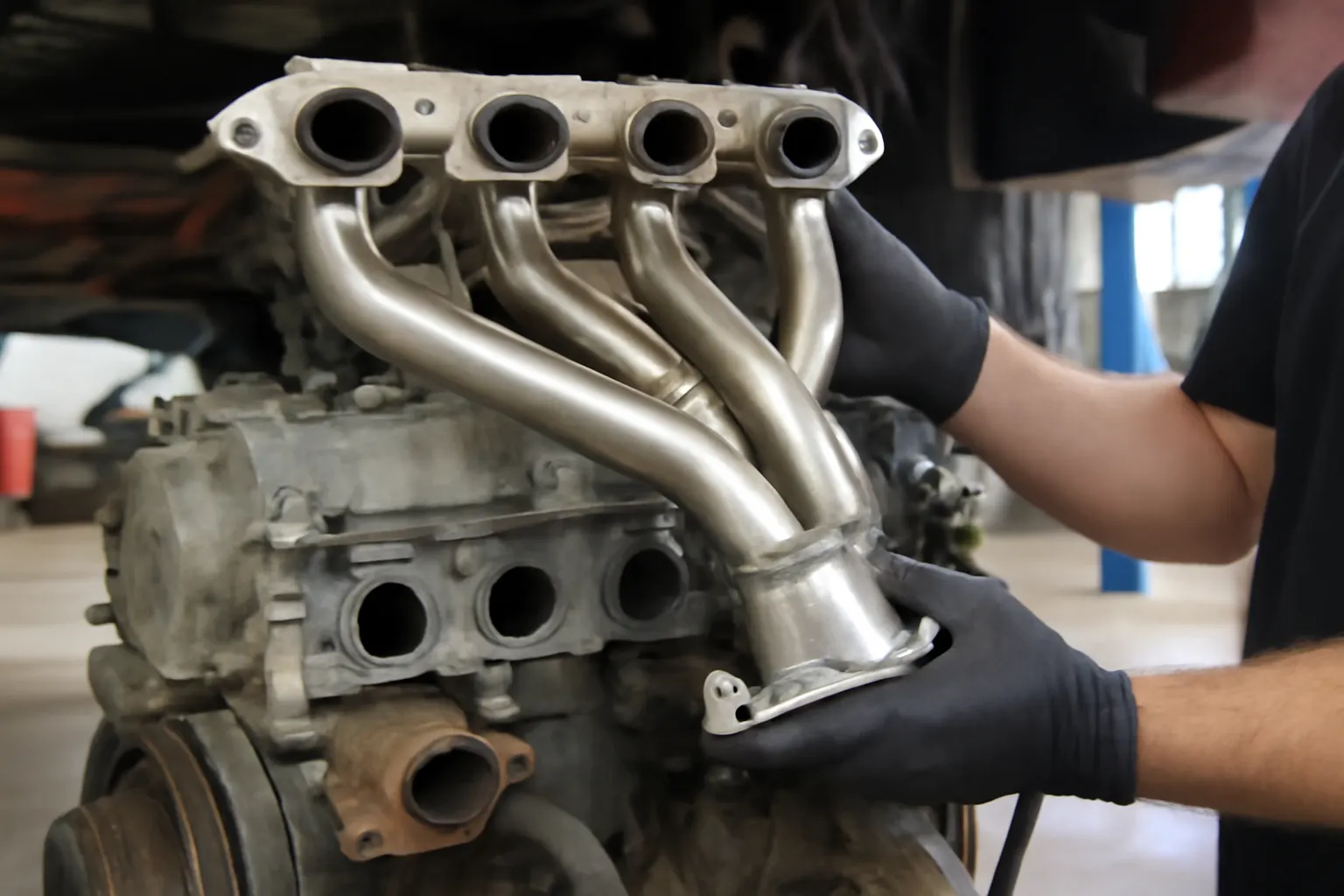
- Exhaust Manifold: Bolted directly to the cylinder head, collects exhaust gases from the engine.
- Manifold Gasket: Seals the connection between the manifold and the engine.
- Front Pipe/Downpipe: Connects the manifold to the catalytic converter.
- Catalytic Converter: Reduces harmful emissions.
- Mid-pipe/Resonator: Reduces noise and smooths exhaust flow.
- Muffler: Further reduces noise.
- Tailpipe: Expels exhaust gases safely behind the vehicle.
Each section is vulnerable to specific types of failure, and the location of a leak or defect directly impacts both symptoms and repair strategy.
Common Toyota Exhaust Failure Symptoms
Recognizing the most frequent symptoms of exhaust problems will help you zero in on the likely culprit. Here’s what to watch for:
1. Unusual Noises
- Ticking at cold start: Often points to a leaking manifold gasket or cracked manifold.
- Loud roaring or hissing: May indicate a hole or break in the exhaust pipe or muffler.
- Metallic rattling: Could be a broken heat shield or loose exhaust hanger.
2. Odors
- Raw exhaust smell in the cabin: Strongly suggests a manifold or front pipe leak.
- Sulfur or rotten egg odor: Usually points to a failing catalytic converter.
3. Performance Issues
- Rough idle or hesitation: Can result from exhaust leaks causing incorrect sensor readings.
- Reduced fuel economy: Leaks before the oxygen sensor can trick the engine into running rich.
4. Warning Lights
- Check engine light (CEL): Codes related to lean conditions (P0171, P0174) or O2 sensor faults may indicate an upstream exhaust leak.
How to Distinguish Manifold Leaks from Downstream Issues
Because so many symptoms overlap, you need a systematic approach to pinpoint the failure location. Here’s a practical step-by-step diagnostic checklist:
Advertisement
Exhaust Leak Diagnostic Checklist
-
Listen at Cold Start
- Ticking or tapping that fades as the engine warms up typically points to a manifold or gasket leak.
-
Visual Inspection
- Use a flashlight to inspect the manifold, gaskets, and nearby pipes for black soot marks, cracks, or missing fasteners.
-
Physical Feel
- With the engine running (and using caution), feel around the manifold and front pipe for escaping hot air. Never touch hot components directly.
-
Soapy Water Test
- Spray soapy water on suspected joints. Bubbles indicate escaping gas.
-
Oxygen Sensor Readings
- Use a scan tool to check O2 sensor voltages. Fluctuations or persistent lean readings can point to upstream leaks.
-
Smell Test
- Strong exhaust smell at the firewall or under the hood strengthens the case for a manifold or front pipe leak.
-
Check for Rust or Corrosion
- Downstream pipes and mufflers are more prone to rust holes, especially in older vehicles or those in salty climates.
This checklist helps you systematically isolate the source of the issue, reducing guesswork and unnecessary part replacements.
Technical Deep Dive: Why Manifold Leaks Cause Unique Issues
Exhaust manifold leaks are particularly problematic in Toyotas for several technical reasons:
- Proximity to Sensors: Many Toyota engines place oxygen sensors immediately after the manifold. Any leak before the sensor allows extra air into the exhaust stream, skewing sensor readings and causing the engine to run poorly.
- Thermal Stress: The manifold endures extreme heat cycling. Over time, this can warp the manifold, crack it, or degrade the gasket.
- Material Fatigue: According to the U.S. Department of Energy, exhaust components are subject to rapid thermal expansion and contraction, which can accelerate material fatigue—especially in cast iron and lower-grade stainless steel manifolds.
Downstream leaks, by contrast, generally do not impact sensor readings but can cause noise, odor, and emissions failures.
Common Toyota Exhaust Manifold Failure Points
Several Toyota models, especially those with inline-four and V6 engines, are known for specific exhaust manifold weaknesses:
- Cracked Cast Iron Manifolds: Common on older 4Runners, Camrys, and Corollas.
- Warped Flange Surfaces: Can cause persistent gasket leaks even after replacement.
- Broken Manifold Studs: Often the result of corrosion or over-tightening.
- Failed Gasket Material: Especially on high-mileage vehicles or those exposed to repeated heat cycling.
For more on materials and construction, see our Toyota Manifold Materials guide.
Downstream Component Failures: Pipes, Catalytic Converters, and Mufflers
While manifold leaks are common, downstream failures also occur, particularly in regions with harsh winters or poor road conditions:
- Rust-Through in Pipes and Mufflers: Salt and moisture cause external corrosion, leading to holes and loud exhaust noise.
- Catalytic Converter Failures: Internal breakdown or clogging can cause rattling noises, loss of power, and emissions codes.
- Resonator and Hanger Failures: Broken hangers or loose resonators can lead to vibration and further pipe strain.
Downstream leaks are typically easier to diagnose visually and are less likely to affect engine performance directly, but they can still cause emissions failures and excessive noise.
How Exhaust Leaks Affect Fuel Efficiency and Engine Performance
Exhaust system integrity is directly tied to your Toyota’s fuel economy and power output. According to the U.S. Department of Energy, exhaust leaks upstream of the oxygen sensors can cause:
- The engine control unit (ECU) to inject more fuel, thinking the engine is running lean
- Reduced catalytic converter efficiency, leading to higher emissions
- Potential overheating of exhaust valves due to improper scavenging
Downstream leaks are less likely to impact fuel economy but can still cause excessive noise, failed inspections, and long-term corrosion issues.
Advertisement
Step-by-Step Toyota Exhaust Leak Diagnostic Procedure
Let’s break down a practical diagnostic process for the home mechanic or technician:
1. Preparation
- Ensure the vehicle is on a level surface and the parking brake is engaged.
- If possible, raise the vehicle for better access to the undercarriage.
2. Initial Listening Test
- Start the engine cold.
- Listen for ticking, hissing, or roaring sounds at the engine bay and along the exhaust path.
3. Visual and Physical Inspection
- Inspect the manifold and front pipe for soot, cracks, or missing bolts.
- Check downstream pipes and muffler for rust holes or visible damage.
4. Smoke or Soapy Water Test
- Use a smoke machine (if available) to pressurize the exhaust and watch for leaks.
- Alternatively, spray soapy water on joints and look for bubbling.
5. Scan Tool Analysis
- Connect an OBD-II scanner.
- Check for codes related to lean conditions, O2 sensor faults, or catalyst inefficiency.
6. Confirm Location
- If the leak is at the manifold or gasket, you’ll often see black carbon traces and feel hot air at the joint.
- Downstream leaks are usually visible as rust holes or separations in pipes/mufflers.
Toyota Exhaust Manifold Replacement and Repair Considerations
If diagnostics confirm a manifold leak, consider the following steps:
- Replacement vs. Repair: Cracked or warped manifolds should be replaced. Minor gasket leaks may be resolved with new gaskets and hardware.
- Material Selection: Choose manifolds constructed from high-grade cast iron or stainless steel for durability. For more, see Toyota Manifold Materials.
- Fitment: Always verify OEM fitment using your VIN or model details. Refer to Toyota Exhaust Manifold Fitment for application-specific guidance.
- Installation: Proper torque sequence and new hardware are essential. Follow detailed steps in Toyota Exhaust Manifold Installation.
- Sensor Reinstallation: Replace any damaged O2 sensors and ensure all wiring is intact.
Preventive Maintenance for Toyota Exhaust Systems
Routine checks can help prevent unexpected exhaust failures:
- Annual Visual Inspection: Check the entire exhaust path for rust, cracks, or missing fasteners.
- Listen for Changes: Pay attention to new noises, especially at startup.
- Monitor Fuel Economy: Sudden drops may indicate an upstream leak.
- Address Warning Lights Promptly: Don’t ignore CELs related to emissions or O2 sensors.
- Use Quality Parts: Always use OEM or high-quality aftermarket components for repairs.
When to Seek Professional Help
While many exhaust issues can be diagnosed and even repaired by experienced DIYers, certain situations warrant professional attention:
- Severely rusted or seized bolts: May require specialized tools or heat to remove.
- Complex sensor faults or emissions codes: Advanced scan tools and experience may be needed to interpret data.
- Catalytic converter replacement: May involve cutting and welding.
- Persistent leaks after repair: Could indicate warped flanges or engine-side issues.
Professional shops can also perform advanced diagnostics, such as smoke testing and backpressure measurement, to confirm elusive leaks.
Toyota Exhaust Part Sourcing: OEM vs. Aftermarket
Choosing the right replacement parts is critical for a lasting repair:
- OEM Parts: Guaranteed fitment, matched materials, and compliance with Toyota engineering standards.
- Aftermarket: May offer cost savings, but quality and fitment can vary. Look for reputable brands with positive reviews.
- Avoid Universal Fits: Unless specified for your model, universal exhaust components often require modification and may not last as long.
Always verify part numbers and compatibility before purchase. For a deeper dive into fitment, see our Toyota Exhaust Manifold Fitment resource.
AutoPartEx: Your Toyota Exhaust Diagnostic and Replacement Partner
At AutoPartEx, we specialize in helping Toyota owners and technicians solve exhaust system problems with confidence. Our technical guides, fitment tools, and curated parts selection ensure that you get the right part the first time—no guesswork, no hassle. Whether you’re tackling a suspected manifold leak or upgrading your entire exhaust, our resources and expert support are here to help.
For the latest technical buying advice and OEM fitment data, visit our Toyota Exhaust Manifold: OEM Fitment, Common Failures, and Technical Buying Guide.
References
Advertisement