
Advertisement
Exhaust Manifold Installation Blog
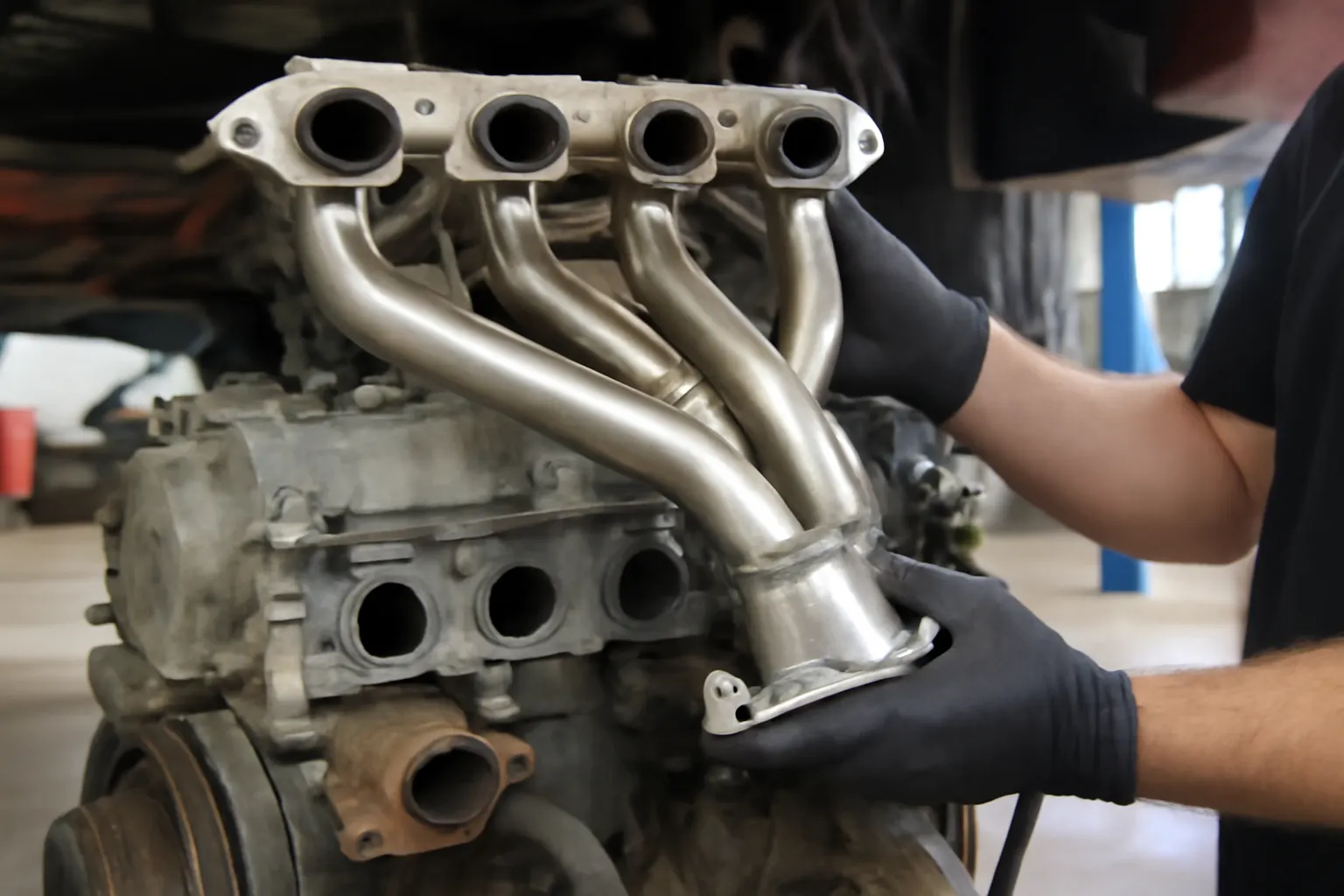
Installing a new exhaust manifold on your Toyota is more than just a bolt-on project—it’s a high-stakes job that directly affects engine performance, fuel efficiency, emissions, and long-term reliability. The difference between a smooth-running engine and a cascade of problems often comes down to the quality and fitment of the manifold you choose. In this comprehensive guide, we’ll explain why OE-grade (Original Equipment-grade) exhaust manifolds matter, what can go wrong with subpar replacements, and how Toyota owners can make informed choices for lasting results. Whether you’re a DIYer, a shop tech, or simply want to understand your vehicle’s needs, this blog is your roadmap to a successful and reliable exhaust manifold installation.
Looking for Toyota-specific fitment details, failure patterns, or sourcing strategies? Don’t miss our Toyota Exhaust Manifold: Genuine Fitment, Failure Patterns, and Sourcing Strategy | AutoPartEx category page for in-depth technical resources.
Why OE-Grade Exhaust Manifolds Matter—The Immediate Answer
OE-grade exhaust manifolds are designed and manufactured to match Toyota’s original specifications for material, geometry, and durability. This precision ensures:
- Seamless fitment with factory gaskets, sensors, and mounting points
- Optimal exhaust flow for engine performance and emissions
- Resistance to cracking, warping, and corrosion over the long haul
Choosing OE-grade or OE-equivalent manifolds eliminates the most common install headaches and protects your investment in your Toyota.
The Hidden Problem: When “Good Enough” Isn’t Enough
It’s tempting to save a few dollars by installing a generic or low-cost aftermarket manifold. However, these units often compromise on:
- Material quality (using cheaper, less heat-resistant alloys)
- Manufacturing tolerances (leading to poor sealing and fitment)
- Compatibility with Toyota’s emissions and sensor systems
The result? Hidden costs in the form of repeated repairs, lost fuel efficiency, engine codes, and even safety or emissions failures. Many Toyota owners only discover these issues after installation—when it’s too late to avoid extra labor and parts expense.
Understanding Exhaust Manifold Failure Patterns in Toyotas
Toyota exhaust manifolds are engineered for durability, but real-world stresses can lead to several predictable failure modes:
1. Cracking and Warping
- Thermal cycling—the rapid heating and cooling during operation—causes expansion and contraction. Inferior alloys or casting methods make manifolds more prone to cracking.
- Warped flanges lead to poor gasket sealing, resulting in exhaust leaks, ticking noises, and even engine bay heat damage.
2. Corrosion and Rust
- Exposure to road salt, moisture, and exhaust gases accelerates rust formation.
- Lower-grade steel or poor surface treatments in aftermarket units can fail within a few seasons, especially in northern climates.
3. Flange and Gasket Failures
- Non-OE manifolds often have imprecise flange geometry, causing uneven clamping and premature gasket blowout.
- Leaks here trigger check engine lights, increased emissions, and loss of power.
4. Sensor Port Misalignment
- Toyota exhaust manifolds incorporate threaded bungs for O2 sensors and EGR fittings.
- Poorly positioned or sized ports in non-OE manifolds can lead to sensor fitment issues, false codes, or compromised emissions control.
For a deeper technical breakdown of failure patterns, see our Toyota Exhaust Manifold Guide.
Material Differences: What Sets OE-Grade Manifolds Apart
The material science behind exhaust manifolds is critical for reliable performance. OE-grade Toyota manifolds typically use:
- High-silicon ductile cast iron or stainless steel alloys engineered for high heat and corrosion resistance.
- Rigorous casting and machining standards for consistent wall thickness and smooth internal passages.
In contrast, many low-cost aftermarket manifolds use:
- Lower-grade cast iron with less silicon or no alloying, increasing brittleness and susceptibility to cracking.
- Mild steel with basic coatings, offering minimal corrosion resistance.
According to the U.S. Department of Energy’s Materials Technologies, advanced materials contribute directly to durability, safety, and efficiency in automotive components. Skimping on manifold material is a shortcut that can quickly backfire.
Advertisement
The Fitment Risk: Why Precision Matters for Toyota Owners
OE-grade manifolds are engineered to match Toyota’s exact mounting points, gasket surfaces, and accessory locations. Poor fitment creates a cascade of problems:
- Misaligned mounting holes make installation difficult or impossible without modification.
- Improper gasket seating leads to leaks, noise, and emissions failures.
- Sensor port misplacement causes check engine lights and drivability issues.
A survey of NHTSA equipment complaints shows that improper fitment is a leading cause of exhaust-related recalls and service bulletins. Even a millimeter of misalignment can mean the difference between a lasting repair and a recurring headache (NHTSA Vehicle Safety and Equipment).
Diagnosing Exhaust Manifold Problems on Your Toyota
Before replacing your Toyota’s exhaust manifold, confirm the need for replacement by performing a systematic diagnosis:
Visual Inspection
- Look for visible cracks, rust-through, or broken flange ears.
- Inspect gaskets for black soot trails—a sign of exhaust leaks.
- Check for missing or damaged heat shields.
Auditory Cues
- Listen for ticking or tapping noises on cold start—often a sign of a cracked manifold or leaking gasket.
- Hissing or puffing sounds from the engine bay can indicate an exhaust leak.
Performance Symptoms
- Loss of power, sluggish acceleration, or poor fuel economy.
- Illumination of the check engine light, often with O2 sensor or EGR-related codes.
Emissions Testing
- Failed emissions inspection due to high CO/HC readings or catalyst efficiency codes.
- Visible exhaust leaks can sometimes be detected with a smoke machine.
For advanced diagnostic strategies, see our Toyota Emissions System Diagnostics guide.
Installation Checklist: Getting It Right the First Time
Proper exhaust manifold installation is critical for long-term reliability. Use this checklist to avoid common pitfalls:
Exhaust Manifold Installation Checklist for Toyota
-
Verify Part Number and Fitment
- Confirm the manifold matches your Toyota’s engine code and model year.
- Cross-check OE numbers; beware of “one size fits all” claims.
-
Inspect Replacement Manifold
- Check for casting defects, proper flange thickness, and smooth gasket surfaces.
- Ensure all sensor ports are correctly threaded and positioned.
-
Prepare the Engine
- Allow engine to cool fully before removal.
- Soak bolts with penetrating oil to prevent breakage.
-
Remove Old Manifold
- Disconnect O2 sensors and EGR fittings before unbolting.
- Remove heat shields and retain all fasteners.
-
Clean Mating Surfaces
- Scrape away old gasket material; inspect for warping.
- Clean threads and chase with a tap if necessary.
-
Install New Gaskets and Manifold
- Use new OE-grade gaskets—never reuse old ones.
- Torque bolts in the manufacturer’s specified sequence and stages.
-
Reconnect Sensors and Accessories
- Install O2 sensors with anti-seize compound (if specified).
- Reattach heat shields and EGR pipes.
-
Double-Check All Connections
- Visually inspect for gaps, missing bolts, or misaligned flanges.
-
Start Engine and Inspect for Leaks
- Listen and feel for leaks at all joints.
- Check for check engine lights or abnormal noises.
-
Re-Torque After Heat Cycling
- After the engine has run through a full heat cycle, re-torque manifold bolts as required.
The Role of Exhaust Manifolds in Fuel Efficiency and Emissions
Exhaust manifolds do more than route gases—they directly impact engine efficiency and emissions control. Here’s how:
- Efficient gas evacuation reduces backpressure, allowing the engine to “breathe” better and burn fuel more completely.
- Properly sealed manifolds ensure accurate O2 sensor readings, which are critical for fuel injection management and emissions compliance.
- Thermal management via correct materials and shielding protects nearby engine components and sensors from heat damage.
According to the U.S. Department of Energy’s Fuel Efficiency research, exhaust system integrity is a key factor in maximizing MPG and minimizing emissions. An improperly installed or failing manifold can reduce fuel economy and lead to failed emissions tests.
Advertisement
Common Pitfalls in Aftermarket Exhaust Manifold Sourcing
Toyota owners face a crowded marketplace when sourcing replacement manifolds. Here are the most common mistakes:
1. Chasing the Lowest Price
- Bargain manifolds often cut corners on alloy content, port geometry, and surface finishing.
- “Universal” fitments rarely deliver true bolt-on compatibility for Toyotas.
2. Overlooking Supersession and Model Updates
- Toyota frequently updates part numbers and supersedes older designs to fix known issues.
- Installing an outdated or incorrect supersession can create new problems. See our Toyota Manifold Supersession article for details.
3. Ignoring Sensor and Emissions Compatibility
- California and federal emissions packages may require different manifold configurations.
- Incorrect sensor port sizes or locations can trigger persistent check engine lights.
4. Failing to Verify Supplier Quality
- Stick with reputable brands or OE suppliers with a history of reliable Toyota fitment.
- Research reviews and look for certifications or compliance with industry standards (such as SAE Standards).
The Long-Term Reliability Equation: OE vs. Aftermarket
While some high-quality aftermarket manifolds rival OE performance, many do not. The long-term equation comes down to:
- Material longevity—OE-grade alloys resist fatigue, cracking, and corrosion.
- Dimensional stability—Precision castings maintain gasket seal and sensor alignment over years of thermal cycling.
- Warranty and support—OE and top-tier aftermarket brands back their products with robust warranties and technical support.
Cut-rate manifolds may cost less upfront but often result in higher total cost of ownership due to premature failure, repeated labor, and collateral damage to sensors or gaskets.
Maintenance Tips for Extending Manifold Life
Proper care can extend the lifespan of your Toyota exhaust manifold, whether OE or high-quality aftermarket:
- Inspect periodically for signs of cracking, rust, and gasket leaks—especially after harsh winter seasons or long road trips.
- Replace failed gaskets and hardware promptly to prevent exhaust leaks from damaging the manifold or cylinder head.
- Keep sensors and EGR fittings clean; stuck or cross-threaded sensors can stress the manifold.
- Avoid excessive idling or short trips that promote condensation and internal corrosion.
If you live in a high-salt region, consider applying high-temperature coatings or wraps to exposed manifold surfaces for added protection.
Expert Solution Path: How to Source and Install the Right Manifold
AutoPartEx recommends the following expert approach for Toyota exhaust manifold replacement:
- Research your exact engine code and emissions package to ensure correct part selection.
- Choose OE or OE-grade aftermarket manifolds from trusted suppliers with proven Toyota fitment.
- Follow a meticulous installation process—use new gaskets, torque bolts correctly, and double-check all sensor ports.
- Document the installation with photos or notes for future reference or warranty claims.
- Monitor for post-installation issues such as leaks, noises, or check engine lights—and address them promptly.
For Toyota-specific sourcing strategies and technical insights, start with our Toyota Exhaust Manifold: Genuine Fitment, Failure Patterns, and Sourcing Strategy | AutoPartEx resource hub.
AutoPartEx Position: Your Partner in Toyota Exhaust Solutions
At AutoPartEx, our mission is to help Toyota owners and technicians make informed, confident decisions about exhaust manifold sourcing and installation. We combine verified technical data, real-world fitment experience, and up-to-date part supersession tracking to ensure every repair is a success. Our curated catalog, installation guides, and diagnostic resources are designed to demystify the process and eliminate costly guesswork.
Explore our full Toyota Exhaust Manifold Guide for deeper technical dives, or connect with our technical support team for personalized fitment and diagnostic assistance.
Conclusion: Protect Your Toyota with the Right Exhaust Manifold Strategy
The exhaust manifold may be out of sight, but it should never be out of mind. The right OE-grade manifold, installed with care and attention to detail, is essential for preserving your Toyota’s performance, efficiency, and emissions integrity. Avoid the pitfalls of generic replacements and invest in quality fitment—your engine, wallet, and the environment will thank you.
References
Advertisement
