Advertisement
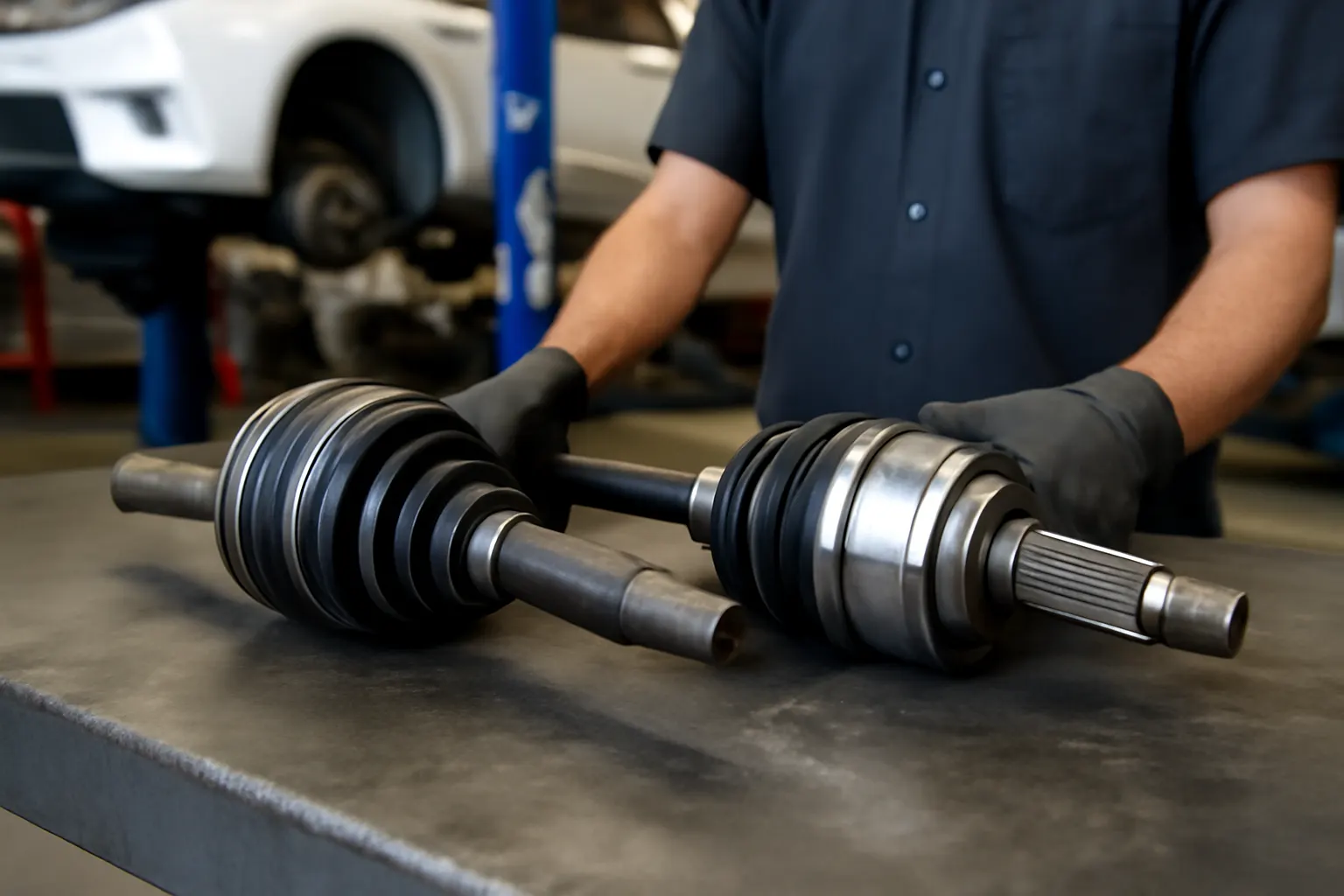
Toyota front axle shafts are foundational components in the brand's reputation for reliability, but even these robust parts can fail under real-world conditions. This AutoPartEx case study collection distills field reports from professional technicians, highlighting the most frequent axle shaft issues, diagnostics, and successful repairs across Toyota generations. Whether you’re a DIY owner, a fleet manager, or a seasoned technician, these real-world examples will help you recognize symptoms, avoid hidden pitfalls, and apply proven solutions for Toyota axle shaft service. For comprehensive fitment and sourcing guidance, see our Toyota Front Axle Shaft: OEM Fitment, Diagnostics & Sourcing Guide.
The Immediate Answer: What Breaks, Why, and How to Fix It
Axle shaft failures in Toyota vehicles most commonly result from high mileage, severe off-road use, improper installation, or material fatigue. Technicians report symptoms such as clicking noises on turns, vibration under load, leaking axle seals, and visible boot damage. The solution path typically involves thorough diagnostics, selecting the correct OEM or high-quality aftermarket replacement, and following precise installation procedures to restore safety and performance. Catching axle shaft issues early can prevent collateral damage to bearings, differentials, and other drivetrain components.
The Hidden Problem: Overlooked Causes and Collateral Damage
While worn CV joints and torn boots are well-known culprits, technician case studies reveal a pattern of overlooked root causes. Improper torque during installation, use of incompatible aftermarket parts, and neglecting to replace companion seals or bearings can lead to premature failure—even after a new shaft is installed. In some cases, substandard materials or counterfeit parts masquerading as OEM have caused catastrophic failures, resulting in additional repairs and safety risks. For more on identifying authentic components, see our Toyota Axle Shaft Authenticity Check.
Deeper Technical Explanation: Anatomy of a Toyota Front Axle Shaft Failure
Common Failure Modes Across Generations
Toyota front axle shafts, particularly those in 4WD trucks and SUVs, are subjected to significant torsional and bending stresses. Field reports cluster failures into several categories:
- CV Joint Wear: Typically manifests as clicking or popping during tight turns. This is most common in high-mileage or lifted vehicles.
- Boot Rupture: Leads to grease loss and subsequent CV joint degradation.
- Shaft Fatigue: Cracks or complete breakage can occur after years of cyclic loading, especially in vehicles used for towing or frequent off-road driving.
- Seal Failure: Allows dirt and water ingress, accelerating internal wear and risking differential contamination.
Material and Design Factors
Toyota axle shafts are engineered with high-strength steel alloys and precision heat treatments, as outlined in Toyota Axle Shaft Materials And Design. However, aftermarket parts may lack equivalent metallurgy or geometry, leading to reduced service life. Material fatigue, improper surface hardening, or subpar boot materials are frequent contributors to premature failures noted in technician service logs.
Case Study 1: 2006 Toyota Tacoma – CV Joint Clicking and Boot Failure
Symptoms: Customer reports rhythmic clicking on full left turns and visible grease splatter on the inside of the wheel.
Diagnostic Process:
- Visual inspection confirmed a torn outer CV boot.
- Grease loss evident, with dirt ingress visible inside the boot.
- No other drivetrain noises or warning lights.
Repair Approach:
- Removed axle shaft and inspected CV joint: moderate pitting and wear.
- Replaced entire axle shaft assembly with OEM unit.
- Installed new axle seal and torqued all fasteners to manufacturer specifications.
Outcome: Test drive confirmed elimination of noise. No further leaks or drivability issues after 5,000 miles.
Case Study 2: 2012 Toyota 4Runner – Vibration Under Acceleration
Symptoms: Owner noticed a shudder and vibration during acceleration, especially at highway speeds.
Diagnostic Process:
- Checked tire balance and suspension: all within spec.
- Inspected front axle shafts for play; found excessive axial movement and minor CV joint slop.
- Noted previous replacement with an aftermarket shaft of unknown origin.
Advertisement
Repair Approach:
- Replaced both front axle shafts with verified OEM parts.
- Replaced axle seals and replenished differential fluid.
- Test drove vehicle under load and at highway speed.
Outcome: Vibration eliminated, confirming root cause in the axle shaft assembly. The defective aftermarket shaft was visibly lighter and had inferior boot material compared to OEM.
Case Study 3: 1998 Toyota Land Cruiser – Off-Road Failure and Differential Contamination
Symptoms: After an aggressive off-road excursion, owner reported grinding noise and loss of 4WD engagement.
Diagnostic Process:
- Inspected axle shaft: severe twist deformation and fractured CV joint.
- Differential oil contaminated with metallic debris and water.
- Noted previous installation of a lift kit and oversized tires.
Repair Approach:
- Full replacement of front axle shaft and inner/outer bearings.
- Differential cleaned and refilled with fresh fluid.
- Upgraded to heavy-duty OEM shaft rated for off-road use.
- Replaced all seals and checked fitment per Toyota Front Axle Shaft Fitment Guide.
Outcome: Restored 4WD engagement and eliminated noise. Owner advised on proper lift kit geometry and periodic inspection intervals.
Diagnostic Checklist: Pinpointing Toyota Axle Shaft Issues
A structured diagnostic approach is essential to avoid misdiagnosis and unnecessary repairs. Use this checklist during service:
Visual Inspection
- Check for torn or leaking CV boots (grease splatter, cracks, or holes).
- Inspect for shaft surface rust, pitting, or bends.
- Look for signs of seal leakage at differential and hub interfaces.
Functional Testing
- Listen for clicking or popping sounds during low-speed turns.
- Test for vibrations or shudder under acceleration and deceleration.
- Check for play in the shaft by manually moving the CV joint and inner shaft.
Component Comparison
- Compare suspect shaft to OEM specifications for length, spline count, and boot design.
- Visually inspect for signs of inferior materials or construction in aftermarket parts.
Companion Component Check
- Inspect axle seals, hub bearings, and differential fluid for contamination.
- Assess for collateral damage, especially after catastrophic failure events.
Sourcing the Right Toyota Axle Shaft: OEM vs Aftermarket
OEM Advantages
Technician case studies consistently demonstrate superior durability and fitment with genuine Toyota axle shafts. OEM parts are manufactured to strict tolerances and material standards, as validated by SAE Standards and NHTSA requirements. They also ensure compatibility with companion seals, bearings, and ABS tone rings.
Aftermarket Pitfalls
While quality aftermarket options exist, field reports warn of the following risks:
-
Inconsistent metallurgy, leading to premature fatigue.
-
Incorrect spline counts or shaft lengths, resulting in fitment issues.
-
Inferior boot materials that crack or split in extreme temperatures.
-
Lack of proper ABS ring integration, causing sensor faults.
For guidance on identifying authentic Toyota axle shafts and avoiding counterfeits, refer to our Toyota Axle Shaft Authenticity Check.
Installation Insights: Technician-Proven Best Practices
Preparation
- Clean all mating surfaces and inspect for burrs or corrosion.
- Use new axle seals and, if required, new hub bearings.
- Verify part number and visual match with removed shaft.
Installation Steps
- Insert the new axle shaft carefully to avoid damaging seals.
- Torque axle nut and companion fasteners to Toyota specifications.
- Refill differential fluid if any was lost during service.
- Perform a short test drive, checking for leaks, noises, or warning lights.
Common Pitfalls
- Failing to torque axle nuts properly can cause shaft movement and premature wear.
- Reusing worn seals may lead to leaks and contamination.
- Neglecting to check ABS ring alignment can trigger traction control or ABS faults.
Maintenance Strategies: Extending Axle Shaft Service Life
Proactive maintenance is key to extending the life of Toyota axle shafts, particularly for vehicles exposed to off-road, towing, or harsh climates.
Scheduled Inspections
- Inspect CV boots for cracks, splits, or grease leaks at every oil change.
- Check for unusual noises during turns or acceleration.
- Monitor differential fluid levels and condition.
Advertisement
Early Intervention
- Replace boots at the first sign of damage to prevent internal CV joint wear.
- Address vibrations or clicking noises promptly to avoid collateral damage.
Environmental Considerations
- For vehicles exposed to salt, mud, or water crossings, clean undercarriage regularly and inspect boots and seals more frequently.
The Impact of Materials and Technology on Service Outcomes
Toyota’s use of advanced materials and manufacturing processes contributes directly to axle shaft longevity and performance. According to the United States Department of Energy’s Materials Technologies program, high-strength steels and precision heat treatments are critical for resisting fatigue and impact loads. Technicians note that OEM shafts maintain their structural integrity under demanding conditions far better than generic replacements.
Aftermarket shafts that cut corners on material selection or omit proper heat treatment are implicated in numerous premature failures. Technicians emphasize the importance of verifying both the source and the engineering pedigree of any replacement shaft.
Fuel Efficiency and Drivetrain Integrity
Axle shaft condition has a direct impact on overall drivetrain efficiency and vehicle fuel economy. According to the United States Department of Energy’s Fuel Efficiency guidelines, drivetrain losses can significantly affect MPG, especially in AWD and 4WD vehicles. Technician case studies reveal:
- Worn or binding CV joints increase rolling resistance, reducing fuel efficiency.
- Damaged boots allow contaminants into the joint, increasing friction and energy loss.
- Properly installed and maintained axle shafts restore optimal drivetrain performance and MPG.
Safety Consequences: What Happens If Axle Shaft Issues Are Ignored
Ignoring axle shaft symptoms can have serious safety ramifications. The National Highway Traffic Safety Administration highlights the role of axle integrity in vehicle handling and crash avoidance. Technician field reports document:
- Complete shaft failure can lead to loss of drive power, especially in critical situations.
- Broken shafts may damage brake lines, suspension components, or ABS wiring.
- In worst-case scenarios, wheel detachment or loss of vehicle control is possible.
Early detection and replacement of compromised axle shafts are essential to maintaining Toyota’s high safety standards.
Lessons Learned: Technician Recommendations for Toyota Owners
Drawing from dozens of field service reports, the following recommendations consistently emerge:
- Prioritize OEM or trusted aftermarket brands for axle shaft replacements.
- Never ignore early warning signs such as clicking, vibration, or grease leaks.
- Replace companion components (seals, bearings) during axle shaft service to prevent repeat failures.
- Verify fitment using manufacturer part numbers and detailed guides like our Toyota Front Axle Shaft Fitment Guide.
- Document all service actions for future reference and warranty tracking.
AutoPartEx Positioning: Your Toyota Axle Shaft Service Resource
At AutoPartEx, we combine decades of technician field experience with rigorous engineering analysis to bring you the most reliable guidance on Toyota axle shaft service. Our service case studies reflect real-world conditions—urban, off-road, and fleet environments—providing practical insights you won’t find in generic repair manuals.
Whether you’re sourcing OEM parts, troubleshooting a persistent vibration, or planning a preventative maintenance schedule, our editorial resources and fitment guides are designed to keep your Toyota performing at its best. For a complete overview of Toyota axle shaft fitment and diagnostics, visit our Toyota Front Axle Shaft: OEM Fitment, Diagnostics & Sourcing Guide.
Conclusion: Applying the Lessons from the Field
Toyota axle shaft failures, while uncommon compared to many competitors, do occur—especially as vehicles age or are subjected to severe use. The key to successful service lies in early detection, accurate diagnosis, and the use of high-quality components. Technician case studies reinforce the importance of material quality, precise installation, and comprehensive inspection of related parts.
Owners and technicians alike benefit from a methodical approach—leveraging checklists, authentic parts, and up-to-date fitment information. By following the proven strategies outlined in these case studies, you can maximize safety, performance, and value from your Toyota’s front axle shaft system for years to come.
References
Advertisement