Top 10 Interior Upgrades for Comfort and Value
Upgrading your vehicle’s interior can transform daily drives, boost resale value, and make every journey more enjoyable. Whether you’re restoring a classic or modernizing a daily driver, the right upgrades deliver both immediate comfort and long-term value. In this comprehensive guide, we break down the top 10 most impactful interior upgrades—ranging from advanced materials to integrated electronics—so you can choose the best enhancements for your needs. For a deeper dive into full cabin restoration, see our Interior Complete: The Ultimate Guide to Full Vehicle Cabin Restoration and Upgrades.
Why Interior Upgrades Matter More Than Ever
While exterior modifications often steal the spotlight, the cabin is where drivers and passengers spend their time. Modern vehicles increasingly rely on integrated electronics, advanced materials, and ergonomic design to provide comfort, connectivity, and safety. However, even well-maintained interiors can quickly feel outdated or uncomfortable due to wear, evolving technology, or changing safety standards.
The Hidden Problem: Diminishing Comfort, Value, and Safety
Many vehicle owners overlook subtle but critical signs of interior decline: sagging seats, faded plastics, outdated infotainment, and malfunctioning climate controls. These issues can detract from the driving experience, reduce resale value, and, in some cases, compromise safety. Furthermore, as vehicles age, the original interior components may no longer meet current standards for materials, safety, or efficiency, as outlined by the National Highway Traffic Safety Administration (NHTSA) and SAE International.
Expanding the Problem: Material Degradation, Obsolete Technology, and Cabin Fatigue
Let’s examine why these issues are so common:
- Material Degradation: UV exposure, temperature swings, and everyday use break down plastics, leathers, foams, and textiles. According to the U.S. Department of Energy, even advanced materials require maintenance or eventual replacement to retain their properties.
- Obsolete Technology: Integrated electronics—once cutting-edge—can quickly become outdated. Navigation, audio, and climate systems from just a decade ago often lack modern features or connectivity.
- Cabin Fatigue: Ergonomics and comfort evolve. Older seat designs, minimal sound insulation, and insufficient climate controls lead to driver fatigue and discomfort, especially on long trips.
These factors combine to make interior upgrades not just an aesthetic choice, but a practical investment in comfort, safety, and value.
The Solution Path: Strategic Upgrades for Maximum Impact
The most rewarding upgrades blend advanced materials, modern technology, and ergonomic design with proper installation and maintenance. The following top 10 upgrades are prioritized for their impact on comfort, usability, safety, and long-term value. Each section includes practical guidance on selection, installation, and maintenance.
1. Premium Seat Upgrades: Comfort and Support
Why Upgrade Your Seats?
Seats are the foundation of interior comfort. Over time, factory foam compresses, upholstery fades, and support structures weaken. Upgrading to premium seats or reupholstering with advanced materials—such as memory foam, high-density polyurethane, or ventilated leather—can dramatically improve long-distance comfort and reduce fatigue.
Technical Considerations
- Materials: Modern seat foams and covers are designed for durability, breathability, and support. The Materials Technologies program highlights the importance of advanced composites and textiles for weight reduction and performance.
- Ergonomics: Upgraded seats often feature adjustable lumbar support, side bolsters, and heating/cooling elements.
- Safety: Ensure compatibility with seat-mounted airbags, sensors, and seatbelt pre-tensioners.
Installation and Maintenance Tips
- Choose seats or upholstery kits that match your vehicle’s mounting points and electronics.
- Use professional installation for vehicles with integrated airbags or seat sensors.
- Regularly clean and condition leather or textile surfaces to prevent premature wear.
2. Advanced Sound Deadening: Serenity on the Road
The Value of Cabin Quietness
Sound deadening upgrades—such as mass-loaded vinyl, closed-cell foam, and specialized mats—reduce road, engine, and wind noise. This not only enhances comfort but also improves audio system clarity and reduces fatigue.
Technical Insights
- Materials: Look for butyl-based mats and foam liners with high sound absorption ratings.
- Application Areas: Floor pans, doors, firewall, and roof panels are the primary targets.
- Weight Considerations: Modern materials offer high performance with minimal weight penalty (see DOE Materials Technologies).
Installation Checklist
- Remove interior trim panels and thoroughly clean surfaces before application.
- Use a roller to ensure full adhesion and eliminate air pockets.
- Reinstall trim carefully to avoid rattles or misaligned panels.
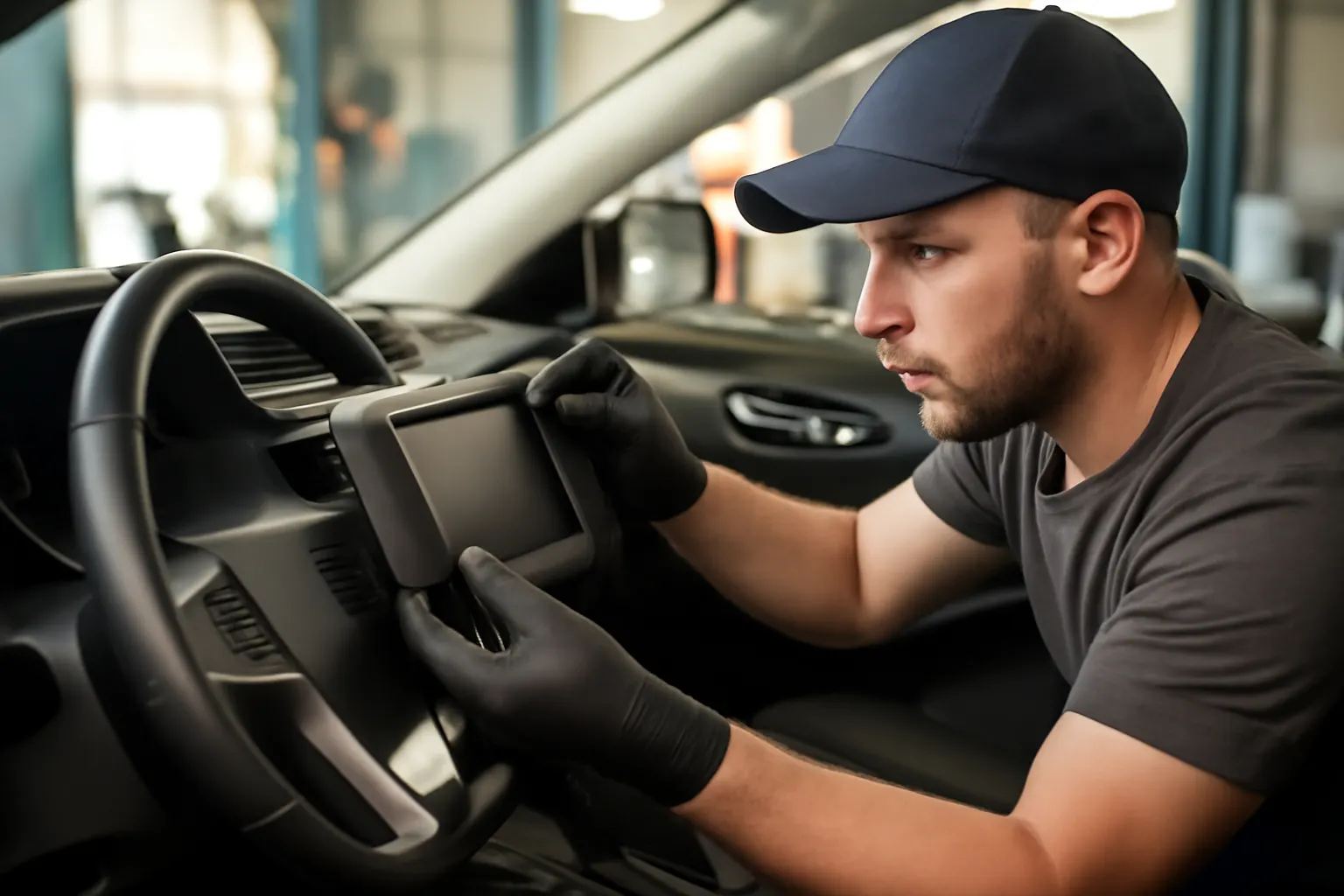
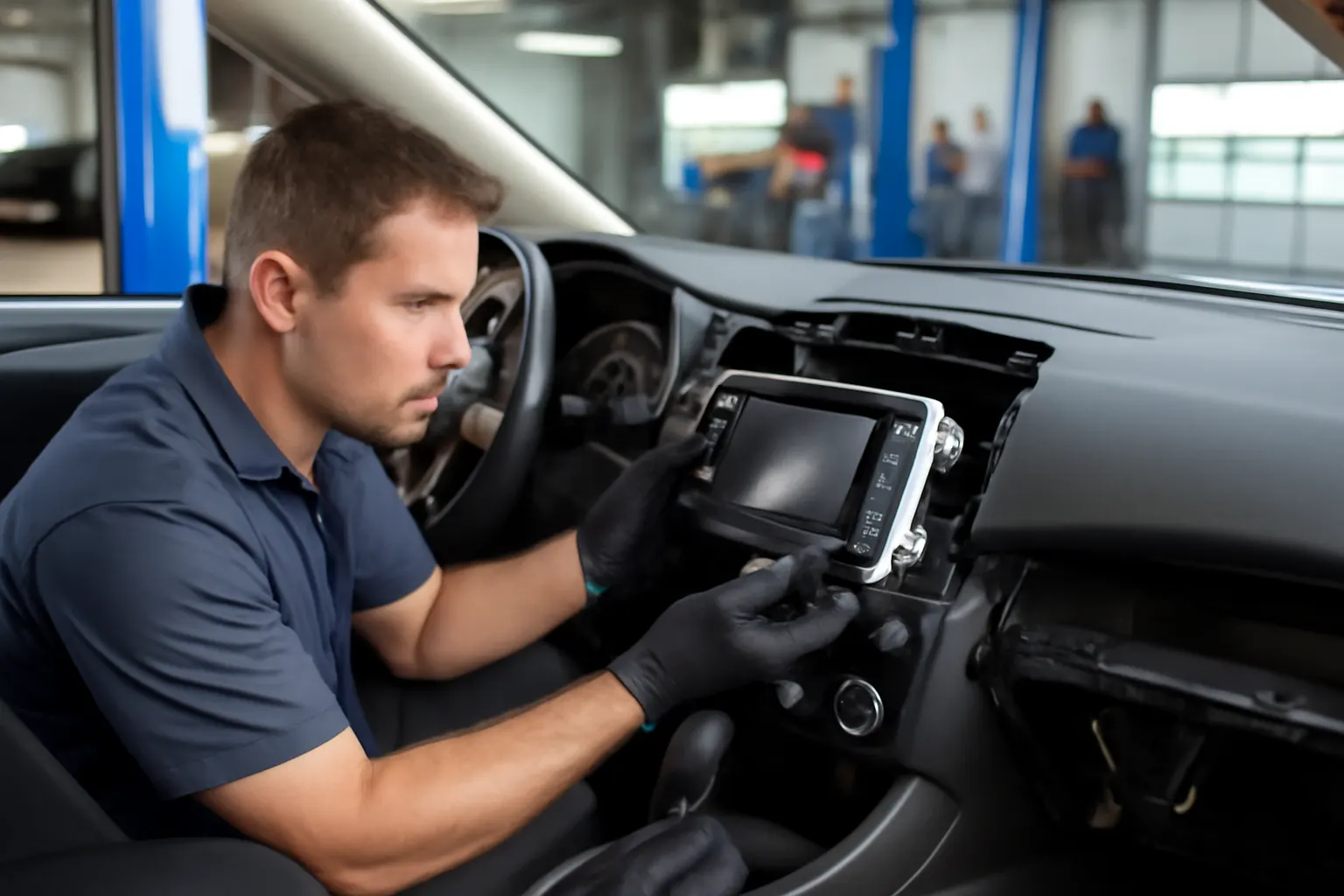
3. Upgraded Infotainment Systems: Connectivity and Convenience
Why Modernize Your Electronics?
Factory head units and speakers can quickly become obsolete, lacking features like Bluetooth, Apple CarPlay/Android Auto, and navigation. Upgrading your infotainment system unlocks modern connectivity, hands-free operation, and superior audio quality.
Technical Breakdown
- Head Units: Double-DIN touchscreens with integrated apps are now standard in most upgrades.
- Speakers and Amplifiers: Component speakers and digital amplifiers deliver richer, distortion-free sound.
- Integration: Ensure compatibility with steering wheel controls, backup cameras, and OEM wiring.
Installation and Buying Guidance
- Research dash kits and wiring harnesses specific to your make/model.
- Consider professional installation for complex integrations.
- Update firmware and maps regularly for optimal performance.
4. Climate Control Enhancements: Year-Round Comfort
The Role of HVAC Upgrades
A fully functional HVAC system is essential for comfort and safety. Upgrades can include high-output blowers, automatic climate control modules, and advanced filtration.
Technical Focus
- AC System Upgrades: Replace worn AC Compressors, condensers, and fans for optimal cooling.
- Cabin Air Filtration: HEPA or activated carbon filters improve air quality.
- Controls: Modern digital climate controls offer precise temperature regulation.
Maintenance Tips
- Inspect and replace cabin air filters every 12,000–15,000 miles.
- Check refrigerant levels and system pressures annually.
- Address HVAC electrical faults promptly—see Diagnosing Interior Electrical Faults.
5. Steering Wheel and Control Upgrades: Tactile Refinement
Why Replace or Refurbish the Steering Wheel?
The steering wheel is your primary touchpoint with the vehicle. Upgrading to a leather-wrapped, heated, or multi-function wheel enhances both comfort and control.
Technical Considerations
- Materials: Opt for high-grade leather, Alcantara, or polyurethane for durability.
- Controls: Integrated audio, cruise, and phone controls improve usability.
- Safety: Ensure compatibility with airbag modules and electronic controls.
Installation Guidance
- Disconnect battery before removal to avoid airbag deployment.
- Use manufacturer-specific pullers and torque specs.
- Program electronic controls as needed.
6. Custom Interior Lighting: Ambiance and Functionality
The Impact of Lighting Upgrades
LED ambient lighting, footwell lights, and upgraded dome/map lights improve visibility, safety, and cabin ambiance.
Technical Details
- LED Technology: Modern LEDs offer long life, low heat, and customizable colors.
- Integration: Many systems sync with infotainment or door functions.
- Safety Compliance: Use DOT-approved lights for critical functions.
Installation and Maintenance
- Use plug-and-play kits for most applications.
- Secure wiring to avoid rattles or electrical shorts.
- Replace bulbs with matching color temperatures for uniformity.
7. Premium Floor Mats and Cargo Liners: Protection and Style
Why Invest in Quality Mats?
Floor mats and cargo liners protect against dirt, moisture, and wear, preserving underlying carpets and resale value.
Technical Considerations
- Materials: Thermoplastic elastomers (TPE), rubber, and heavy-duty carpet offer superior durability and fit.
- Coverage: Custom-fit liners provide edge-to-edge protection, including raised edges to contain spills.
- Maintenance: Easy removal and cleaning extend service life.
Buying and Care Tips
- Choose mats designed for your vehicle’s floor contours.
- Regularly remove and wash to prevent buildup of debris or mold.
- Inspect for wear or cracks annually.
8. Interior Trim and Panel Upgrades: Modern Materials, OEM Fit
The Case for Trim Replacement
Scratched, faded, or broken trim panels diminish interior appearance and function. Upgrading with modern materials—such as carbon fiber, brushed aluminum, or soft-touch plastics—restores a premium feel.
Technical Insights
- Material Advances: Modern trim materials are lighter, more durable, and UV-resistant (see DOE Materials Technologies).
- Fit and Finish: OEM-style replacements ensure seamless integration.
- Customization: Choose finishes that complement your interior color scheme.
Installation Checklist
- Use trim removal tools to avoid damaging clips or panels.
- Align panels carefully to maintain consistent gaps.
- Reference Preserving OEM Fit and Finish in Interior Projects for expert guidance.
9. Upgraded Interior Storage Solutions: Organization and Accessibility
Why Enhance Storage?
Modern storage upgrades—such as modular consoles, seat-back organizers, and under-seat drawers—improve usability and reduce clutter.
Technical Considerations
- Materials: Durable plastics, reinforced fabrics, and anti-slip surfaces improve longevity.
- Integration: Custom solutions fit seamlessly without interfering with airbags or seat movement.
- Security: Lockable compartments add theft deterrence.
Installation and Selection Tips
- Measure available space and check for interference with seat travel or electronics.
- Select products rated for automotive use to ensure durability.
- Secure organizers to prevent shifting during driving.
10. Safety and Driver Assistance Upgrades: Modern Protection
The Importance of Upgrading Safety Equipment
Interior safety upgrades—such as side curtain airbags, advanced seatbelt systems, and driver assistance displays—bring older vehicles closer to modern safety standards.
Technical Focus
- Safety Equipment: Airbag modules, seatbelt pre-tensioners, and head restraints should meet NHTSA equipment standards.
- Driver Assistance: Blind-spot monitors, lane departure alerts, and backup cameras can often be retrofitted to compatible vehicles.
- Diagnostics: Use OEM diagnostic tools to verify system operation after upgrades.
Installation and Maintenance
- Follow manufacturer instructions and torque specs for all safety-critical components.
- Test all systems post-installation using appropriate diagnostic tools.
- Regularly inspect seatbelt webbing and anchorages for wear.
Diagnostic and Sourcing Checklist for Interior Upgrades
Before starting any upgrade project, use this checklist to ensure a smooth process:
| Step | Action Item | Details |
|---|---|---|
| 1 | Assess Current Condition | Inspect seats, trim, electronics, HVAC, and safety features for wear or malfunction. |
| 2 | Define Upgrade Goals | Prioritize comfort, technology, aesthetics, or safety based on your needs. |
| 3 | Research Compatibility | Confirm fitment for your vehicle’s year, make, and model. |
| 4 | Source Quality Parts | Use reputable suppliers and check for OEM or certified aftermarket options. |
| 5 | Plan Installation | Determine which upgrades are DIY-friendly and which require professional help. |
| 6 | Verify Safety Compliance | Ensure all upgrades meet or exceed NHTSA standards. |
| 7 | Maintain Records | Document upgrades for future maintenance or resale value. |
Installation and Maintenance Best Practices
Getting the Most from Your Upgrades
- Professional Installation: For critical systems (airbags, HVAC, infotainment), professional installation ensures safety and proper function.
- Regular Maintenance: Clean, inspect, and service upgraded components as recommended.
- Documentation: Keep receipts, manuals, and maintenance logs for all upgrades.
Troubleshooting Common Issues
- Electrical Faults: Use a multimeter and wiring diagrams to diagnose issues—see Diagnosing Interior Electrical Faults.
- Fitment Problems: Double-check part numbers and consult Interior Complete: The Ultimate Guide to Full Vehicle Cabin Restoration and Upgrades for compatibility guidance.
- Noise or Rattles: Reinstall trim panels and secure wiring to eliminate unwanted sounds.
Maximizing Comfort and Value: The AutoPartEx Approach
At AutoPartEx, we believe that a well-upgraded interior is the key to a rewarding and enjoyable driving experience. Our curated selection of interior components, technical guides, and fitment resources empower you to achieve professional-grade results—whether you’re restoring a classic or modernizing your daily driver. For a complete restoration roadmap, explore our How to Restore a Complete Vehicle Interior and browse our extensive Interior Complete catalog.
Expert Call to Action: Plan Your Interior Transformation
Ready to upgrade your cabin for maximum comfort, safety, and value? Start by evaluating your current interior, prioritizing upgrades based on your needs, and sourcing high-quality components from trusted suppliers. For technical support, fitment advice, or project planning, AutoPartEx offers expert resources and a knowledgeable community to guide your journey.