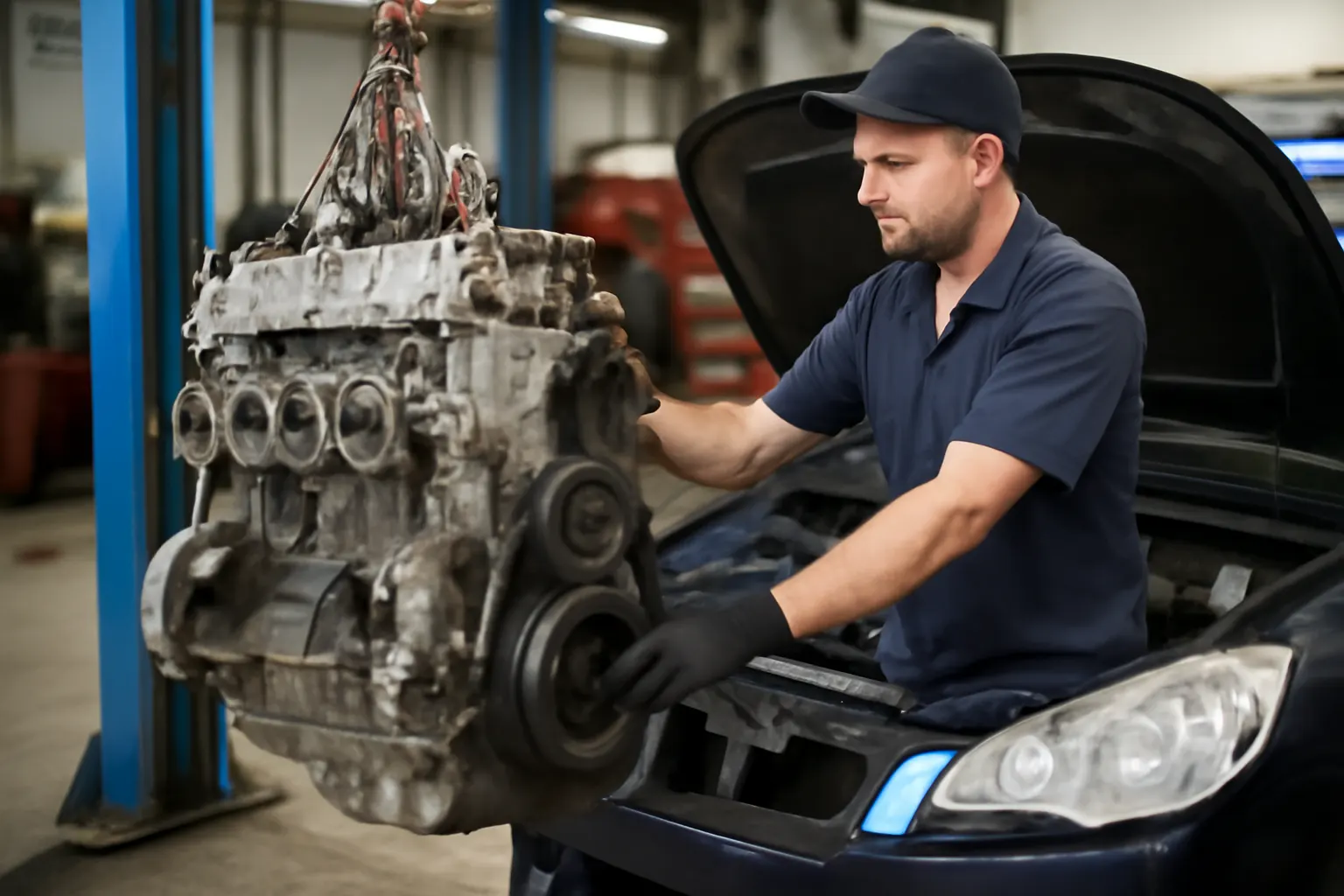
Top 10 Signs Your Engine Needs Attention
Modern engines are robust, but even the most reliable powerplants need care. Catching early warning signs can save you thousands in repairs and prevent dangerous breakdowns. This detailed guide from AutoPartEx covers the top 10 symptoms your engine needs attention, practical diagnostic tips, and how to address issues before they escalate. For a broader understanding of engine performance, maintenance, and replacement, explore our Comprehensive Engine Guide: Performance, Maintenance, and Replacement.
Immediate Answer: The 10 Most Common Engine Warning Signs
If you notice any of these symptoms, your engine is signaling for help:
- Check Engine Light or Warning Indicators
- Unusual Noises (Knocking, Tapping, Squealing)
- Rough Idling or Stalling
- Reduced Power or Acceleration
- Decreased Fuel Efficiency
- Excessive Smoke from the Exhaust
- Fluid Leaks (Oil, Coolant, Fuel)
- Overheating
- Strong or Unusual Odors
- Hard Starting or No Start Condition
Ignoring these signs can lead to catastrophic engine failure, costly repairs, and even safety risks. Early detection and action are essential for longevity and reliability.
The Hidden Problem: Why Early Engine Symptoms Are Often Overlooked
Many drivers ignore early engine warning signs, assuming they’re minor annoyances or temporary glitches. This is a risky mindset. Modern engines are engineered for durability, but they rely on a complex interplay of components, sensors, and control modules. Small symptoms often mask deeper mechanical or electronic issues that can rapidly worsen.
For instance, a minor oil leak might seem harmless but can lead to low oil pressure, accelerated wear, and eventual engine seizure. Similarly, a rough idle could indicate anything from a clogged Air Box/Air Cleaner to a failing sensor or internal mechanical wear. The longer these issues are ignored, the more likely they’ll cause secondary damage, multiply repair costs, and compromise safety.
Deeper Technical Explanation: How Engine Warning Signs Relate to Performance and Safety
Let’s break down why each of these signs matters:
- Warning Lights: Modern vehicles use sophisticated onboard diagnostics (OBD-II) to monitor engine health. A check engine light is your vehicle’s first line of defense, alerting you to issues ranging from misfires to emissions system faults.
- Unusual Noises: Mechanical noises often indicate internal wear, bearing failure, or timing issues. Left unchecked, these can result in catastrophic internal damage.
- Rough Idle/Stalling: This points to problems with air/fuel delivery, ignition, or engine management. It affects driveability and can signal imminent failure.
- Reduced Power: Loss of power may arise from fuel delivery issues, compression loss, or sensor malfunctions, directly impacting performance and safety.
- Poor Fuel Efficiency: A sudden drop in miles per gallon often reflects combustion inefficiency, sensor errors, or mechanical drag, which also increases emissions and running costs (DOE Fuel Efficiency).
- Excessive Smoke: Different smoke colors (blue, white, black) indicate oil burning, coolant leaks, or rich fuel mixtures, each with distinct root causes.
- Fluid Leaks: Engine oil, coolant, or fuel leaks reduce lubrication, cooling, and can cause fires or engine seizure.
- Overheating: Chronic overheating warps cylinder heads, blows gaskets, and can destroy engines (Understanding Engine Cooling Systems).
- Odors: Burning oil, sweet coolant, or raw fuel smells are early clues to leaks or combustion issues.
- Hard Starting: This can be a sign of battery, starter, fuel, or ignition issues, and often precedes complete failure.
1. Check Engine Light or Dashboard Warning Indicators
The check engine light is your vehicle’s primary self-diagnostic tool. When illuminated, it means the engine control module (ECM) has detected a fault in one or more systems. Even if the car seems to run fine, ignoring a check engine light can lead to emissions failures, poor performance, and severe mechanical damage.
Action Steps:
- Use an OBD-II scanner to read stored trouble codes.
- Address codes promptly; even a loose gas cap can trigger this light, but so can a failing catalytic converter or misfire.
- If the light is flashing, stop driving immediately—this indicates severe misfires that can damage the catalytic converter.
2. Unusual Engine Noises: Knocking, Tapping, and Squealing
Engine noises are rarely benign. Common sounds include:
- Knocking (Detonation): Typically due to poor fuel, incorrect ignition timing, or worn bearings.
- Tapping: May indicate valve train wear, low oil pressure, or lifter issues.
- Squealing: Often caused by worn or loose accessory belts, but can also signal failing pulleys or tensioners.
Checklist: Diagnosing Engine Noises
- Pinpoint the sound location (top end, bottom end, accessory drive).
- Check oil level and condition.
- Inspect belts and pulleys for wear or looseness.
- Listen for changes under load or at different RPMs.
Unresolved noises can cause catastrophic damage, especially if related to lubrication or timing.
3. Rough Idle or Stalling
A smooth idle is a hallmark of a healthy engine. If your engine shakes, surges, or stalls at idle, it’s a red flag.
Common Causes:
- Dirty or faulty Air Box/Air Cleaner
- Vacuum leaks
- Faulty spark plugs or ignition coils
- Clogged fuel injectors
- Failing sensors (MAF, IAC, TPS)
Diagnostic Steps:
- Listen for hissing sounds (vacuum leaks).
- Inspect and replace air filters as needed.
- Scan for trouble codes.
- Check ignition components and fuel delivery.
Ignoring rough idle can lead to stalling in traffic, posing safety risks and increasing wear.
4. Reduced Power or Acceleration
If your vehicle feels sluggish, struggles to accelerate, or can’t reach highway speeds, the engine isn’t operating efficiently.
Potential Causes:
- Restricted air intake or exhaust
- Failing sensors (O2, MAF)
- Low compression
- Fuel delivery issues
- Transmission drag
Solution Path:
- Inspect air intake and exhaust for blockages.
- Test sensor outputs with a scan tool.
- Perform a compression test.
- Check fuel pressure and delivery.
Prompt diagnosis prevents further damage and ensures safe, responsive driving.
5. Decreased Fuel Efficiency
A sudden or gradual drop in fuel economy is a key indicator of engine trouble. According to the United States Department of Energy, poor fuel efficiency increases operating costs and emissions.
Common Culprits:
- Faulty oxygen sensors
- Dirty air filters
- Worn spark plugs
- Underinflated tires (affecting drivetrain load)
- Dragging brakes
How to Respond:
- Monitor fuel consumption regularly.
- Replace maintenance items on schedule.
- Investigate and resolve check engine lights promptly.
Addressing fuel efficiency issues early saves money and reduces environmental impact.
6. Excessive Smoke from the Exhaust
Exhaust smoke color is a diagnostic goldmine:
- Blue Smoke: Burning oil—likely due to worn piston rings, valve seals, or turbocharger issues.
- White Smoke: Burning coolant—often a blown head gasket or cracked cylinder head.
- Black Smoke: Excess fuel—caused by rich fuel mixtures, stuck injectors, or faulty sensors.
Diagnostic Checklist:
- Note smoke color and when it occurs (startup, acceleration, idle).
- Check coolant and oil levels.
- Scan for related trouble codes.
- Inspect spark plugs for fouling.
Persistent smoke is a sign of serious internal issues and should never be ignored.
7. Fluid Leaks Under the Vehicle
Any puddle beneath your car deserves investigation. Engine oil, coolant, and fuel leaks can quickly escalate into major failures.
How to Identify Leaks:
- Oil: Brown or black, slippery, often under the engine.
- Coolant: Green, orange, or pink, sweet-smelling, usually near the radiator or heater core.
- Fuel: Clear or amber, strong gasoline odor, highly flammable.
Action Steps:
- Check fluid levels regularly.
- Trace leaks to their source (gaskets, hoses, seals).
- Repair promptly to avoid engine seizure, overheating, or fire risk.
8. Overheating
Overheating is one of the fastest ways to destroy an engine. Causes include:
- Low coolant level or leaks
- Faulty thermostat or radiator cap
- Failing water pump
- Blocked radiator or heater core
- Broken cooling fan
Prevention and Response:
- Monitor the temperature gauge—never drive with an overheated engine.
- Inspect cooling system components regularly (Understanding Engine Cooling Systems).
- Replace coolant per manufacturer recommendations.
Chronic overheating leads to warped heads, blown gaskets, and engine failure.
9. Strong or Unusual Odors
Your nose is a powerful diagnostic tool. Be alert for:
- Burning Oil: Indicates leaks onto hot engine parts.
- Sweet Coolant: Signals coolant leaks, often from the heater core or head gasket.
- Raw Fuel: Suggests fuel leaks or rich running conditions.
Action Steps:
- Investigate odors promptly.
- Check for visible leaks or stains.
- Address fuel odors immediately due to fire risk.
Unusual smells often precede visible symptoms—don’t ignore them.
10. Hard Starting or No Start Condition
Struggling to start your engine—or failing to start at all—can indicate:
- Weak battery or faulty starter
- Bad ignition switch
- Fuel system issues (pump, filter, injectors)
- Faulty sensors (crank/cam position)
Diagnostic Steps:
- Listen for cranking speed and starter engagement.
- Check battery voltage and connections.
- Test fuel pressure and spark.
A no-start condition can leave you stranded and may be the final warning before total engine failure.
Comprehensive Engine Diagnostic Checklist
Use this checklist to systematically identify engine issues:
| Symptom | Likely Causes | Immediate Actions |
|---|---|---|
| Warning Lights | Sensor faults, emissions issues | Scan codes, address immediately |
| Unusual Noises | Internal wear, belt/pulley issues | Listen, inspect, repair as needed |
| Rough Idle/Stalling | Air/fuel/ignition/sensor issues | Inspect filters, scan codes, test spark |
| Reduced Power | Intake, exhaust, sensor, compression | Test systems, scan, repair |
| Poor Fuel Economy | Sensors, plugs, filters, drag | Replace parts, check tire/brake drag |
| Exhaust Smoke | Oil, coolant, fuel issues | Check levels, inspect, scan codes |
| Fluid Leaks | Gaskets, hoses, seals | Trace and repair leaks |
| Overheating | Coolant, thermostat, pump, fan | Check levels, inspect, replace as needed |
| Odors | Leaks, burning fluids | Investigate, repair promptly |
| Hard Starting | Battery, starter, fuel, ignition | Test and replace components |
Solution Path: What to Do When You Notice Engine Warning Signs
- Don’t Ignore the Symptoms: Early action is always less expensive than major repairs.
- Use Diagnostic Tools: An OBD-II scanner is invaluable for reading codes and identifying issues.
- Inspect Regularly: Check fluids, belts, and hoses at every oil change.
- Address Maintenance Items: Replace air filters, spark plugs, and fluids on schedule.
- Consult a Professional: If you’re unsure, seek help from a certified technician or trusted repair shop.
When to Consider Engine Replacement or Major Repair
Some engine issues—like severe knocking, catastrophic overheating, or repeated major leaks—may indicate the need for a rebuild or replacement. If you’re facing frequent breakdowns, excessive oil consumption, or persistent check engine lights that repairs don’t resolve, it’s time to evaluate your options.
Explore our guides on Engine Replacement: Step-by-Step Guide and Choosing the Right Replacement Engine for Your Vehicle for detailed advice on sourcing, fitment, and installation.
Preventative Maintenance: Your Best Defense
Routine maintenance is the most effective way to prevent engine trouble. Follow your vehicle’s service schedule for:
- Oil and filter changes
- Air and fuel filter replacement
- Coolant flushes
- Spark plug and ignition system service
- Belt and hose inspection
Regular maintenance not only extends engine life but also maintains fuel efficiency and safety (Vehicle Safety and Equipment).
Sourcing Quality Engine Parts and Upgrades
When repairs are needed, use only quality parts that meet or exceed OEM specifications. Inferior components can lead to repeat failures or void manufacturer recommendations. At AutoPartEx, we offer a curated selection of engine components, air intake systems, cooling parts, and more, all backed by technical expertise and industry standards (SAE Standards).
For direct-fit replacements or performance upgrades, browse our extensive engines category or search by manufacturer, such as Acura or AMC.
AutoPartEx: Your Partner in Engine Diagnostics and Repairs
AutoPartEx is dedicated to empowering drivers and technicians with reliable parts, expert advice, and comprehensive resources. Whether you’re maintaining a daily driver or restoring a classic, we provide:
- Technical support and guidance
- Verified, quality-tested parts
- Detailed fitment and installation resources
- Direct access to related systems, from Air Box/Air Cleaner to AC Compressor
Trust AutoPartEx to help you identify issues early, source the right components, and keep your engine running at peak performance.
Take Action: Don’t Wait for a Breakdown
If you’ve noticed any of the top 10 engine warning signs, act now. Early detection, thorough diagnosis, and quality repairs are the keys to avoiding breakdowns and costly engine replacements. For more in-depth information, visit our Comprehensive Engine Guide: Performance, Maintenance, and Replacement or contact our technical team for help.