Choosing the Right Replacement Engine for Your Vehicle
When your vehicle’s engine fails, choosing the correct replacement is critical for safety, performance, and long-term reliability. The right replacement engine preserves your vehicle’s value and ensures it meets original equipment standards for compatibility, fuel efficiency, and safety. Whether you’re driving a late-model daily commuter or a rare classic in need of a hard-to-find powerplant, the process of engine replacement demands technical precision and informed decision-making. This comprehensive guide walks you through the key considerations, from basic compatibility to advanced sourcing strategies for rare or discontinued units. For a broader understanding of performance, maintenance, and engine replacement best practices, visit our Comprehensive Engine Guide: Performance, Maintenance, and Replacement.
The Immediate Answer: What Matters Most When Choosing a Replacement Engine?
Selecting a replacement engine is not simply about finding a unit that “fits.” The most important factors are:
- Exact compatibility with your vehicle’s make, model, year, and submodel
- Matching or exceeding original fuel efficiency and safety standards
- Availability of supporting components (mounts, sensors, harnesses, etc.)
- Verification of the engine’s condition, provenance, and mileage
- Compliance with industry standards and vehicle safety regulations
Whether you’re considering a used, remanufactured, or new crate engine, these elements are non-negotiable for a successful swap.
The Hidden Problem: Risks of Choosing the Wrong Engine
A poorly chosen engine can introduce a cascade of problems:
- Fitment issues leading to costly modifications or outright incompatibility
- Electrical or electronic mismatches that cause drivability problems or dash warning lights
- Fuel efficiency losses if the engine’s output doesn’t match the vehicle’s drivetrain or weight profile
- Compromised safety systems, especially if sensors or control modules are not compatible
- Difficulty sourcing replacement parts in the future, especially with rare or discontinued engines
Ignoring these risks can result in repeated repairs, failed inspections, or, in the worst case, a vehicle that is unsafe to operate.
Why Engine Compatibility Is More Than Just Displacement
Many drivers assume that as long as the engine’s displacement matches, it will work. In reality, compatibility is determined by:
- Engine family and code: Manufacturers often use multiple engine codes for the same displacement but with different mounting points, electronics, or emissions controls.
- Transmission matching: The bellhousing bolt pattern, flexplate/flywheel, and torque converter must align with your existing transmission.
- Electronics and harnesses: Modern engines rely on precise integration with the vehicle’s ECU, sensors, and wiring harnesses.
- Accessory mounting: AC compressors, alternators, and power steering pumps may require specific brackets and locations.
For example, a 2.0L engine from a 2009 Honda Civic may not be compatible with a 2.0L from a 2011 model due to changes in electronics or emissions equipment.
Understanding Engine Codes and VIN Matching
Every engine is assigned a specific code by the manufacturer. This code, often found on the engine block, corresponds to:
- Bore and stroke dimensions
- Compression ratio
- Fuel injection system
- Emissions equipment
Matching the engine code ensures that the replacement will bolt in and operate as intended. The vehicle’s VIN (Vehicle Identification Number) also contains information about the original engine type. Always cross-reference the VIN and engine code when sourcing a replacement.
Checklist: Engine Compatibility Verification
| Step | Details |
|---|---|
| VIN Check | Decode VIN to determine factory engine type |
| Engine Code Match | Locate and verify engine code on donor and recipient engines |
| Transmission Compatibility | Confirm bellhousing pattern and flexplate/flywheel match |
| Electronics Integration | Check sensor locations, ECU compatibility, and wiring harness needs |
| Accessory Fitment | Verify bracket locations for alternator, AC compressor, power steering, etc. |
| Emissions Equipment | Ensure emissions controls match local regulatory requirements |
| Mounting Points | Compare engine mount locations and hardware |
| Oil Pan and Exhaust | Confirm sump location and exhaust manifold fitment |
Sourcing Options: New, Used, or Remanufactured Engines
When it comes to sourcing a replacement engine, you have three main options:
1. New (Crate) Engines
- Pros: Zero miles, manufacturer warranty, often updated with latest materials and components.
- Cons: Most expensive option, may not be available for older or discontinued models.
2. Remanufactured Engines
- Pros: Fully rebuilt to original or better specifications, new wear parts, tested for reliability.
- Cons: Cost can approach that of a new engine, quality varies by remanufacturer.
3. Used (Salvage) Engines
- Pros: Most affordable, wide availability for common models.
- Cons: Unknown wear, limited or no warranty, may require additional reconditioning.
Tip: For rare or discontinued vehicles, remanufactured or carefully sourced used engines may be the only realistic options.
Diagnosing the Need for Engine Replacement
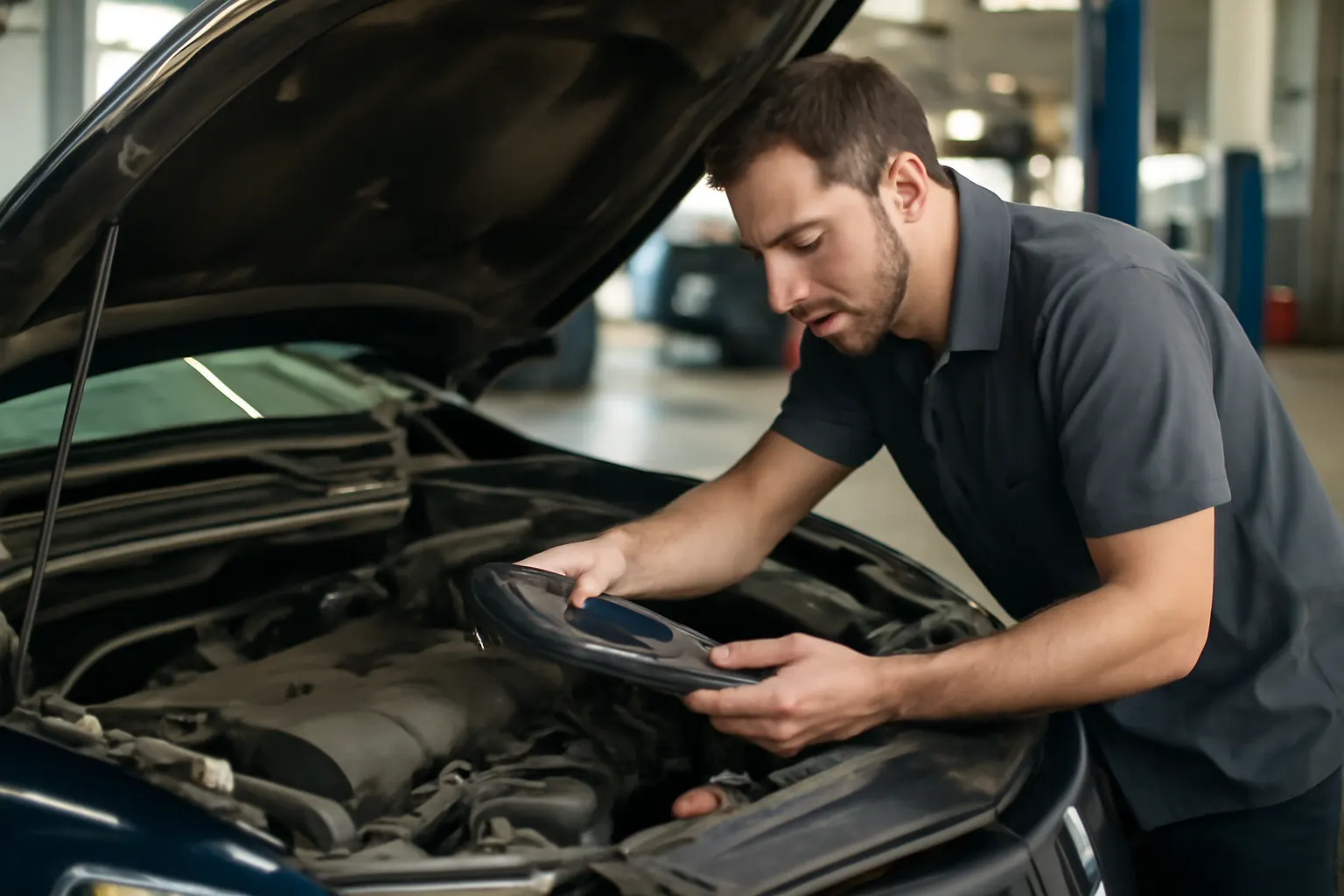
Before committing to a replacement, confirm that an engine swap is necessary. Common symptoms indicating the need for replacement include:
- Catastrophic internal failure (severe knocking, seized engine, or a thrown rod)
- Loss of compression in multiple cylinders
- Excessive oil consumption or coolant mixing with oil (head gasket failure with block/head damage)
- Repeated overheating with visible internal damage
For a detailed breakdown of warning signs, consult our Top 10 Signs Your Engine Needs Attention.
Assessing Fuel Efficiency and Performance Impacts
Swapping to a different engine variant—even within the same family—can impact your vehicle’s fuel efficiency and performance. According to the U.S. Department of Energy:
- Engine design, materials, and technology directly affect fuel economy.
- Weight and power output must be balanced to maintain efficiency.
- Drivetrain compatibility is essential to avoid parasitic losses.
Always choose an engine that matches or improves upon your original specifications to avoid sacrificing efficiency or performance.
Safety, Emissions, and Regulatory Compliance
Engine swaps can affect critical safety and emissions systems:
- Airbags and stability control systems may depend on engine data.
- Emissions controls (EGR, catalytic converter, O2 sensors) must be compatible and functional.
- Federal and local regulations may restrict certain engine swaps, especially if emissions equipment is downgraded.
Refer to the National Highway Traffic Safety Administration’s equipment guidelines to ensure your replacement engine maintains safety compliance.
Sourcing Rare or Discontinued Engines
If your vehicle uses a rare or discontinued engine, consider these strategies:
- Nationwide Salvage Networks: Use online databases to locate engines in distant yards.
- Specialty Rebuilders: Some companies specialize in remanufacturing rare engines with modern internals.
- Enthusiast Forums and Clubs: Owners’ groups often know where to find rare units or suitable substitutes.
- International Sourcing: In some cases, engines may be available overseas, but be aware of shipping costs and compatibility hurdles.
Document the provenance and condition of any rare engine, and verify that it meets your local regulatory standards.
The Installation Process: What to Expect
Engine replacement is a complex process that involves:
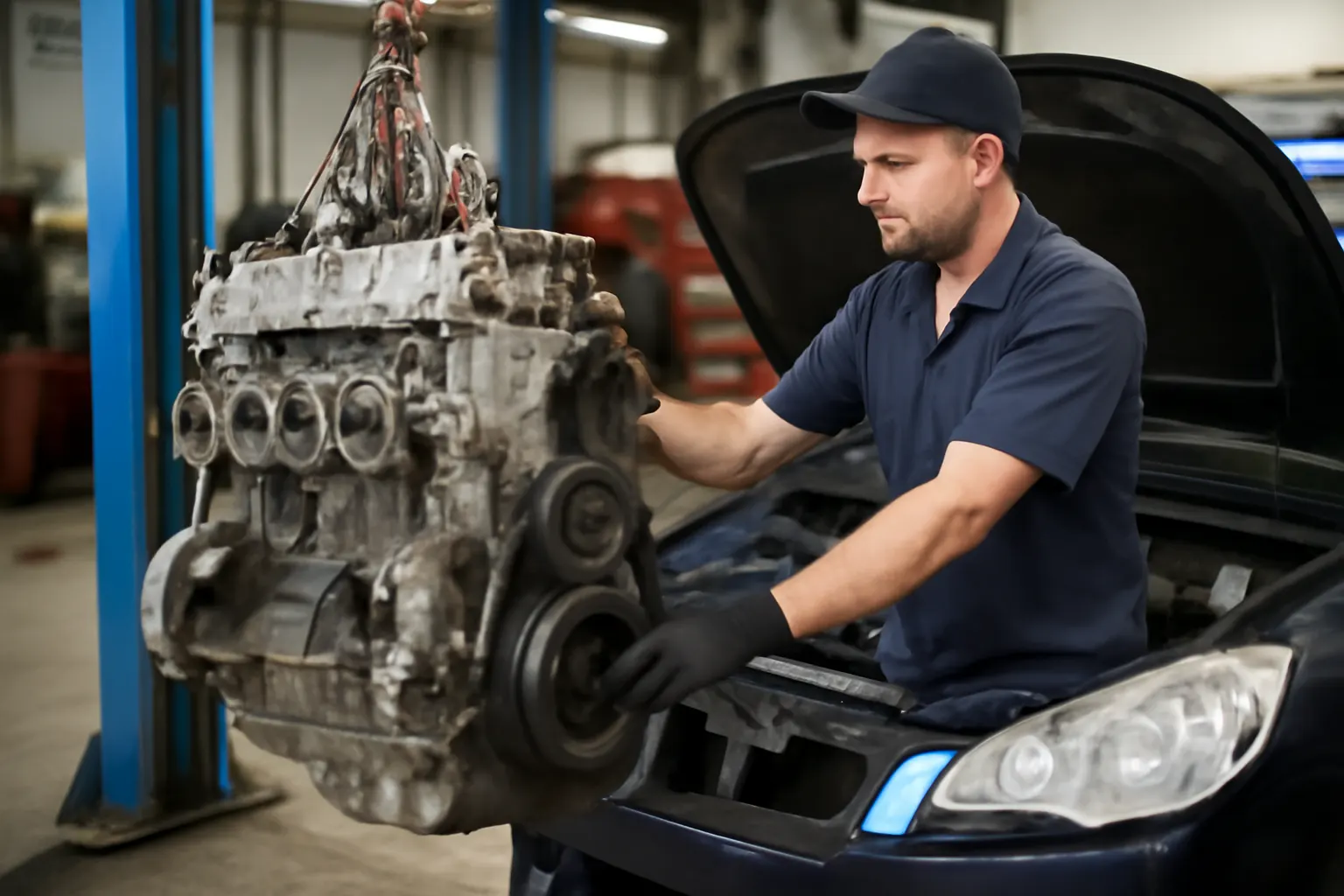
- Removal of the old engine (disconnecting wiring, hoses, mounts, exhaust, and transmission)
- Preparation of the replacement engine (installing accessories, swapping sensors, replacing wear items)
- Installation and alignment (mounting engine, connecting transmission, aligning drivetrain)
- Integration with electronics (connecting sensors, resetting ECU, verifying communication)
- Testing and break-in (initial startup, leak checks, ECU adaptation, road testing)
For a step-by-step walkthrough, see our Engine Replacement: Step-by-Step Guide.
Post-Installation: Maintenance and Monitoring
After engine installation, follow these best practices:
- Initial Oil and Filter Change: After the first 500-1000 miles, change oil and filter to remove any break-in debris.
- Monitor Fluid Levels: Check coolant, transmission fluid, and oil regularly for leaks or contamination.
- Check for Codes: Use a scan tool to monitor for diagnostic trouble codes (DTCs) related to sensors or emissions.
- Torque Recheck: After initial break-in, re-torque engine mounts and critical fasteners.
- Fuel Efficiency Tracking: Compare pre- and post-swap fuel economy to ensure optimal performance.
Routine maintenance is essential to maximize the life of your replacement engine.
Materials and Technology: Why They Matter in Modern Engines
Modern engines use advanced materials to improve performance and reduce weight. As highlighted by the U.S. Department of Energy:
- Aluminum blocks and heads reduce weight and improve heat dissipation.
- Composite intake manifolds and lightweight pistons enhance efficiency.
- Coatings and advanced bearings reduce friction and wear.
When selecting a replacement, ensure that the engine’s materials and technologies align with your vehicle’s original design for optimal performance and reliability.
Engine Fitment Checklist: Avoiding Costly Surprises
A thorough fitment check prevents installation headaches. Use this detailed checklist before committing to a purchase:
Engine Fitment Pre-Purchase Checklist
| Category | What to Verify |
|---|---|
| Engine Code/Family | Matches VIN and original equipment |
| Transmission | Bellhousing, flexplate/flywheel, and mounts are compatible |
| Mounting Points | Engine mounts, brackets, and hardware align with chassis |
| Exhaust System | Manifold and downpipe match vehicle’s exhaust routing |
| Oil Pan | Sump location (front, rear, or center) clears crossmember |
| Accessory Drives | Alternator, AC compressor, and power steering pump mounting and pulley alignment |
| Sensors and Harness | All sensors present, correct locations, and harness connectors match |
| Emissions Equipment | EGR, O2 sensors, and catalytic converter compatibility |
| Cooling System | Water pump, radiator hoses, and thermostat housing locations |
| Fuel System | Injectors, fuel rail, and pressure regulator match original |
| ECU and Programming | Engine computer is compatible or can be reprogrammed as needed |
Troubleshooting Common Engine Swap Pitfalls
Even with thorough planning, some issues are common during engine swaps:
- Check Engine Light (CEL): Usually caused by mismatched sensors or missing emissions equipment. Scan codes and verify all connectors.
- No Start or Rough Idle: Double-check fuel, ignition, and ECU compatibility.
- Transmission Shifting Issues: Ensure the transmission control module (TCM) is compatible with the new engine’s sensors and output.
- Cooling System Leaks: Inspect all hose connections and ensure the correct water pump and radiator are used.
- Accessory Misalignment: Confirm all pulleys and belts are properly aligned to avoid premature wear or belt throw.
When to Consult an Expert
While many experienced enthusiasts can perform engine swaps, situations that demand professional attention include:
- Advanced electronics integration (CAN-bus or multiplexed wiring systems)
- Emissions compliance for inspection or registration
- Custom fabrication for mounts or accessory drives
- Rare or high-value vehicles where originality and documentation are critical
A certified technician or specialized engine swap shop can ensure your project meets all safety and regulatory requirements.
AutoPartEx: Your Partner in Engine Replacement
At AutoPartEx, we connect drivers, restorers, and performance enthusiasts with the right engines and components for every make and model. Our database includes comprehensive fitment data, verified supplier networks for rare engines, and expert technical support. Whether you need a direct OEM replacement, a high-performance upgrade, or in-depth guidance for a discontinued classic, our team ensures your swap is successful from start to finish.
For more information on engine-related topics, explore our Comprehensive Engine Guide: Performance, Maintenance, and Replacement or review Understanding Engine Cooling Systems for essential post-swap maintenance.
References
- Fuel Efficiency — United States Department of Energy
- Materials Technologies — United States Department of Energy
- Vehicle Safety and Equipment — National Highway Traffic Safety Administration