The Hidden Dangers of a Failing Hood Latch
A failing hood latch is not just an inconvenience—it’s a critical safety risk that can turn a routine drive into a life-threatening event. In this in-depth guide, AutoPartEx unpacks the real-world dangers, technical underpinnings, and essential maintenance strategies behind hood latch systems. If you think your vehicle’s hood latch is a minor component, think again: its failure can lead to catastrophic consequences, from sudden loss of visibility at highway speeds to severe engine damage and cascading safety failures. Understanding and maintaining this vital part is non-negotiable for every vehicle owner.
If you’re looking for a comprehensive overview of hood latch system engineering, safety, and security, visit our Hood Latch Systems: Safety, Security, and Precision Engineering category page for further resources and part listings.
Why a Failing Hood Latch Is an Immediate Threat
The hood latch is a primary safety device designed to secure the hood against unintended opening while the vehicle is in motion. When this latch fails—whether through mechanical wear, corrosion, impact, or improper adjustment—the hood can spring open without warning. At highway speeds, this instantly blocks the driver’s forward view, creating a scenario where even skilled drivers may be unable to avoid a collision. The National Highway Traffic Safety Administration (NHTSA) classifies hood latch failures as a significant safety defect, and numerous recalls have been issued for latch-related issues across multiple manufacturers [NHTSA Equipment; NHTSA Recalls].
The Hidden Problem: Silent Degradation and Overlooked Maintenance
Unlike more obvious components—such as brakes or tires—hood latches often degrade out of sight and out of mind. Corrosion, dirt buildup, and metal fatigue progress silently. Many vehicle owners don’t inspect or lubricate the latch until it’s too late. Compounding the risk, some hood latches can appear to function normally yet fail under the aerodynamic loads encountered at speed. Even routine activities like jump-starting or engine checks can introduce misalignment or accidental damage to the latch mechanism, setting the stage for future failure.
Real-World Incidents: When the Hood Latch Fails
There are countless documented cases of catastrophic hood latch failures causing accidents and near-misses. In one NHTSA investigation, a sedan’s secondary latch failed to engage after the primary latch corroded, resulting in the hood flipping open at 65 mph and shattering the windshield. In another widely reported incident, a poorly maintained latch mechanism on a pickup truck allowed the hood to fly open on the highway, causing a multi-car collision. These are not isolated events—hood latch recalls are among the most frequent safety campaigns issued by automakers, underlining the system’s criticality [NHTSA Recalls].
Technical Anatomy: How Hood Latch Systems Work
Understanding the construction and operation of a typical hood latch system is essential for diagnostics and maintenance. Most modern vehicles employ a two-stage system:
- Primary Latch: Mechanically secures the hood to the body and must be released from inside the cabin.
- Secondary (Safety) Latch: Acts as a backup, requiring manual release at the front of the vehicle.
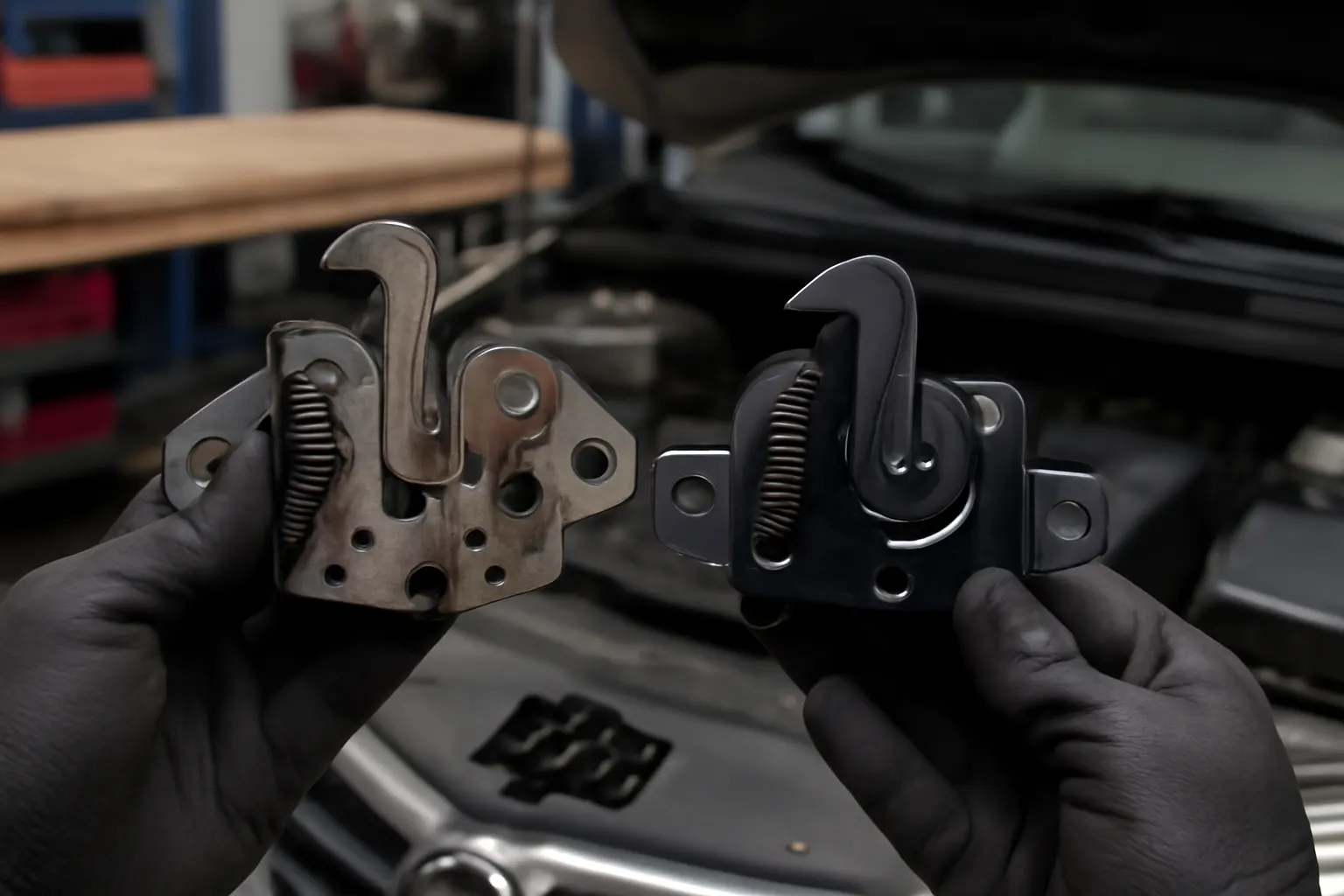
Both latches are spring-loaded and rely on precise alignment. The system includes striker pins, catch plates, release cables, and, in some vehicles, electronic sensors or warning switches. Materials are usually zinc-coated steel or corrosion-resistant alloys, but even these can degrade over time, especially in harsh climates or with infrequent cleaning [SAE Standards].
Common Failure Modes: What Goes Wrong
Hood latch failures typically fall into several categories:
- Corrosion and Rust: Moisture, road salt, and environmental contaminants cause metal parts to weaken and seize.
- Cable Stretch or Fraying: The interior release cable can stretch or break, making it impossible to disengage the latch from inside.
- Latch Misalignment: After minor collisions or improper service, the latch and striker may no longer line up, leading to incomplete engagement.
- Spring Fatigue: Springs lose tension over time, reducing the force required to keep the latch closed.
- Foreign Object Intrusion: Leaves, debris, or engine compartment contaminants can jam the latch mechanism.
Each of these issues can compromise the latch’s ability to secure the hood, and some may not be immediately evident during casual inspection.
Warning Signs: How to Detect a Failing Hood Latch
Routine vigilance is your first line of defense against latch failure. Watch for these red flags:
- Hood does not sit flush: Visible gaps or unevenness at the front edge.
- Unusual movement: Hood vibrates or shifts while driving.
- Difficulty opening or closing: Requires excessive force or multiple attempts.
- Release handle feels loose or unresponsive: Indicates cable or latch wear.
- No audible “click” when closing the hood: Suggests incomplete engagement.
- Warning lights: Some vehicles have dashboard indicators for an unlatched hood.
If you observe any of these symptoms, immediate inspection and repair are essential. For step-by-step diagnosis and replacement, refer to our guide: How to Diagnose and Replace a Faulty Hood Latch.
The Hidden Costs: Beyond Immediate Safety
A failed hood latch can trigger a cascade of secondary problems:
- Windshield and Roof Damage: A flying hood at speed can shatter glass and buckle roof structures.
- Engine Bay Exposure: An unsecured hood exposes critical components to rain, debris, and high-speed airflow, risking electrical shorts and mechanical damage.
- Insurance and Liability: Accidents caused by latch failure can complicate insurance claims and, in some jurisdictions, lead to liability for preventable maintenance neglect.
- Decreased Vehicle Value: Recurring latch issues or visible hood damage lower resale value and may flag the vehicle in history reports.
These hidden costs reinforce why proactive latch maintenance is an investment in both safety and long-term vehicle value.
Safety Standards and Recalls: Regulatory Oversight
Hood latch systems are subject to stringent federal safety standards and are a frequent subject of technical service bulletins and recalls. According to NHTSA, manufacturers must ensure that both the primary and secondary latches function reliably under all operating conditions. Any design or material defect that could result in inadvertent hood opening is grounds for recall [NHTSA Equipment; NHTSA Recalls].
Before purchasing a used vehicle—or if you suspect an issue—check the NHTSA recall database for hood latch-related campaigns. Even reputable brands such as Acura and AMC have issued recalls for latch defects. Prompt recall repairs are always free at authorized dealerships.
Diagnostic Checklist: Evaluating Your Hood Latch System
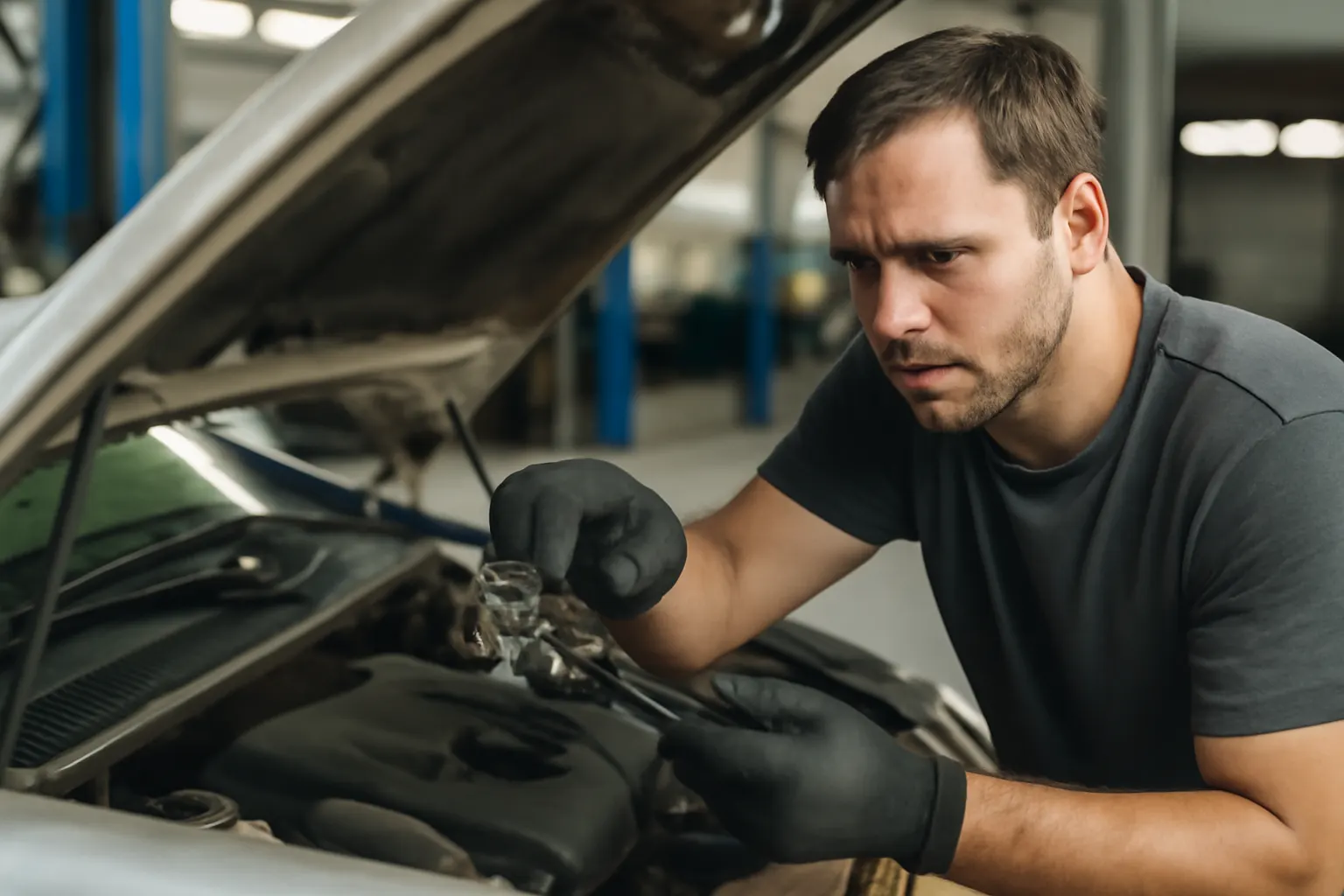
Performing a thorough hood latch inspection should be part of your regular maintenance routine. Use this step-by-step checklist to spot problems before they escalate:
Hood Latch Inspection Checklist
-
Visual Inspection
- Check for corrosion, rust, or contamination on latch and striker.
- Inspect for bent or misaligned components.
- Confirm latch and striker are properly lubricated.
-
Manual Operation
- With the engine off, operate the interior release lever. Feel for smooth, consistent resistance.
- Try opening the hood from the exterior release. Ensure the secondary latch engages and releases smoothly.
-
Engagement Test
- Close the hood gently. Listen for a clear “click” from both latches.
- Attempt to lift the hood gently—there should be no movement.
-
Cable and Handle Check
- Inspect the release cable for fraying, stretching, or kinks.
- Ensure the handle is securely mounted and springs back after use.
-
Functional Road Test
- Drive at low to moderate speeds and observe for hood vibration or noise.
- After the test, recheck latch engagement.
-
Maintenance Review
- Confirm last lubrication date; relubricate if dry.
- Check service records for recent latch repairs or replacements.
If any step reveals a problem, address it immediately. For more detailed adjustment guidance, see Hood Latch Adjustment: Ensuring Proper Fit and Function.
Maintenance Best Practices: Keeping Your Hood Latch Reliable
Preventive maintenance is the most effective way to ensure long-term hood latch reliability:
- Regular Cleaning: Remove dirt, salt, and debris from the latch area during every car wash.
- Lubrication: Use a high-quality, water-resistant lubricant on all moving parts every 6–12 months, or more frequently in harsh climates.
- Corrosion Protection: Inspect for rust and treat with anti-corrosion spray or touch-up paint as needed.
- Cable Replacement: If the release cable shows signs of wear, replace it before it fails.
- Aftermarket vs. OEM Parts: Use quality components—refer to our guide on OEM vs Aftermarket Hood Latches: What You Need to Know to make informed choices.
Routine attention to these details will help you avoid both minor annoyances and major safety incidents.
Sourcing Replacement Hood Latch Components
When replacement is necessary, sourcing the correct part is critical. Key considerations include:
- Vehicle Compatibility: Match the latch to your specific make, model, and year. Even small differences in design can affect fit and function.
- Material Quality: Opt for corrosion-resistant materials, especially if you drive in snowy or coastal regions.
- Certification: Look for parts that meet or exceed SAE and OEM standards [SAE Standards].
- Supplier Reputation: Purchase from trusted suppliers with a track record of quality and customer support.
At AutoPartEx, we provide an extensive selection of hood latches engineered for safety and precision. For a curated list of components, visit our Hood Latch Systems: Safety, Security, and Precision Engineering category.
Installation and Adjustment: Getting It Right the First Time
Proper installation of a hood latch is not just a bolt-on job. Precision is key:
- Alignment: Ensure the latch and striker are perfectly aligned. Use manufacturer specifications for gap and engagement distance.
- Torque Specs: Tighten all fasteners to specified torques to prevent loosening under vibration.
- Cable Routing: Route the release cable away from heat sources and moving parts to prevent premature wear.
- Functional Test: After installation, perform multiple open/close cycles and a road test at varying speeds.
If you’re unsure about any step, consult a certified technician or follow our detailed replacement guide: How to Diagnose and Replace a Faulty Hood Latch.
Advanced Considerations: Modern Sensors and Warning Systems
Many late-model vehicles include electronic hood ajar sensors or integrated security switches. These systems may trigger dashboard warnings if the latch is not fully engaged, and some vehicles will disable remote start or alarm functions if the hood is open. When replacing or servicing the latch, ensure all electrical connections and sensors are reinstalled and tested.
If a warning persists after latch service, check for sensor alignment and connector integrity. Consult your vehicle’s wiring diagram or service manual for troubleshooting.
The AutoPartEx Advantage: Trusted Expertise and Quality
At AutoPartEx, we recognize that the hood latch is a small part with a big responsibility. Our team of technical experts sources only high-quality, precision-engineered latches that meet or exceed OEM and SAE standards. Whether you drive a classic AMC, a modern Acura, or any other make, we help you keep your vehicle safe, secure, and roadworthy.
We offer:
- Comprehensive product listings and fitment data
- Technical support and installation guides
- Fast, reliable shipping and customer service
Explore our Hood Latch Systems: Safety, Security, and Precision Engineering section for parts, tools, and further reading.
Expert Action: Don’t Wait—Inspect, Maintain, and Replace
A failing hood latch is not a risk worth taking. Hidden degradation can turn into catastrophic failure without warning. Don’t wait for a near-miss or an accident to take action. Make hood latch inspection and maintenance part of your routine, and always address warning signs promptly. Use the checklist above, follow best practices, and trust AutoPartEx for quality replacement parts and technical guidance.
Your safety—and the safety of everyone on the road—depends on it.