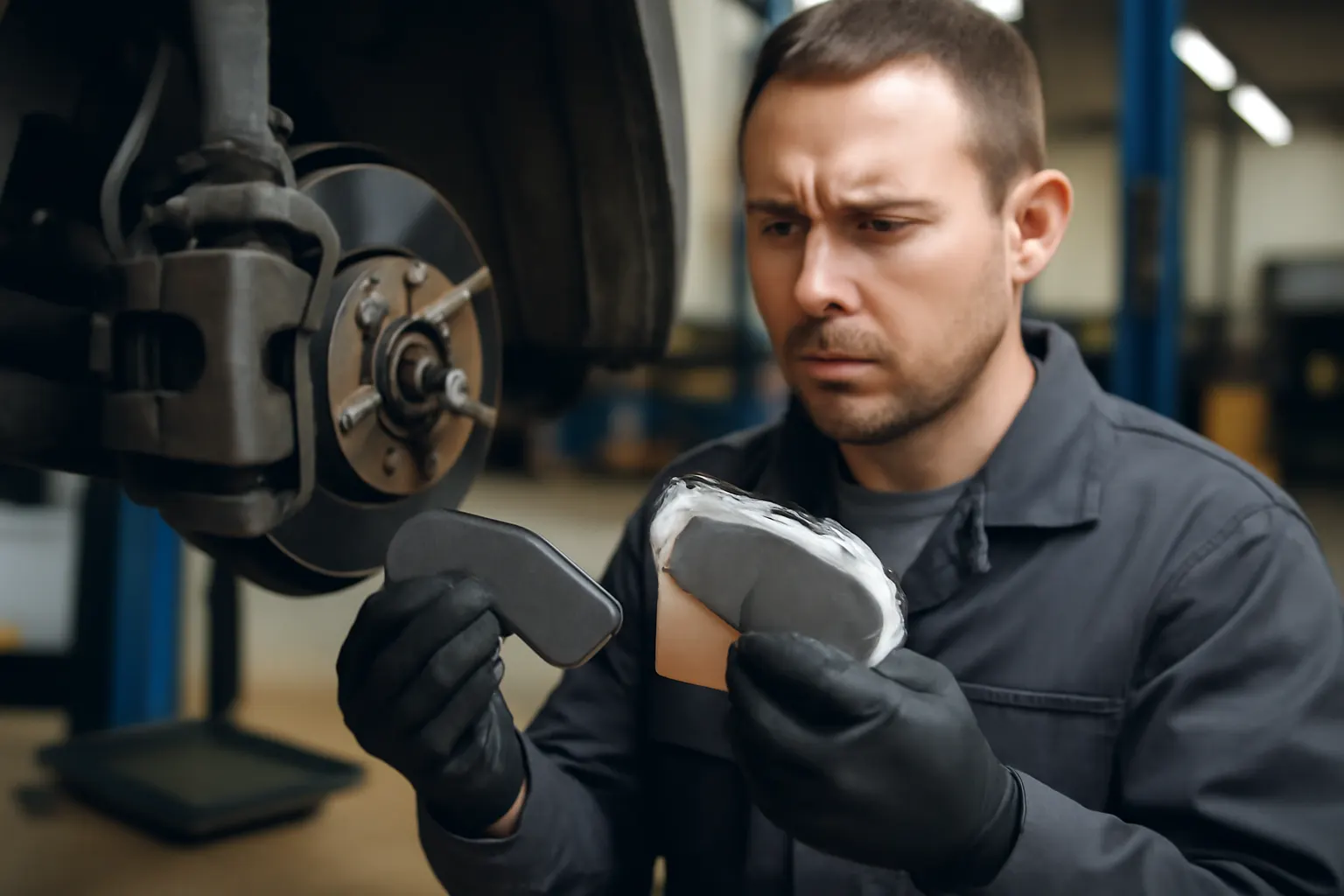
How to Spot Counterfeit Lexus Parts
Counterfeit Lexus parts are a growing threat to vehicle safety, performance, and long-term value. This comprehensive guide from AutoPartEx equips Lexus owners, technicians, and parts buyers with the practical knowledge to identify, avoid, and report fake Lexus parts in the aftermarket supply chain. Whether you’re sourcing replacement brake pads, hybrid batteries, or body panels, knowing the signs of a counterfeit part is essential for protecting your investment and your safety. For genuine sourcing and expert guidance, see our Lexus OEM Parts: Heritage, Quality, and Expert Sourcing | AutoPartEx page.
The Immediate Answer: How to Quickly Identify Fake Lexus Parts
When inspecting a Lexus part—whether it’s brake components, body panels, or electronics—look for these immediate red flags:
- Suspicious packaging: Genuine Lexus parts have precise, high-quality packaging with correct spelling, sharp logos, and clear part numbers.
- Low-quality materials or finish: Counterfeit parts often use substandard metals, plastics, or coatings, resulting in unusual weight, rough edges, or inconsistent coloring.
- Missing or incorrect part numbers: Authentic Lexus parts always feature correct, consistent part numbers and manufacturer marks.
- Unusually low prices: If a Lexus part is significantly cheaper than the market average, it’s likely a counterfeit or substandard copy.
- No traceable supplier: Reputable sellers provide verifiable business addresses, return policies, and customer support.
If any of these warning signs are present, stop installation and consult an expert or your trusted Lexus parts supplier.
The Hidden Problem: Counterfeits in the Lexus Aftermarket Supply Chain
The challenge of counterfeit Lexus parts extends beyond the obvious risk of poor quality. Many fake parts are visually convincing, making them difficult to spot without technical knowledge or careful inspection. Counterfeits infiltrate both online and brick-and-mortar supply chains, often targeting high-demand components like brake pads, hybrid batteries, sensors, and lighting assemblies.
The risk is not only to your Lexus’s performance and longevity. Counterfeit parts can compromise critical safety systems (such as brakes or airbags), void manufacturer support, and even cause vehicle damage that’s expensive to repair. According to the National Highway Traffic Safety Administration (NHTSA), substandard and counterfeit equipment is a major contributor to vehicle safety issues and recalls in the US aftermarket Vehicle Safety and Equipment.
Why Counterfeit Lexus Parts Are So Dangerous
Counterfeit Lexus parts pose unique risks due to Lexus’s high engineering standards and the integration of advanced technologies in late-model vehicles. Some of the most critical dangers include:
- Safety Compromises: Fake brake pads, rotors, airbags, and sensors may not meet Lexus or industry safety standards, increasing the risk of failure during emergency maneuvers or collisions.
- Reduced Fuel Efficiency: Counterfeit engine or drivetrain components can disrupt fuel management systems, leading to increased consumption and emissions (Fuel Efficiency).
- Material Failures: Lexus uses advanced materials for lightness and strength. Counterfeiters often substitute inferior metals or plastics, leading to premature failure (Materials Technologies).
- Electrical Hazards: Fake sensors, wiring harnesses, and control modules can cause shorts, fires, or erratic vehicle behavior.
Even seemingly minor counterfeit parts, such as emblems or trim, can devalue your Lexus or mask more serious underlying problems.
Critical Areas Most Targeted by Counterfeiters
While any Lexus part can be counterfeited, some categories are especially vulnerable due to high demand, profitability, and ease of reproduction. These include:
- Brake components: Pads, rotors, calipers, and hydraulic parts.
- Electrical sensors and modules: Oxygen sensors, MAF sensors, ECUs.
- Hybrid system parts: Batteries, inverters, and control relays (see Lexus Hybrid Battery Replacement Essentials).
- Lighting assemblies: Headlights, taillights, and LED modules.
- Body panels and trim: Grilles, bumpers, badges, and mirrors.
- Filters and fluids: Oil filters, air filters, and transmission fluid.
Counterfeiters often focus on fast-moving parts or those with a high price differential between OEM and aftermarket.
Technical Signs: How Genuine Lexus Parts Differ from Fakes
Understanding the technical differences between genuine and counterfeit Lexus parts is crucial for accurate identification. Here are some of the telltale signs:
1. Packaging and Labeling
- Lexus OEM parts use tamper-evident seals, holographic labels, and consistent barcoding.
- Packaging features crisp printing, proper Lexus branding, and no spelling errors.
- Part numbers match Lexus’s official catalog and include manufacturer codes.
2. Material Quality and Construction
- Genuine Lexus parts use premium metals, composites, and plastics.
- Surfaces are smooth, with even coatings and no casting marks or excess flash.
- Weight and dimensions are consistent with Lexus specifications.
3. Markings and Serial Numbers
- Authentic parts include laser-etched or stamped Lexus logos and part numbers.
- Serial numbers are traceable through Lexus or authorized dealers.
- Counterfeits may feature incorrect fonts, missing marks, or stickers that peel easily.
4. Fitment and Functionality
- Genuine parts fit precisely without modification.
- Counterfeits may require force, shimming, or trimming.
- Functional tests (such as resistance for sensors) will reveal out-of-spec readings in fakes.
A Practical Checklist for Spotting Counterfeit Lexus Parts
Use this checklist when inspecting a Lexus part before installation:
| Inspection Area | Genuine Lexus Part | Counterfeit Warning Signs |
|---|---|---|
| Packaging | Tamper-evident seal, crisp printing, correct logos | Blurry print, spelling errors, no seal |
| Part Number | Matches Lexus catalog, consistent barcode | Missing, wrong, or inconsistent numbers |
| Material Quality | Premium metals/plastics, smooth finish | Rough edges, odd color, light weight |
| Markings | Laser-etched/stamped logos, serial numbers | Stickers, missing or faded marks |
| Supplier Credentials | Lexus dealer or trusted reseller, full contact info | No address, vague contact details |
| Price | Within 10-20% of market average | Deep discount, “too good to be true” |
| Fitment | Installs easily, perfect alignment | Requires force, gaps, or shimming |
When in doubt, compare the suspect part to a known genuine component or consult a Lexus-certified technician.
The Role of Safety Standards and Recalls
Lexus and its suppliers must adhere to rigorous safety and quality standards, including those set by the Society of Automotive Engineers (SAE) and NHTSA. Counterfeit parts bypass these controls, lacking the design validation, material testing, and traceability required for vehicle safety certification (Vehicle Safety and Equipment, SAE Standards).
Counterfeit parts can trigger recalls or service bulletins if they cause failures or safety incidents. Always check the NHTSA recalls database if you suspect a part is counterfeit, especially for critical systems like brakes or airbags.
Buying Guidance: How to Source Authentic Lexus Parts
The best way to avoid counterfeits is to buy from authorized Lexus dealers or reputable parts distributors. Here’s how to ensure authenticity:
- Verify the seller: Check for Lexus authorization, business credentials, and online reviews.
- Demand documentation: Request invoices, warranty cards, and supplier certifications.
- Request part verification: Many dealers and distributors offer part number verification services.
- Avoid suspicious marketplaces: Be cautious with auction sites or overseas sellers with limited accountability.
- Use trusted catalogs: Reference the official Lexus parts catalog or AutoPartEx’s Lexus brake parts catalog for accurate part numbers and descriptions.
For complex components like hybrid batteries or electronic modules, always use factory-authorized channels.
Installation and Fitment: How Counterfeits Fail in Practice
Even if a counterfeit part looks convincing, installation often reveals its shortcomings:
- Misalignment: Counterfeit body panels or trim may not match factory mounting points, leaving gaps or requiring force.
- Fastener issues: Bolt holes may not line up, or threads may be poorly cut.
- Electrical faults: Fake sensors or modules can cause warning lights, system errors, or no-start conditions.
- Rapid wear: Counterfeit brake pads or filters degrade quickly, sometimes within weeks of installation.
Technicians should always test fit and function before completing installation. If a part requires modification or triggers error codes, remove it and consult an expert.
Maintenance Impacts: The Cost of Counterfeit Parts Over Time
Counterfeit Lexus parts can undermine routine maintenance and accelerate wear across vehicle systems:
- Brake system degradation: Fake brake pads wear unevenly, damage rotors, and reduce stopping power. For genuine maintenance, see our Lexus Brake System Maintenance Guide.
- Hybrid system failures: Counterfeit hybrid batteries or control units can cause expensive system faults and reduce efficiency.
- Premature fluid contamination: Fake filters may break down, clogging oil or transmission passages.
- Sensor errors: Poor-quality electronics can cause persistent check engine lights or misdiagnosed faults.
Long-term, counterfeit parts can cost far more than the initial “savings,” especially when they cause collateral damage to complex Lexus systems.
Reporting Suspected Counterfeit Lexus Parts
If you suspect you’ve received a counterfeit Lexus part:
- Document everything: Take photos of packaging, part numbers, supplier info, and the part itself.
- Contact the seller: Request a refund or replacement; reputable sellers will cooperate.
- Report to authorities: Notify Lexus customer service, NHTSA, or your local consumer protection agency.
- Warn others: Leave reviews or feedback to help other buyers avoid the same trap.
- Retain the part: Authorities may request the part for investigation or evidence.
Reporting helps protect other Lexus owners and supports legal action against counterfeiters.
The Deeper Problem: Why Counterfeits Persist and How Lexus Owners Can Fight Back
Counterfeit auto parts are a global issue, driven by high demand, complex supply chains, and the profitability of fakes. The problem is exacerbated by:
- Online marketplaces: The anonymity and scale of online sales make enforcement difficult.
- Global logistics: Parts can be shipped directly from overseas factories with little oversight.
- Lack of consumer awareness: Many buyers don’t realize the risks until a failure occurs.
Lexus owners can help by:
- Insisting on transparency from suppliers.
- Sharing information about known counterfeit risks.
- Participating in recall and safety campaigns.
The more vigilant the Lexus community, the less profitable counterfeiting becomes.
AutoPartEx: Your Partner in Genuine Lexus Parts Sourcing
At AutoPartEx, we are committed to helping Lexus owners source only genuine, OEM-quality parts. Our rigorous supplier vetting, direct catalog integration, and technical support ensure your Lexus receives the components it was engineered for. Whether you’re tackling routine service, major repairs, or performance upgrades, trust AutoPartEx for accurate fitment and authentic quality. Explore our full Lexus OEM Parts: Heritage, Quality, and Expert Sourcing | AutoPartEx catalog for the assurance you deserve.
Expert Action: What to Do Next
- Audit your parts inventory: If you maintain your own Lexus or operate a repair shop, inspect any recently acquired parts for authenticity.
- Educate your team: Train staff and technicians to recognize the signs of counterfeit Lexus parts using the checklists above.
- Source with care: Use only authorized Lexus dealers or trusted suppliers like AutoPartEx.
- Stay informed: Monitor recalls, safety bulletins, and updates from NHTSA and Lexus.
- Report and share: If you encounter a counterfeit, report it and help others avoid the same risk.
For further guidance, explore our related resources such as Lexus Service Intervals Explained and our curated Lexus brake parts catalog for verified components.
References
- Vehicle Safety and Equipment – National Highway Traffic Safety Administration
- Fuel Efficiency – United States Department of Energy
- Materials Technologies – United States Department of Energy
- SAE Standards – SAE International
- Vehicle, Car Seat, Tire, and Equipment Recalls – National Highway Traffic Safety Administration