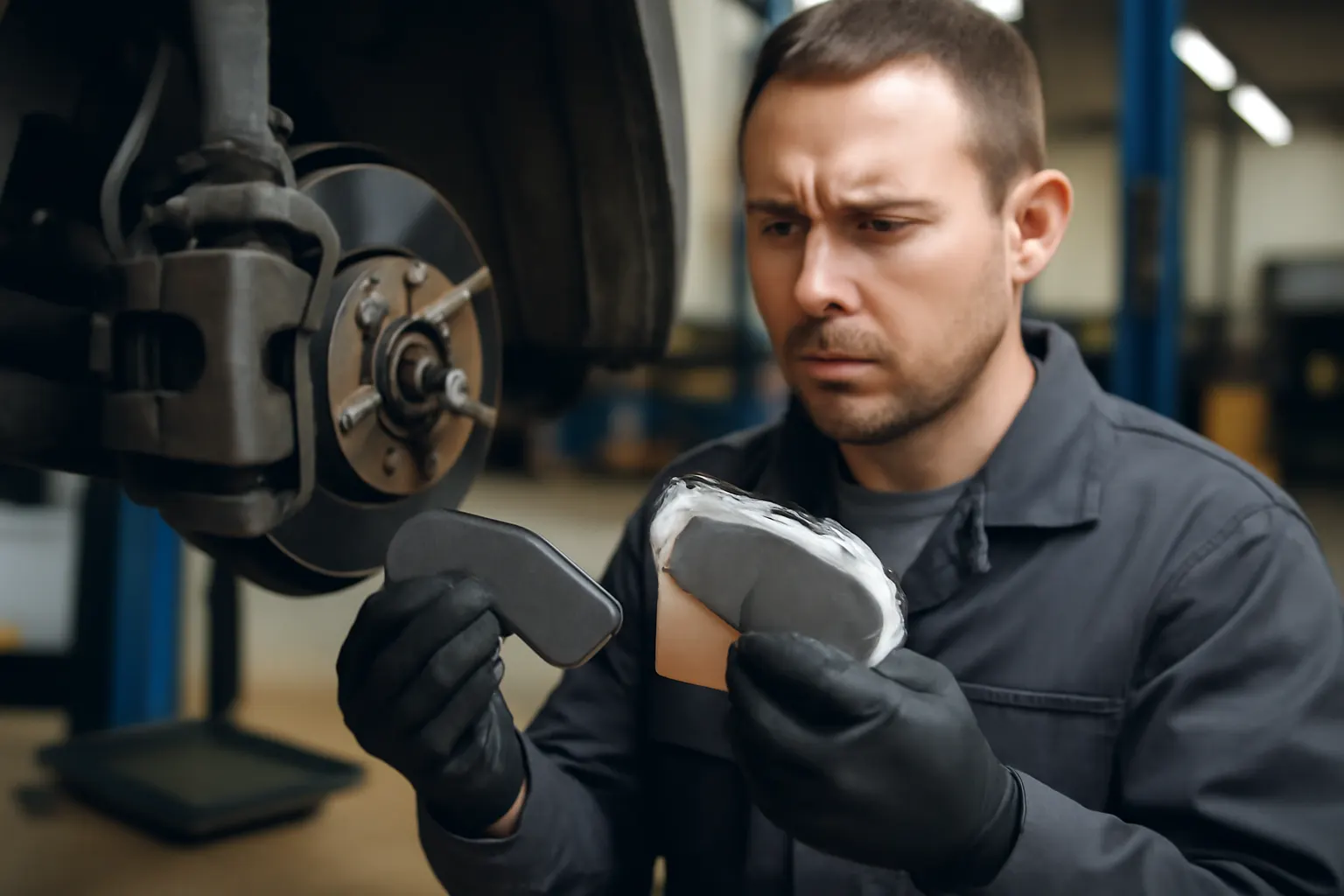
Lexus Service Intervals Explained
Maintaining your Lexus to the highest standard means more than simply changing the oil every so often. Lexus service intervals are a carefully engineered schedule, designed to optimize performance, safety, and the longevity of your investment. In this comprehensive guide, AutoPartEx breaks down Lexus maintenance schedules, explains the reasoning behind each interval, and highlights why using genuine Lexus OEM parts is critical for your vehicle’s reliability and resale value. For a complete selection of factory-grade Lexus components, visit our Lexus OEM Parts: Heritage, Quality, and Expert Sourcing | AutoPartEx hub.
Why Lexus Service Intervals Matter
The Lexus maintenance schedule is not arbitrary. It’s the result of extensive research, engineering, and real-world testing. Adhering to prescribed service intervals ensures:
- Maximum safety: Regular checks catch issues before they become hazards.
- Peak performance: Routine maintenance keeps your Lexus running as intended.
- Fuel efficiency: Timely servicing optimizes engine and drivetrain operation, saving fuel and reducing emissions.
- Longevity: Preventative care extends the life of critical components and preserves resale value.
Failing to follow the recommended schedule can lead to premature wear, reduced performance, or even sudden mechanical failure. This is especially true if non-genuine or counterfeit parts are used in place of Lexus OEM components. For more on this, see How to Spot Counterfeit Lexus Parts.
The Hidden Problem: Overlooked or Misunderstood Maintenance
Despite Lexus’ reputation for engineering excellence, many owners misunderstand or overlook service intervals. This leads to:
- Missed inspections that could prevent costly repairs
- Use of substandard aftermarket or counterfeit parts that compromise safety and performance
- Unintentional voiding of warranty or reduced resale value due to incomplete service history
The problem is often compounded by the complexity of modern Lexus vehicles, especially hybrids and those with advanced driver-assistance systems. Sticking to the correct schedule—and using genuine parts—is more critical than ever.
Understanding the Lexus Maintenance Schedule
Lexus service intervals are typically divided into two categories:
- Minor service (every 5,000 to 7,500 miles or 6 months)
- Major service (every 15,000 to 30,000 miles or annually)
Your Lexus owner’s manual is the definitive source for your specific model, but the following breakdown covers the general pattern for most late-model Lexus vehicles.
Minor Service Intervals
Every 5,000 to 7,500 miles or 6 months (whichever comes first):
- Engine oil and filter replacement
- Tire rotation and pressure check
- Brake inspection
- Fluid level checks (coolant, brake, washer, transmission)
- Visual inspection of belts, hoses, and underbody
- Resetting maintenance reminder
Major Service Intervals
Every 15,000 to 30,000 miles or annually:
- All minor service items, plus:
- Cabin air filter replacement
- Engine air filter replacement
- Brake fluid exchange
- Comprehensive brake system inspection
- Steering, suspension, and exhaust system checks
- Battery health and charging system test
- Inspection of drive axles, boots, and joints
Key Service Milestones for Lexus Vehicles
While the exact intervals may vary by model and year, the following milestones are typical for Lexus sedans, SUVs, and hybrids:
| Mileage | Key Services |
|---|---|
| 5,000-7,500 | Oil & filter, tire rotation, brake check |
| 15,000 | Air filter, cabin filter, brake fluid, full inspection |
| 30,000 | Transmission fluid (if applicable), coolant, spark plugs |
| 60,000 | Major drive belt replacement, full system diagnostics |
| 90,000-100,000 | Timing belt (if equipped), water pump, hybrid battery check |
Note: Lexus hybrid models have unique requirements, including high-voltage battery system inspections. For specialized guidance, refer to our Lexus Hybrid Battery Replacement Essentials.
The Science Behind Service: Engineering and Safety
Lexus service intervals are defined according to data from engineering, field testing, and regulatory standards. The National Highway Traffic Safety Administration (NHTSA) and the United States Department of Energy (DOE) provide guidelines and research that directly influence automotive maintenance protocols.
- Safety: Regular brake, suspension, and tire inspections are mandated to reduce accident risk (NHTSA Equipment).
- Efficiency: Scheduled maintenance such as spark plug and air filter replacement ensures optimal combustion and fuel economy (DOE Fuel Efficiency).
- Materials: Lexus utilizes advanced materials in chassis and drivetrain components, requiring precise maintenance to maintain their integrity (DOE Materials Technologies).
Genuine Lexus Parts vs. Aftermarket: Why It Matters
One of the most overlooked aspects of adhering to Lexus service intervals is the use of genuine Lexus OEM parts:
- Precision fit and performance: Lexus parts are engineered to exact tolerances for each model.
- Safety compliance: OEM parts meet all regulatory safety standards.
- Longevity: Genuine parts are designed for durability and compatibility with advanced Lexus systems.
Aftermarket parts may not provide the same level of performance or durability and can even introduce new problems, especially in critical systems like brakes or electronics. See our Lexus brake parts catalog for a comprehensive selection of OEM brake components.
Commonly Overlooked Lexus Maintenance Tasks
Many Lexus owners focus on oil changes and tire rotations but overlook other essential tasks:
- Brake Fluid Exchange: Old brake fluid absorbs moisture, leading to corrosion and decreased braking performance.
- Cabin Air Filter Replacement: A clogged filter reduces HVAC efficiency and air quality.
- Coolant and Transmission Fluid Service: Neglected fluids can cause overheating and major transmission issues.
- Hybrid System Inspections: Hybrid batteries and associated electronics need periodic checks for optimal function.
Ignoring these items can lead to cascading failures, increased repair costs, and diminished safety.
Diagnostic Checklist: Is Your Lexus Due for Service?
Use this checklist to quickly determine if your Lexus may be overdue for maintenance:
Lexus Service Interval Diagnostic Checklist
- Oil change light or maintenance reminder illuminated
- Brake pedal feels soft or requires increased distance to stop
- Unusual noises from engine, suspension, or brakes
- Reduced fuel economy or sluggish acceleration
- HVAC system has weak airflow or unpleasant odors
- Tires show uneven wear or vibration at speed
- Dashboard warning lights (battery, ABS, hybrid system, etc.)
- Service records show last visit was over 6 months ago
If you checked any of these boxes, it’s time to schedule service or inspect the relevant systems.
Lexus Brake System: A Maintenance Priority
Braking is one of the most critical safety systems in any vehicle. Lexus brake components should be inspected at every minor service interval and replaced with OEM parts as needed. Key points include:
- Pad and rotor thickness: Ensure they meet minimum specifications.
- Brake fluid: Should be clear, not dark or contaminated.
- ABS and stability control: Diagnostic checks for warning lights or error codes.
For more in-depth guidance, read our Lexus Brake System Maintenance Guide.
Hybrid Lexus Models: Special Service Considerations
Hybrid Lexus vehicles, such as the RXh and ESh, require specialized maintenance:
- High-voltage battery inspections: Performed at major service intervals.
- Cooling system: Hybrids often have additional cooling circuits for batteries and electronics.
- Regenerative braking: Unique to hybrids, these systems need periodic diagnostic checks.
It’s vital to use only Lexus-approved fluids and parts for hybrid systems to avoid costly repairs and maintain safety.
The Risks of Counterfeit and Substandard Parts
Counterfeit Lexus parts have become more prevalent, particularly online. These can look similar to genuine components but are made from inferior materials and often fail prematurely. Risks include:
- Safety hazards: Substandard parts may not perform in critical situations.
- Diagnostic errors: Non-OEM electronics can trigger warning lights or disable safety features.
- Long-term damage: Poor-quality filters or fluids can cause engine or transmission failure.
Review our guide on How to Spot Counterfeit Lexus Parts for tips on identifying genuine components.
When to Seek Professional Lexus Service
Some maintenance tasks can be performed by skilled DIYers, such as oil changes and air filter replacements. However, many Lexus systems require specialized tools, diagnostic equipment, and technical expertise:
- Hybrid and electrical systems: High voltages pose a serious risk.
- Advanced driver-assistance systems (ADAS): Calibration is critical for safety.
- Transmission and differential servicing: Incorrect procedures can cause major failures.
Always consult a Lexus-certified technician for major services or when in doubt.
Maintenance Records: The Value of Documentation
Keeping thorough service records is essential for:
- Resale value: Buyers and dealers will pay more for vehicles with documented maintenance.
- Warranty claims: Proof of regular service is often required.
- Diagnostics: A clear history helps technicians identify patterns and prevent repeat failures.
Store all receipts, invoices, and service logs in a dedicated folder or digital archive.
How Driving Habits and Conditions Affect Service Needs
Standard Lexus service intervals assume average driving conditions. If you regularly encounter any of the following, you may need more frequent maintenance:
- Short trips or stop-and-go driving: Increases wear on engine and brakes.
- Extreme temperatures: Accelerates fluid breakdown and battery wear.
- Dusty or dirty environments: Requires more frequent filter changes.
- Towing or heavy loads: Puts additional stress on drivetrain and suspension.
Consult your owner’s manual or a Lexus service advisor for a “severe service” schedule tailored to your usage.
AutoPartEx: Your Partner in Lexus Maintenance Excellence
At AutoPartEx, we understand the importance of following Lexus service intervals with genuine OEM parts. Our extensive catalog covers every model and system, from routine filters to complex hybrid components. We source directly from authorized suppliers to guarantee authenticity and compliance with safety standards. Our technical guides and diagnostics are based on the latest industry research, ensuring your Lexus receives the care it deserves.
Explore our Lexus OEM Parts: Heritage, Quality, and Expert Sourcing | AutoPartEx page for detailed fitment data, installation tips, and expert support.
Taking the Next Step: Expert Action Plan
To keep your Lexus performing at its best:
- Review your owner’s manual for the recommended maintenance schedule.
- Track your mileage and service dates using a log or digital reminder.
- Inspect your vehicle regularly using the diagnostic checklist above.
- Always use genuine Lexus OEM parts for repairs and maintenance.
- Consult Lexus-certified professionals for complex or safety-critical services.
- Leverage AutoPartEx resources for parts selection, technical guidance, and sourcing.
By following these steps, you’ll protect your investment, ensure safety, and enjoy the legendary comfort and reliability that Lexus is known for.