Signs Your Backing Plates Need Replacement
The health of your brake system depends on more than just pads and rotors—your front backing plates play a crucial but often overlooked role. Recognizing the warning signs of damaged or deteriorated backing plates can save you from costly repairs and dangerous driving conditions. In this guide, you’ll learn how to spot the symptoms of failing backing plates, understand their impact on your vehicle’s safety, and discover the best practices for timely replacement. If you’re looking to source quality parts, start with our Front Backing Plate catalog for fitment and options.
Why Backing Plates Matter: The Immediate Answer
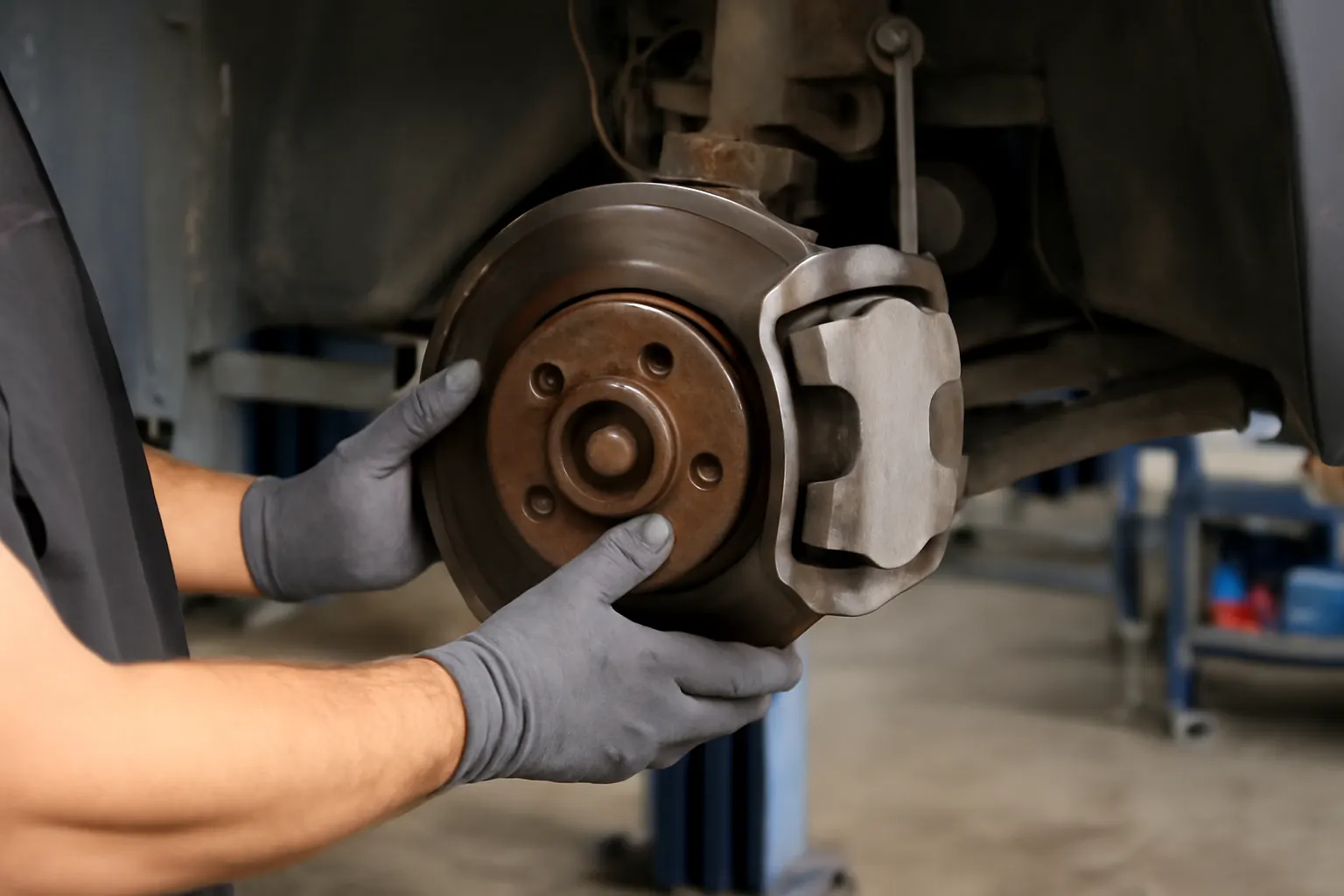
Backing plates, also known as brake dust shields or splash guards, are foundational to your brake system’s integrity. They serve as a mounting surface for brake shoes (in drum systems) or as protective barriers for disc brakes, shielding critical components from debris, moisture, and corrosion. When these plates become damaged or corroded, your entire brake assembly—including brake calipers, rotors, and pads—can be compromised. Ignoring worn backing plates can quickly escalate into expensive repairs and jeopardized stopping power.
Immediate Signs to Watch For:
- Unusual scraping or grinding noises during braking
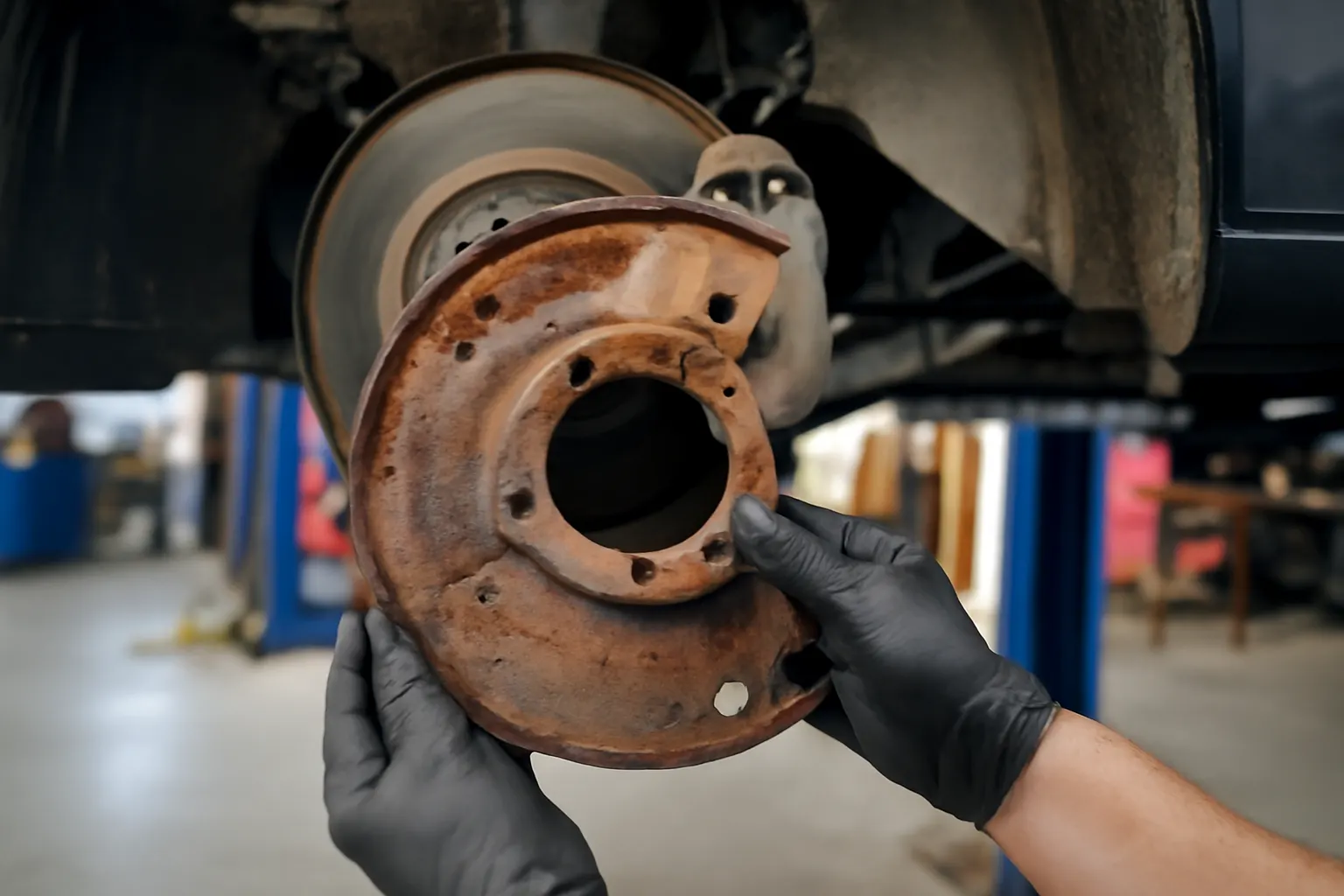
- Visible rust, corrosion, or warping on the backing plate
- Loose or missing mounting hardware
- Reduced brake effectiveness or uneven wear on pads/rotors
Failing to address these symptoms risks not only your wallet but also your safety and that of everyone on the road.
The Hidden Problem: Backing Plate Neglect
While brake pads and rotors receive routine attention, backing plates are often neglected until a major issue arises. This oversight is understandable—backing plates are partially hidden behind the brake rotor and wheel hub assembly, making visual inspection inconvenient. However, their failure can quietly undermine your vehicle’s braking performance.
Commonly Overlooked Issues:
- Gradual thinning or perforation from road salt and moisture
- Accumulation of debris between the plate and rotor, leading to noise and wear
- Backing plate deformation causing contact with moving parts
Because the symptoms can be subtle at first, many drivers don’t realize there’s a problem until they experience brake noise, reduced stopping power, or even a failed safety inspection.
How Backing Plates Fail: Technical Deep Dive
To understand why backing plates require periodic inspection and replacement, let’s examine how they deteriorate over time. Most modern backing plates are stamped from steel or composite alloys, designed to balance strength, weight, and corrosion resistance (DOE Materials Technologies). Despite these advances, several factors accelerate their failure:
- Corrosion: Exposure to water, road salt, and chemicals leads to rust, especially in climates with heavy winter road treatment. Once rust penetrates the protective coating, plates can develop holes or lose structural integrity.
- Physical Damage: Rocks, debris, or improper service can bend or crack the plate, causing it to rub against the rotor or interfere with sensor operation.
- Heat Stress: Repeated exposure to high temperatures from braking cycles can warp or weaken plate material.
This degradation not only exposes sensitive components but can also alter brake cooling, increase pad and rotor wear, and even affect ABS sensor readings.
Symptoms of Failing Backing Plates: What to Listen, Look, and Feel For
Identifying backing plate issues early requires a combination of sensory clues and inspection. Here’s how to diagnose potential problems:
1. Audible Warning Signs
- Scraping or Grinding Noises: A damaged or bent backing plate may rub against the rotor, producing a high-pitched or metallic scraping sound, especially at low speeds.
- Rattling or Clunking: Loose or broken mounting tabs can cause the plate to vibrate, especially over bumps.
2. Visual Clues
- Rust and Corrosion: Visible flaking, pitting, or holes in the plate signal advanced rust.
- Deformation: Warped or bent plates may be seen pressing against the rotor or caliper, sometimes causing uneven pad wear.
- Missing Pieces: Sections of the plate may break off, leaving gaps that expose the brake assembly.
3. Performance Changes
- Reduced Braking Efficiency: If debris bypasses a compromised plate, it can contaminate pads and rotors, diminishing stopping performance.
- Uneven Pad or Rotor Wear: Loss of protection may cause accelerated wear on one side of the assembly.
Comprehensive Backing Plate Inspection Checklist
Regular inspection is the only way to catch backing plate issues before they escalate. Use this checklist during every brake service or tire rotation:
| Inspection Point | What to Check For | Action Required |
|---|---|---|
| Plate Surface | Rust, pitting, holes, or flaking | Replace if severe |
| Plate Shape | Warping, bending, or deformation | Straighten or replace |
| Mounting Hardware | Loose, missing, or corroded fasteners | Tighten or replace |
| Plate Clearance | Contact with rotor or caliper | Adjust or replace |
| Debris Accumulation | Mud, road salt, or gravel buildup | Clean thoroughly |
| Protective Coating | Peeling or missing finish | Consider replacement |
Tip: Always inspect both sides of the vehicle, as environmental exposure and wear can differ.
The Consequences of Ignoring Backing Plate Issues
Failing to address backing plate wear or damage can have cascading effects throughout your brake system. According to the National Highway Traffic Safety Administration, neglected brake components are a leading cause of vehicle safety failures. Specific risks include:
- Accelerated Pad and Rotor Wear: Loss of shielding allows debris to score rotors and contaminate pads, leading to premature replacement.
- Compromised ABS Function: Many modern vehicles have ABS sensors mounted near or on the backing plate. Damage can disrupt sensor operation, triggering warning lights or reducing stability control.
- Increased Corrosion: Exposed brake assemblies are more susceptible to rust, which can seize calipers, brake lines, or even the wheel hub assembly.
- Safety Inspection Failure: Many state vehicle inspections check for brake system integrity. Damaged or missing backing plates can result in a failed inspection, legal issues, or denied registration renewal.
When Should Backing Plates Be Replaced?
There’s no universal mileage interval for backing plate replacement—it’s a condition-based decision. However, AutoPartEx recommends considering replacement if:
- Any structural damage, warping, or holes are present.
- Corrosion has thinned the metal or created perforations.
- The plate rubs against the rotor or caliper despite adjustment.
- Mounting points are broken or missing.
- The protective coating is severely compromised and cannot be restored.
For vehicles regularly exposed to road salt, off-roading, or harsh environments, more frequent inspection and proactive replacement are advisable.
Choosing the Right Replacement Backing Plate
Not all backing plates are created equal. Selection depends on precise fitment, material quality, and compatibility with your brake assembly. Here’s what to consider:
1. Fitment Compatibility: Always match the replacement to your vehicle’s make, model, year, and brake system (disc or drum). Check part numbers and compare mounting points.
2. Material Quality: High-quality steel or corrosion-resistant alloys offer longer service life. OEM or reputable aftermarket manufacturers often use advanced coatings or composites to resist rust (DOE Materials Technologies).
3. Integration with Sensors: For vehicles with ABS, ensure the new plate has correct sensor mounting provisions and won’t interfere with sensor operation.
4. Ease of Installation: Some plates are designed for bolt-on replacement, while others may require removal of the rotor or hub assembly. Review installation instructions before purchase.
5. Trusted Suppliers: Use reliable sources like AutoPartEx’s Front Backing Plate inventory for guaranteed fitment and quality assurance.
Installation Guidance: Professional vs. DIY
Replacing a backing plate can range from straightforward to complex, depending on your vehicle’s design. Here’s what you need to know before tackling the job:
Professional Installation: If your backing plate requires removal of the wheel hub assembly or pressing out bearings, professional installation is strongly advised. Shops have the tools to avoid damaging sensitive components and can ensure proper torque on fasteners.
DIY Installation: For vehicles where the plate bolts on behind the rotor, experienced DIYers can handle the task with basic hand tools. Always follow these steps:
- Safely lift and secure the vehicle.
- Remove the wheel, caliper, and rotor.
- Inspect the old plate and mounting surfaces.
- Install the new plate, ensuring no contact with moving parts.
- Reassemble in reverse order, torquing bolts to specification.
For a detailed walkthrough, see our DIY Backing Plate Replacement: Step-by-Step Guide.
Preventing Future Backing Plate Issues
Prevention is the best strategy for extending the life of your brake system. Here’s how to minimize future problems:
- Regular Cleaning: Remove accumulated debris, mud, or salt from the brake assembly, especially after winter driving or off-road use.
- Rust Protection: Consider applying a high-temperature anti-corrosion coating to new plates.
- Routine Inspection: Check the condition of backing plates during every brake service, tire rotation, or wheel alignment.
- Prompt Repairs: Address minor bends or corrosion before they become severe.
For more tips, read Preventing Brake System Corrosion: Maintenance Tips.
Backing Plates and Brake System Performance
Backing plates influence more than just protection—they also affect brake cooling and pad alignment. Warped or missing plates can disrupt airflow, causing uneven heat distribution and premature pad wear. In severe cases, this can lead to brake fade or pulsation, undermining your vehicle’s stopping power. Maintaining healthy backing plates is essential for optimal brake function and longevity.
Backing Plates in Modern Brake Assemblies
Today’s brake systems are more integrated than ever. Many vehicles use backing plates as mounting points for ABS sensors or as part of dust shield assemblies that channel cooling air. Damaged plates can interfere with these systems, triggering dashboard warning lights or reducing the effectiveness of electronic stability control. Always verify that your replacement plates accommodate all original equipment features.
The AutoPartEx Advantage for Backing Plate Replacement
When it comes to sourcing and maintaining brake system components, AutoPartEx delivers expertise and reliability. Our Front Backing Plate inventory features OEM and high-quality aftermarket options, ensuring precise fitment and durability. Our technical guides, such as Brake System Protection: Why Backing Plates Matter, offer in-depth insights for both DIYers and professionals. With detailed fitment data and expert support, you can maintain your brake system’s integrity with confidence.
Expert Action: What Should You Do Next?
- Inspect Your Backing Plates: If you notice any of the warning signs described above, schedule a thorough inspection at your next service interval or conduct a visual check yourself.
- Replace Damaged Plates Promptly: Don’t delay—compromised plates can quickly lead to more expensive brake repairs or safety hazards.
- Use Trusted Parts and Resources: Rely on AutoPartEx for quality backing plates, installation guidance, and ongoing maintenance tips.
- Stay Informed: Continue learning about brake system care with our related guides and blog posts, and make regular inspection part of your vehicle maintenance routine.
Protect your investment and your safety—don’t let neglected backing plates undermine your entire brake system.