Preventing Brake System Corrosion: Maintenance Tips
Corrosion is the silent enemy of your vehicle’s brake system. Without proactive maintenance, vital components like your front backing plate, brake rotors, calipers, and lines are all at risk. Left unchecked, corrosion quickly leads to reduced braking performance, costly repairs, and even dangerous failures on the road. This comprehensive guide gives you the expert-backed strategies, practical checklists, and deep technical insight you need to prevent brake system corrosion for the long haul.
The Immediate Answer: How to Prevent Brake System Corrosion
To prevent brake system corrosion, you must:
- Regularly inspect and clean all brake components, especially after exposure to moisture, road salts, or chemicals.
- Ensure your front backing plates are intact and properly fitted to shield rotors and calipers from debris and water.
- Use high-quality, corrosion-resistant replacement parts.
- Apply appropriate protective coatings where necessary.
- Flush and replace brake fluid at manufacturer-recommended intervals to prevent internal corrosion.
- Store vehicles in dry environments and minimize prolonged exposure to corrosive conditions.
By following these steps, you significantly extend the lifespan of your brake system and maintain optimal safety and performance.
The Hidden Problem: Corrosion Risks Lurk Everywhere
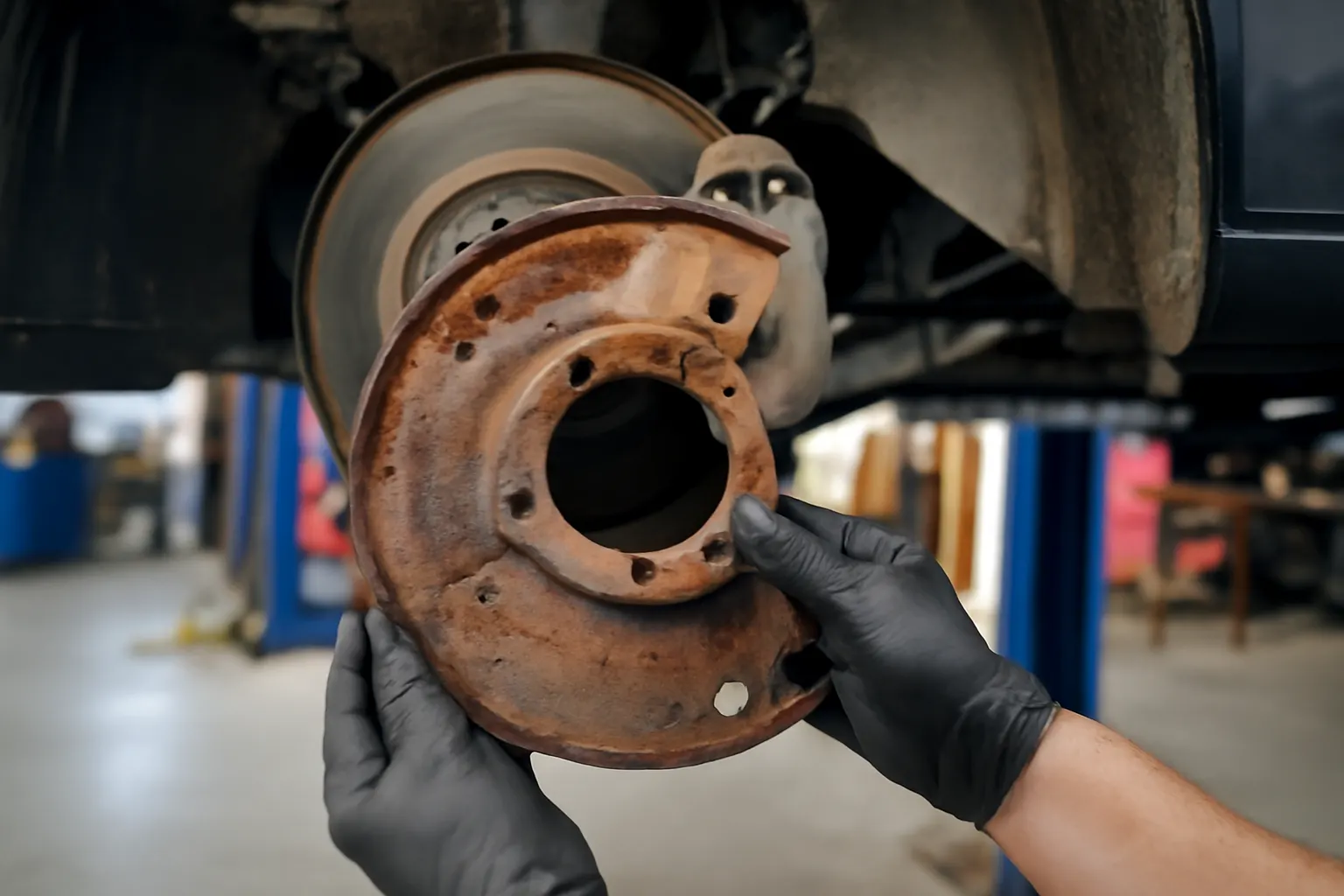
While most drivers focus on brake pad wear or rotor thickness, corrosion is a less visible but equally critical threat. Moisture, salt, grime, and even atmospheric pollutants can attack exposed metal surfaces throughout your braking system. The result? Pitted rotors, seized calipers, weakened brake lines, and deteriorated front backing plates that compromise your vehicle’s stopping power.
Worse, corrosion damage often goes unnoticed until it’s advanced—when symptoms like grinding noises, uneven braking, or warning lights finally appear. By then, repairs can be extensive and expensive.
Understanding Brake System Corrosion: What’s at Stake?
Corrosion in your brake system is more than just an eyesore. It’s a chemical process where metal reacts with water, oxygen, and salts, leading to rust and material loss. Once started, corrosion can:
- Reduce the effectiveness of the brake caliper and brake rotor, impacting stopping distance.
- Cause brake lines to weaken and leak, risking total brake failure.
- Lead to stuck or dragging brakes, increasing wear on brake pads and rotors.
- Compromise the ABS sensor, leading to warning lights or loss of anti-lock functionality.
- Undermine the protection offered by front backing plates, exposing sensitive components to even more contaminants.
According to the National Highway Traffic Safety Administration (NHTSA), brake system integrity is central to vehicle safety, and corrosion-induced failures are a recurring cause for recalls and repairs 1.
Why the Front Backing Plate Is Your First Line of Defense
The front backing plate (also called a splash shield or dust shield) is often overlooked, but it’s vital for corrosion prevention. Its primary roles include:
- Deflecting water, mud, and road salt away from the brake rotor and caliper.
- Reducing direct exposure of critical parts to corrosive elements.
- Providing a physical barrier against debris that can chip coatings or trap moisture.
If your backing plate is missing, damaged, or corroded, your entire brake assembly becomes vulnerable. For more on this, see our editorial: Brake System Protection: Why Backing Plates Matter.
Common Corrosion Hotspots in the Brake System
Corrosion doesn’t attack every part of your brake system equally. Here’s where you’re most likely to find trouble:
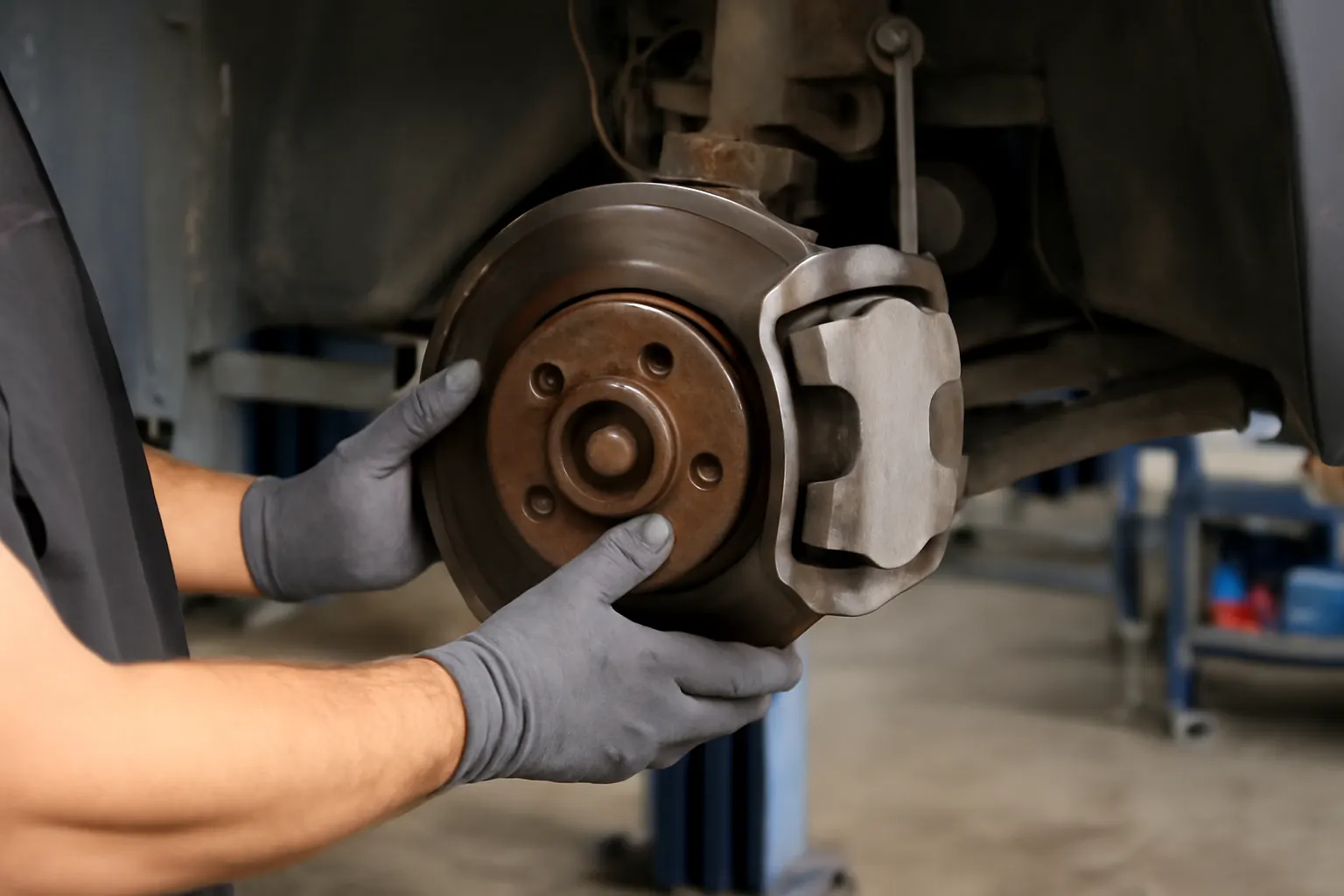
- Brake Rotors and Drums: Exposed to the elements, especially at the edges and vents.
- Calipers and Caliper Brackets: Prone to seizing if corrosion forms on sliding surfaces.
- Backing Plates: Thin steel construction makes them susceptible to rust-through.
- Brake Lines and Hoses: Steel lines corrode from road salt; rubber hoses degrade from exposure and age.
- Wheel Hub Assembly: Corrosion at the hub-to-rotor interface can cause warping or make rotor removal difficult.
- ABS Sensors and Mounts: Corrosion here can trigger false ABS warnings or total sensor failure.
Routine inspection of these hotspots is essential. If you notice any flaking, pitting, or bubbling on the surface, corrosion is already underway.
Environmental Factors That Accelerate Brake Corrosion
Certain driving and storage conditions dramatically increase the risk of brake system corrosion:
- Road Salt and De-Icers: Common in winter climates, these chemicals aggressively attack bare metal.
- High Humidity and Frequent Rain: Moisture accelerates rust formation, especially if the vehicle is parked outdoors.
- Coastal Areas: Salt air corrodes metal even without direct road salt contact.
- Frequent Short Trips: Brakes don’t get hot enough to evaporate moisture, allowing corrosion to take hold.
- Long-Term Storage: Vehicles left unused for weeks or months can develop rust “welds” between pads and rotors.
If you drive in any of these environments, step up your corrosion prevention efforts.
Materials Matter: Choosing Corrosion-Resistant Brake Parts
Modern advancements in materials technology, as highlighted by the Department of Energy 2, have given drivers more options than ever for corrosion-resistant brake components. When replacing parts, look for:
- Zinc-Plated or Coated Rotors: These resist surface rust far better than bare cast iron.
- Stainless Steel Backing Plates: More expensive, but highly durable in salty or wet conditions.
- Epoxy-Coated Calipers: Offer superior protection compared to bare or painted units.
- Upgraded Brake Lines: Consider corrosion-resistant alloys or stainless steel braided lines for maximum longevity.
- Polymer or Composite ABS Sensor Housings: Resist moisture intrusion better than traditional metal-bodied sensors.
Always verify that replacement parts meet or exceed OEM corrosion resistance standards and are compatible with your specific vehicle model.
Inspection and Diagnostic Checklist for Brake Corrosion
Consistent inspections are the cornerstone of corrosion prevention. Use this expert checklist to assess your brake system:
Brake Corrosion Inspection Checklist
| Area | What to Look For | Action if Problem Found |
|---|---|---|
| Backing Plate | Rust spots, holes, missing sections | Replace if compromised |
| Brake Rotors | Surface rust, pitting, flaking, discoloration | Resurface or replace |
| Calipers | Sticking/sluggish movement, rust on slides/pistons | Clean/lubricate or replace |
| Brake Pads | Uneven wear, delamination, corrosion on backing plates | Replace pads |
| Brake Lines | Flaking, bulging, wetness, visible rust | Replace affected lines |
| Wheel Hub | Corrosion at rotor-to-hub interface, noise | Clean, lubricate, or replace |
| ABS Sensors | Rust on mounts, warning lights, erratic ABS function | Clean or replace sensor |
Perform this inspection at every oil change, before and after winter, and whenever you notice changes in braking performance.
Cleaning and Maintenance: Keeping Corrosion at Bay
Even with the best parts, regular cleaning and maintenance are vital. Here’s how to keep your brake system in top shape:
Cleaning Procedures
- Rinse Underbody and Wheels Regularly: Especially after driving on salted roads or through mud. Use a pressure washer if possible, but avoid direct streams at sensitive electrical connectors.
- Remove Wheels for Deep Cleaning: At least twice a year, remove the wheels to access and clean the backing plates, rotors, and calipers.
- Use Brake Cleaner Spray: Apply to rotors, calipers, and backing plates to dissolve grime and salt residue. Avoid spraying on rubber or painted surfaces.
- Inspect and Clean Drainage Holes: Ensure that any drainage holes in the backing plate or caliper bracket are clear to prevent water pooling.
Maintenance Intervals
- Brake Fluid Replacement: Flush and replace every 2 years or as specified by your vehicle manufacturer to prevent internal corrosion in calipers and lines.
- Lubricate Caliper Slides: Use high-temperature, moisture-resistant brake grease to keep caliper pins moving freely.
- Touch-Up Coatings: If you spot chipped paint or bare metal, touch up with high-temp paint or a corrosion inhibitor designed for brake parts.
By integrating these steps into your routine, you dramatically reduce the risk of corrosion-related failures.
Protective Coatings and Treatments: What Works and What Doesn’t
Not all coatings are created equal. Here’s a breakdown of what’s effective:
- Factory-Applied Zinc or Geomet Coatings: Highly effective on rotors and hardware; resist rust even in harsh environments.
- Aftermarket High-Temp Paints: Good for touch-ups on backing plates and caliper brackets. Must be applied to clean, rust-free surfaces.
- Oil-Based Undercoatings: Useful for frame and underbody, but avoid getting these on rotors, pads, or caliper surfaces.
- DIY Rust Converters: Can stop minor surface rust, but not a substitute for replacing deeply corroded parts.
Never apply grease, oil, or paint to friction surfaces (rotor faces, pad material) as this will compromise braking performance.
Replacing Corroded Components: When to Repair vs. Replace
Sometimes, cleaning and coating aren’t enough. Replace any brake component that shows:
- Structural rust-through or holes (especially on backing plates and brake lines).
- Deep pitting or flaking on rotors that can’t be resurfaced.
- Caliper pistons or slides that are seized due to corrosion.
- ABS sensors with damaged mounts or erratic readings linked to corrosion.
- Brake pads with corroded backing plates or delaminated friction material.
For a step-by-step guide to replacing backing plates, see our detailed editorial: DIY Backing Plate Replacement: Step-by-Step Guide.
Sourcing Quality Brake Parts: What to Look For
When sourcing replacement parts, always:
- Buy from reputable suppliers that meet or exceed OEM standards.
- Check for corrosion-resistant features (coatings, materials).
- Verify fitment using your vehicle’s year, make, and model.
- Inspect new parts for shipping damage or missing coatings before installation.
For a full selection of corrosion-resistant front backing plates, brake rotors, and brake calipers, use the AutoPartEx category catalogs to ensure correct fitment and quality.
Storage and Seasonal Considerations
If your vehicle will be stored for more than a few weeks:
- Wash and thoroughly dry the underbody and wheels before storage.
- Park in a dry, covered area with good ventilation.
- Use tire cradles or move the vehicle occasionally to prevent pad-to-rotor rust bonding.
- Consider using a dehumidifier or moisture-absorbing packs in the garage.
After winter or long-term storage, perform a full brake inspection before returning to regular driving.
Warning Signs of Corrosion Damage: Don’t Ignore These Symptoms
Be alert for these signs, which can indicate advanced corrosion:
- Squealing, grinding, or scraping noises during braking.
- Soft or spongy brake pedal feel.
- Pulling to one side when braking.
- Brake warning or ABS lights on the dashboard.
- Visible rust flakes or holes on backing plates, rotors, or lines.
- Fluid leaks near wheels or under the vehicle.
If you notice any of these, schedule an inspection immediately. For more on symptom diagnosis, see Signs Your Backing Plates Need Replacement.
The AutoPartEx Advantage: Expert Guidance and Quality Parts
At AutoPartEx, we understand that preventing brake system corrosion is about more than just buying parts—it’s about making informed choices and following proven maintenance routines. Our curated selection of front backing plates, brake assembly, and related components are engineered for durability, fitment, and corrosion resistance.
Our technical editorial team is constantly updating guides and checklists to keep you ahead of hidden threats like corrosion. Whether you’re a DIYer or a professional technician, AutoPartEx is your trusted partner for reliable, long-lasting brake system performance.
Take Action: Protect Your Brakes Today
Corrosion is relentless, but with the right knowledge and maintenance habits, you can keep your brake system safe, responsive, and reliable for years to come. Inspect regularly, use quality corrosion-resistant parts, clean and protect your brake assemblies, and don’t delay repairs when you spot trouble.
Explore our front backing plate catalog for the latest corrosion-resistant solutions, and visit our editorial section for more in-depth maintenance guides.
References
- Vehicle Safety and Equipment – National Highway Traffic Safety Administration
- Materials Technologies – United States Department of Energy
- Fuel Efficiency – United States Department of Energy