How to Source Discontinued Rover Trim Pieces
If you’re restoring, maintaining, or personalizing a Rover—especially a legacy model—sourcing discontinued interior and exterior trim can feel like a treasure hunt. The most effective strategies for finding rare Rover trim pieces involve a combination of targeted online searches, leveraging enthusiast networks, verifying authenticity, and understanding the technical nuances of fitment. For many owners, the Rover Parts Catalog is the first stop, but when factory supply dries up, you’ll need to dig deeper. This guide details the practical steps, technical considerations, and expert tactics essential for sourcing rare trim for your classic Rover.
The Immediate Answer: Where to Look for Discontinued Rover Trim
The fastest path to finding discontinued Rover trim pieces is to combine several proven approaches:
- Check specialist Rover parts suppliers and classic car parts dealers—these often have old stock or reproduction trim.
- Search enthusiast forums and online Rover communities—members frequently trade or know sources for rare parts.
- Monitor reputable auction sites and classified listings—eBay, Car & Classic, and specialist Rover auction sites are goldmines for NOS (New Old Stock) and used trim.
- Attend classic car shows and swap meets—physical events can yield unexpected finds and direct contacts.
- Consult professional trim restoration shops—they may have access to reproduction parts or be able to refurbish originals.
Within the first few days of searching, you can often locate at least one viable lead. However, the real challenge is verifying fitment, authenticity, and quality—which are critical for both safety and restoration value.
The Hidden Challenge: Rarity, Compatibility, and Safety
While the hunt for discontinued trim is exhilarating, it’s fraught with pitfalls. Many trim pieces are model- or year-specific, and subtle differences may affect fit, appearance, or even vehicle safety. For example, the National Highway Traffic Safety Administration highlights that certain trim components—such as interior panels or bumper covers—can affect occupant protection or the function of safety systems if not correctly matched and installed [Vehicle Safety and Equipment].
Even if a part looks right in photos, variations in mounting points, material composition, or finish can cause headaches during installation. Counterfeit or poorly made reproduction trim can also compromise vehicle integrity or resale value. The hidden problem is not just finding a part, but finding the right part—and confirming it meets both aesthetic and technical requirements.
Understanding Rover Trim: Types, Materials, and Fitment Factors
Before you start searching, it’s essential to understand what qualifies as “trim” and why these parts are so specific to each Rover model:
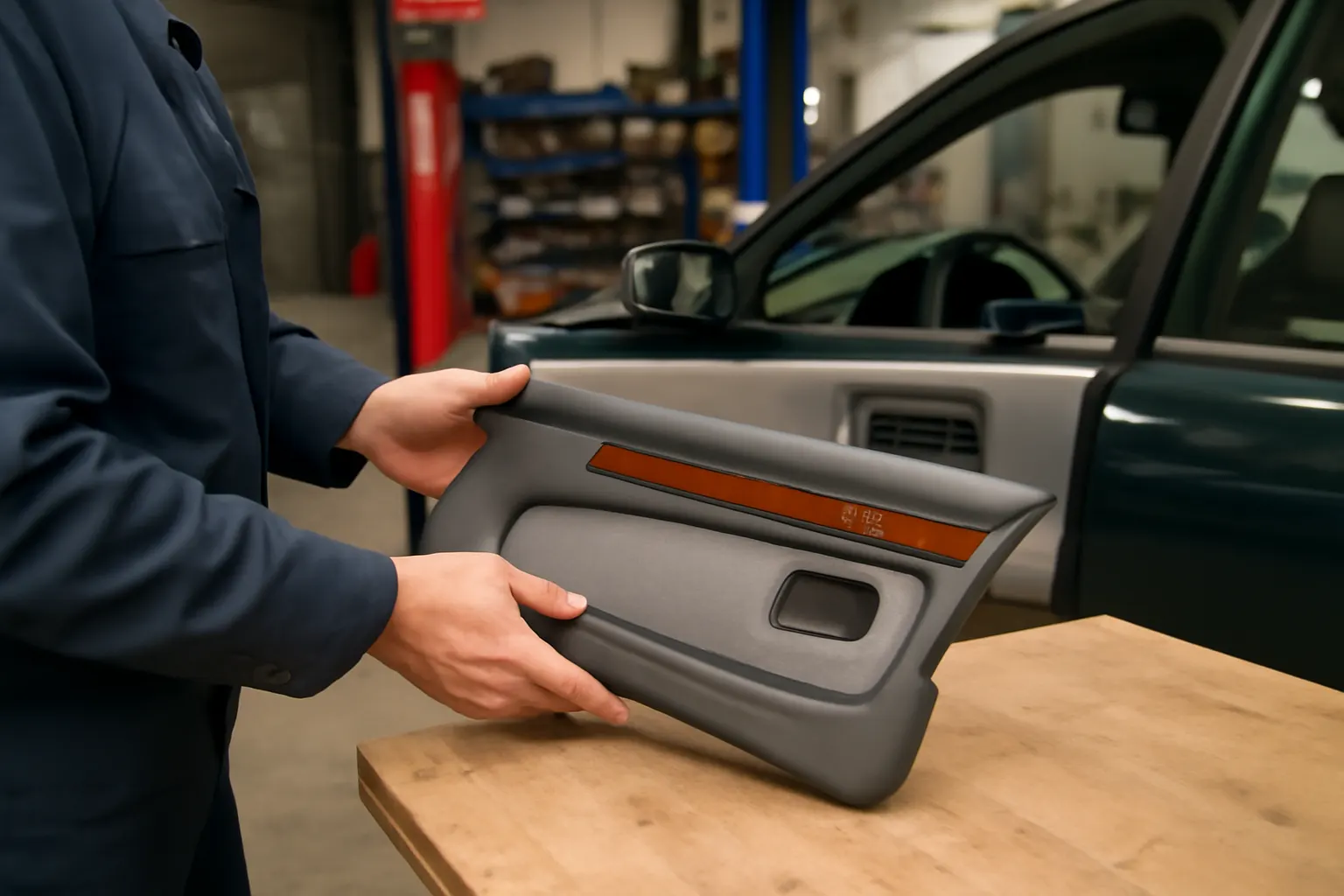
- Interior Trim: Door cappings, dashboard fascias, seat surrounds, switch bezels, center consoles, and pillar covers. These pieces are often color- and grain-matched to specific model years and trim levels.
- Exterior Trim: Bumper inserts, side moldings, window surrounds, grille trims, and badges. These are typically model- and sometimes even market-specific.
Trim pieces are made from a variety of materials—ABS plastic, aluminum, stainless steel, wood veneer, or vinyl. According to the U.S. Department of Energy’s research on automotive materials, trim components have evolved over the decades, with later Rovers using more advanced plastics and composites for weight savings and durability [Materials Technologies].
Fitment factors include:
- Production year and model variant
- Market (UK, EU, US, etc.)
- Trim level (base, SE, HSE, etc.)
- Color and finish codes
- Mounting method (clips, screws, adhesive)
Sourcing Strategy #1: Specialist Rover Parts Suppliers
Start with suppliers focused on classic British cars or Rovers specifically. These businesses often buy up dealer stock when parts are discontinued and may commission reproduction runs for high-demand trim.
How to maximize results:
- Search by OEM part number whenever possible—use the Rover Parts Catalog or Rover’s legacy EPC (Electronic Parts Catalog) to identify the exact number.
- Ask suppliers if they have “NOS” (New Old Stock) or “NLA” (No Longer Available) parts in back inventory.
- Inquire about reproduction or remanufactured options, which are sometimes made to original specifications using modern materials.
Pro tip: Build relationships with these suppliers. They may alert you when rare trim comes in or offer to source items through their network.
Sourcing Strategy #2: Enthusiast Forums and Rover Owner Clubs
Online Rover communities are invaluable for locating rare trim. Forums such as Rovertech, MG-Rover.org, and various Facebook groups have active classifieds sections.
Best practices:
- Register and introduce yourself; detailed posts about your project will attract more help.
- Use the search function—someone may have posted about your needed trim in the past.
- Post “Wanted” ads with clear photos and part numbers.
- Be open to international sources—many rare trim pieces are more common in overseas markets.
Checklist: Using Forums Effectively
- Register with a reputable Rover forum or club
- Search existing threads for part leads
- Post a detailed “Wanted” ad with photos and part numbers
- Respond promptly to offers and follow up on leads
- Verify seller reputation through feedback or references
Sourcing Strategy #3: Auction Sites and Online Marketplaces
Websites like eBay, Car & Classic, and Gumtree are treasure troves for discontinued trim. Many sellers list NOS, used, or even bulk lots of Rover parts.
Search tips:
- Use OEM part numbers and alternative names (e.g., “Rover 75 walnut dash trim” or “Rover P6 sill cover”).
- Set up saved searches and alerts.
- Check seller ratings and request additional photos or measurements.
- Factor in shipping costs and customs duties for international purchases.
Caution: Be wary of generic listings or sellers who cannot provide exact part numbers or provenance. Consult our Spotting Counterfeit Rover Parts: Owner’s Checklist to avoid fakes.
Sourcing Strategy #4: Classic Car Shows, Autojumbles, and Swap Meets
Physical events allow you to inspect trim pieces in person and negotiate directly with sellers. Many Rover owners and parts dealers attend annual shows or regional meets.
Preparation steps:
- Make a list of needed trim, including part numbers and photos.
- Bring measuring tools and a flashlight for close inspection.
- Network with club members and traders—leave your contact info for future leads.
- Be prepared to haggle, but know the going rates for rare trim.
Expert tip: Early arrival is key—rare trim often sells within the first hour of an event.
Sourcing Strategy #5: Professional Trim Restoration and Fabrication
When original trim is truly unobtainable, restoration shops specializing in classic interiors and exteriors may be able to refurbish damaged pieces or fabricate replacements.
- Refurbishment: Rechroming, repainting, or regraining original trim can restore appearance and function.
- Fabrication: Skilled shops can reproduce trim using CNC machining, 3D printing, or traditional metalworking. While this is more expensive, it’s often the only option for ultra-rare or bespoke parts.
Choosing a shop:
- Look for experience with British or Rover vehicles.
- Ask for before/after photos of similar projects.
- Get a written estimate and timeline.
The Technical Side: Verifying Authenticity and Fitment
Not all trim is created equal. Here’s how to ensure you’re getting the right piece:
1. Confirm Part Numbers and Application
- Use Rover’s EPC or VIN decoding guides to verify the correct part for your specific model and build.
- Cross-reference with the Decoding Rover VINs for Accurate Parts Selection editorial for detailed instructions.
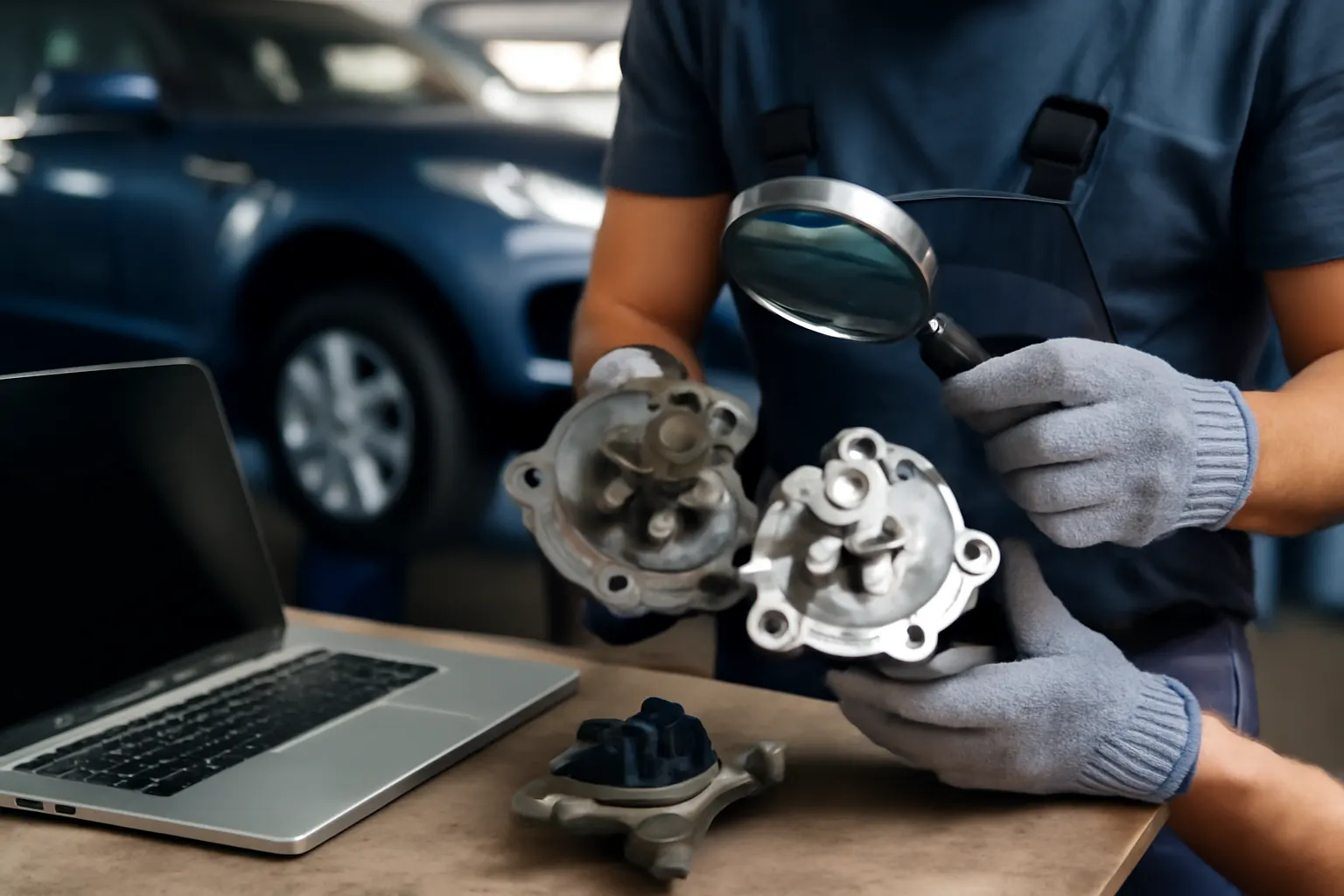
2. Inspect Materials and Markings
- Genuine trim often has part numbers, mold marks, or manufacturer logos stamped on the reverse side.
- Check for correct color, grain, and finish—especially for interior pieces.
3. Assess Mounting Points
- Compare the mounting tabs, clips, or holes to your original trim.
- If possible, test-fit the part before final installation.
4. Check for Recalls or Safety Bulletins
- Some trim components may have been subject to recalls or technical bulletins due to safety issues. Search the NHTSA Equipment Recalls Database before installing used trim.
The Hidden Pitfalls: Counterfeits and Poor-Quality Reproductions
The Rover community is not immune to counterfeit or substandard reproduction parts. These can look convincing in online photos but fail to meet fit, finish, or safety standards.
Red flags include:
- Unusually low prices
- No visible markings or part numbers
- Poor or inconsistent finish
- Sellers unwilling to provide close-up photos
How to protect yourself:
- Buy from established suppliers or forum members with positive feedback.
- Request detailed photos, especially of mounting points and reverse sides.
- Reference our dedicated guide: Spotting Counterfeit Rover Parts: Owner’s Checklist.
Installation Guidance: Fitting Rover Trim Safely and Securely
Correct installation is as important as sourcing the part. Improperly fitted trim can rattle, detach, or even interfere with vehicle safety systems.
Installation steps:
- Prepare the area: Clean all surfaces and remove old adhesive or broken clips.
- Test-fit the part: Ensure correct alignment and fitment before securing.
- Use correct fasteners: Where possible, use new OEM clips or screws; avoid generic hardware.
- Follow torque or adhesive specifications: Over-tightening can crack plastic trim; under-tightening can lead to rattles.
- Check function: For trim with integrated switches or lighting, test functionality before final assembly.
Note: If you’re not comfortable with trim installation, consult a professional or reference an official Rover workshop manual.
Maintenance and Preservation: Caring for Rare Trim
Once installed, rare trim requires careful maintenance to preserve appearance and value:
- Clean gently: Use non-abrasive cleaners designed for plastics, wood, or metal as appropriate.
- Protect from UV: Sunlight can fade or crack trim—consider window tints or UV-protective sprays for interior pieces.
- Inspect regularly: Check for loose clips, cracks, or corrosion every few months.
- Address issues promptly: Small cracks or chips can often be repaired before they worsen.
Preservation tip: For extremely rare or irreplaceable pieces, consider keeping the original in storage and using a reproduction for daily driving.
When All Else Fails: Custom Fabrication and Reverse Engineering
If exhaustive searching yields no results, modern technology offers a last resort:
- 3D scanning and printing: Some shops can scan a damaged trim piece and 3D-print a replacement in ABS or resin.
- CNC machining: Metal trim can be recreated from billet or sheet stock using CNC machines.
- Pattern making for casting: For complex shapes, a mold can be made from an original or reconstructed piece.
While these options are costly, they ensure your Rover remains complete and authentic. Always retain damaged originals for reference.
Maintaining Documentation: Records for Provenance and Value
Well-documented restoration work, including sourcing and installation of original or reproduction trim, adds value to your Rover and helps future owners verify authenticity.
- Keep purchase receipts and correspondence with sellers or restoration shops.
- Photograph before, during, and after installation.
- Document part numbers, materials, and supplier details in a maintenance log.
This documentation supports provenance, assists with future parts searches, and can be invaluable in insurance or sale scenarios.
AutoPartEx Expertise: Your Partner in Heritage Rover Parts
At AutoPartEx, we understand the unique challenges of sourcing, verifying, and fitting discontinued Rover trim. Our Rover Auto Parts: Heritage Engineering & Authentic Replacement | AutoPartEx hub connects you with trusted suppliers, detailed fitment guides, and expert technical support. We continuously update our Rover Parts Catalog to reflect the latest NOS and reproduction trim availability.
Whether you’re tackling a concours restoration or simply keeping your daily driver authentic, our editorial team and community are here to help you navigate the complex world of legacy Rover parts sourcing.
Summary Checklist: Sourcing Discontinued Rover Trim
| Step | Action | Expert Tip |
|---|---|---|
| 1 | Identify exact part number and specifications | Use VIN and Rover EPC for accuracy |
| 2 | Search specialist suppliers | Build relationships for future leads |
| 3 | Engage with Rover forums and clubs | Post detailed “Wanted” ads |
| 4 | Monitor auction sites and classifieds | Set alerts for new listings |
| 5 | Attend car shows and swap meets | Arrive early for best selection |
| 6 | Consider restoration or fabrication | Vet shops for Rover experience |
| 7 | Verify authenticity and fitment | Inspect markings and mounting points |
| 8 | Check for safety recalls | Use NHTSA database for updates |
| 9 | Install with correct methods | Follow workshop manual procedures |
| 10 | Maintain and document | Record all details for provenance |