Spotting Counterfeit Rover Parts: Owner’s Checklist
Counterfeit Rover parts are a persistent threat to the safety, reliability, and value of your classic or modern Rover. Whether you’re restoring a vintage P6, maintaining a K-Series engine, or simply replacing a worn trim piece, the risk of unknowingly installing a fake component is real—and costly. This comprehensive owner’s checklist will empower you to confidently distinguish genuine Rover parts from counterfeits, safeguard your investment, and ensure your vehicle remains true to its heritage.
If you’re searching for authentic replacements, be sure to consult the Rover Parts Catalog for verified listings and trusted sources.
The Immediate Answer: How to Spot Counterfeit Rover Parts
Genuine Rover parts are distinguished by precise markings, consistent materials, and robust quality control. Spotting a counterfeit requires a careful inspection of:
- Branding and part numbers: Authentic Rover parts feature clear, consistent logos and manufacturer codes.
- Build quality: Genuine parts meet strict engineering standards for fit, finish, and material composition.
- Packaging: Official Rover packaging is high-quality, with correct labeling and security features.
- Supplier reputation: Sourcing from authorized or reputable suppliers is the first line of defense.
Use the checklist below as your practical starting point whenever you’re evaluating a Rover component.
Owner’s Quick Checklist for Identifying Genuine Rover Parts
- Inspect the part number: Is it crisp, properly stamped, and does it match Rover’s official catalog?
- Check for the Rover logo: Is the logo present and accurate, not faded, misaligned, or misspelled?
- Evaluate packaging: Is the box or bag high quality, with holograms or anti-tamper seals?
- Assess material quality: Does the part feel sturdy, with precise machining and no rough edges or excess mold flash?
- Compare to known originals: Does it visually and physically match the original part removed from your vehicle?
- Verify supplier credentials: Is the seller listed as an authorized Rover distributor or has a strong reputation in the Rover community?
- Review documentation: Are installation instructions, warranty cards, or certificates of authenticity included?
- Cross-check with VIN: Does the part correspond to your specific Rover model and year? Use Decoding Rover VINs for Accurate Parts Selection for guidance.
- Research recalls: Check the part number against NHTSA recall lists to ensure it’s not a known counterfeit or safety risk.
- Consult expert forums: Seek advice or photos from trusted Rover owner communities.
The Hidden Problem: Why Counterfeit Rover Parts Are So Prevalent
While the checklist above can help you avoid the most obvious fakes, the counterfeit auto parts industry has become increasingly sophisticated. For Rover owners and restorers, the challenge is compounded by:
- Discontinued parts: Many original Rover components are no longer in production, driving up demand and prices for rare items.
- Global online marketplaces: The rise of e-commerce has made it easier for counterfeiters to reach unsuspecting buyers worldwide.
- Visual similarity: Modern counterfeits often closely mimic genuine parts, making detection difficult without technical knowledge or side-by-side comparison.
This means that even experienced owners and mechanics can be caught out, especially when sourcing rare trim, engine, or electrical components for classic and late-model Rovers.
Why Counterfeit Parts Are a Critical Threat to Your Rover
The risks of counterfeit Rover parts extend far beyond wasted money. Installing fake components can have severe consequences:
- Safety hazards: Counterfeit brake pads, steering components, or airbags may fail catastrophically due to substandard materials and lack of testing, endangering occupants and others on the road. The National Highway Traffic Safety Administration (NHTSA) has documented numerous safety incidents linked to counterfeit equipment.
- Mechanical failures: Inferior engine, drivetrain, or suspension parts can accelerate wear, cause breakdowns, or void your vehicle’s insurance.
- Reduced value: A Rover with non-genuine or questionable components loses collector credibility and resale value.
- Fuel efficiency impacts: Counterfeit sensors, pumps, or injectors can degrade engine performance and increase fuel consumption, as noted by the United States Department of Energy.
For these reasons, vigilance in parts sourcing and verification is not just about authenticity—it’s about preserving your Rover’s safety, performance, and legacy.
Understanding How Counterfeiters Target Rover Owners
Counterfeiters exploit several vulnerabilities in the Rover parts market:
1. Discontinued Heritage Parts
With many original Rover components out of production, the market for rare or NOS (new old stock) parts is lucrative. Counterfeiters often target:
- Badges, grilles, and body trim
- Engine gaskets and sensors (especially for K-Series engines)
- Switchgear and interior plastics
- Electrical connectors and relays
2. Fast-Moving Service Parts
High-volume items like filters, brake pads, and bulbs are mass-produced and easily faked. These are often sold via online marketplaces with misleading photos and vague descriptions.
3. Packaging and Documentation
Counterfeiters have improved their packaging, sometimes even including forged holograms or certificates. However, subtle errors in print quality, font, or barcode placement are common red flags.
4. Price Manipulation
If a part is offered at a price “too good to be true,” especially for rare items, it often is.
Technical Comparison: Genuine vs. Counterfeit Rover Parts
Below is a technical checklist contrasting key attributes of authentic and fake Rover components:
| Attribute | Genuine Rover Part | Counterfeit Part |
|---|---|---|
| Branding | Crisp, accurate logo and font | Fuzzy, misspelled, or slightly altered logos |
| Part Number | Matches Rover catalog and VIN | Incorrect, missing, or generic numbers |
| Material Quality | Consistent weight, finish, and composition | Feels lighter, rougher, or uses cheap plastics |
| Machining/Casting | Clean, precise, no excess flash or burrs | Rough edges, excess mold flash, or uneven casting |
| Packaging | High-quality, holograms, correct labeling | Low-quality, blurry print, missing security marks |
| Documentation | Includes instructions, warranty, authenticity | Missing or poorly printed paperwork |
| Supplier Reputation | Authorized, established, or community-recommended | Unknown, new, or poorly reviewed sellers |
Use this table alongside the earlier checklist whenever you’re uncertain about a part’s authenticity.
How Counterfeit Parts Compromise Safety and Performance
The technical risks of counterfeit parts are well documented by both regulatory agencies and engineering bodies:
- Failure to meet SAE standards: Genuine Rover parts are engineered and tested according to SAE International standards for fit, strength, and safety. Counterfeit parts often skip these tests, resulting in poor tolerances and unpredictable failure modes.
- Lack of traceability: Genuine parts can be traced via batch numbers and supplier records. Counterfeit parts have no such documentation, making recalls and safety notifications impossible.
- Inferior materials: Fake parts may use recycled metals, low-grade plastics, or subpar adhesives, leading to premature failure. For example, counterfeit gaskets may leak or disintegrate, causing engine damage.
- Electrical hazards: Counterfeit sensors or wiring may not be insulated or calibrated correctly, risking short circuits or fire.
The NHTSA and SAE International both highlight the dangers of substandard components in their official guidance (NHTSA Equipment, SAE Standards).
Sourcing Genuine Rover Parts: Where and How to Buy Safely
To minimize risk, always use trusted sources when purchasing Rover components:
1. Authorized Rover Parts Dealers
Seek out suppliers who are officially recognized by Rover or their successor companies. These dealers typically offer:
- Full traceability and return policies
- Manufacturer-backed warranties
- Up-to-date parts catalogs
2. Reputable Rover Specialists
Many independent Rover specialists have built their reputations over decades. Look for those with strong community feedback and a documented history of supplying genuine or high-quality replacement parts.
3. Community Recommendations
Consult established Rover owner forums, clubs, and restoration groups for supplier recommendations. Peer-reviewed sources are less likely to risk their reputation on counterfeit parts.
4. Catalog Verification
Cross-reference any part number or description with the Rover Parts Catalog or your vehicle’s official parts manual. If in doubt, ask for photos of the actual item and packaging.
Diagnostic Steps: Verifying Authenticity After Purchase
Even after a purchase, you should verify authenticity before installation:
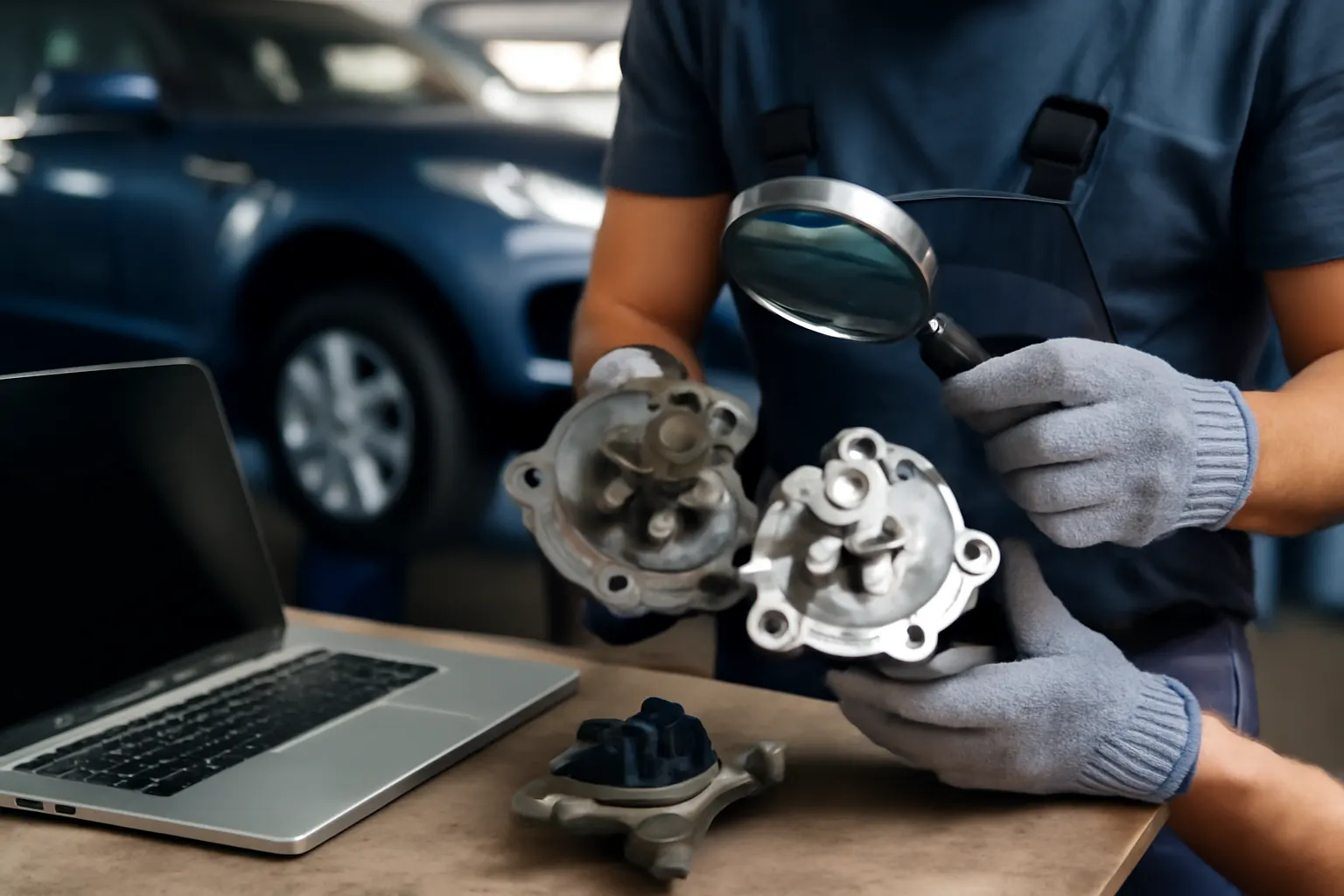
- Compare with Original: Lay the new part next to the one being replaced. Look for differences in color, weight, finish, and markings.
- Check Fitment: Genuine parts fit precisely without forcing or modification. If a part requires excessive adjustment, it may be fake.
- Test Functionality: For electrical or sensor components, test operation before full installation. Genuine items should match expected readings and response times.
- Scan for Recalls: Use the NHTSA recall database to check if the part number has been flagged as counterfeit or unsafe (NHTSA Recalls).
- Seek Expert Opinion: Share detailed photos with a Rover specialist or trusted forum for a second opinion.
Special Risks: Counterfeit Parts in Classic and Heritage Rover Models
Owners of classic Rovers face unique challenges:
- NOS (New Old Stock) Pitfalls: Some counterfeiters label modern reproductions as “NOS” to command higher prices. Always request provenance and detailed photos.
- Obsolete Part Numbers: Verify that the part number matches your model and year. Use Decoding Rover VINs for Accurate Parts Selection for precise matching.
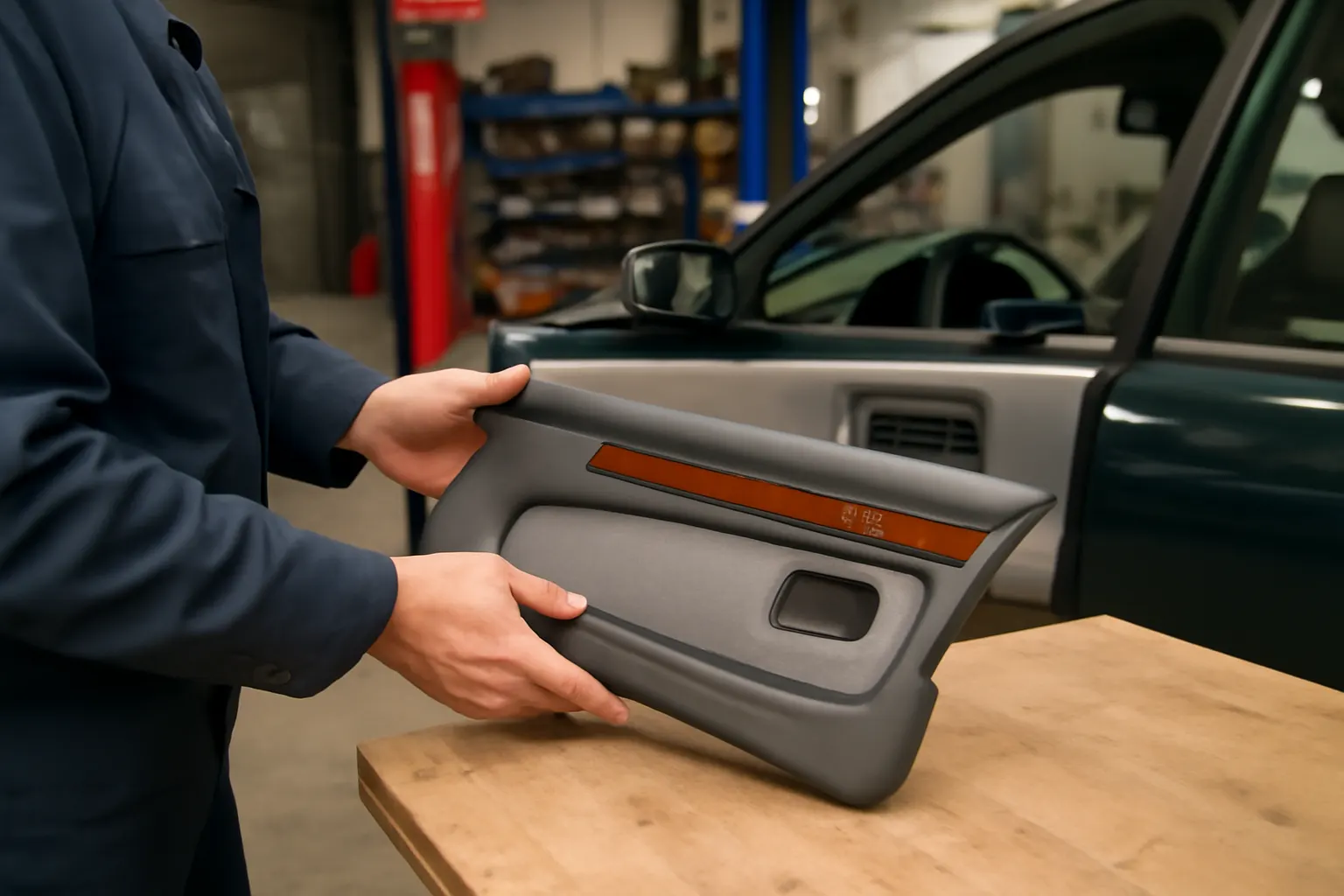
- Trim and Cosmetic Parts: Badges, switches, and interior plastics are commonly faked. Compare with trusted restoration guides or original Rover literature.
- Engine-Specific Risks: The K-Series engine, for example, is sensitive to gasket and sensor quality. Refer to Rover K-Series Engine Service and Common Failures for component-specific advice.
Advanced Tips: Using Engineering Standards and Testing
For high-value or safety-critical components, consider these advanced verification steps:
- SAE Compliance: Ask the supplier if the part meets applicable SAE Standards. Genuine parts will often carry stamped compliance marks or include certification.
- Material Analysis: For critical engine or suspension parts, a professional machine shop can test material hardness or composition.
- Barcode and RFID Scanning: Some modern Rover parts include scannable codes for traceability. Use a smartphone app or request documentation from the supplier.
- Batch and Lot Numbers: Genuine parts include batch codes that can be traced to production runs. Counterfeits rarely offer this level of detail.
What to Do If You Suspect a Counterfeit Rover Part
If you believe you’ve purchased or installed a counterfeit part:
- Do not install or use the part.
- Contact the supplier immediately and request a return or refund, citing your evidence.
- Report the incident to Rover, NHTSA, or your country’s vehicle safety authority.
- Warn the Rover community via forums or clubs to prevent others from being caught out.
- Replace with a verified genuine part as soon as possible, especially for safety-related items.
Documentation and transparency are your allies—keep all receipts, photos, and correspondence as evidence.
Maintaining Authenticity: Best Practices for Long-Term Rover Ownership
- Keep detailed service records, including photos of replacement parts and packaging.
- Build relationships with trusted suppliers and Rover specialists.
- Regularly audit your vehicle’s components during maintenance—especially if you’ve purchased from new or untested sources.
- Stay informed about recalls, counterfeit alerts, and new part releases via the NHTSA and Rover owner networks.
- Preserve original packaging and documentation for future verification or resale.
How AutoPartEx Supports Authentic Rover Ownership
At AutoPartEx, we understand the importance of sourcing genuine components for your Rover—whether you’re a daily driver, concours restorer, or collector. Our curated Rover Auto Parts: Heritage Engineering & Authentic Replacement listings and technical guides help you avoid counterfeit pitfalls and keep your Rover running as intended.
Explore our in-depth resources and connect with our network of verified suppliers to secure authentic parts for every Rover model and era.
For rare or discontinued trim, see our guide on How to Source Discontinued Rover Trim Pieces to avoid falling victim to fakes.
Conclusion: Protecting Your Rover’s Legacy
Counterfeit Rover parts are a pervasive threat, but with the right knowledge and vigilance, you can protect your vehicle’s safety, value, and authenticity. Use the owner’s checklist, consult trusted sources like AutoPartEx, and stay engaged with the Rover community to ensure every component meets the exacting standards your Rover deserves.