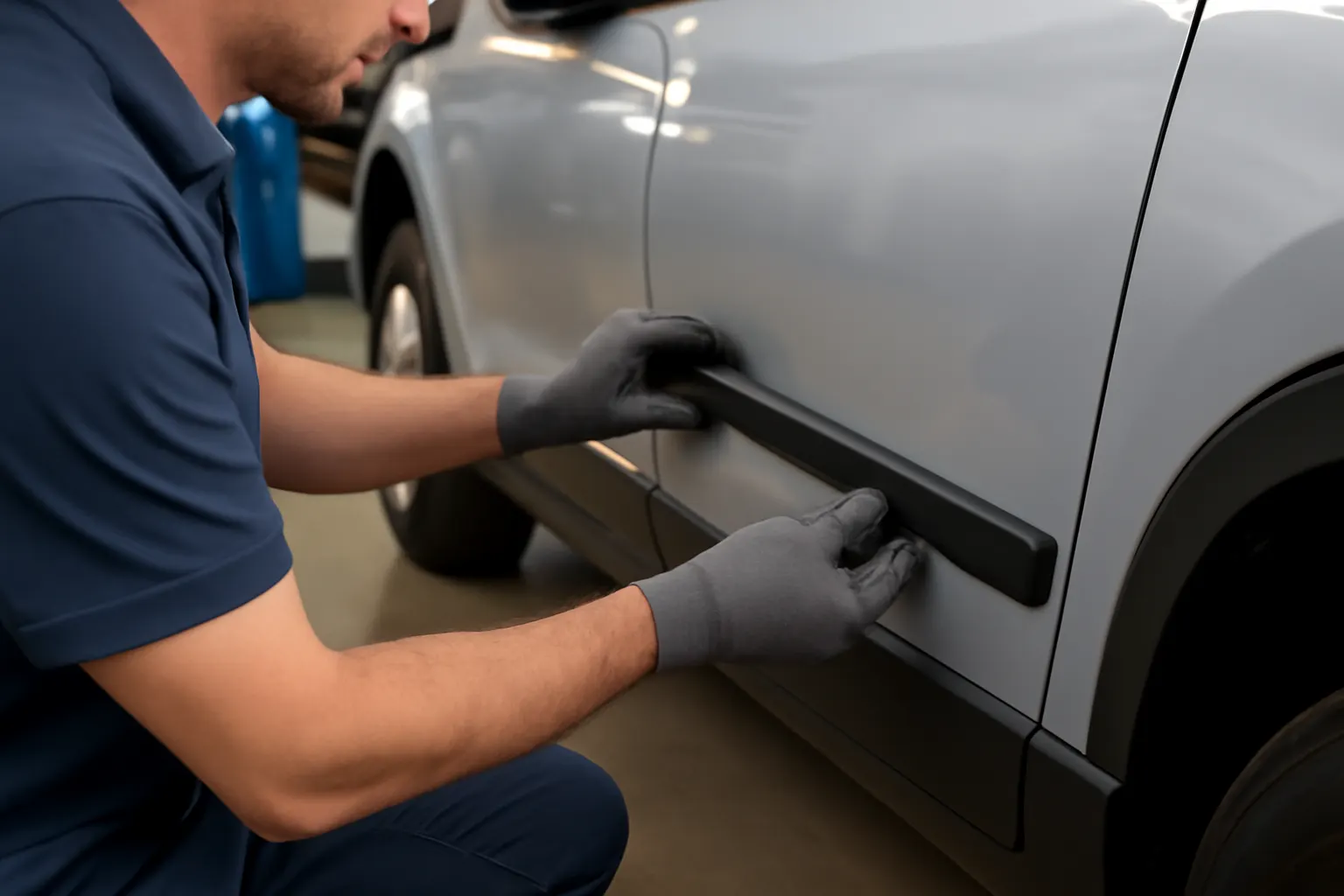
Restoration Tips: Sourcing Rare and Discontinued Mouldings
Restoring a classic or specialty vehicle to its original condition often comes down to the details—nothing is more challenging or rewarding than sourcing rare and discontinued mouldings. Whether you’re working on a vintage muscle car, a European classic, or a limited-production import, the right mouldings are essential for both appearance and protection. This guide delivers immediate, actionable strategies for finding and fitting those elusive trim pieces, helping you achieve a restoration that stands out at any show or on the road.
For a comprehensive overview of different moulding types, protective functions, and fitment strategies, visit our Complete Guide to Miscellaneous Mouldings: Protection, Style, and Fitment.
Why Rare and Discontinued Mouldings Matter Immediately
Mouldings aren’t just cosmetic. They protect your vehicle’s bodywork from dings, water intrusion, and wind noise, as well as complete the authentic look of your restoration. When original equipment manufacturer (OEM) mouldings go out of production, they become highly sought after. Their scarcity can halt a restoration project, reduce vehicle value, or leave your investment vulnerable to the elements. That’s why knowing how to source and fit rare or discontinued mouldings is a critical skill for restorers and enthusiasts.
The Hidden Problem: Scarcity and Specification Gaps
The real challenge isn’t just finding mouldings—it’s ensuring they’re the correct profile, material, and finish. Many discontinued parts are no longer catalogued, and modern reproductions may not meet original specifications or standards. This can result in:
- Poor fitment, leading to water leaks or increased wind noise.
- Material incompatibility, affecting durability and appearance.
- Safety and regulatory issues if the mouldings contribute to crash safety or structural integrity.
Understanding these hidden pitfalls is essential before you buy or install any non-OEM or reproduction moulding.
Expanding the Problem: Technical, Safety, and Regulatory Concerns
Technical Complexity
Classic vehicle mouldings were often designed for specific body lines, attachment methods, and materials. Over the decades, design standards and manufacturing processes have evolved. For instance, older vehicles may use stainless steel or aluminum trim, while modern equivalents are often plastic or composite, each with different installation and maintenance needs (DOE Materials Technologies).
Safety and Compliance
Some mouldings—especially those on doors, pillars, or around glass—play a role in crash safety or weatherproofing. The National Highway Traffic Safety Administration (NHTSA) outlines safety standards for body equipment, including protection from sharp edges, secure attachment, and resistance to corrosion or UV degradation. Using incorrect or poorly fitted mouldings can compromise these standards, potentially affecting vehicle safety and resale value.
The Documentation Gap
Discontinued mouldings are often missing from modern databases, and technical drawings may be incomplete. Even when a part number is known, cross-referencing between manufacturers, regions, or model years can be inconsistent. This makes the process of sourcing and verification more difficult than for current-production parts.
Solution Path: Step-by-Step Strategies for Sourcing Rare Mouldings
1. Identify the Exact Moulding Needed
Start by gathering all available information:
- OEM part number: Found in factory service manuals, parts catalogs, or online databases.
- Vehicle details: Year, make, model, body style, and trim level.
- Moulding location: Door, window, roof, wheel arch, rocker panel, etc.
- Material and finish: Stainless steel, chrome, anodized aluminum, black plastic, etc.
If you’re unsure, reference resources such as restoration forums, marque-specific clubs, or the Complete Guide to Miscellaneous Mouldings.
2. Search OEM and NOS (New Old Stock) Channels
- Dealerships: Some maintain old inventory or can cross-reference part numbers.
- Specialty suppliers: Companies specializing in classic or obsolete parts (e.g., AMC, Acura, Alfa Romeo) may have NOS stock. See our AMC and Acura pages for examples.
- Online marketplaces: eBay, Craigslist, and dedicated classic car parts sites often list rare mouldings.
- Auto swap meets and salvage yards: Physical searches can yield unexpected finds, especially for less-common trims.
3. Explore Reproduction and Aftermarket Options
When OEM is unavailable:
- Reproduction parts: Many restoration suppliers offer reproduction mouldings, but verify the material, dimensions, and attachment method.
- Universal mouldings: These can be trimmed to fit, but may not match original profiles or finishes.
- 3D printing or custom fabrication: For extremely rare parts, consider commissioning custom pieces from specialist shops.
4. Verify Fitment and Quality
Before purchasing:
- Request detailed photos and measurements.
- Compare to original parts or technical drawings.
- Ask for sample sections if possible.
- Check for compliance with safety and equipment standards (NHTSA Equipment).
5. Installation Planning
Installation can require special tools or adhesives, especially for older metal or multi-part mouldings. Review the manufacturer’s guidance, and consult our How to Replace Door Edge and Window Mouldings for step-by-step fitment advice.
Diagnostic Checklist: Assessing Your Vehicle’s Moulding Needs
Before you start sourcing, use this checklist to ensure you’re targeting the right parts and identifying potential issues:
| Step | Action | Notes |
|---|---|---|
| 1 | Inspect all exterior and interior mouldings | Look for cracks, corrosion, missing clips, or distortion |
| 2 | Document part numbers and locations | Use service manuals, online diagrams, or club resources |
| 3 | Assess attachment method | Is it clip-on, adhesive, or bolted? |
| 4 | Check for water leaks or wind noise | Indicates possible moulding failure |
| 5 | Evaluate finish and material | OEM finish (chrome, anodized, painted) may affect value |
| 6 | Research known problem areas for your model | Forums and clubs often highlight common moulding issues |
| 7 | Take photos and measurements | Essential for cross-referencing and custom fabrication |
Technical Background: Materials, Fitment, and Performance
Material Evolution
Older mouldings were typically made from metals like stainless steel, aluminum, or chromed brass, prized for their durability and luster. Modern replacements may use plastics, composites, or rubberized materials to reduce weight and cost (DOE Materials Technologies). Each material presents unique fitment and longevity considerations:
- Metal mouldings: Durable, repairable, but susceptible to corrosion if finish is compromised.
- Plastic/composite: Lightweight and flexible, but may fade or crack with age.
- Rubber: Ideal for weathersealing, but deteriorates over time, especially if exposed to UV.
Fitment Considerations
Correct fitment is critical for both appearance and function. Ill-fitting mouldings can:
- Trap moisture, causing rust.
- Allow wind and water intrusion.
- Increase aerodynamic drag, potentially affecting fuel efficiency.
- Fail safety inspections if sharp edges or loose attachments are present (NHTSA Equipment).
Performance and Protection
Mouldings protect vulnerable body seams, glass edges, and paintwork. They can also contribute to the vehicle’s aerodynamics and noise insulation. When restoring, always consider the original engineering intent and select materials that closely match OEM performance.
Sourcing Strategies: Beyond the Basics
Leveraging Enthusiast Networks
- Car clubs and forums: Members often have private stashes or know of rare part sources.
- Social media groups: Facebook and Instagram communities can provide leads and photos.
- Online databases: Some clubs maintain digital archives of parts diagrams and interchange lists.
International Sourcing
Certain mouldings may have been used on export models or in overseas markets. Researching international part numbers and contacting foreign suppliers can yield results, but factor in shipping costs, customs duties, and potential differences in specification.
Salvage and Restoration Specialists
Professional restorers and salvage yards can source or even custom-fabricate mouldings. Some specialize in specific marques or eras, offering expertise and access to rare inventory.
Installation Guidance: Best Practices for Rare Mouldings
Preparation
- Clean all attachment surfaces thoroughly.
- Test-fit mouldings before applying clips or adhesives.
- Use correct fasteners—substituting hardware can lead to poor fit or damage.
Attachment Methods
- Clips: Ensure all clips are present and match OEM style.
- Adhesives: Use automotive-grade urethane or double-sided tape as specified.
- Screws/bolts: Torque to manufacturer specs to avoid distortion.
Finishing Touches
- Polish metal mouldings with non-abrasive compounds.
- Protect plastic or rubber with UV-resistant treatments.
- Check for gaps or misalignment and adjust as needed.
For more detailed installation steps, refer to our How to Replace Door Edge and Window Mouldings.
Maintenance for Longevity
Rare and discontinued mouldings require careful maintenance to extend their lifespan:
- Wash regularly with non-abrasive cleaners.
- Apply wax or sealant to metal mouldings to prevent corrosion.
- Condition rubber and plastic with protectants.
- Inspect annually for loose clips, corrosion, or UV damage.
Routine maintenance not only preserves appearance but also protects underlying bodywork from moisture and debris.
Buying Guidance: Evaluating Sellers and Parts
Verifying Seller Reputation
- Check reviews and ratings on forums or marketplaces.
- Ask for references or examples of previous sales.
- Confirm return policy in case of incorrect fitment or damage.
Authenticity Checks
- Request photos of part numbers, packaging, and details.
- Compare to known OEM markings or stamps.
- Be wary of deals that seem too good to be true—counterfeit or misrepresented parts are common in rare part markets.
Price Benchmarking
Rare mouldings can command high prices. Research previous sales, auction results, and club classifieds to establish fair market value.
When to Consider Custom Fabrication
If all sourcing avenues fail, custom fabrication is an option:
- Metal shops: Can replicate stainless, aluminum, or brass mouldings using original samples or technical drawings.
- 3D printing: Increasingly viable for complex plastic profiles.
- Restoration specialists: Some shops offer bespoke moulding reproduction for concours-level restorations.
Custom fabrication is typically more expensive but may be the only route for ultra-rare or unique vehicles.
Regulatory and Safety Considerations
As mentioned, some mouldings play a role in vehicle safety and structural integrity. Always ensure:
- Replacement parts meet or exceed original safety standards.
- Edges are smooth and securely attached.
- Materials are corrosion- and UV-resistant.
Refer to NHTSA Equipment and SAE Standards for technical requirements, especially for vehicles intended for road use or resale.
Troubleshooting Common Fitment Issues
Problem: Moulding Won’t Seat Properly
- Double-check clip or fastener compatibility.
- Inspect for body damage or previous repairs that may affect alignment.
- Warm plastic mouldings gently to improve flexibility during installation.
Problem: Gaps or Uneven Appearance
- Adjust attachment points or replace damaged clips.
- Use shims or spacers as necessary, but avoid forcing parts into place.
- Verify moulding profile matches the original—universal parts may require modification.
Problem: Water Leaks or Wind Noise
- Inspect weatherseals and adjacent mouldings for gaps.
- Apply additional adhesive or sealant where appropriate.
- Test with a hose or during a drive to confirm resolution.
For more on diagnosing leaks and noise, see our Diagnosing Wind Noise and Water Leaks: The Role of Mouldings.
AutoPartEx: Your Restoration Partner
At AutoPartEx, we understand the frustration and passion behind every restoration project. Our platform connects enthusiasts with the knowledge, parts, and community support needed to source even the rarest mouldings. From choosing the right material to step-by-step installation guides, we’re here to keep your project moving forward.
Explore our extensive mouldings-misc category for both common and hard-to-find trim, or reach out to our technical team for personalized sourcing assistance.
Conclusion: Restoring with Confidence
Sourcing rare and discontinued mouldings is a challenge that demands research, patience, and technical know-how. By understanding the technical, safety, and sourcing complexities—and following a structured approach—you can achieve a restoration that’s both authentic and functional. With AutoPartEx’s resources and community at your back, even the rarest trim pieces are within reach.
References
- Materials Technologies – United States Department of Energy
- Vehicle Safety and Equipment – National Highway Traffic Safety Administration
- Fuel Efficiency – United States Department of Energy