
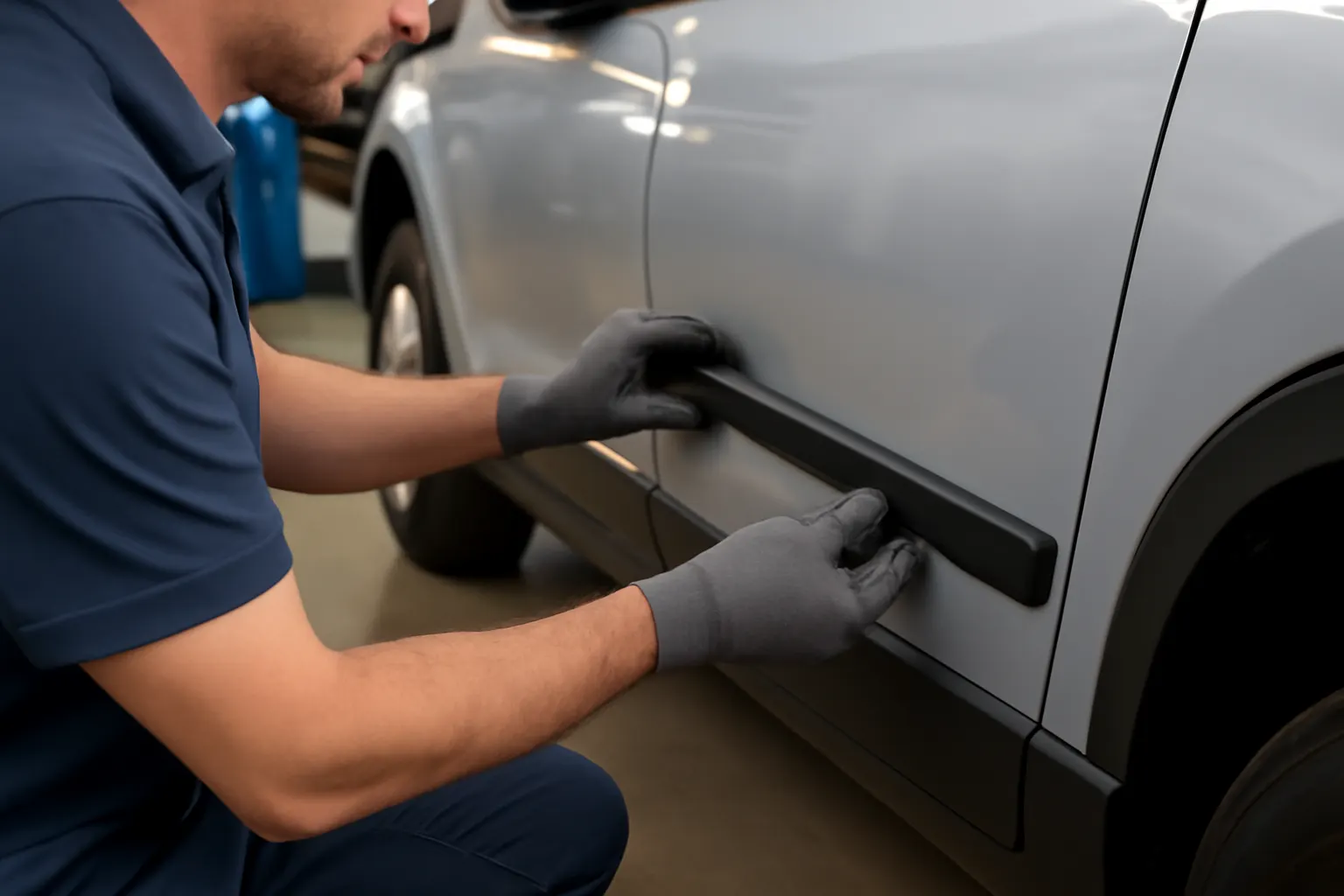
Choosing the Right Moulding Material for Your Vehicle
Selecting the right moulding material is a critical decision for any vehicle owner, whether you're restoring a classic, upgrading a daily driver, or simply replacing worn trim. The choice between TPE (thermoplastic elastomer), PVC (polyvinyl chloride), stainless steel, and aluminum mouldings can dramatically influence your vehicle’s protection, appearance, durability, and even its fuel efficiency. This guide delivers a clear, practical comparison of the most common automotive moulding materials, showing you exactly where each excels—and where they may fall short.
For a comprehensive overview of automotive mouldings, including protection, style, and fitment strategies, see our Complete Guide to Miscellaneous Mouldings: Protection, Style, and Fitment.
Immediate Answer: Quick Comparison of Moulding Materials
Here’s a concise breakdown of the four most popular automotive moulding materials:
- TPE (Thermoplastic Elastomer): Highly flexible, UV resistant, and easy to install. Best for weatherstrips, door edges, and areas exposed to frequent impact.
- PVC (Polyvinyl Chloride): Versatile, cost-effective, and chemically resistant. Commonly used for window channels, weather seals, and decorative trims.
- Stainless Steel: Exceptionally durable, corrosion-resistant, and provides a premium look. Ideal for exterior body side mouldings and rocker panel trims.
- Aluminum: Lightweight, corrosion-resistant, and easy to form. Often selected for beltline mouldings, window trims, and roof rails.
Each material is engineered for specific applications, but the best choice depends on your needs for durability, aesthetics, ease of installation, and budget. Read on to uncover the factors that might complicate your decision—and how to make the right call for your vehicle.
The Hidden Problem: Why Material Choice Isn’t Always Obvious
At first glance, picking a moulding material may seem straightforward: just match what was originally installed, right? However, modern automotive engineering and design trends have introduced new materials and manufacturing methods. This means that the “best” material for one application may be a poor fit for another—even on the same vehicle.
Material selection isn’t just about matching a look. It involves balancing protection, weight, weather resistance, longevity, and even how the moulding interacts with other vehicle systems. For example:
- Improper material choice can lead to premature cracking, fading, or corrosion.
- Incompatible mouldings can cause noise, water leaks, or interfere with adjacent parts.
- Some materials may not meet updated safety or environmental standards.
These hidden pitfalls make it essential to understand the technical strengths and weaknesses of each option before you buy or install.
The Technical Details: How Each Moulding Material Performs
TPE (Thermoplastic Elastomer)
Overview:
TPE is a family of polymers combining the processability of plastics with the flexibility of rubber. In automotive applications, TPE is prized for its resilience and adaptability.
Strengths:
- Flexibility: Maintains shape under repeated compression and flexing, making it excellent for door seals and weatherstrips.
- UV and Ozone Resistance: Resists cracking and fading, even with prolonged sun exposure.
- Temperature Tolerance: Performs well in extreme cold and heat, retaining elasticity.
- Ease of Installation: Can often be pressed or snapped into place without adhesives or fasteners.
Weaknesses:
- Cost: Slightly more expensive than PVC in most applications.
- Surface Finish: May not offer the gloss or “metal-like” appearance needed for decorative exterior trims.
Typical Uses:
Door edge guards, window weatherstrips, hatch seals, and underhood gaskets.
PVC (Polyvinyl Chloride)
Overview:
PVC is a widely used thermoplastic known for its versatility, chemical resistance, and cost-effectiveness.
Strengths:
- Affordability: Lower material and manufacturing costs.
- Chemical Resistance: Withstands exposure to oils, road salts, and cleaning agents.
- Color Options: Can be dyed or painted for custom applications.
Weaknesses:
- Brittleness in Cold: Can become stiff or crack in subzero temperatures.
- UV Sensitivity: Tends to fade or yellow without protective coatings.
- Environmental Concerns: Not as eco-friendly as TPE or metals, both in production and disposal.
Typical Uses:
Window channels, decorative trims, door seals, and dash panel inserts.
Stainless Steel
Overview:
Stainless steel offers unmatched durability and a premium finish, making it a staple for exterior and high-wear areas.
Strengths:
- Corrosion Resistance: Withstands salt, moisture, and road debris without rusting.
- Longevity: Retains structural integrity and appearance for decades.
- Aesthetic Appeal: Provides a mirror-like finish for a high-end look.
Weaknesses:
- Weight: Significantly heavier than plastic or aluminum alternatives.
- Cost: Higher material and fabrication costs.
- Installation: Requires precise fitment and specialized fasteners or clips.
Typical Uses:
Body side mouldings, rocker panel trims, grille surrounds, and classic vehicle restorations.
Aluminum
Overview:
Aluminum is favored for its lightweight properties, corrosion resistance, and ease of fabrication.
Strengths:
- Weight Savings: Reduces vehicle mass, which can improve fuel efficiency (Fuel Efficiency).
- Corrosion Resistance: Naturally forms a protective oxide layer.
- Workability: Can be stamped, bent, or extruded into complex shapes.
Weaknesses:
- Denting: Softer than steel, so it can be more easily damaged by impacts.
- Finish Durability: May require anodizing or painting to maintain appearance.
Typical Uses:
Beltline mouldings, window surrounds, roof rails, and accent trims.
Key Factors in Choosing Moulding Material
When selecting a moulding material, consider the following technical and practical factors:
1. Location and Exposure:
- Exterior mouldings face sun, moisture, salt, and debris—demanding UV, corrosion, and impact resistance.
- Interior mouldings require less weather resistance but may need to match cabin aesthetics and withstand cleaning chemicals.
2. Performance Requirements:
- Weatherstrips and seals need flexibility and compression recovery (TPE or soft PVC).
- Decorative trims may prioritize appearance and finish (stainless steel or aluminum).
3. Weight Considerations:
- Lightweight materials like aluminum and TPE can improve overall vehicle efficiency (Materials Technologies).
4. Cost and Availability:
- PVC is generally the most affordable, while stainless steel and TPE are premium options.
5. Compatibility and Fitment:
- Some mouldings are engineered to interact with sensors, glass, or adjacent panels—incorrect material may interfere with function or cause fitment issues.
Moulding Material Selection Checklist
Use this checklist to guide your buying or replacement process:
| Selection Factor | TPE | PVC | Stainless Steel | Aluminum |
|---|---|---|---|---|
| Weather Resistance | Excellent | Good (with coating) | Excellent | Excellent |
| Flexibility | Excellent | Good | Poor | Good |
| Corrosion Resistance | Excellent | Good | Excellent | Excellent |
| UV Resistance | Excellent | Fair | Excellent | Good |
| Weight | Light | Light | Heavy | Very Light |
| Cost | Moderate | Low | High | Moderate |
| Appearance | Matte/Satin | Variable | Mirror/Gloss | Satin/Gloss |
| Ease of Installation | Easy | Easy | Moderate/Difficult | Moderate |
| Typical Lifespan | 8-15 years | 5-10 years | 20+ years | 10-15 years |
Diagnostic Tips: Identifying Failing or Incompatible Mouldings
Recognizing when a moulding needs replacement—and identifying if the wrong material was previously installed—can prevent further damage and costly repairs.
Common Signs of Moulding Failure:
- Cracking or Brittleness: Often seen in aging PVC or poor-quality TPE.
- Discoloration or Fading: Indicates UV damage, more common with uncoated PVC.
- Rust Streaks: Suggests that non-stainless steel mouldings are corroding.
- Water Leaks or Wind Noise: Frequently caused by hardened, shrunken, or poorly fitting weatherstrips.
- Loose or Missing Sections: May result from improper installation or material incompatibility with mounting clips.
Diagnostic Steps:
- Visual Inspection: Check for surface defects, color changes, or physical damage.
- Flex Test: Gently bend the moulding. Good TPE or PVC should flex without cracking; metals should not deform easily.
- Seal Test: For weatherstrips, close the door and spray water along the edge—look for leaks inside.
- Fitment Check: Ensure the moulding sits flush and is securely fastened.
For more guidance, see Diagnosing Wind Noise and Water Leaks: The Role of Mouldings.
Installation Advice: Material-Specific Best Practices
Proper installation is as important as material selection for maximizing moulding performance and longevity.
TPE and PVC Installation:
- Clean Surfaces Thoroughly: Remove old adhesive, dirt, and oils before installing new mouldings.
- Use Appropriate Adhesives: Some TPE and PVC mouldings require specialized adhesives or double-sided tapes—ensure compatibility.
- Temperature Matters: Install in moderate temperatures (50–85°F) to avoid shrinking or warping.
Stainless Steel and Aluminum Installation:
- Dry Fit First: Test fit all pieces before final installation to ensure alignment.
- Use Correct Fasteners: Stainless steel mouldings often require clips or screws—avoid mixing metals to prevent galvanic corrosion.
- Protect Finishes: Wear gloves to prevent fingerprints or scratches, and avoid tools that can mar the surface.
General Tips:
- Do Not Over-Tighten: Excessive force can distort or crack mouldings, especially softer materials.
- Allow Adhesives to Cure: Follow manufacturer recommendations for adhesive set times before exposing to weather.
For hands-on instructions, our guide on How to Replace Door Edge and Window Mouldings offers step-by-step advice.
Maintenance and Longevity: Keeping Your Mouldings in Top Shape
Proactive care can extend the lifespan of any moulding material:
- Regular Cleaning: Wash with mild soap and water; avoid harsh solvents, especially on plastics.
- UV Protection: Apply protectants designed for TPE or PVC to minimize fading.
- Inspect Annually: Look for early signs of wear, especially after harsh winters or exposure to road salts.
- Touch-Up Finishes: For aluminum or stainless steel, use appropriate polishes or touch-up coatings to maintain shine and prevent pitting.
Impact on Safety and Efficiency
Mouldings do more than decorate—they play a crucial role in vehicle safety and performance. Properly selected and installed materials:
- Enhance Cabin Comfort: By sealing out wind, water, and noise.
- Protect Body Panels: Absorb minor impacts and prevent corrosion by keeping moisture out.
- Support Safety Features: Some mouldings integrate with sensors or airbags and must meet NHTSA safety equipment standards.
- Contribute to Fuel Efficiency: Lightweight materials like aluminum and TPE help reduce vehicle mass, supporting better fuel economy (Fuel Efficiency).
Neglecting material compatibility or fitment can undermine these benefits and even trigger costly repairs.
Material Sourcing: OE, Aftermarket, and Restoration Considerations
When replacing or upgrading mouldings, you’ll face choices between OE (original equipment), aftermarket, or custom solutions. Here’s how material selection fits into each scenario:
OE Replacement:
- Match Material and Profile: Ensures original fit, performance, and appearance.
- Check for Updates: Some manufacturers have switched to improved materials in later production runs—ask your supplier.
Aftermarket Options:
- Broader Material Choices: Aftermarket mouldings may offer enhanced materials (e.g., TPE upgrades for older vehicles).
- Fitment May Vary: Always verify compatibility, especially for complex shapes or integrated sensors.
Restoration Projects:
- Material Authenticity: For classic vehicles, stainless steel or aluminum may be essential for authenticity.
- Modern Upgrades: Consider TPE or improved PVC for hidden weatherstrips to boost longevity without compromising appearance.
For rare or discontinued parts, see our guide on Restoration Tips: Sourcing Rare and Discontinued Mouldings.
Troubleshooting Fitment and Compatibility Issues
Even with the right material, fitment issues can arise due to manufacturing tolerances, previous repairs, or body damage.
Common Problems and Solutions:
- Moulding Too Tight or Loose: Check for underlying body panel deformation or incorrect part numbers.
- Adhesive Failure: Old or incompatible adhesives may not bond well to new materials—clean thoroughly and use recommended products.
- Color or Finish Mismatch: Especially common with aftermarket or mixed-material installations; try to source from the same batch or manufacturer.
If you encounter persistent fitment issues, consult with a professional installer or body shop for custom solutions.
Environmental and Regulatory Considerations
Automotive materials are increasingly governed by environmental and safety regulations:
- Recyclability: Aluminum and stainless steel are easily recycled; TPE is more eco-friendly than PVC due to lower emissions during production (Materials Technologies).
- Safety Compliance: All replacement mouldings must meet federal safety standards as outlined by the National Highway Traffic Safety Administration.
- Material Restrictions: Some regions restrict the use of certain plastics or heavy metals—check local regulations if importing parts.
When to Seek Professional Help
While many mouldings can be replaced by DIYers, certain situations call for expert intervention:
- Complex Shapes or Integrated Electronics: Some modern mouldings contain wiring, sensors, or are part of advanced driver assistance systems (ADAS).
- Structural Repairs: Mouldings that interface with crash structures or load-bearing areas must be installed to OE standards.
- Classic Vehicle Restorations: Preserving authenticity and value may require specialized tools or fabrication.
If in doubt, consult a certified body shop or restoration specialist.
AutoPartEx Positioning: Your Partner in Moulding Selection
At AutoPartEx, we understand that the right moulding material is key to protecting your vehicle and maintaining its value. Our extensive catalog covers OE and premium aftermarket options in TPE, PVC, stainless steel, and aluminum, with expert support to help you navigate compatibility, fitment, and installation challenges.
For more in-depth advice and product selection, visit our Complete Guide to Miscellaneous Mouldings: Protection, Style, and Fitment, or reach out to our technical team for personalized recommendations.
Conclusion: Making the Smart Choice for Your Vehicle
Choosing the right moulding material is more than a cosmetic decision—it’s an investment in your vehicle’s protection, comfort, and longevity. By understanding the strengths and limitations of TPE, PVC, stainless steel, and aluminum, and matching them to your specific application, you can ensure a perfect fit and lasting performance.
Always consider exposure, performance demands, weight, cost, and compatibility before making your selection. Maintain your mouldings with regular care, and don’t hesitate to seek professional help for complex installations or restorations.
For ongoing technical tips, sourcing guidance, and the latest in automotive moulding technology, keep AutoPartEx bookmarked as your expert resource.
References
- Fuel Efficiency — United States Department of Energy
- Materials Technologies — United States Department of Energy
- Vehicle Safety and Equipment — National Highway Traffic Safety Administration
