The Evolution of Renault’s Modular Platforms
Renault’s modular platforms revolutionized the way parts are designed, sourced, and maintained—making it easier for owners and technicians to identify compatible components, streamline repairs, and reduce costs. If you’re working on a Renault or sourcing parts for one, understanding the evolution and impact of these platforms is crucial. This guide breaks down what modular platforms mean for fitment, compatibility, and sourcing, and shows you how to leverage Renault’s engineering for smarter maintenance and repairs. For a deep dive into Renault’s full range of genuine parts and fitment, visit the Renault Genuine Auto Parts | OEM Fitment, Engineering, and Sourcing Guide.
How Modular Platforms Changed Renault Parts Compatibility
Renault’s shift to modular engineering transformed the automotive landscape for both owners and professionals. Instead of designing each model from scratch, Renault began building multiple vehicles on shared modular platforms. This approach means that a wide array of models—from city hatchbacks to SUVs—share core structural and mechanical components. For parts buyers and technicians, this opens up a broader pool of compatible parts, simplifies inventory management, and makes repairs more predictable.
But the modular approach also introduces complexity. While many parts are now cross-compatible, some components remain model- or trim-specific. This duality can lead to confusion during sourcing, diagnostics, and installation—especially if you’re not familiar with Renault’s platform codes or the nuances of modular fitment.
The Hidden Challenge: Not All Renault Parts Are Truly Interchangeable
The promise of modularity is tempting: fewer unique parts, more interchangeability, and reduced costs. However, hidden beneath this simplicity are critical distinctions. For example, while suspension arms, subframes, or certain electronic modules might be shared across models using the same platform, body panels, wiring harnesses, and trim can differ substantially—even within the same platform family.
For owners and technicians, this means that assuming “platform = compatibility” can result in incorrect orders, installation headaches, or even safety issues. Understanding the boundaries of Renault’s modular strategy is essential for anyone sourcing, fitting, or maintaining parts.
Expanding the Problem: Platform Codes, Engineering Updates, and Sourcing Pitfalls
Let’s dig deeper. Renault’s modular platform strategy evolved over decades, with significant milestones such as the B platform (Clio, Captur), C platform (Megane, Scenic), and the more recent CMF (Common Module Family) architecture co-developed with Nissan. Each generation introduced new engineering standards, safety systems, and electronic integrations—sometimes mid-cycle.
This creates several sourcing pitfalls:
- Platform Codes and Generational Overlaps: Two cars built on the “B” platform may use different revisions of parts due to mid-cycle updates or regional variations.
- Shared Components with Unique Calibrations: ABS modules, ECUs, or sensors may be physically interchangeable but require specific programming or software matching.
- Trim and Market Differences: Even with shared hardpoints, interior, exterior, or emissions-related parts can diverge by country or trim level.
- Safety and Regulatory Requirements: Components such as airbags, seatbelts, and crash sensors are often unique to each model/year to comply with NHTSA equipment standards.
A misstep in identifying the correct part can lead to delays, returns, or compromised safety and performance.
Technical Deep Dive: How Renault’s Modular Platforms Work
The Anatomy of a Modular Platform
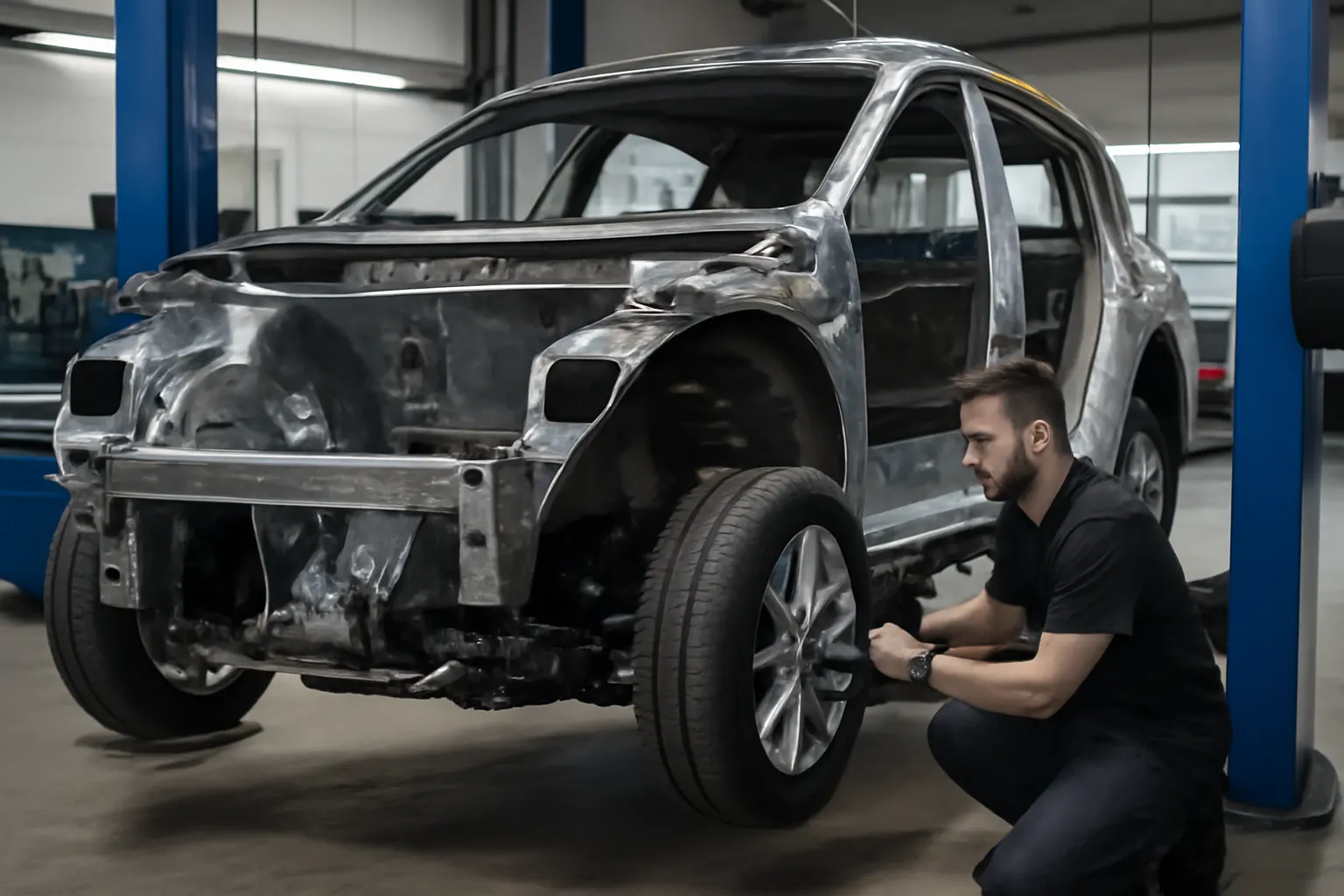
A modular platform is not just a chassis—it’s a set of standardized hardpoints, mounting locations, wiring architectures, and software protocols. Renault’s platforms are designed around key “modules”:
- Front module: Engine bay, suspension towers, crash structure
- Central module: Cabin floor, seating positions, safety cell
- Rear module: Suspension, fuel tank, rear crash structure
- Electrical/Electronic module: CANbus architecture, wiring harnesses, control units
By standardizing these modules, Renault can produce multiple body styles with shared underpinnings. For example, the Clio and Captur both use variations of the B platform, but offer different wheelbases, ride heights, and body shapes.
The CMF Revolution
The CMF (Common Module Family) architecture, introduced in the 2010s, took modularity to a new level. Developed with Nissan, CMF segments the vehicle into four key areas—engine bay, cockpit, front underbody, and rear underbody—allowing unprecedented flexibility. This enables Renault to mix and match modules to create everything from compact hatchbacks to family SUVs, all while using a common set of parts and assembly methods.
The Impact on Parts Sourcing and Inventory Management
Benefits for Parts Buyers and Workshops
- Reduced SKU Count: Fewer unique parts numbers mean easier inventory management.
- Broader Compatibility: One part number may fit several models or even brands (Renault, Nissan, Dacia).
- Easier Cross-Referencing: Shared platforms make it simpler to use fitment guides and VIN decoding tools.
Pitfalls to Watch For
- Mid-Cycle Updates: A facelift or running change can introduce incompatibilities. Always check production dates and platform revisions.
- Software/Calibration Requirements: Especially with ECUs, sensors, and ADAS components. Even a physically compatible part may need reprogramming.
- Regional Variations: Emissions, safety, and equipment differences between European, Asian, and American market Renaults.
Diagnostic and Fitment Checklist: Avoiding Costly Mistakes
To ensure you’re sourcing and installing the correct Renault part:
Renault Modular Platform Parts Checklist
| Step | What to Check | Why It Matters |
|---|---|---|
| 1 | Identify platform code (B, C, CMF, etc.) and generation | Ensures base compatibility |
| 2 | Verify production date and VIN | Accounts for mid-cycle updates |
| 3 | Cross-check part numbers and supersessions | Avoids ordering obsolete or incompatible parts |
| 4 | Confirm trim and regional specifications | Addresses market-specific differences |
| 5 | Check for software or coding requirements | Especially for electronics and safety systems |
| 6 | Reference SAE standards for interchangeability | Ensures compliance with engineering best practices |
| 7 | Consult Renault VIN Decoding & Fitment Guide | For decoding complex fitment scenarios |
Following this checklist can prevent common sourcing errors and ensure safe, reliable repairs.
Sourcing Genuine vs. Aftermarket Renault Parts: Modular Platform Implications
Modular platforms enable aftermarket manufacturers to produce compatible parts more efficiently, but genuine Renault parts often offer the best fit and compliance. Here’s why:
- Genuine Parts: Designed and tested to Renault’s exact specifications, ensuring safety, performance, and durability. Essential for critical systems (brakes, airbags, electronics).
- Aftermarket Parts: Can be a cost-effective alternative for non-critical components, but quality and fitment can vary, especially when platforms have undergone recent updates.
For mission-critical repairs, especially those involving safety or electronics, always prioritize genuine or OE-quality parts. For trim or body components, reputable aftermarket suppliers may offer good value, but always verify fitment against the specific platform and model.
Installation Considerations: What Technicians Need to Know
Mechanical Systems
- Suspension and Drivetrain: Many components are bolt-on interchangeable across models sharing the same platform. However, bushings, mounts, and geometry may differ by application.
- Brakes: Calipers and rotors may be shared, but pad compounds or sensor wiring can differ.
Electrical/Electronic Systems
- Wiring Harnesses: Even with modularity, harnesses are often tailored to each model’s equipment level.
- Control Modules: Physically identical ECUs or sensors may require specific software or immobilizer pairing. Always check for required programming steps.
Safety Systems
- Airbags and Sensors: These are highly model- and year-specific. Never substitute without confirming compatibility via VIN and platform code.
- Seatbelts and Mounts: Mounting points may be shared, but the pretensioner specification can vary.
Maintenance and Service: Leveraging Modularity for Efficiency
Renault’s modular approach simplifies routine maintenance by standardizing service procedures and parts access.
- Oil and Filter Changes: Shared engine families mean common filter cartridges and sump plugs.
- Brakes and Suspension: Standardized fasteners and mounting points make for faster, error-free servicing.
- Diagnostics: Shared electronic architectures allow for unified diagnostic tools and procedures, improving accuracy and reducing time spent troubleshooting.
For a full breakdown of Renault service intervals and common maintenance items by platform, see the Renault Maintenance Intervals & Service Checklist.
Safety and Regulatory Compliance: Why Correct Fitment Matters
Renault’s modular platforms are engineered to meet strict global safety standards, including NHTSA equipment requirements and SAE guidelines. Using incorrect or non-compliant parts—especially for crash structures, restraint systems, or electronic safety aids—can compromise vehicle safety and legal compliance.
Always verify:
- The part matches the model’s homologation for your region.
- The component meets or exceeds relevant safety standards.
- Any required software updates or calibrations are performed after installation.
VIN Decoding and Fitment: The Key to Confident Parts Selection
With modular platforms, the Vehicle Identification Number (VIN) is your most powerful tool for accurate parts sourcing. The VIN encodes:
- Platform and body type
- Engine and transmission variant
- Market and trim level
- Production date and plant
By using a VIN decoding tool—such as those referenced in the Renault VIN Decoding & Fitment Guide—you can pinpoint the exact configuration of your Renault and avoid costly fitment errors.
How to Spot Platform-Based Counterfeit Parts
The rise of modular platforms has unfortunately made it easier for counterfeiters to produce knock-off parts that appear compatible but fail to meet Renault’s safety or durability standards. Counterfeiters often target high-volume, cross-platform components: engine sensors, ECUs, or suspension arms.
To protect your vehicle:
- Source parts from authorized Renault dealers or trusted suppliers.
- Cross-check part numbers and packaging details.
- Use guides like How to Spot Counterfeit Renault Parts for red flags and verification tips.
AutoPartEx Positioning: Your Partner in Renault Modular Platform Sourcing
At AutoPartEx, we specialize in decoding the complexities of Renault’s modular platforms. Our fitment tools, cross-reference databases, and technical support ensure you get the right part—every time. Whether you’re a DIY owner or a professional technician, our platform takes the guesswork out of Renault parts sourcing. Explore our Renault parts categories for platform-specific components, or consult our expert team for complex or multi-platform fitment challenges.
Expert Action: Steps to Confident Renault Parts Sourcing
Ready to tackle your next Renault repair or upgrade? Here’s how to leverage modular platform knowledge for a smoother experience:
- Start with the VIN: Use it to decode platform, engine, and trim.
- Reference Platform Codes: Know whether your vehicle is B, C, or CMF-based.
- Double-Check Part Numbers: Especially for electronics and safety-critical parts.
- Use Trusted Sources: Rely on genuine or OE-quality suppliers, and beware of counterfeits.
- Stay Up-to-Date: Monitor for running changes or recalls that may affect compatibility. Check the NHTSA recalls database for your model.
- Consult Technical Guides: Use AutoPartEx and official Renault service resources for installation, diagnostics, and calibration procedures.
By following these steps, you’ll maximize the benefits of Renault’s modular engineering—achieving safer, more efficient, and more cost-effective repairs.
References
- Fuel Efficiency – United States Department of Energy
- Vehicle Safety and Equipment – National Highway Traffic Safety Administration
- SAE Standards – SAE International
- Vehicle, Car Seat, Tire, and Equipment Recalls – National Highway Traffic Safety Administration
- Materials Technologies – United States Department of Energy