Advertisement
Preventing Sticking Calipers: Maintenance Tips for Longevity
Brake calipers are the unsung workhorses of your vehicle’s braking system, converting hydraulic pressure into the physical clamping force that stops your car safely. Yet, even the most robust calipers can fall victim to the common and costly problem of sticking—a condition that not only undermines braking performance but can also lead to premature wear, overheating, and even safety risks. The good news? Sticking calipers are largely preventable with targeted maintenance and inspection practices. This guide from AutoPartEx delivers actionable, step-by-step advice for extending the life of your calipers and keeping your braking system operating at peak efficiency.
If you’re seeking a comprehensive overview of brake caliper technology, troubleshooting, and upgrades, our Brake Caliper Mastery: Technical Guide to Selection, Maintenance, and Performance is the definitive resource. For now, let’s zero in on the specific challenge of preventing sticking calipers and the practical steps every DIYer, technician, and fleet manager should know.
Why Sticking Calipers Demand Immediate Attention
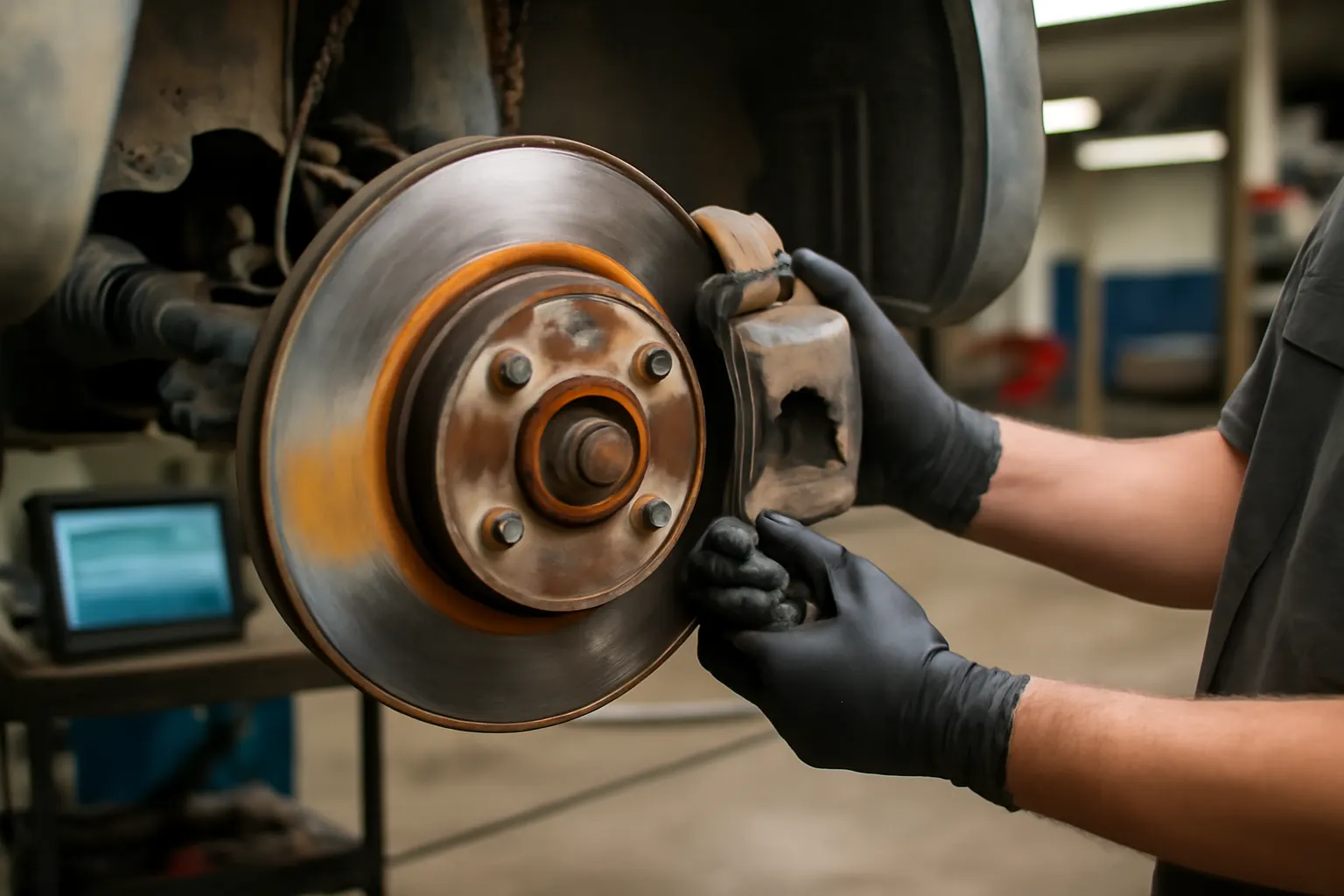
When a brake caliper sticks, the affected wheel’s brake pad remains in contact with the rotor, even after you release the brake pedal. This constant friction generates excessive heat, accelerates pad and rotor wear, reduces fuel efficiency, and—most importantly—compromises your ability to stop safely. Sticking calipers can also trigger warning lights, create uneven braking, and in severe cases, lead to loss of vehicle control.
Ignoring this issue can result in expensive repairs and even potential safety recalls, as highlighted by the National Highway Traffic Safety Administration. Therefore, proactive maintenance is not just a matter of longevity, but of safety and compliance.
The Hidden Problem: Why Calipers Stick
While caliper sticking is easy to recognize (dragging sensation, uneven pad wear, burning smell, or pulling to one side), its causes are often hidden deep within the caliper assembly. The most common culprits include:
- Corrosion: Moisture and road salt can infiltrate caliper slides and pistons, causing them to seize.
- Worn Seals and Boots: Damaged dust boots or piston seals allow contaminants to enter, leading to binding.
- Lack of Lubrication: Dry or contaminated guide pins and slides increase friction and prevent free caliper movement.
- Debris Accumulation: Brake dust, dirt, and rust can clog moving parts and compromise caliper function.
- Inferior Materials: Low-quality calipers or hardware may lack the corrosion resistance and durability of OE or high-performance components (DOE Materials Technologies).
Understanding these failure points is critical for effective prevention.
Unpacking the Technical Reasons Behind Sticking Calipers
To prevent sticking, it’s essential to appreciate how calipers are engineered and where failure modes typically occur:
1. Caliper Slide Pins and Guide Bushings
Most modern floating or sliding calipers rely on two pins or bolts that allow the caliper body to move laterally as the brakes are applied and released. These pins must remain clean and lubricated to prevent binding. If neglected, corrosion or dried-out grease can cause the caliper to “freeze” in place.
2. Piston Operation and Seal Integrity
Caliper pistons, typically made from steel, aluminum, or phenolic materials, must move smoothly within their bores. The piston seal both retains hydraulic pressure and retracts the piston upon release. If the seal is damaged or the bore corroded, the piston can stick, keeping the pad in constant contact with the rotor.
3. Environmental and Material Factors
Vehicles exposed to harsh climates, road salt, or aggressive driving are at higher risk for caliper sticking. Material selection—such as advanced coatings or corrosion-resistant alloys—plays a major role in longevity (DOE Materials Technologies). Aftermarket or performance calipers may offer superior resistance, but require the same (or greater) attention to maintenance.
Recognizing the Early Warning Signs
Diagnosing sticking calipers early can save you from costly repairs and safety risks. Key indicators include:
Advertisement
- Unusual Drag: The vehicle feels sluggish or resists rolling when brakes are released.
- Pulling: The car pulls to one side during braking or acceleration.
- Uneven Pad Wear: One pad is significantly more worn than its counterpart.
- Excessive Brake Dust: One wheel accumulates noticeably more brake dust.
- Burning Smell or Heat: A pungent odor or extreme heat from a wheel after driving.
- Reduced Fuel Efficiency: Increased rolling resistance leads to lower miles per gallon (DOE Fuel Efficiency).
- Warning Lights: ABS or brake system warning lights may be triggered.
If you observe any of these symptoms, inspect your calipers immediately to prevent further damage.
Essential Caliper Maintenance: Inspection and Lubrication
Routine inspection and proper lubrication are the foundation of caliper longevity. Here’s a practical breakdown of what effective caliper maintenance entails:
Visual Inspection Checklist
| Inspection Point | What to Look For | Action Required |
|---|---|---|
| Caliper Body | Cracks, leaks, corrosion | Replace if damaged |
| Slide Pins/Guides | Rust, pitting, lack of movement | Clean/lubricate or replace |
| Dust Boots/Seals | Tears, missing, hardened rubber | Replace immediately |
| Brake Pads | Uneven or excessive wear | Replace and investigate cause |
| Rotor Surface | Scoring, discoloration, warping | Resurface or replace |
Lubrication Essentials
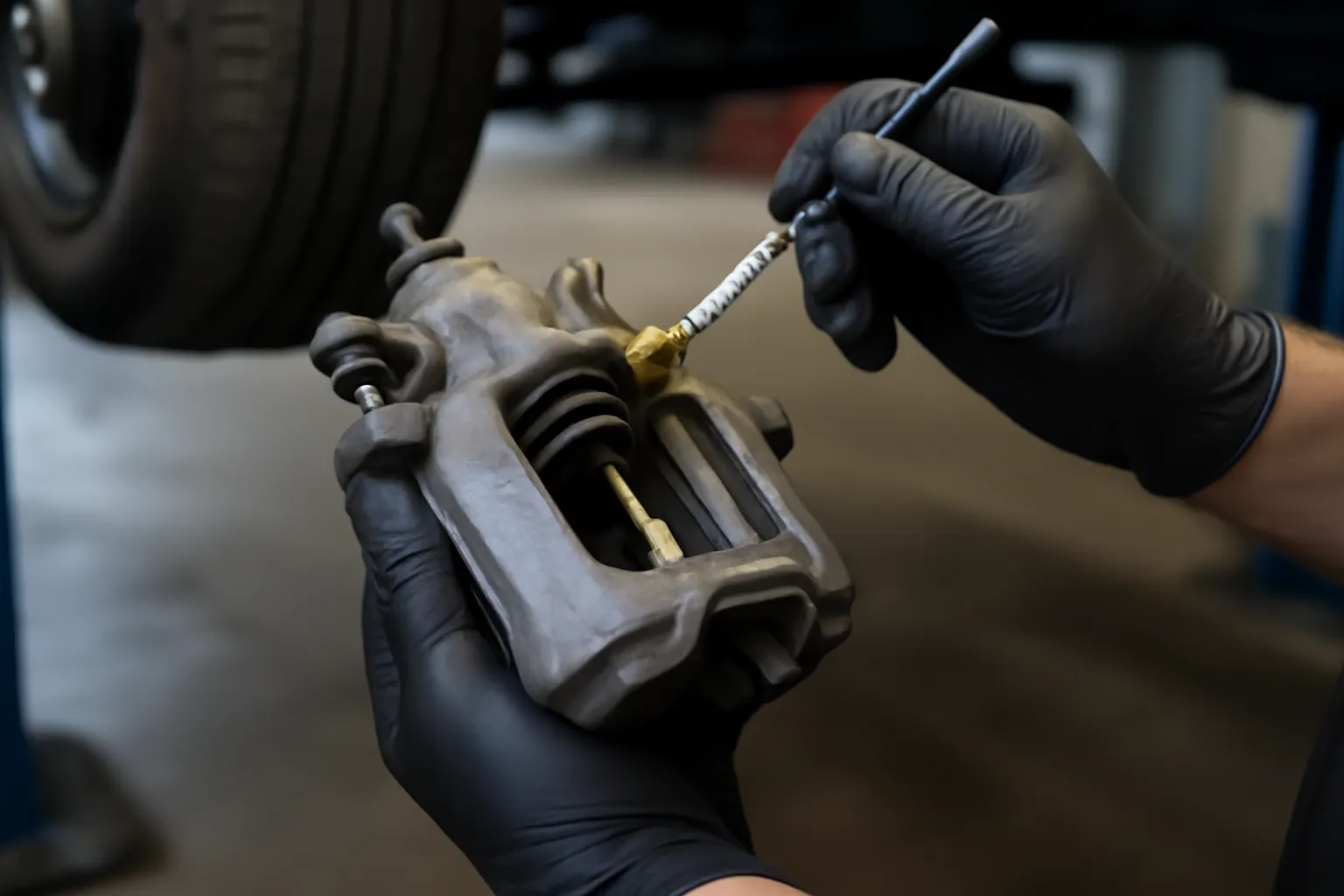
- Use High-Temperature Brake Grease: Always use a silicone-based or synthetic brake lubricant rated for high temperatures on slide pins and contact points.
- Avoid Petroleum-Based Grease: These can degrade rubber components, leading to seal failure.
- Apply Sparingly: Excess grease can attract dirt and debris, causing more harm than good.
- Don’t Forget the Pad Ears and Abutment Clips: Lightly lubricate the metal-to-metal contact points where pads rest against the caliper bracket.
Step-by-Step Guide: Cleaning and Lubricating Caliper Hardware
Proper cleaning and lubrication prevent sticking and ensure smooth caliper operation. Here’s a detailed process:
- Remove the Caliper: Safely lift and secure the vehicle, remove the wheel, and unbolt the caliper.
- Inspect and Clean Slide Pins: Remove the pins, wipe them clean, and inspect for corrosion or pitting. Replace if damaged.
- Clean Pin Bores: Use a bore brush and brake cleaner to remove old grease and debris.
- Lubricate Pins: Apply a thin coat of high-temp brake grease before reinstalling.
- Inspect and Replace Boots: Ensure dust boots are intact and flexible. Replace any that are torn or hardened.
- Lubricate Pad Contact Points: Lightly grease the pad ears and abutment clips.
- Reassemble and Test: Reinstall the caliper, torque bolts to spec, and pump the brake pedal to seat the pads.
This process should be performed during every pad replacement and at least annually in harsh climates.
Advanced Prevention: Upgrading Materials and Components
For vehicles exposed to severe conditions or high-performance use, consider upgrading to components designed for enhanced corrosion resistance and durability:
- Stainless Steel Slide Pins and Hardware: Offer superior resistance to rust and wear.
- High-Performance Dust Boots: Made from advanced elastomers that resist tearing and chemical attack.
- Coated or Anodized Calipers: Provide a barrier against moisture and road salt.
- Premium Synthetic Lubricants: Withstand higher temperatures and resist washout.
Consult the Brake Caliper Mastery: Technical Guide to Selection, Maintenance, and Performance for in-depth material and upgrade recommendations.
The Role of Environmental Factors in Caliper Longevity
Environmental exposure is a leading cause of caliper sticking, especially in regions where road salt, humidity, and temperature extremes are common. Here’s how to mitigate these risks:
- Regularly Wash Underbody and Wheels: Remove salt and debris after winter driving.
- Inspect More Frequently in Harsh Climates: Increase inspection intervals to every 6 months.
- Store Vehicles Indoors When Possible: Reduces exposure to moisture and temperature swings.
- Apply Anti-Corrosion Sprays: Use products designed to protect brake hardware from rust.
Taking proactive steps to minimize environmental exposure can dramatically extend caliper life.
Diagnosing and Addressing Sticking Calipers: In-Depth Techniques
If you suspect a sticking caliper, a systematic diagnostic approach is essential:
Advertisement
Diagnostic Steps
- Road Test: Drive the vehicle and observe for pulling, dragging, or excessive heat from wheels.
- Temperature Check: After a short drive, carefully (using an infrared thermometer) compare rotor temperatures. A significantly hotter rotor indicates sticking.
- Wheel Spin Test: With the car safely lifted, spin each wheel by hand. Resistance or rubbing noise points to a problem.
- Visual Inspection: Look for uneven pad wear, damaged boots, and signs of corrosion.
- Caliper Movement Test: With pads removed, check caliper slides for free movement.
- Hydraulic System Check: Inspect for collapsed brake hoses or master cylinder issues if calipers appear functional.
For further guidance on in-depth diagnostics and replacement, see How to Diagnose and Replace Brake Calipers.
When Replacement is the Only Option
Despite best efforts, some calipers may be too far gone for cleaning and lubrication to be effective. Replacement is required if you observe:
- Severe Corrosion: Deep pitting or rust on critical surfaces.
- Frozen Pistons or Slides: Cannot be freed with reasonable effort.
- Torn or Missing Seals/Boots: Water and debris have likely entered.
- Persistent Sticking After Service: Indicates internal damage.
Always use high-quality, vehicle-specific calipers and hardware. Reference Vehicle Safety and Equipment standards for approved components.
Preventive Maintenance Schedule: The Key to Caliper Longevity
A proactive maintenance schedule is the most effective way to prevent sticking calipers and ensure safe, efficient braking. Here’s a recommended checklist:
Caliper Maintenance Checklist
| Interval | Task |
|---|---|
| Every 6 Months | Visual inspection of calipers and hardware |
| Every 12 Months | Clean and lubricate slide pins/abutments |
| Every Pad Replacement | Replace hardware, inspect seals/boots |
| After Winter | Thorough underbody and wheel cleaning |
| At Signs of Trouble | Immediate inspection and service |
Adhering to this schedule minimizes downtime and costly repairs, and ensures compliance with safety standards.
The Impact of Sticking Calipers on Fuel Efficiency and Safety
Sticking calipers don’t just affect brake performance—they can also undermine your vehicle’s overall efficiency and safety profile:
- Increased Rolling Resistance: Causes the engine to work harder, reducing fuel economy (DOE Fuel Efficiency).
- Accelerated Wear: Leads to premature pad and rotor replacement, increasing maintenance costs.
- Compromised Safety: Reduces braking effectiveness and increases stopping distances, especially in emergency situations.
- Potential for Recalls: Persistent caliper failures can result in manufacturer recalls, as tracked by the NHTSA.
Routine maintenance is a simple, cost-effective way to avoid these pitfalls.
Sourcing the Right Caliper Parts and Lubricants
Choosing the correct replacement parts and lubricants is crucial for long-term reliability. Follow these sourcing guidelines:
- Match OEM Specifications: Use calipers, pins, and hardware designed for your specific make and model.
- Select High-Quality Lubricants: Ensure compatibility with rubber components and high-temperature operation.
- Choose Trusted Suppliers: Purchase from reputable parts distributors and consult SAE Standards for quality assurance.
- Upgrade Where Appropriate: Consider corrosion-resistant or performance options for harsh environments or demanding driving.
For help selecting the right caliper or performance upgrade, see Choosing the Right Brake Caliper for Performance Applications.
AutoPartEx: Your Partner in Caliper Maintenance and Performance
At AutoPartEx, we combine deep technical expertise with a curated selection of calipers, hardware, and maintenance products to help you achieve maximum brake performance and longevity. Our editorial team rigorously tests and reviews products to ensure you receive only the best advice and recommendations.
Whether you’re a DIY enthusiast, professional technician, or fleet manager, our resources—including the Brake Caliper Mastery: Technical Guide to Selection, Maintenance, and Performance—equip you with the knowledge and tools required for effective caliper care.
Expert Action: Don’t Wait—Inspect and Maintain Your Calipers Today
Preventing sticking calipers is not just a maintenance best practice—it’s a critical safety and performance imperative. By adopting a disciplined inspection and lubrication schedule, upgrading components where necessary, and using only quality parts and lubricants, you can dramatically extend the life of your braking system and avoid costly, dangerous failures.
If you’re experiencing any of the warning signs discussed, or if it’s been more than a year since your last caliper service, set aside time for a thorough inspection or schedule professional maintenance. For step-by-step guides and product recommendations, explore our related resources or consult with an AutoPartEx expert.
References
Advertisement