Advertisement
Understanding Brake Fade: Causes and Caliper Solutions
Brake fade is a critical safety issue that can compromise your vehicle’s stopping power, especially during demanding driving conditions. In this guide, we’ll break down the science behind brake fade, highlight the vital role of calipers in heat management, and show you how strategic caliper upgrades can dramatically enhance your vehicle’s braking performance and safety. For a comprehensive technical background on calipers, be sure to explore our Brake Caliper Mastery: Technical Guide to Selection, Maintenance, and Performance.
What Is Brake Fade? The Immediate Answer
Brake fade is the temporary reduction or complete loss of braking effectiveness due to overheating of the braking system. It most commonly occurs during repeated hard stops, spirited driving, or towing heavy loads. When the brakes overheat, the friction material, brake fluid, or caliper components can no longer operate efficiently, leading to longer stopping distances and a “soft” or unresponsive brake pedal.
Key Points:
- Brake fade = loss of braking power from overheating.
- Common in high-demand scenarios: mountain descents, track days, towing, or heavy traffic.
- Immediate danger: Inability to stop as expected, increasing the risk of collision.
The Hidden Problem: Why Calipers Matter in Brake Fade
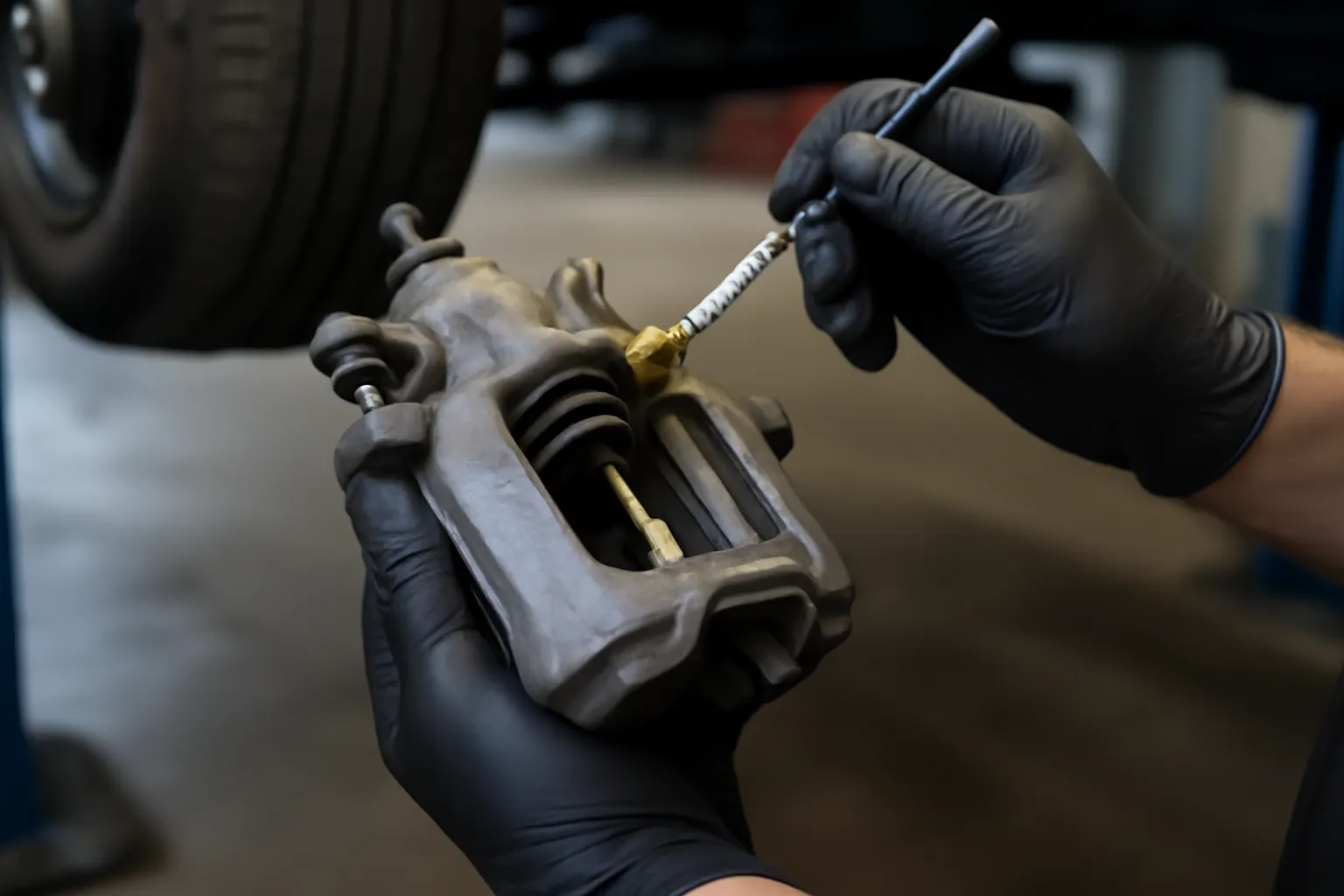
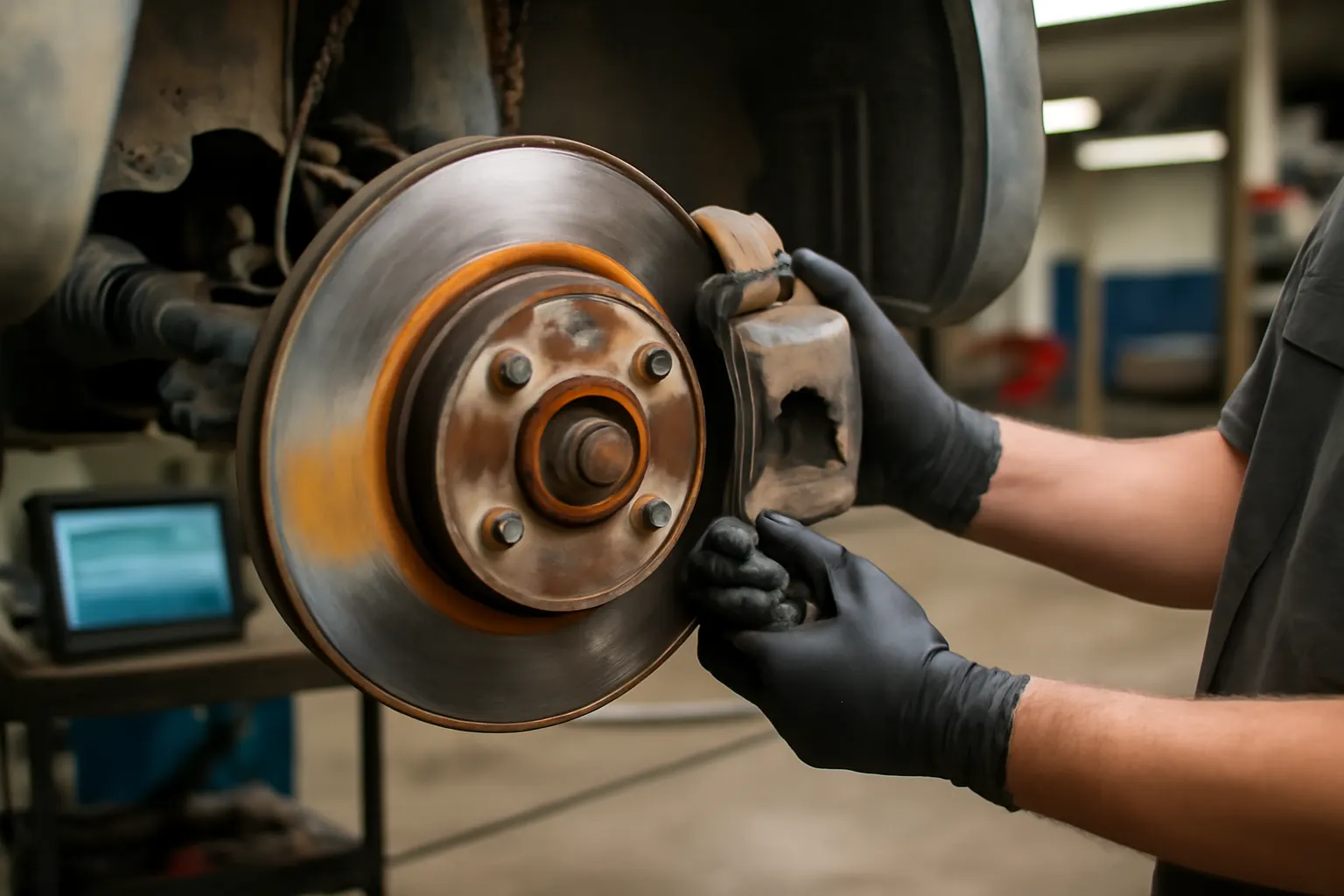
While many drivers focus solely on brake pads and rotors, the brake caliper’s role in managing heat is often underestimated. Calipers are not just passive clamps—they are engineered to withstand, dissipate, and manage the intense thermal loads generated during braking. When calipers are undersized, made from low-grade materials, or poorly maintained, they can become the weak link that accelerates brake fade.
Hidden Risks:
- Standard calipers may not handle prolonged high temperatures.
- Inferior caliper materials can deform or transfer excess heat to brake fluid.
- Poor caliper design can trap heat, compounding fade.
Deeper Dive: The Science Behind Brake Fade
1. Types of Brake Fade
Understanding the different mechanisms of brake fade is crucial for diagnosing and preventing it:
- Friction Fade: The most common, caused by excessive heating of brake pads and rotors. At high temperatures, pad material loses friction, reducing stopping power.
- Fluid Fade: Occurs when brake fluid boils within the caliper, forming vapor bubbles. This leads to a “spongy” pedal and poor hydraulic pressure.
- Green Fade: A phenomenon during the bedding-in of new pads, where resins and binders vaporize, temporarily reducing friction.
2. Heat Transfer Dynamics
Braking converts kinetic energy into heat. Calipers absorb and transfer a portion of this heat:
-
High-performance calipers use materials with superior thermal conductivity, quickly dissipating heat away from the pads and fluid.
-
Poor-quality or undersized calipers can act as heat sinks, elevating local temperatures and accelerating fade.
3. Material Technologies
According to the U.S. Department of Energy’s Materials Technologies, advances in lightweight, high-strength alloys and composites have significantly improved caliper heat resistance and performance. Modern calipers leverage these technologies to reduce unsprung weight while maintaining thermal stability.
The Role of Caliper Design in Heat Management
1. Fixed vs. Floating Calipers
- Fixed Calipers: Have pistons on both sides of the rotor, providing even clamping force and better heat distribution. Preferred for high-performance applications.
- Floating (Sliding) Calipers: Use a single piston and slide on pins. More cost-effective but can trap heat and are prone to uneven pad wear under extreme conditions.
Advertisement
2. Piston Count and Size
- Multi-piston calipers spread force more evenly across the pad, reducing local hot spots and improving fade resistance.
- Larger pistons can help with force but may increase the risk of heat transfer to the brake fluid if not properly insulated.
3. Venting and Cooling Features
- Some calipers are engineered with internal cooling channels, fins, or advanced coatings to enhance heat dissipation.
- Proper venting in both the caliper and rotor is essential to minimize fade during sustained braking.
Diagnosing Brake Fade: Symptoms and Field Tests
1. Recognizing the Signs
- Longer stopping distances: The most obvious, especially after repeated braking.
- Soft or spongy pedal: Indicates possible fluid fade or boiling.
- Burning odor: Suggests overheated pads or caliper seals.
- Brake warning lights: May be triggered by high caliper or rotor temperatures.
2. Field Test Checklist
Brake Fade Diagnostic Checklist:
| Symptom | Possible Cause | Caliper-Related Factor |
|---|---|---|
| Pedal feels soft | Boiling brake fluid | Caliper heat transfer |
| Brakes “grab” then fade | Pad friction loss | Caliper not dissipating heat |
| Pad wear is uneven | Caliper sticking | Seized or corroded pistons |
| Fluid leaks | Seal failure | Overheated caliper seals |
| Squealing/Grinding | Pad glazing | Insufficient cooling |
How Caliper Upgrades Improve Brake Fade Resistance
1. Material Upgrades
High-performance calipers are made from aluminum alloys, stainless steel, or even composites. These materials offer:
-
Higher thermal resistance.
-
Lower weight (reducing unsprung mass).
-
Better corrosion resistance.
2. Increased Piston Count
Upgrading from single- to multi-piston calipers distributes braking force and heat more evenly, reducing localized fade and extending pad life.
3. Enhanced Seal and Boot Designs
Modern calipers feature high-temperature seals and dust boots, protecting internal components from heat-induced degradation.
4. Integration with High-Performance Pads and Rotors
Caliper upgrades often go hand-in-hand with performance pad and rotor choices. A well-matched system ensures optimal heat management and fade resistance.
When to Replace or Upgrade Your Calipers
1. Inspection Intervals
- Check calipers at every major brake service (typically every 20,000 to 40,000 miles or as specified by your vehicle manufacturer).
- Inspect for leaks, corrosion, piston movement, and boot/seal integrity.
2. Signs You Need an Upgrade
- Frequent brake fade despite quality pads and rotors.
- Planning for track days, towing, or spirited driving.
- Noticeable caliper deformation or heat discoloration.
- Vehicle recalls or TSBs regarding caliper performance (check with the NHTSA Vehicle Safety and Equipment database).
3. Compatibility Checks
- Ensure upgraded calipers fit your vehicle’s hub, rotor, and wheel clearances.
- Verify that brake line fittings and mounting hardware match specifications.
Installation and Sourcing Guidance: Choosing the Right Calipers
1. Sourcing Quality Calipers
- Purchase from reputable suppliers with a track record of safety and quality.
- Look for calipers that comply with SAE Standards for automotive systems.
- Avoid off-brand or “universal fit” calipers lacking material and engineering documentation.
2. Installation Considerations
- Always follow manufacturer torque specs and bleeding procedures.
- Use new hardware, seals, and high-temperature brake grease.
- After installation, perform a careful bedding-in process to ensure optimal pad/caliper/rotor mating.
3. Recommended Related Reading
For step-by-step installation guidance, see our How to Diagnose and Replace Brake Calipers and for performance selection, visit Choosing the Right Brake Caliper for Performance Applications.
Preventing Brake Fade: Maintenance and Best Practices
1. Routine Maintenance
- Replace brake fluid every 2 years or as recommended, using a fluid with a high boiling point.
- Regularly inspect caliper boots and seals for cracks or leaks.
- Lubricate caliper slide pins with high-temp grease.
Advertisement
2. Driving Habits
- Avoid prolonged braking on descents—use engine braking where possible.
- Allow brakes to cool between heavy stops.
- If you track your car, consider cooling ducts or shields to direct airflow to the calipers.
3. Pad and Rotor Care
- Don’t mix old pads with new calipers or vice versa.
- Ensure rotors are within thickness and runout specs to prevent uneven heating.
- Replace pads before they reach minimum thickness to avoid overheating calipers.
Checklist: Assessing Your Brake System for Fade Risk
Use this checklist to evaluate your system’s readiness for demanding braking:
- Are your calipers free from corrosion, leaks, and sticking pistons?
- Have you upgraded to performance calipers for your driving needs?
- Is your brake fluid fresh and rated for high temperatures?
- Are your pads and rotors matched to your caliper type?
- Do you notice any burning odors or soft pedal feel after repeated stops?
- Is your vehicle subject to any brake-related recalls or service bulletins?
- Are your caliper boots and seals intact and pliable?
- Do you follow proper bedding-in procedures after brake work?
- Is your braking system regularly inspected by a qualified technician?
Common Pitfalls: What Not to Overlook
- Ignoring Caliper Condition: Many focus on pads/rotors but neglect caliper inspection.
- Using Low-Quality Rebuild Kits: Subpar seals or pistons can fail under heat.
- Improper Installation: Misaligned calipers or poorly bled systems can cause uneven braking and accelerate fade.
- Mismatched Components: Pairing high-performance pads with standard calipers may not yield expected results.
- Skipping Fluid Changes: Old fluid’s lower boiling point increases risk of fluid fade.
Advanced Solutions: Beyond Standard Calipers
1. Performance Aftermarket Calipers
- Monoblock Construction: Single-piece calipers offer superior rigidity and heat management.
- Nickel Plating/Ceramic Coatings: Improve corrosion and heat resistance.
- Lightweight Designs: Reduce unsprung weight, aiding suspension and braking response.
2. Integrated Cooling Systems
- Calipers with built-in cooling ducts or compatibility with brake ducting systems.
- Use of titanium or ceramic heat shields between pad and piston to minimize fluid boil.
3. Motorsports and Heavy-Duty Options
- For racing or heavy towing, consider calipers rated for extreme duty cycles.
- Consult with performance specialists for custom-fit solutions.
Safety and Regulatory Considerations
- Always verify that any caliper or brake upgrade is compliant with federal safety standards (NHTSA Equipment Regulations).
- Check for manufacturer recalls or technical service bulletins relating to caliper performance (NHTSA Recalls).
- Document all modifications for future inspections or resale.
AutoPartEx: Your Partner in Brake Safety and Performance
At AutoPartEx, we believe in empowering drivers and technicians with technical knowledge and quality parts. Our extensive catalog of calipers, pads, and performance upgrades is backed by industry expertise and rigorous quality standards. Whether you’re troubleshooting brake fade or planning a full performance upgrade, our editorial and technical resources are here to guide you. Visit our Brake Caliper Mastery: Technical Guide to Selection, Maintenance, and Performance for deeper insights and product recommendations.
For proactive maintenance tips, see Preventing Sticking Calipers: Maintenance Tips for Longevity.
Expert Action: Next Steps for Technicians and Enthusiasts
- Technicians: Incorporate caliper inspection and thermal assessment into routine brake service. Use thermal imaging or temperature-indicating paint for advanced diagnostics.
- Enthusiasts: Upgrade calipers in tandem with pads, rotors, and fluid for a comprehensive fade-resistant solution.
- Fleet Managers: Monitor brake performance under load and consider caliper upgrades for vehicles in demanding service.
Stay informed, stay safe, and remember—brake fade is preventable with the right knowledge, maintenance, and components.
References
Advertisement