Porsche Maintenance: Preventing Common Issues
Porsche vehicles are renowned for their engineering excellence, exhilarating performance, and distinctive heritage. To maintain these qualities and prevent common issues that can compromise reliability and value, Porsche owners must adhere to a disciplined maintenance routine. This guide delivers actionable Porsche maintenance tips, defines critical service intervals, and highlights pitfalls to avoid—ensuring your vehicle continues to deliver the dynamic driving experience for which the marque is celebrated. For owners seeking genuine fit, safety, and longevity, referencing the Porsche OEM Parts: Heritage, Engineering, and Precision Fitment | AutoPartEx page is a crucial starting point.
The Immediate Answer: Essential Porsche Maintenance Tips
To prevent the most common Porsche issues—ranging from cooling system failures to electrical gremlins—owners should:
- Rigorously follow the manufacturer’s maintenance schedule.
- Use only Porsche-approved fluids and parts.
- Inspect and replace wear-prone components (coolant hoses, brakes, ignition coils) proactively.
- Monitor for early signs of leaks, unusual noises, or dashboard warnings.
- Address software updates and recalls promptly.
Following these practices preserves safety, performance, and resale value. But beneath these straightforward tips lie hidden risks specific to Porsche’s advanced engineering.
The Hidden Problem: Overlooked Maintenance Risks Unique to Porsche
Porsche’s engineering sophistication is a double-edged sword: while it delivers peerless handling and power, it also introduces unique maintenance sensitivities. For instance, the flat-six engine’s cooling system is both high-performance and vulnerable to age-related failures. Electrical systems, especially in late-model Porsches, are complex and can develop intermittent faults if battery voltage drops or ground connections corrode. Many owners, even those with experience in other premium marques, underestimate these vulnerabilities—leading to preventable breakdowns or costly repairs.
Furthermore, Porsche’s use of lightweight materials and precision engineering means that generic or substandard parts can cause fitment problems or compromise safety systems. Relying on non-OEM filters, fluids, or gaskets may seem economical but often results in compatibility issues or premature wear, as outlined in the SAE Standards for automotive systems.
Problem Expansion: How Deferred Maintenance and Incorrect Parts Compound Issues
Deferred maintenance on any vehicle is risky, but on a Porsche, it can be catastrophic. For example, a neglected water pump or aged coolant can trigger overheating, risking head gasket failure or warped cylinder heads—repairs that can easily exceed several thousand dollars. Similarly, ignoring brake fluid flushes can allow moisture accumulation, corroding ABS components and reducing braking efficiency.
Incorrect parts selection is another frequent pitfall. Porsches require components that meet stringent engineering and safety standards. Using off-brand ignition coils, for example, can cause misfires, trigger check engine lights, and even damage catalytic converters. The National Highway Traffic Safety Administration (NHTSA) emphasizes the importance of correct equipment for vehicle safety and performance NHTSA Vehicle Safety and Equipment.
Finally, Porsche’s advanced driver aids and infotainment systems are software-dependent. Failing to update vehicle software or ignoring recall notices can leave safety-critical systems vulnerable to glitches or malfunctions.
Understanding Porsche Service Intervals: What to Do and When
Every Porsche model has a recommended maintenance schedule—typically a mix of annual, mileage-based, and condition-based services. Adhering to these intervals is essential for preventing mechanical and electrical issues. Here’s a generalized breakdown:
| Service Item | Interval (Typical) | Notes |
|---|---|---|
| Engine Oil & Filter | Every 10,000 miles/12 mo. | Use Porsche C40/C30 spec oil |
| Brake Fluid | Every 2 years | Moisture absorption risk |
| Spark Plugs | Every 30,000–40,000 miles | Turbo/Sport models may require sooner replacement |
| Coolant Flush | Every 4 years | Use Porsche-approved coolant |
| PDK/Tiptronic Fluid | Every 40,000 miles | Applies to dual-clutch and automatic models |
| Air/Cabin Filters | Every 20,000 miles | More frequent in dusty climates |
| Drive Belt Inspection | Every 20,000 miles | Replace as needed |
Always consult your owner’s manual or the Porsche Fitment Guide: Model-Specific Parts Selection for exact intervals, as requirements vary by model and year.
Cooling System Vigilance: Preventing Overheating and Catastrophic Failure
Porsche engines, especially the famed flat-six and V8s, rely on sophisticated cooling systems to manage high output and compact packaging. Common issues include:
- Radiator and coolant pipe leaks (often from plastic-to-metal joints)
- Water pump bearing or impeller failures
- Thermostat malfunctions
Symptoms such as coolant odor, visible leaks under the front bumper, or fluctuating temperature gauges should be addressed immediately. A proactive approach includes:
- Annual inspection of all hoses, clamps, and the water pump.
- Coolant flushes with the correct Porsche-approved antifreeze.
- Replacement of plastic coolant pipes with updated aluminum versions where applicable.
For a step-by-step approach to cooling system maintenance, see Porsche Cooling System Replacement Best Practices.
Electrical System Health: Battery, Alternator, and Grounding
Modern Porsches are heavily dependent on a robust electrical system. Low battery voltage is a frequent root cause of electronic malfunctions, including:
- Airbag and ABS warning lights
- Keyless entry failure
- Infotainment glitches
Key maintenance actions:
- Replace the battery with an OEM-spec AGM or lithium-ion unit at the first sign of slow cranking or age (typically 4–6 years).
- Inspect and clean ground straps, especially in older 911 and Boxster models.
- Check alternator output during annual service.
Proactively addressing electrical health prevents cascading faults and expensive diagnostics.
Brakes and Suspension: Performance and Safety
Porsche’s dynamic handling depends on meticulously maintained brakes and suspension. Common issues include:
- Warped rotors from aggressive driving or worn pads
- Leaking shock absorbers, especially on PASM or air suspension models
- Worn bushings leading to vague steering or abnormal tire wear
Maintenance best practices:
- Inspect pads, rotors, and fluid at every service.
- Replace brake fluid every two years, regardless of mileage.
- Check suspension components for leaks, play, or corrosion.
Sourcing OEM or genuine-equivalent parts is critical, as off-brand components may not comply with SAE Standards for safety and fitment.
Engine and Drivetrain: Oil, Filters, and Preventing Internal Damage
Porsche engines are engineered for high RPM and precise tolerances, making oil and filter quality paramount. Common pitfalls:
- Using non-approved oil can lead to sludge, varnish, or even IMS bearing failure in older models.
- Ignoring air/oil separator issues can cause oil smoke and rough running.
- Delaying transmission fluid changes accelerates wear in PDK and Tiptronic units.
Checklist for engine and drivetrain health:
- Always use Porsche-approved oil (C40/C30 or as specified).
- Replace oil and filter annually or every 10,000 miles, whichever comes first.
- Monitor for oil leaks around the RMS (rear main seal) and cam covers.
- Service PDK/Tiptronic fluids at prescribed intervals.
Fuel System and Efficiency: Maximizing Performance and Economy
Efficient fuel delivery is vital for both performance and emissions. Over time, injectors, fuel pumps, and filters can become clogged or fail. The United States Department of Energy’s Fuel Efficiency guidelines emphasize the importance of clean fuel systems for optimal power and economy.
Porsche-specific tips:
- Use Tier 1 premium fuel to prevent carbon buildup.
- Replace fuel filters at recommended intervals (varies by model).
- Clean or replace injectors if experiencing rough idle or hesitation.
- Inspect EVAP system components for leaks, which can trigger check engine lights.
Diagnostic Best Practices: Reading Warning Lights and Codes
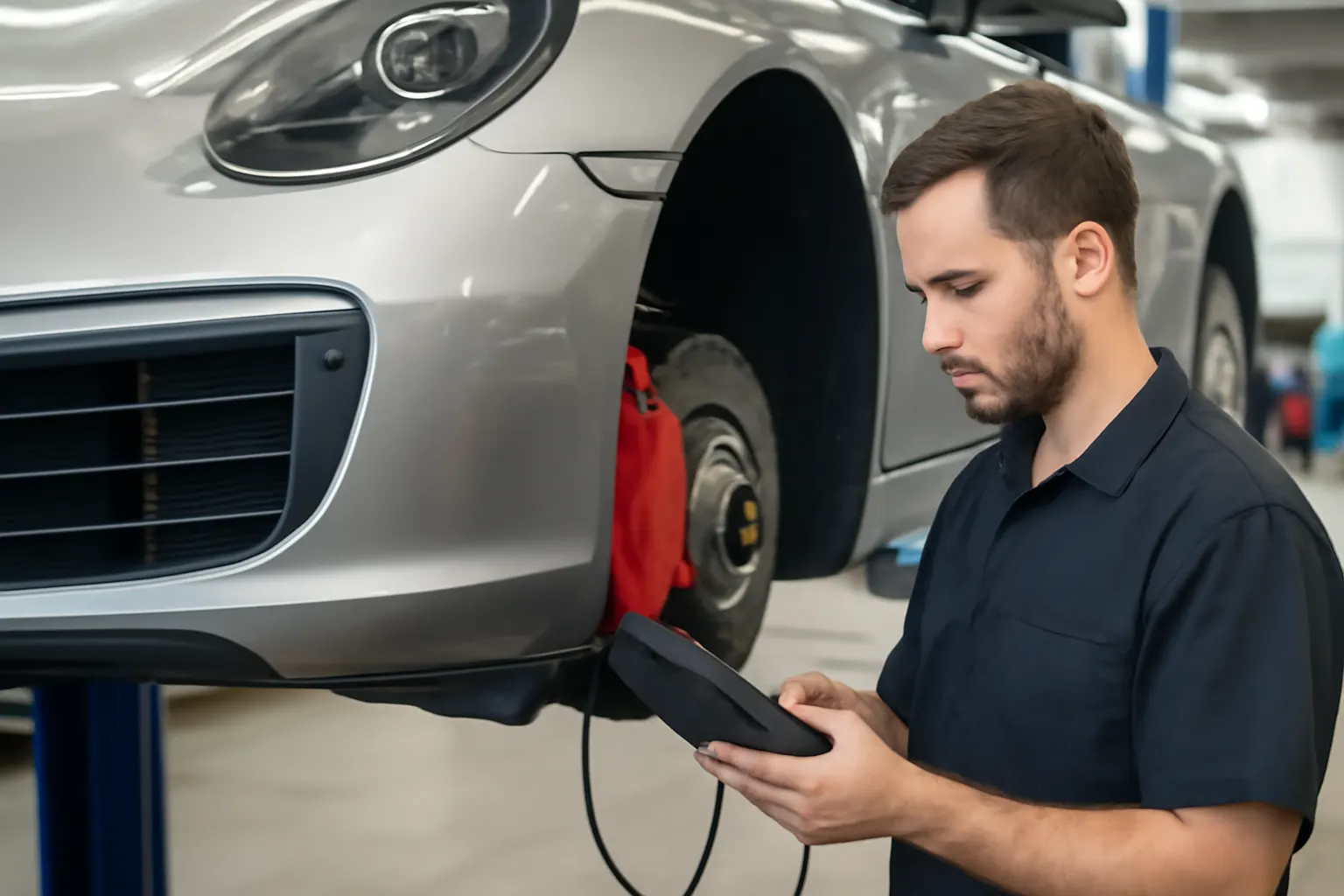
Porsche dashboards are information-rich, but not all warnings are self-explanatory. Relying solely on generic OBD-II tools can miss Porsche-specific fault codes (PIWIS or Durametric tools are preferred).
Diagnostic steps:
- Record all warning lights and symptoms before resetting anything.
- Use a Porsche-capable scan tool to read and interpret codes.
- Prioritize addressing red or flashing warnings (e.g., oil pressure, coolant temp).
- Clear codes only after repairs to confirm resolution.
Ignoring or “clearing” codes without repair can mask developing faults and complicate future diagnostics.
Sourcing Parts: Why OEM Fitment and Authentication Matter
With the proliferation of counterfeit and subpar aftermarket parts, sourcing genuine Porsche components is more critical than ever. Substandard parts can:
- Compromise safety systems (brakes, airbags, sensors)
- Cause fitment issues, leading to leaks or rattles
- Void insurance or diminish resale value
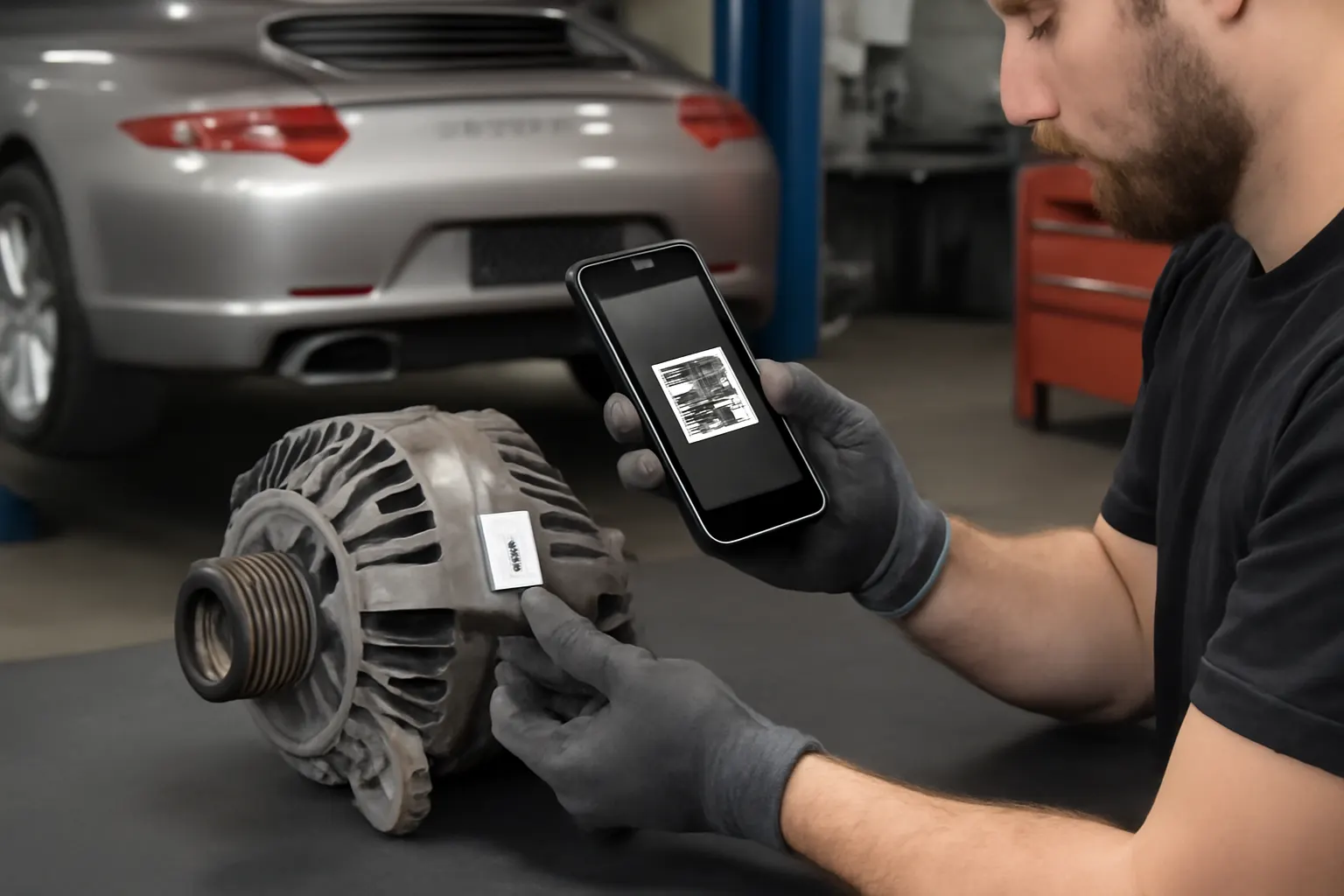
For guidance on authenticating genuine Porsche parts, see Porsche Parts Authentication: Spotting Counterfeits.
Always purchase from reputable suppliers or authorized dealers. Cross-reference part numbers with the Porsche PET (Parts Exploded Technical) catalog and verify packaging, holograms, and markings.
Avoiding Common Pitfalls: A Porsche Maintenance Checklist
Neglecting routine checks is the fastest way to undermine your Porsche’s reliability. Use this checklist at each service interval:
Porsche Maintenance Checklist
- Engine oil and filter replaced with Porsche-approved products
- Coolant system inspected for leaks and coolant replaced as required
- Brake fluid flushed (every 2 years)
- Battery tested and terminals cleaned
- All lights, wipers, and safety systems checked
- Suspension and steering inspected for wear or leaks
- Air and cabin filters replaced
- Tires rotated, balanced, and inspected for wear
- Software/firmware updates checked and applied
- Recalls and service bulletins reviewed via NHTSA
Adhering to this checklist minimizes the risk of sudden failures and keeps your Porsche operating at its peak.
Software Updates, Recalls, and Technical Service Bulletins
Modern Porsches are as much computer as car. The manufacturer regularly issues software updates to address bugs, improve performance, or enhance safety features. Similarly, recalls and technical service bulletins (TSBs) may target known issues.
- Check for open recalls at each service via the NHTSA Recalls Database.
- Ask your service provider to update all control modules to the latest software.
- Review TSBs relevant to your model/year for proactive fixes.
Ignoring these updates can leave critical systems vulnerable to faults that may have already been addressed by the factory.
Seasonal and Usage-Based Adjustments
Porsche maintenance isn’t one-size-fits-all. Track use, harsh climates, or long-term storage require additional care:
- For track or spirited driving: Increase oil change frequency and inspect brake pads/rotors after each event.
- In cold climates: Use winter-rated fluids and check battery health before freezing temperatures.
- For stored vehicles: Use a battery maintainer, inflate tires to prevent flat spots, and add fuel stabilizer.
Tailoring your maintenance to your usage pattern extends component life and prevents seasonal failures.
Leveraging AutoPartEx: Your Porsche Maintenance Partner
AutoPartEx is dedicated to supporting Porsche owners with the most accurate fitment data, OEM-quality parts, and technical guidance. Our platform’s integration of manufacturer standards, verified parts authentication, and model-specific service bulletins ensures your maintenance routine is both precise and efficient.
Explore our Porsche OEM Parts: Heritage, Engineering, and Precision Fitment hub for direct access to genuine components, expert fitment guides, and the latest technical updates. For in-depth DIY and advanced repair content, our editorial coverage—such as the Porsche Fitment Guide: Model-Specific Parts Selection—equips enthusiasts and professionals alike.
Take Expert Action: Elevate Your Porsche Care
Preventing common Porsche issues is about more than ticking boxes on a checklist—it’s about understanding the unique demands of high-performance German engineering and responding with precision. By following manufacturer schedules, using only authenticated parts, and staying informed on technical developments, you’ll not only avoid costly surprises but also preserve the driving purity and value that define Porsche ownership.
Ready to elevate your maintenance routine? Trust AutoPartEx as your resource for genuine fitment, technical expertise, and the highest standard of Porsche care.