Counterfeit Peugeot Parts: How to Spot and Avoid Them
Counterfeit Peugeot parts are a growing threat to the safety, performance, and value of your vehicle. Whether you’re a DIY enthusiast, a Peugeot owner maintaining factory standards, or a professional mechanic, understanding how to identify fake components and source genuine replacements is crucial. In this guide, the AutoPartEx Technical Editorial Team provides a comprehensive breakdown of the most commonly counterfeited Peugeot parts, the risks they pose, and actionable strategies to ensure you only install authentic components. For a wider selection of certified, model-specific components, visit our Peugeot Auto Parts: Authentic Quality, Fitment, and Heritage page.
The Immediate Answer: Why Counterfeit Peugeot Parts Are a Serious Risk
Counterfeit Peugeot parts are unauthorized, unregulated imitations of original equipment manufacturer (OEM) or genuine parts. These fakes may look similar to authentic components, but they typically fail to meet Peugeot's engineering, materials, and safety standards. Installing counterfeit parts can lead to:
- Compromised safety: Substandard materials and poor manufacturing can cause critical failures.
- Reduced performance: Inaccurate fitment and inferior design can degrade handling, braking, and efficiency.
- Invalidated warranties: The use of non-genuine parts may void manufacturer warranties or service agreements.
- Hidden long-term costs: Frequent replacements, increased wear on surrounding parts, and higher repair bills.
These risks are not hypothetical—counterfeit parts have been directly linked to accidents, breakdowns, and costly recalls according to the National Highway Traffic Safety Administration (NHTSA).
The Hidden Problem: Counterfeits Are More Sophisticated Than Ever
The global automotive aftermarket is awash with counterfeit parts that are increasingly difficult to distinguish from the real thing. Modern counterfeiters employ advanced packaging, branding, and e-commerce tactics to deceive even experienced buyers. Some key hidden issues include:
- Fake packaging: Counterfeiters mimic Peugeot's logos, part numbers, and packaging materials with surprising accuracy.
- Online marketplace risks: Many online sellers lack proper verification, and fake parts can be mixed with genuine stock.
- Supply chain infiltration: Illegitimate parts sometimes enter legitimate distribution channels, making vigilance essential.
The sophistication of counterfeiting operations means that traditional "look and feel" checks are no longer enough. Technical knowledge and a systematic approach are required to safeguard your Peugeot.
The Most Common Counterfeit Peugeot Parts: What to Watch For
Certain Peugeot parts are targeted more frequently by counterfeiters due to high demand, frequent replacement cycles, or critical safety functions. The most commonly counterfeited Peugeot components include:
1. Brake Pads and Rotors
- Risks: Substandard friction materials, poor heat tolerance, and premature wear lead to compromised braking performance and increased stopping distances.
- Warning Signs: Unusual noises, excessive dust, rapid wear, and inconsistent pedal feel after installation.
2. Oil Filters and Air Filters
- Risks: Inferior filtration media allows contaminants into the engine, causing accelerated wear or catastrophic failure.
- Warning Signs: Poor fitment, unusual engine noises, or increased oil consumption after a filter change.
3. Suspension and Steering Components
- Risks: Weak steel, poor welds, and incorrect geometry can result in unpredictable handling or component failure.
- Warning Signs: Vague steering, abnormal noises, or premature bushing and joint wear.
4. Lighting and Electrical Modules
- Risks: Counterfeit bulbs and modules may not meet legal brightness or durability standards, causing electrical faults or reduced visibility.
- Warning Signs: Flickering, rapid burnout, or warning lights after installation.
5. Timing Belts and Drive Belts
- Risks: Inferior rubber compounds and poor construction can lead to sudden belt failure, risking engine damage.
- Warning Signs: Visible cracks, fraying, or premature noise after replacement.
Technical Deep Dive: How Counterfeits Fail Peugeot’s Engineering Standards
Peugeot’s OEM parts are engineered to strict specifications, often verified against international standards such as those established by SAE International. Counterfeit parts typically fail in the following areas:
Materials and Construction
- Metallurgy: Genuine parts use high-grade alloys or composite materials designed for specific stresses and thermal cycles (DOE Materials Technologies). Counterfeits often use recycled or substandard metals and plastics.
- Tolerances: OEM components are manufactured with tight tolerances for precise fitment and performance. Counterfeits have looser tolerances, leading to rattles, leaks, or misalignment.
Performance and Safety
- Testing: Authentic Peugeot parts undergo rigorous testing for durability, corrosion resistance, and crash safety (NHTSA Equipment). Counterfeits rarely, if ever, meet these standards.
- Longevity: Genuine components are designed for predictable service life, while counterfeits often fail prematurely, sometimes catastrophically.
Electronics and Software
- Compatibility: Genuine Peugeot electronic modules are programmed to work with your vehicle’s specific VIN and configuration (Peugeot VIN Decoding and Parts Compatibility Guide). Counterfeits may cause warning lights, malfunctions, or even immobilize the vehicle.
Identifying Counterfeit Peugeot Parts: A Practical Checklist
Use this checklist when purchasing or installing Peugeot auto parts to reduce your risk of counterfeits:
| Step | What to Check | What to Look For |
|---|---|---|
| 1 | Packaging | Blurry logos, spelling errors, inconsistent fonts, missing holograms or security seals. |
| 2 | Part Numbers | Verify against Peugeot’s official catalog. Cross-check with your VIN (Peugeot VIN Decoding and Parts Compatibility Guide). |
| 3 | Physical Inspection | Rough edges, mismatched colors, poor finish, or unusual weight. |
| 4 | Seller Credentials | Buy from authorized Peugeot dealers or reputable distributors. Request proof of authenticity. |
| 5 | Documentation | Lack of warranty card, missing installation instructions, or incomplete paperwork. |
| 6 | Price | Prices significantly below market average are a red flag. |
| 7 | Performance | Post-installation issues: noises, warning lights, poor fitment, or rapid wear. |
If any of these checks raise concerns, do not install the part—return it and report the seller if possible.
Buying Guidance: Where and How to Source Genuine Peugeot Parts
Sourcing authentic Peugeot parts requires diligence, especially in an era of online marketplaces and global supply chains. Follow these best practices:
1. Use Official Peugeot Channels
- Dealerships: Purchase parts directly from Peugeot dealerships or their authorized service centers.
- Certified Distributors: Use only distributors with a proven track record and official authorization.
2. Verify With Peugeot’s Online Catalogs
- Cross-reference part numbers and fitment using Peugeot’s official online catalogs or through trusted platforms like Peugeot Auto Parts: Authentic Quality, Fitment, and Heritage.
3. Avoid Unverified Online Sellers
- Be wary of auction sites, classified ads, or unfamiliar e-commerce platforms. Counterfeiters often exploit these channels.
4. Demand Documentation
- Genuine parts are typically accompanied by warranty cards, installation manuals, and sometimes QR codes for verification.
Diagnostic Strategies: Spotting Counterfeit Parts Already Installed
If you suspect that your Peugeot may already have counterfeit parts, use these diagnostic strategies:
1. Visual and Physical Inspection
- Compare suspect parts to known genuine components. Look for discrepancies in color, finish, size, or markings.
- Inspect for premature wear, corrosion, or damage that would not be expected on an OEM part.
2. Performance Monitoring
- Unexplained changes in braking, handling, fuel efficiency, or engine noise after a recent repair may indicate counterfeit parts.
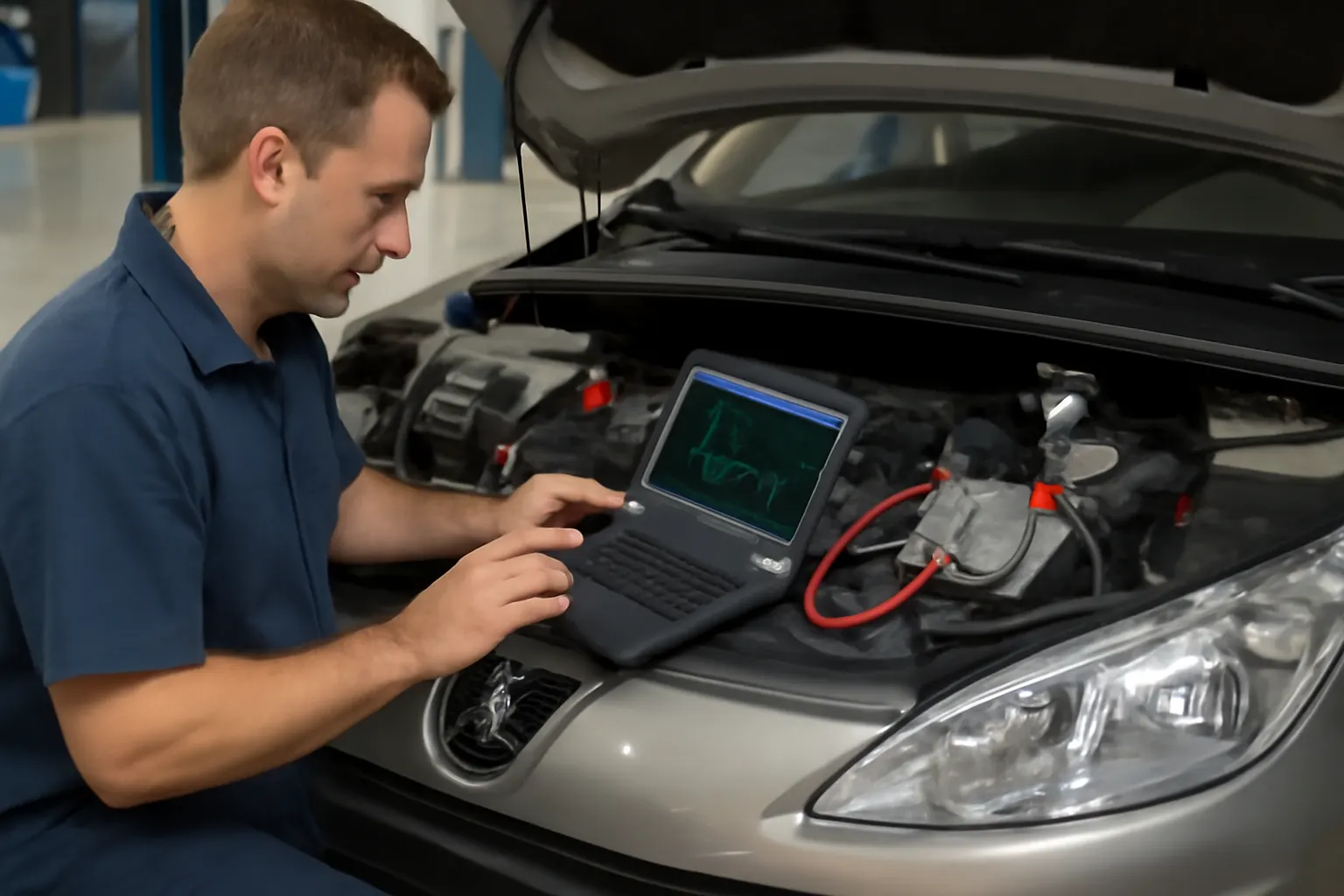
- Use diagnostic tools to scan for fault codes related to electronic modules or sensors.
3. Professional Assessment
- Have a Peugeot-certified technician inspect your vehicle. They can identify non-genuine parts and provide documentation for warranty or insurance claims.
The Hidden Costs: Performance, Safety, and Long-Term Impact
Counterfeit parts may seem like a bargain, but the hidden costs are significant:
- Safety Hazards: Inferior materials and construction can cause accidents or system failures, particularly with brakes, steering, or suspension.
- Reduced Fuel Efficiency: Subpar filters, sensors, or engine components can decrease your Peugeot’s fuel economy (DOE Fuel Efficiency).
- Accelerated Wear: Counterfeits can damage adjacent genuine parts, leading to more frequent repairs and higher overall costs.
- Resale Value: A service record tainted by counterfeit parts can reduce your vehicle’s resale or trade-in value.
Peugeot-Specific Fitment and Compatibility: Why VIN Matters
Peugeot vehicles, especially modern models, are engineered with precise fitment and electronic compatibility in mind. Counterfeit parts often lack the exact specifications required, which can lead to:
- Installation Issues: Mounting holes, connectors, or brackets may not align.
- Software Conflicts: Electronic modules not programmed for your VIN can cause persistent warning lights or system failures.
- Recall Risks: Non-genuine parts are not covered by manufacturer recalls, leaving you exposed to unresolved safety issues (NHTSA Recalls).
For detailed compatibility checks, consult the Peugeot VIN Decoding and Parts Compatibility Guide.
Maintenance and Service: Keeping Your Peugeot Counterfeit-Free
Routine maintenance is an opportunity to verify the authenticity of parts already installed and to ensure only genuine components are used in future repairs:
- Inspection Intervals: During scheduled service, ask your technician to inspect key safety and wear components for authenticity.
- Record Keeping: Maintain detailed service records, including part numbers and supplier information, to support warranty claims and resale value.
- Education: Familiarize yourself with the look and feel of genuine Peugeot parts. Reference images and documentation from your owner’s manual or trusted sources.
Refer to our Peugeot Service Intervals and Maintenance Checklist for a model-specific schedule and tips.
Counterfeit Electronics: The New Frontier
Modern Peugeots rely heavily on electronic modules, sensors, and software-controlled systems. Counterfeit electronic parts introduce unique risks:
- Malfunctions: Substandard chips or programming errors can cause erratic behavior in safety-critical systems like ABS, airbags, or engine management.
- Security Risks: Some counterfeit modules may even contain malware or backdoors, posing cybersecurity threats.
- Troubleshooting Complexity: Diagnosing electronic issues caused by counterfeits can be time-consuming, often requiring specialized Peugeot diagnostic tools.
For a deeper understanding of your vehicle’s electronic architecture, see Understanding Peugeot Electronic Systems.
Reporting and Recourse: What to Do If You Encounter Counterfeit Parts
If you suspect you have received a counterfeit Peugeot part:
- Stop Installation: Do not install the part, or remove it if already installed.
- Document Everything: Take photos of packaging, part numbers, and receipts.
- Contact Seller: Notify the supplier and request a return or refund.
- Report to Authorities: Inform Peugeot customer service and local consumer protection agencies. You may also report incidents to the NHTSA if safety is compromised.
- Share Your Experience: Warn other buyers by leaving reviews or posting in Peugeot owner forums.
Prompt reporting helps protect the wider Peugeot community and discourages further counterfeiting.
AutoPartEx Positioning: Your Trusted Source for Genuine Peugeot Parts
At AutoPartEx, we understand the risks counterfeit parts pose to your Peugeot’s safety, performance, and heritage. Our commitment is to provide only authentic, manufacturer-verified components that meet or exceed Peugeot’s original standards. Our sourcing procedures include:
- Direct supplier relationships: We work exclusively with authorized Peugeot distributors and certified suppliers.
- VIN-based fitment verification: Our systems cross-check every order against your vehicle’s unique VIN for guaranteed compatibility.
- Expert support: Our team is available to answer your fitment, authenticity, and installation questions.
Explore our full range of genuine Peugeot parts on our Peugeot Auto Parts: Authentic Quality, Fitment, and Heritage page, and use our resources to stay informed and protected.
Take Action: Protect Your Peugeot and Your Investment
Counterfeit Peugeot parts threaten your vehicle’s safety, performance, and long-term value. By staying vigilant, using the diagnostic and sourcing strategies outlined above, and relying on trusted suppliers like AutoPartEx, you can ensure your Peugeot remains authentic and roadworthy. Always verify before you buy, and don’t hesitate to reach out to our technical team for expert guidance on sourcing, fitment, and maintenance.