Advertisement
How to Verify Fitment on Vintage Packard Parts
Restoring or maintaining a vintage Packard demands more than a passion for classic vehicles—it requires precise knowledge to ensure every replacement part fits and functions as intended. The quickest path to success is a robust fitment verification process. In this guide, you’ll learn practical, step-by-step methods to confirm compatibility of Packard parts across model years, avoid costly mistakes, and preserve the authenticity and performance of your classic. For comprehensive sourcing, heritage engineering, and expert insights, visit our Packard Auto Parts: Heritage Engineering, Authentic Fitment & Sourcing | AutoPartEx section.
The Immediate Answer: How to Confirm Packard Part Fitment
The most reliable way to confirm fitment for vintage Packard parts is to cross-reference the original equipment manufacturer (OEM) part numbers, physical measurements, and model-year application charts. Use trusted sources such as factory parts catalogs, reputable aftermarket suppliers, and technical standards like those from SAE International. Always inspect the part’s mounting points, dimensions, and material compatibility before installation.
Quick Fitment Checklist:
- Locate and verify OEM part number.
- Compare physical dimensions and mounting points.
- Cross-check with factory parts catalogs and model-year guides.
- Confirm material and finish match for structural and aesthetic integrity.
- Review National Highway Traffic Safety Administration (NHTSA) equipment advisories for safety-critical parts.
- Consult with Packard specialists or communities for model-specific nuances.
The Hidden Problem: Why Fitment Is Complex for Vintage Packard Vehicles
On the surface, swapping a worn Packard part for a replacement seems straightforward. However, Packard’s long production span (1899–1958) and frequent engineering updates mean that even parts sharing the same name—like control arms or trim pieces—can vary significantly between years, body styles, and even assembly plants. There are hidden risks:
- Interchangeability Assumptions: Many assume parts from the same decade or series are interchangeable, but subtle engineering revisions can render a part incompatible.
- Aftermarket Variations: Modern reproductions may deviate in material or geometry, risking improper fit or compromised safety.
- Documentation Gaps: Original documentation may be missing, incomplete, or ambiguous, especially for less-common models.
Deeper Technical Explanation: The Anatomy of Packard Fitment
Model-Year Variations and Engineering Standards
Packard’s engineering philosophy evolved quickly, often introducing mid-year updates. While SAE International standards (such as bolt thread patterns and material specs) provided some consistency, Packard frequently customized components for specific models or trim levels.
- Chassis and Suspension: Even minor changes in frame rails or mounting locations can affect control arms, bushings, and dampers. For a technical deep dive, see our Packard Suspension Restoration Guide.
- Body Panels and Trim: Sheet metal and chrome trim were often hand-fitted, especially pre-war, making exact reproduction or replacement challenging.
- Electrical Systems: Wiring harnesses and connectors may look similar but differ in gauge or pin layout. Reference our Packard Electrical Systems: Troubleshooting & Upgrades for more on electrical compatibility.
OEM Part Numbers: The Gold Standard
Original Packard part numbers are the most authoritative reference for fitment. However, these numbers may have been superseded, consolidated, or reissued over time. Always trace the lineage of a part number in factory parts catalogs and cross-reference with trusted suppliers.
Material and Finish Considerations
Vintage Packard parts often used specific materials—such as high-nickel steel, brass, or hand-polished woods—that impact both fit and function. Modern replacements may use different alloys or finishes, affecting structural integrity or visual authenticity.
The Risks of Incorrect Fitment: Safety, Performance, and Authenticity
Installing a part that only “almost fits” can have cascading consequences:
- Safety Hazards: Ill-fitting suspension or brake components can compromise handling and stopping power. The NHTSA Vehicle Safety and Equipment guidelines stress the importance of precise replacement for safety-critical systems.
- Reduced Performance: Parts that don’t align perfectly can cause drivetrain misalignment, fluid leaks, or electrical shorts, reducing fuel efficiency and reliability (DOE Fuel Efficiency).
- Loss of Authenticity: Incorrect trim or mechanical parts diminish the historical and collector value of a Packard.
Advertisement
Step-by-Step Fitment Verification for Vintage Packard Parts
1. Identify Your Packard Model and Production Details
Start by recording the following:
- Year, model, and body style (e.g., 1948 Packard Super Eight Touring Sedan)
- Engine type and displacement
- Serial (VIN) and body numbers
- Assembly plant (if known)
Many Packard models share names but differ in running changes. Always match your vehicle’s numbers to the correct catalog.
2. Locate and Decode the OEM Part Number
- Use original Packard parts books, which list part numbers, descriptions, and application ranges.
- If you have the old part, examine it for stamped or cast numbers.
- Beware of “universal” parts—always prioritize Packard-issued numbers.
3. Cross-Reference Factory Catalogs and Trusted Suppliers
- Compare your OEM number to those listed in Packard factory catalogs and reputable aftermarket databases.
- Some suppliers provide cross-reference charts for superseded or revised numbers.
- For “orphan” parts, consult Packard club archives or specialist forums.
4. Measure and Inspect Physical Characteristics
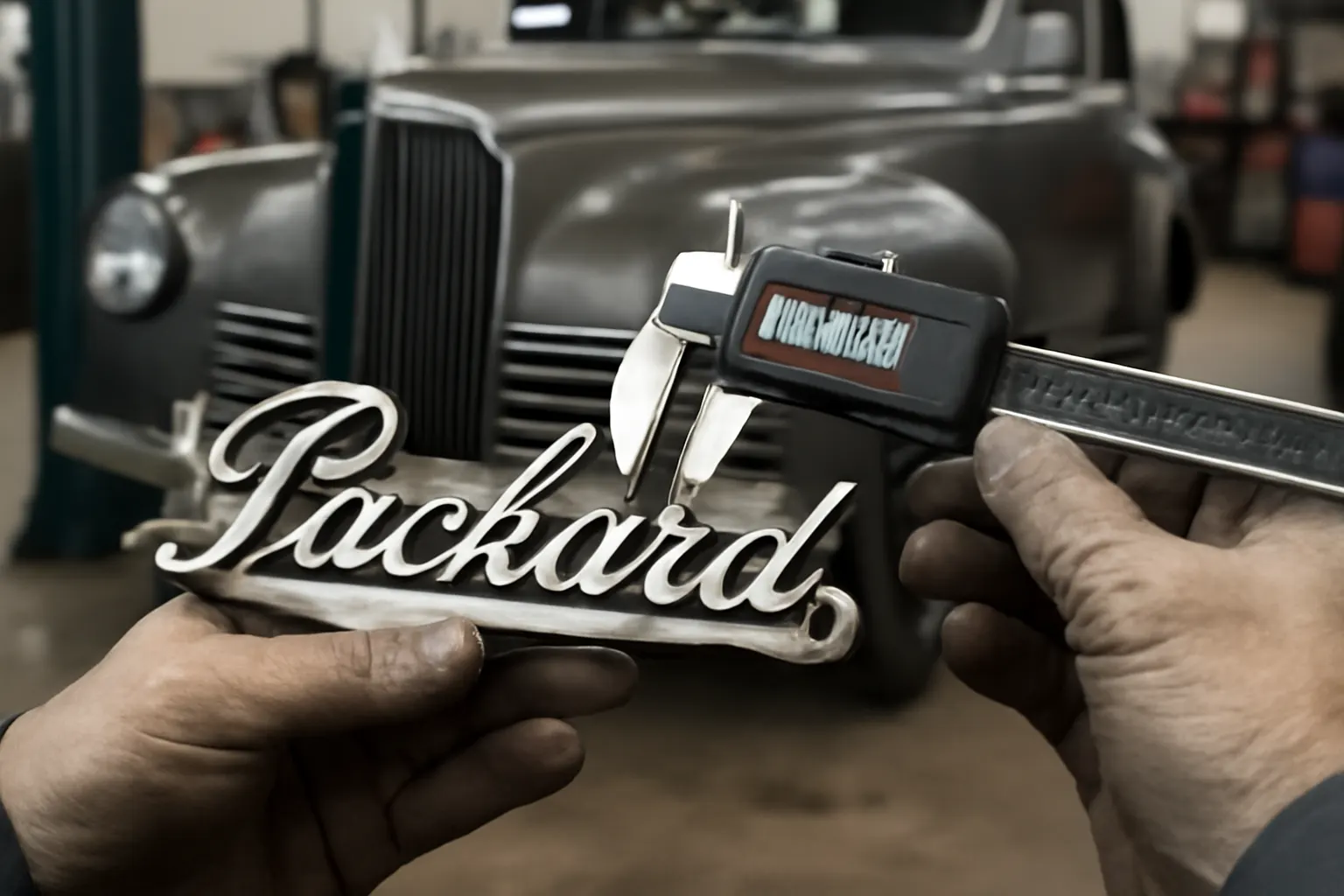
- Dimensions: Use calipers and measuring tape to confirm length, width, depth, and mounting hole spacing.
- Mounting Points: Check bolt hole patterns, thread sizes, and orientation.
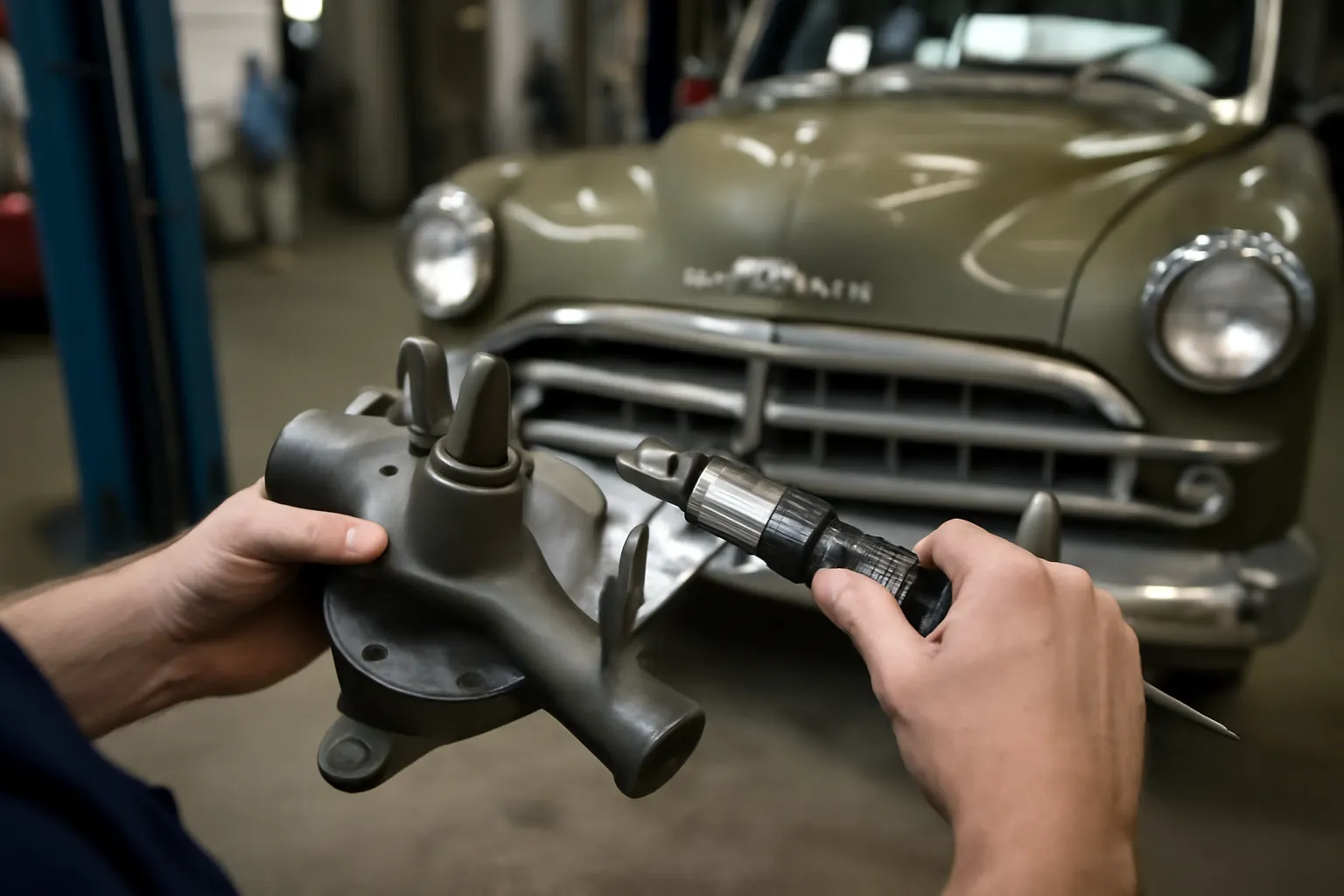
- Material and Finish: Compare weight, material, and surface treatment to ensure compatibility.
5. Confirm Fitment Using Community and Expert Resources
- Engage with Packard owner clubs and online forums.
- Share photos and measurements for peer verification.
- Consult restoration shops experienced in your model year.
Essential Tools and Resources for Packard Fitment Checks
Having the right tools and documentation is critical for accurate fitment verification.
Documentation
- Packard Factory Parts Books: The most authoritative source for part numbers and applications.
- SAE Standards: Reference SAE International Standards for technical specs like fastener sizes and material grades.
- NHTSA Recalls Database: Use the NHTSA Recalls tool to check for safety recalls or known fitment issues.
Tools
- Digital calipers and precision measuring tape
- Thread pitch gauge
- Magnifying glass for identifying part stamps
- Digital camera for documenting and sharing part details
Online Resources
- Packard club technical archives
- Specialist forums and restoration blogs
- Supplier catalogs with detailed fitment charts
Common Fitment Pitfalls and How to Avoid Them
Pitfall 1: Assuming Same-Year Interchangeability
Packard often made mid-year engineering changes. A 1941 Packard 110 and a 1941 Packard 120 may use different suspension bushings or trim. Always verify by part number and measurement, not just year or model name.
Pitfall 2: Relying on Visual Similarity
Parts may appear identical but have subtle differences in mounting or geometry. For example, a generator bracket from a 1949 model may not align with a 1950 engine block due to casting changes.
Pitfall 3: Overlooking Material Differences
Modern reproductions may substitute alloys or plastics for original materials, affecting both fit and performance. For critical systems like brakes or steering, always confirm material specs.
Pitfall 4: Ignoring Safety Recalls
Some Packard-era replacement parts have been subject to later safety recalls. Always check the NHTSA Recalls Database before installing safety-critical components.
Detailed Fitment Verification Checklist
Use this checklist every time you source or install a vintage Packard part:
| Step | Action | Notes |
|---|---|---|
| 1 | Identify model, year, and body style | Confirm with VIN and body tags |
| 2 | Locate OEM part number | Use factory catalog or inspect old part |
| 3 | Cross-reference part numbers | Check for superseded or alternate numbers |
| 4 | Measure physical characteristics | Length, width, depth, mounting points |
| 5 | Compare material and finish | Match to original spec where possible |
| 6 | Consult NHTSA and SAE databases | Check for recalls and technical specs |
| 7 | Engage with Packard communities | Peer confirmation for rare parts |
| 8 | Test-fit before final installation | Dry-fit to confirm alignment and operation |
| 9 | Document findings | Record part numbers, measurements, and fitment outcomes |
Advertisement
Sourcing Authentic and Compatible Packard Parts
Where to Buy
- Specialist Suppliers: Choose vendors who specialize in Packard or classic American vehicles. They often provide detailed fitment charts and will cross-check your application.
- Packard Owner Clubs: Many clubs maintain parts exchanges and can recommend trusted sources.
- AutoPartEx: Our curated inventory Packard Auto Parts: Heritage Engineering, Authentic Fitment & Sourcing | AutoPartEx is backed by fitment data, technical support, and authenticity checks.
What to Ask Suppliers
- Can you provide OEM part numbers and application ranges?
- Has the part been tested on my exact model and year?
- What is the material and finish specification?
- Is there a return policy for incorrect fitment?
Installation Tips: Ensuring Proper Fit and Function
Pre-Installation Checks
- Clean all mating surfaces and mounting points.
- Test-fit the part without final tightening to check for alignment and clearance.
- Verify that moving parts (e.g., control arms, switches) operate freely without binding.
During Installation
- Use correct torque specifications for fasteners—refer to SAE and Packard service manuals.
- For electrical parts, confirm correct pin orientation and secure all connectors.
- Apply anti-seize or thread locker where specified.
Post-Installation
- Inspect for proper operation (e.g., smooth window movement, correct suspension geometry).
- Road-test the vehicle at low speed to check for noises, vibrations, or warning lights.
- Re-inspect after initial use to catch any settling or loosening.
Maintaining Fitment Integrity Over Time
Vintage Packards benefit from periodic fitment checks:
- Annual Inspections: Each year, inspect high-wear components (bushings, mounts, electrical connectors) for loosening or misalignment.
- Aftermarket Upgrades: If you install modern upgrades (e.g., disc brakes, alternators), verify that all mounting and clearance issues are addressed.
- Documentation: Keep a detailed log of all replacements, including part numbers and measurements, to aid future sourcing.
Fitment and Vehicle Safety: Regulatory Considerations
The National Highway Traffic Safety Administration (NHTSA) and the United States Department of Energy (DOE) both emphasize the importance of correct parts fitment for safety and efficiency. Even on vintage vehicles, proper component matching ensures:
- Safe braking and handling
- Reliable electrical operation
- Optimal fuel efficiency and emissions (where applicable)
For parts affecting safety systems (brakes, steering, lighting), always check for any applicable recalls or technical service bulletins via the NHTSA Recalls Database.
Authenticity and Value: The Impact of Correct Fitment
Collectors and enthusiasts prize Packards with original or correctly-matched replacement parts. Authentic fitment affects:
- Judging at shows: Points may be deducted for incorrect parts or visible modifications.
- Resale value: Documentation of fitment verification and authentic parts boosts buyer confidence.
- Historical preservation: Maintaining Packard’s heritage engineering standards preserves automotive history.
For more on authenticity, see our Authenticity Checks for Classic Packard Parts.
Leveraging AutoPartEx for Packard Fitment Success
AutoPartEx is your trusted partner for vintage Packard restoration. Our database is built on verified fitment data, technical standards, and direct access to Packard specialists. When you source parts through us, you benefit from:
- Curated Inventory: Only parts with documented fitment and application ranges are listed.
- Technical Guidance: Our editorial team and support staff can help you decode part numbers and measurements.
- Community Network: Connect with other Packard owners and restoration professionals for peer support.
Explore our full range of Packard Auto Parts: Heritage Engineering, Authentic Fitment & Sourcing | AutoPartEx or dive deeper into electrical compatibility with our Packard Electrical Systems: Troubleshooting & Upgrades.
When to Consult a Packard Expert
While many fitment checks can be performed at home, some situations call for professional expertise:
- Rare or Uncatalogued Parts: If you cannot confirm application through available documentation.
- Structural or Safety-Critical Components: For suspension, steering, or brake parts, professional inspection is recommended.
- Major Restoration Projects: Enlist a restoration shop with Packard experience for drivetrain swaps, full-body work, or electrical system rewiring.
Conclusion: Fitment Verification—The Foundation of Packard Preservation
Verifying fitment on vintage Packard parts is an essential discipline for any restorer or enthusiast. Through careful documentation, measurement, and consultation with trusted sources, you can avoid costly errors, ensure safe operation, and preserve the unique engineering legacy of your Packard. Whether you’re performing a simple tune-up or a full concours restoration, make fitment verification your first and last step.
References
Advertisement