Advertisement
Authenticity Checks for Classic Packard Parts
Restoring a classic Packard vehicle is a labor of love, but ensuring that every part is truly authentic can be one of the most challenging aspects of the process. Genuine Packard parts are essential for maintaining the historical value, mechanical integrity, and roadworthiness of your restoration project. In this comprehensive guide, the AutoPartEx Technical Editorial Team explains how to confidently identify authentic Packard components, avoid common pitfalls when sourcing, and safeguard your classic investment.
If you’re looking for a trustworthy starting point for sourcing, Packard Auto Parts: Heritage Engineering, Authentic Fitment & Sourcing | AutoPartEx offers a curated collection of heritage-compatible parts and expert guidance. In this article, we’ll break down the key strategies, hidden risks, and expert techniques for verifying authenticity, so you can restore with confidence.
Why Authenticity Matters in Classic Packard Restorations
Preserving Heritage and Value
Every Packard restoration is a tribute to a storied automotive legacy. Authentic parts not only preserve the historical accuracy but also maintain the vehicle’s collector value. A Packard restored with original or correctly reproduced components will always command more respect and a higher price than one with questionable or mismatched parts.
Mechanical Reliability and Safety
Packard’s engineering was renowned for its precision. Using authentic or accurately reproduced parts ensures the vehicle performs as intended, meeting original specifications for safety, handling, and durability. Non-authentic or poorly made components can introduce fitment issues, compromise safety systems, and even lead to mechanical failures (NHTSA Equipment).
The Hidden Problem: Proliferation of Non-Authentic and Reproduction Parts
The Marketplace Challenge
Sourcing Packard parts has never been easier thanks to the internet, but it’s also never been riskier. The market is awash with reproduction, remanufactured, and outright counterfeit parts. Some reproductions are high-quality and faithful to the originals, but many are not—making it difficult for even experienced restorers to distinguish genuine from imitation.
How Non-Authentic Parts Compromise Your Project
- Fitment Issues: Non-authentic parts may not align or connect properly, leading to installation headaches and potential mechanical problems.
- Material Differences: Inferior materials can cause premature wear, corrosion, or outright failure, especially in critical systems like suspension and brakes (DOE Materials Technologies).
- Loss of Value: Collectors and appraisers look for originality. Non-authentic parts can diminish resale value or disqualify the vehicle from certain shows.
- Safety Risks: Substandard components can compromise safety, especially in steering, braking, and electrical systems (NHTSA Equipment).
Understanding Packard Part Markings and Manufacturing Standards
Decoding Original Packard Markings
Authentic Packard parts often feature unique markings, casting numbers, or stampings. These identifiers are your first line of defense:
- Casting Numbers: Typically found on engine blocks, heads, and major drivetrain components. Cross-reference these with period-correct Packard parts catalogs.
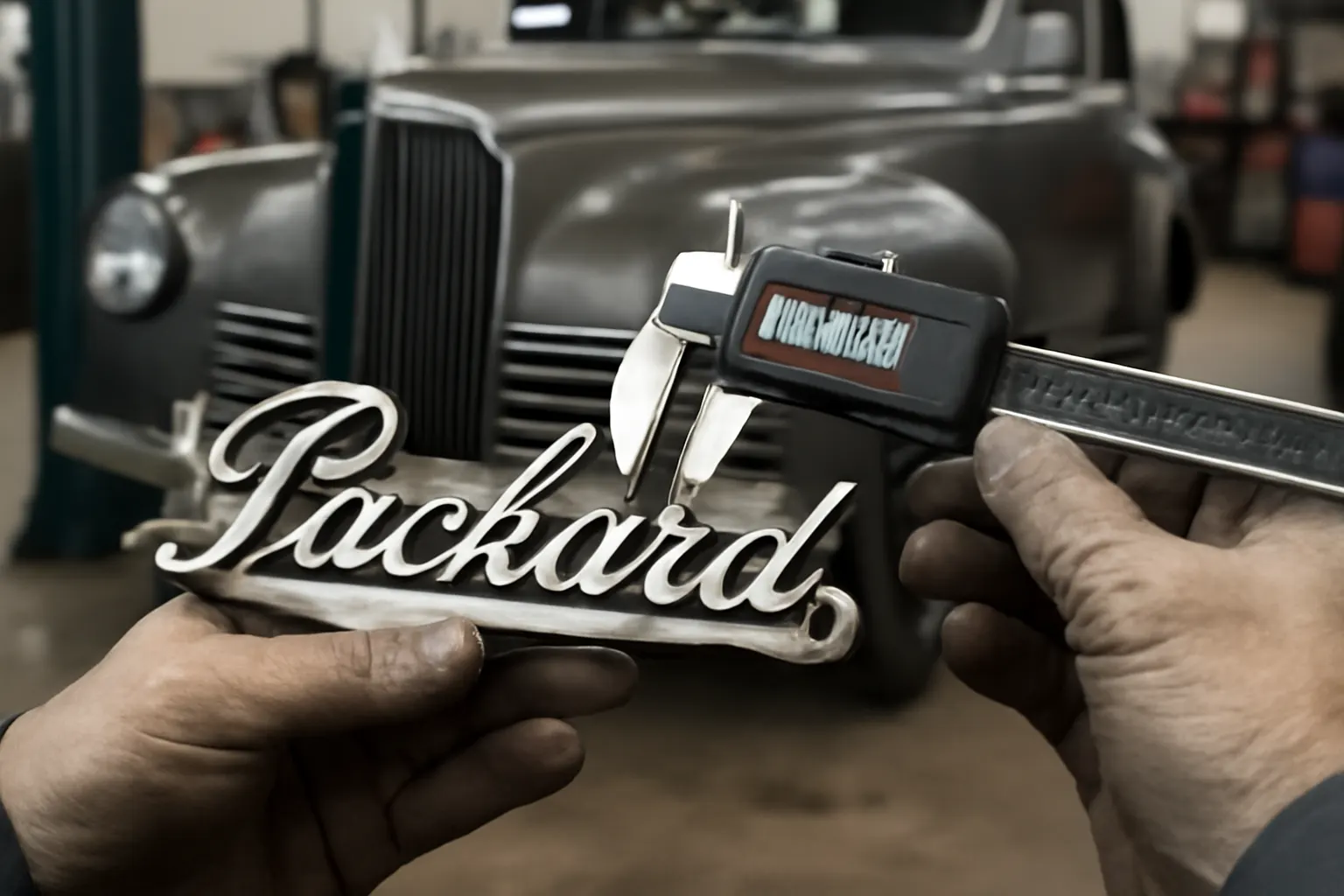
- Stampings: Look for “Packard,” “Packard Motor Car Company,” or specific model codes stamped into metal parts.
- Supplier Codes: Some parts carry the marks of original suppliers (e.g., Delco, Autolite for electrical), which can be verified against historical records.
SAE and Industry Standards
Packard adhered to industry standards for materials and manufacturing processes. Familiarize yourself with SAE Standards relevant to the era of your vehicle. Authentic parts will often conform to these standards, while reproductions may not.
Advertisement
Diagnosing Authenticity: Visual and Physical Inspection Techniques
Visual Inspection Checklist
- Markings and Numbers: Are the casting or stamping numbers present and correct?
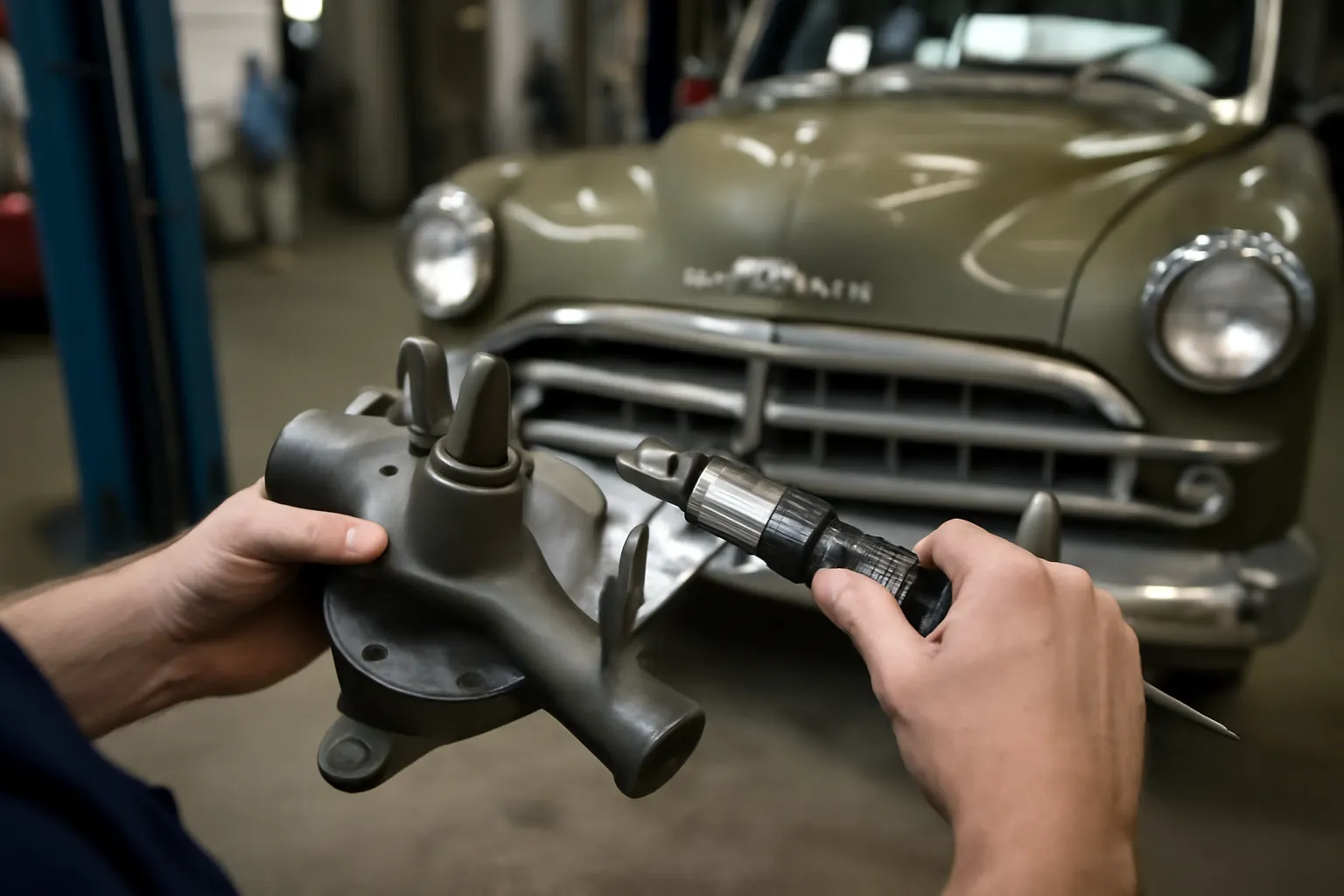
- Material Quality: Does the part’s weight, finish, and feel match known originals?
- Machining and Casting Quality: Look for crisp, clean edges and uniform surfaces. Originals rarely have flashing, rough surfaces, or excess casting marks.
- Paint and Coatings: Authentic parts use era-appropriate finishes—compare with reference photos and restoration guides.
- Wear Patterns: Genuine used parts show consistent, period-correct wear; reproductions may look artificially aged or too pristine.
Physical Inspection
- Fit and Tolerances: Test-fit the part if possible. Authentic components fit snugly and align perfectly with mating parts.
- Material Tests: Magnet tests for steel, hardness tests for fasteners, and chemical spot tests for alloys can help verify materials.
Documentation and Provenance: The Paper Trail
Why Provenance Matters
A documented history adds credibility. Original invoices, service records, or provenance papers can help confirm a part’s authenticity. When buying from reputable sources or auctions, request any available documentation.
Sourcing from Trusted Suppliers
Purchasing from established suppliers with a reputation for authenticity—such as those featured on Packard Auto Parts: Heritage Engineering, Authentic Fitment & Sourcing | AutoPartEx—reduces the risk of acquiring non-genuine parts. Many trusted vendors will provide detailed documentation or certificates of authenticity.
Common Pitfalls When Sourcing Classic Packard Parts
Over-Reliance on Online Marketplaces
While online platforms offer convenience, they’re also rife with misrepresented parts. Listings may use misleading language like “Packard style” or “for Packard,” which can indicate a reproduction or universal fitment part, not an original.
Misleading Reproductions and Counterfeits
Some reproductions are so convincing that only an expert can tell them apart from originals. Beware of:
- Fake Markings: Counterfeiters may add bogus casting numbers or logos.
- Incorrect Materials: Cheaper alloys, plastics, or finishes that don’t match Packard’s standards.
- Unverified Claims: Sellers claiming NOS (new old stock) without proof.
The Risks of Inauthentic Parts: Technical and Safety Implications
Compromised Mechanical Performance
Inauthentic parts may not match the mechanical properties of originals, leading to:
- Poor Fitment: Resulting in leaks, vibrations, or misalignments.
- Reduced Durability: Inferior materials may crack, warp, or fail under stress.
- Performance Loss: Engine, transmission, or suspension components may not deliver expected performance or longevity (DOE Fuel Efficiency).
Safety Hazards
Critical systems—brakes, steering, suspension, and electrical—require components manufactured to strict specifications. Using substandard parts can:
- Increase Failure Risk: Especially under load, during emergency maneuvers, or at speed.
- Violate Safety Standards: Potentially making the vehicle unsafe or non-compliant with modern safety expectations (NHTSA Equipment).
Step-by-Step Authenticity Checklist for Classic Packard Parts
Use this detailed checklist when evaluating Packard parts for authenticity:
| Step | What to Check | How to Verify |
|---|---|---|
| 1 | Part Numbers & Markings | Compare with Packard catalogs and reference guides |
| 2 | Supplier Codes | Match codes with known original suppliers |
| 3 | Material & Weight | Compare to known originals; check for correct alloys and finishes |
| 4 | Machining & Casting Quality | Inspect for period-correct manufacturing techniques |
| 5 | Documentation & Provenance | Request invoices, service records, or certificates |
| 6 | Fitment & Tolerances | Test-fit or measure against original components |
| 7 | Seller Reputation | Research seller history and reviews |
| 8 | Visual Wear Patterns | Look for natural aging, not artificial distressing |
| 9 | Paint & Coatings | Verify against era-correct finishes and color codes |
| 10 | SAE/Industry Standards Compliance | Reference SAE Standards for era |
The Role of SAE and Industry Standards in Authenticity
Why Standards Matter
Packard, like other major automakers, built vehicles to rigorous standards. Authentic parts will conform to the specifications set by organizations such as SAE International. These standards govern materials, tolerances, and performance characteristics, ensuring compatibility and safety.
Advertisement
How to Use Standards in Verification
- Cross-reference Part Numbers: Use SAE and period Packard documentation to verify part numbers and specifications.
- Assess Material Compliance: Standards specify material grades and treatments. Non-authentic parts often substitute cheaper materials.
- Fitment and Performance: Authentic parts will match the performance and fitment profiles outlined in original engineering documents (SAE Standards).
Sourcing Strategies: Where to Find Authentic Packard Parts
Specialist Suppliers and Networks
Look to established Packard clubs, marque specialists, and vetted suppliers with decades of experience. These sources often have access to NOS (new old stock) inventories, verified reproductions, and knowledgeable staff.
- Packard Owners’ Clubs: Many clubs maintain parts registries and swap meets.
- AutoPartEx Supplier Network: Curated for authenticity and fitment, with access to technical expertise.
Auctions and Estate Sales
Auctions can yield rare finds, but due diligence is essential. Always request detailed photos, provenance, and an inspection period.
Salvage and Donor Vehicles
Sometimes the best source is another Packard. Salvage vehicles can provide a trove of original parts, though condition and wear must be carefully assessed.
Practical Diagnostic and Fitment Guidance
Confirming Fitment Before Purchase
- Request Measurements: Ask sellers for precise dimensions and compare with your vehicle or reference diagrams.
- Use Fitment Guides: Resources like How to Verify Fitment on Vintage Packard Parts offer step-by-step instructions for checking compatibility.
- Test-Fit When Possible: If buying in person, bring the original part for side-by-side comparison.
Diagnosing Installed Parts
- Performance Testing: After installation, monitor for leaks, noise, or abnormal wear.
- Visual Checks: Re-examine installed parts for signs of improper fit or material incompatibility.
- Routine Inspection: Periodically inspect high-wear items (bushings, seals, bearings) for premature failure.
Maintenance Tips for Preserving Authenticity
Protecting Original Parts
- Clean Gently: Use non-abrasive cleaners to preserve markings and finishes.
- Store Properly: Keep spares in climate-controlled environments to prevent corrosion.
- Document Everything: Maintain a log of parts installation, sourcing, and service for future reference.
When to Use Reproductions
Not every part must be original—some wear items (like hoses, belts, and filters) are best replaced with high-quality reproductions for safety and reliability, as long as they are faithful to the original design and materials.
The Value of Expert Consultation
When to Seek Professional Help
If you’re uncertain about a part’s authenticity, consult with a Packard expert or restoration specialist. Their trained eye can spot subtle differences and help you avoid costly mistakes.
Utilizing Community Resources
- Forums and Clubs: Online Packard forums and local clubs are invaluable for advice and verification.
- AutoPartEx Technical Support: Our team offers expert guidance on sourcing, fitment, and authenticity verification.
AutoPartEx: Your Partner in Authentic Packard Restorations
At AutoPartEx, we understand the unique challenges of sourcing authentic parts for classic Packards. Our curated supplier network, technical resources, and Packard Auto Parts: Heritage Engineering, Authentic Fitment & Sourcing | AutoPartEx page are designed to help you restore with confidence. We also recommend exploring our Packard Suspension Restoration Guide and Packard Electrical Systems: Troubleshooting & Upgrades for in-depth technical advice on common restoration challenges.
Whether you’re searching for a rare NOS component or seeking advice on a tricky fitment issue, AutoPartEx is committed to helping you achieve a safe, authentic, and rewarding restoration.
Conclusion: Restore with Confidence
Authenticity checks are not just about preserving value—they’re about honoring Packard’s engineering legacy and ensuring your classic performs as intended. By mastering visual and technical verification, leveraging trusted resources, and staying vigilant against counterfeits, you can source with confidence and keep your Packard true to its heritage.
For more information on Packard fitment and restoration, visit our Packard Auto Parts: Heritage Engineering, Authentic Fitment & Sourcing | AutoPartEx hub or consult our detailed How to Verify Fitment on Vintage Packard Parts guide.
References
Advertisement