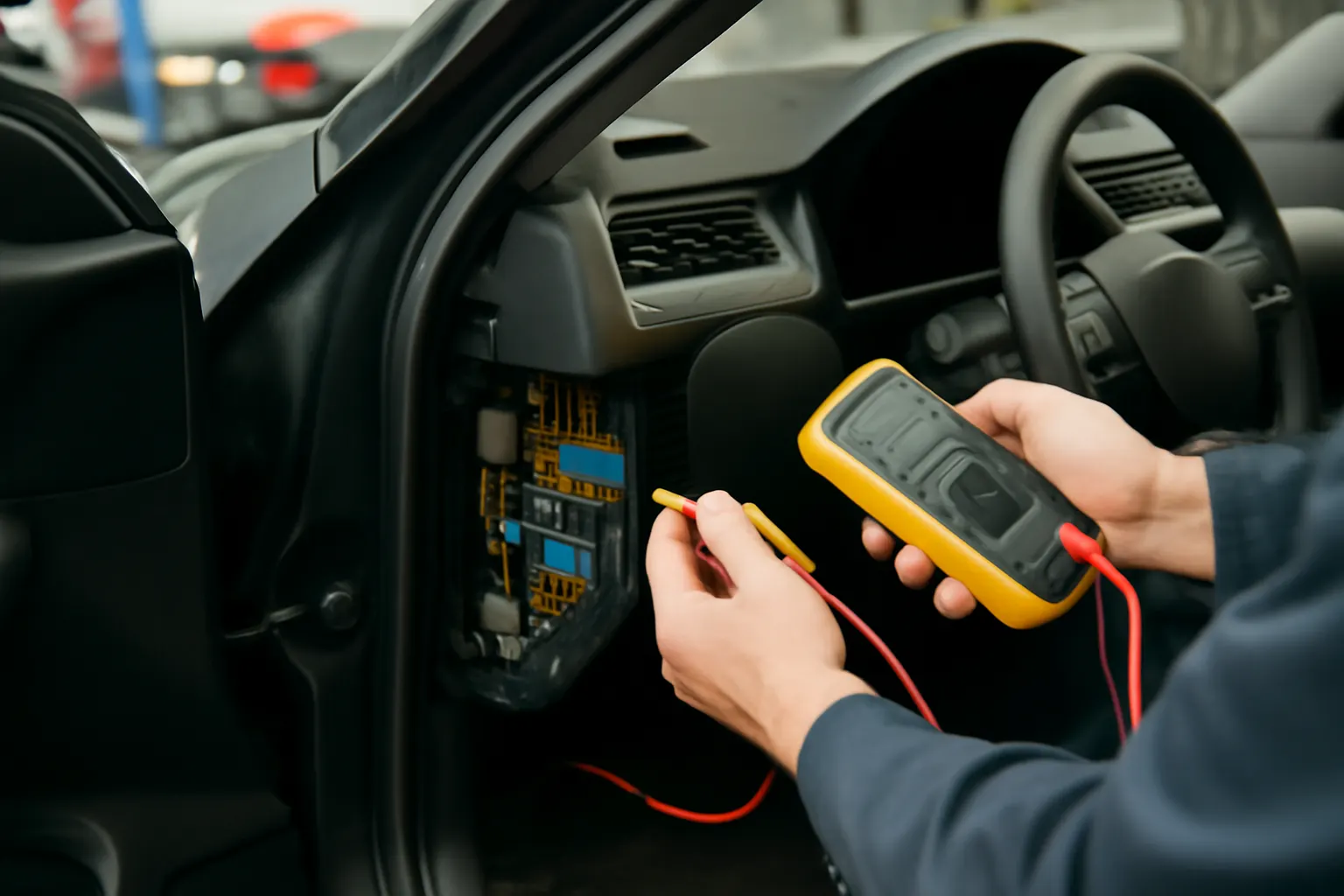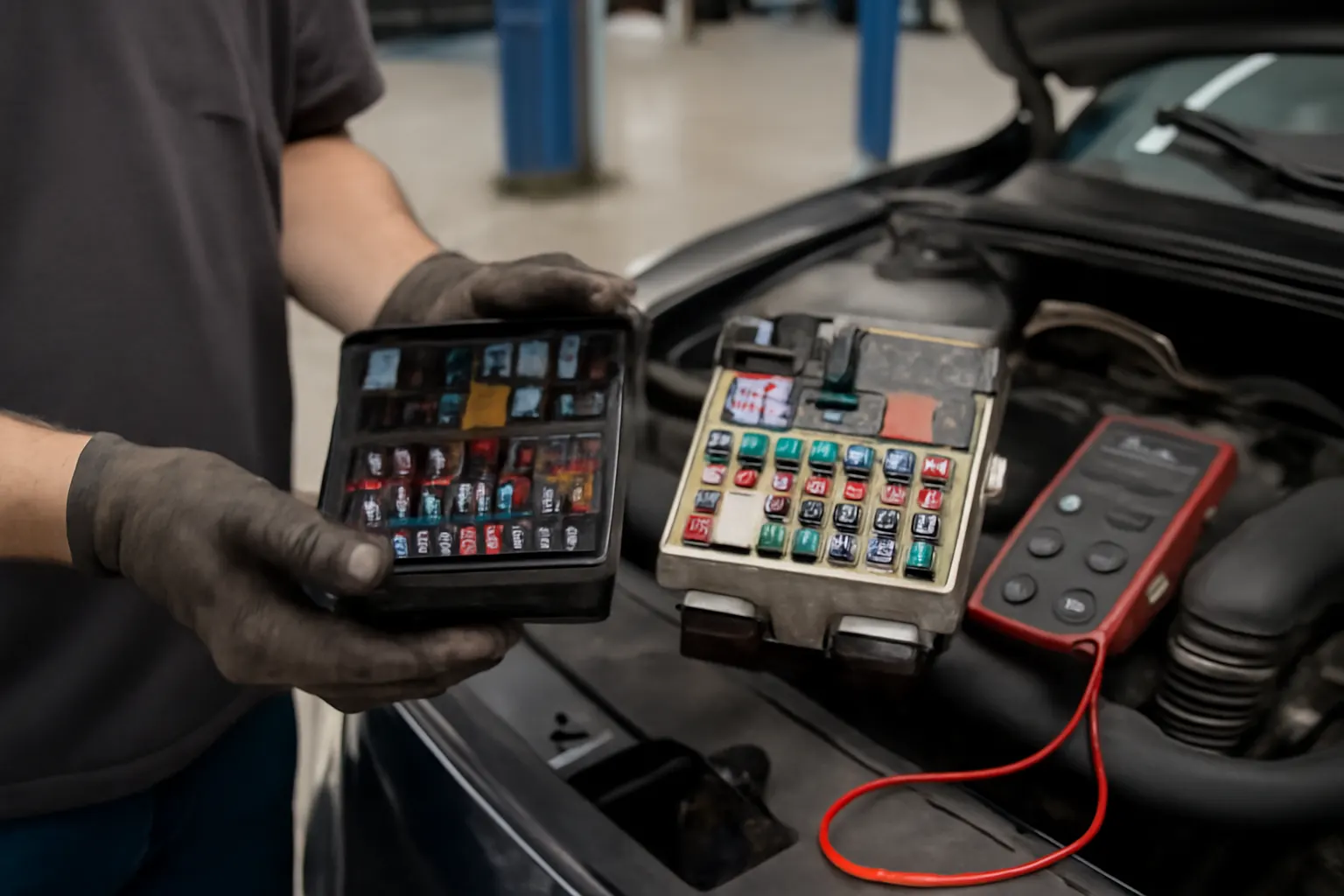
OEM vs Aftermarket Cabin Fuse Box: Quality and Performance Comparison
When it comes to replacing your vehicle’s cabin fuse box, the debate between OEM (Original Equipment Manufacturer) and aftermarket options is more than just a matter of price. The quality, performance, durability, and even your vehicle’s safety can hinge on this critical decision. In this comprehensive guide, the AutoPartEx Technical Editorial Team breaks down the real-world differences between OEM and aftermarket cabin fuse boxes—so you can make the most informed choice for your car, truck, or SUV.
Whether you’re a DIY enthusiast, a professional technician, or simply a vehicle owner facing electrical issues, understanding the distinctions between these two categories is crucial. For further exploration of compatible fuse boxes by make and model, see our Cabin Fuse Box | OEM Auto Parts | AutoPartEx.io category page.
Immediate Answer: Which Is Better—OEM or Aftermarket Cabin Fuse Boxes?
If you prioritize guaranteed fitment, proven reliability, and compliance with strict safety standards, OEM cabin fuse boxes are typically the best choice. They’re engineered to match your vehicle’s original specifications and are manufactured with materials and processes validated by your car’s maker. However, high-quality aftermarket options can offer comparable performance at a lower price point—provided you select units that meet or exceed OEM standards and are sourced from reputable brands.
The Hidden Problem: Not All Fuse Boxes Are Created Equal
Many vehicle owners assume any cabin fuse box will function identically, but this is a costly misconception. The cabin fuse box is central to your vehicle’s electrical distribution and protection. Subpar or poorly matched fuse boxes can lead to electrical failures, intermittent faults, or even safety hazards such as shorts, loss of critical systems, or increased fire risk. The proliferation of low-cost aftermarket parts has made it easier than ever to purchase a replacement—but not all meet the rigorous quality and safety benchmarks set by OEMs and regulatory agencies.
Why the Cabin Fuse Box Matters to Vehicle Performance and Safety
The cabin fuse box is more than a passive component. It’s the nerve center for your interior electrical systems, protecting circuits for everything from climate controls and infotainment to airbags and driver assistance features. According to the National Highway Traffic Safety Administration (NHTSA), electrical system failures are a leading cause of vehicle recalls and can result in loss of critical safety functions such as lighting, airbags, and power steering [NHTSA Equipment].
A compromised or incompatible fuse box can:
- Cause persistent electrical faults (e.g., flickering lights, nonfunctional accessories)
- Lead to cascading failures in related systems (e.g., battery, alternator)
- Void compliance with federal safety standards and subject your vehicle to recall risks
- Increase the risk of electrical fires or system overloads
OEM Cabin Fuse Boxes: What Sets Them Apart?
Engineering and Materials
OEM fuse boxes are manufactured to the exact specifications developed during your vehicle’s design and testing phases. This includes:
- Use of high-grade, heat-resistant plastics and metals that meet SAE and NHTSA safety standards [SAE Standards; NHTSA Equipment]
- Precision-molded housings and terminals for optimal electrical contact and resistance to vibration
- Integration with factory wiring harnesses and mounting points
Quality Control and Testing
OEM units are subject to rigorous factory testing for:
- Current-carrying capacity and overcurrent protection
- Environmental durability (temperature, humidity, corrosion)
- Resistance to common automotive fluids and contaminants
Fitment and Compatibility
OEM fuse boxes are guaranteed to fit your vehicle’s original connectors, mounting brackets, and fuse layouts. There are no surprises with pin alignment, relay fitment, or circuit mapping.
Warranty and Compliance
OEM parts typically include manufacturer-backed warranties and are guaranteed to comply with all federal safety and emissions regulations at the time of manufacture.
Aftermarket Cabin Fuse Boxes: The Pros and Cons
The Upside: Cost and Availability
Aftermarket fuse boxes are widely available and can be significantly less expensive than OEM parts. Leading aftermarket brands may even offer improved features, such as modular designs or enhanced materials, especially for older vehicles where OEM parts are discontinued.
The Downside: Quality Variability
Not all aftermarket fuse boxes are created equal. Key areas of concern include:
- Inconsistent use of materials—some units use lower-grade plastics or metals that may deform or corrode under heat and vibration [DOE Materials Technologies]
- Potential for minor differences in connector design or pin layout, leading to fitment or functionality issues
- Limited or no warranty support from lesser-known brands
Regulatory Compliance
While reputable aftermarket manufacturers adhere to SAE and NHTSA standards, many low-cost imports do not. This can put your vehicle at risk for electrical failures, safety system malfunctions, or even legal compliance issues.
Key Performance Differences: OEM vs Aftermarket
| Feature | OEM Fuse Box | Aftermarket Fuse Box |
|---|---|---|
| Fitment | Guaranteed precise fit | Varies by brand/model |
| Materials | High-grade, tested plastics/metals | Quality varies widely |
| Electrical Specs | Matches OE current/voltage ratings | May not match OE specs |
| Durability | Validated for long-term reliability | Can range from excellent to poor |
| Warranty | Manufacturer-backed | Varies; often limited |
| Safety Compliance | Always meets federal/SAE standards | May not meet full standards |
| Price | Higher | Lower to moderate |
| Availability | Dealer or OE suppliers | Widely available |
Installation Considerations: What to Expect
OEM Fuse Box Installation
- Direct “plug-and-play” replacement
- No wiring modifications required
- All mounting points and fasteners align perfectly
- Supported by factory service manuals and diagrams
Aftermarket Fuse Box Installation
- May require minor modifications to connectors or mounting
- Possible need to re-pin or adapt wiring harnesses
- Instructions and diagrams may be generic or incomplete
- Potential for error increases if the unit is not vehicle-specific
For a detailed installation walkthrough, see our Cabin Fuse Box Replacement: Installation and Safety Guide.
Durability and Longevity: Materials Science in Focus
The longevity of a cabin fuse box depends heavily on the materials used and the quality of assembly. According to the Department of Energy, advanced materials technologies—including improved polymers and corrosion-resistant metals—are critical for ensuring the durability and performance of automotive electrical components [DOE Materials Technologies].
OEM fuse boxes are built with these advanced materials as standard, while aftermarket units may use anything from equivalent to subpar alternatives. Over time, poor materials are prone to:
- Thermal deformation (melting or warping from heat)
- Cracking from vibration or cold temperatures
- Corrosion at terminal points, leading to increased resistance and potential failure
Electrical Performance and Safety: What’s at Stake?
A cabin fuse box must handle the electrical demands of all interior systems—sometimes exceeding 50 individual circuits in modern vehicles. Electrical performance is not just about power delivery, but also about:
- Consistent overcurrent protection (fuses and relays must trip at the correct thresholds)
- Low-resistance connections to minimize voltage drop
- Isolation to prevent cross-circuit shorts
OEM boxes are validated for these parameters during vehicle development and crash testing [NHTSA Equipment]. Aftermarket units may not be subjected to the same level of scrutiny, especially from off-brand suppliers.
Diagnostic Checklist: Evaluating Your Cabin Fuse Box Replacement
Before purchasing or installing any cabin fuse box, use this diagnostic checklist to ensure you’re making the right choice:
Pre-Purchase Evaluation
- Confirm Part Number: Match the replacement part number to your vehicle’s VIN and OE catalog.
- Check Materials: Inspect for high-quality plastics, robust metal contacts, and tight-fitting connectors.
- Review Manufacturer Reputation: Research the brand for safety recalls or known issues (NHTSA Recalls).
- Assess Regulatory Compliance: Look for SAE and NHTSA certifications on the packaging or product listing.
- Compare Circuit Layout: Ensure the fuse and relay positions match your vehicle’s original diagram.
Post-Installation Testing
- Visual Inspection: Check for secure mounting, no pinched wires, and proper connector engagement.
- Function Test: Cycle all interior systems (lights, HVAC, infotainment, power accessories) for proper operation.
- Voltage Drop Test: Measure voltage at key circuits under load to confirm low resistance.
- Thermal Check: After operation, inspect for excessive heat at fuse box terminals.
Common Issues with Aftermarket Fuse Boxes
While many aftermarket fuse boxes perform admirably, common pitfalls include:
- Misaligned Connectors: Even slight differences in connector shape or pin spacing can cause intermittent electrical issues.
- Substandard Fuses/Relays: Some kits include low-quality fuses or relays prone to premature failure.
- Lack of Diagnostic Support: Fewer resources for troubleshooting or wiring diagrams compared to OEM units.
- Unaddressed Recalls: Aftermarket units may not be covered by manufacturer recall campaigns, leaving users vulnerable to known defects.
Maintenance and Protection: Maximizing Fuse Box Lifespan
Regardless of which type you install, proactive maintenance extends the life of your cabin fuse box:
- Inspect for Corrosion: Regularly check terminals for green/white corrosion and clean as needed.
- Keep Dry: Avoid moisture ingress by ensuring all seals and grommets are intact.
- Monitor for Overheating: Discoloration or a burnt smell is a warning sign—address immediately.
- Fuse Integrity: Replace blown fuses only with the correct amperage as specified in your owner’s manual.
- Cable Management: Secure wiring harnesses to prevent vibration-induced wear.
For more on protecting your fuse box from damage, see Preventing Cabin Fuse Box Damage: Maintenance and Protection.
Sourcing and Buying Guidance: How to Choose Wisely
When to Choose OEM
- Your vehicle is under warranty or subject to recall
- You require guaranteed fitment and long-term reliability
- Compliance with safety standards is non-negotiable (e.g., for commercial or fleet vehicles)
- You want the highest resale value and peace of mind
When to Consider Aftermarket
- The OEM part is discontinued or prohibitively expensive
- You are experienced with minor wiring adaptations
- The aftermarket brand is reputable and meets all regulatory standards
- You need a cost-effective solution for an older or secondary vehicle
Sourcing Tips
- Buy from Authorized Dealers: Whether OEM or reputable aftermarket, always buy from trusted suppliers.
- Avoid “Universal Fit” Units: These rarely match the complexity of modern vehicle fuse boxes.
- Request Documentation: Ask for wiring diagrams and installation instructions before purchase.
- Check for Return Policy: Ensure you can return the part if fitment or function is not as described.
The AutoPartEx Advantage: Why Source Through Us?
At AutoPartEx, our curated selection of Cabin Fuse Box | OEM Auto Parts | AutoPartEx.io ensures you get parts that are vetted for quality, compatibility, and compliance. Our technical team cross-references manufacturer catalogs, NHTSA data, and SAE standards to minimize the risk of mismatched or substandard components.
We also provide:
- Detailed fitment guides and wiring diagrams
- Expert installation support
- Transparent sourcing—know exactly what brand and version you’re getting
For further insights into cabin fuse box safety and performance, visit Cabin Fuse Box Safety: Performance and Protection.
Expert Action: Steps to a Safe and Reliable Cabin Fuse Box Replacement
- Diagnose First: Confirm the fuse box is the root cause of your electrical issue—not a downstream component.
- Select the Right Type: Weigh the pros and cons of OEM vs aftermarket for your specific vehicle and use case.
- Verify Fitment: Double-check part numbers, connector layouts, and mounting points.
- Source from Reputable Suppliers: Use trusted platforms like AutoPartEx or authorized dealers.
- Follow Installation Best Practices: Use the factory service manual or our detailed installation guides.
- Test Thoroughly: Don’t just start the engine—test every interior electrical system for proper operation.
- Maintain Vigilance: Periodically inspect your fuse box for signs of wear, corrosion, or overheating.
By following these steps, you ensure not only your vehicle’s functionality but also its compliance with safety standards and long-term reliability.