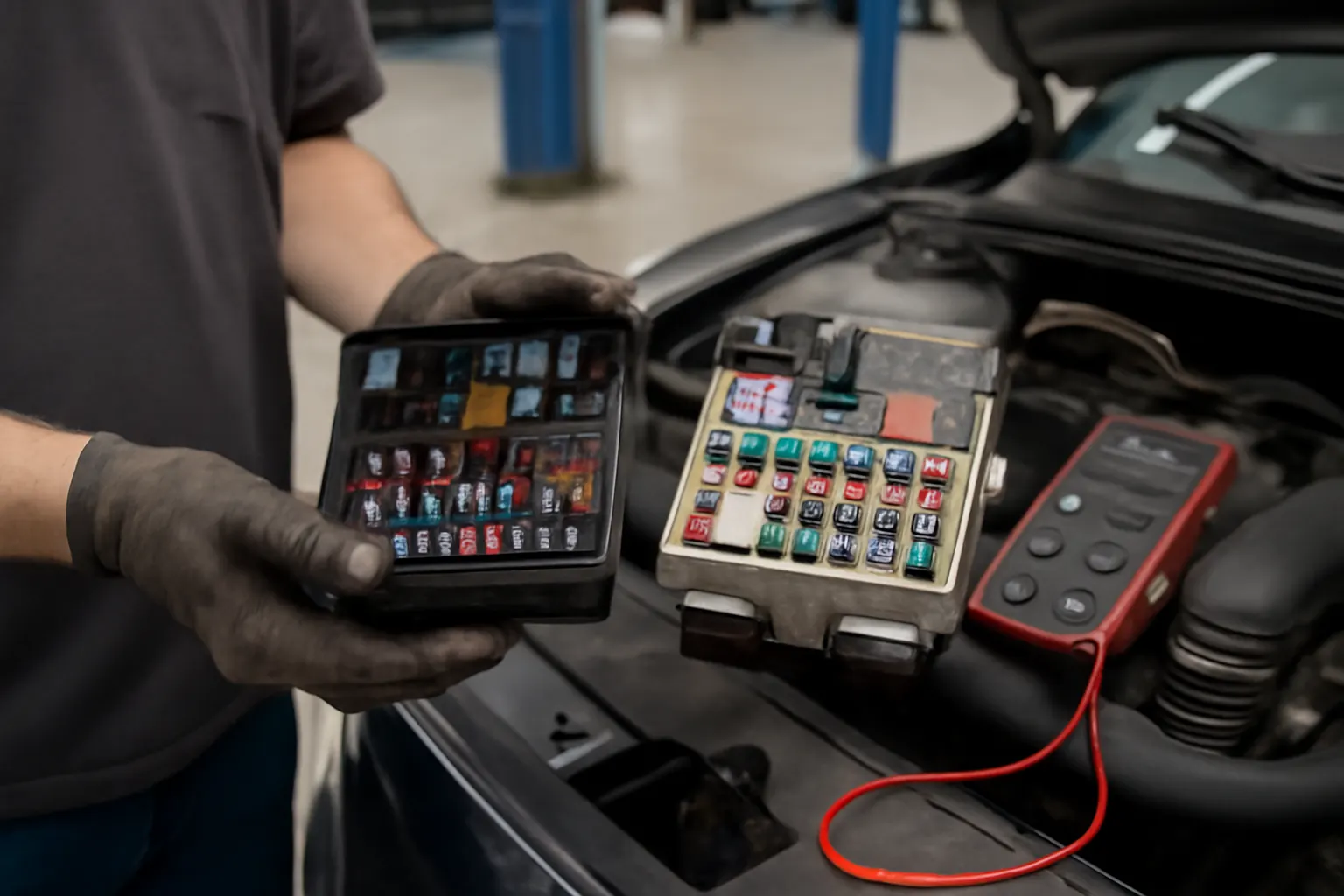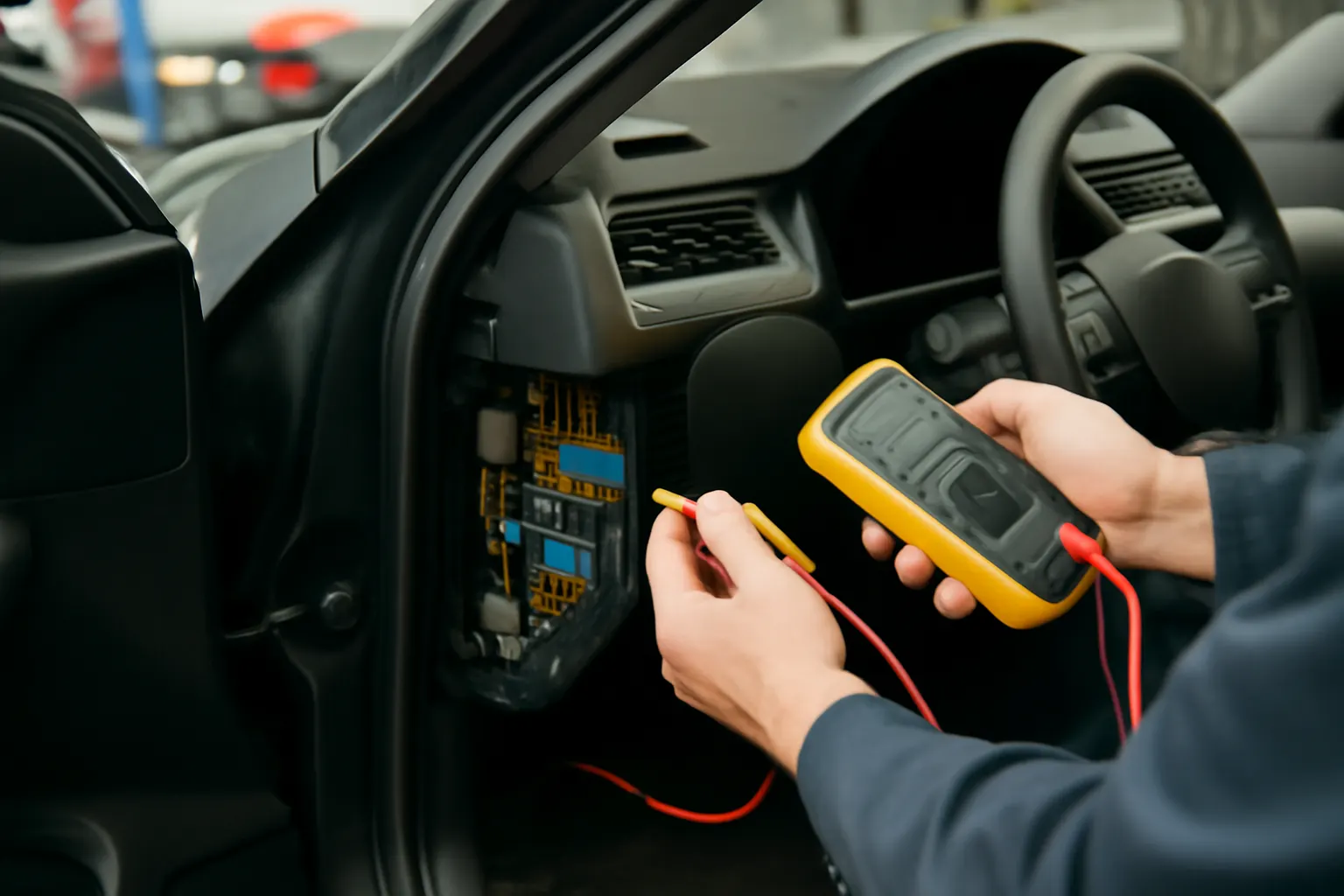
Cabin Fuse Box Safety: Performance and Protection
The cabin fuse box is a silent guardian of your vehicle’s electrical integrity, ensuring both performance and occupant protection. Whether you’re troubleshooting an electrical issue, considering a replacement, or simply want to understand how your vehicle stays safe, the cabin fuse box is a critical component that deserves close attention. This guide explores its vital safety functions, how it impacts vehicle operation, and what you must know to keep your car protected and reliable. For OEM fitment, technical details, and sourcing, see our Cabin Fuse Box | OEM Auto Parts | AutoPartEx.io page.
The Immediate Answer: Why Cabin Fuse Box Safety Matters
The cabin fuse box is central to your vehicle’s safety and performance because it regulates and protects all major electrical circuits inside the cabin. It prevents electrical overloads, shorts, and fire hazards by instantly disconnecting circuits when faults are detected. This not only shields passengers from harm but also preserves the operation of critical systems—like airbags, dashboard controls, lighting, and even your power windows.
When a cabin fuse box is functioning correctly, it ensures:
- Consistent power delivery to essential safety systems.
- Immediate circuit isolation in case of faults, minimizing damage.
- Protection against fire and electrical hazards inside the passenger compartment.
Ignoring the condition or proper function of the cabin fuse box can lead to severe consequences, including total loss of electrical controls, compromised airbag deployment, and increased risk of electrical fires.
The Hidden Problem: Overlooked Risks in Cabin Fuse Box Failure
Many drivers underestimate the importance of cabin fuse box safety, focusing more on high-profile components like the battery or alternator. However, the cabin fuse box is often the first and last line of defense in electrical safety.
Hidden risks of neglecting the cabin fuse box include:
- Silent System Failures: Fuses can degrade or partially fail, causing intermittent loss of power to safety-critical systems.
- Undetected Overheating: Poor connections or inferior materials may cause localized heating, warping the fuse box and increasing fire risks.
- Compromised Crash Protection: Faulty fuses can prevent airbags or seatbelt pretensioners from deploying, directly endangering occupants.
These failures are not always obvious; they often develop gradually, making regular inspection and proactive maintenance essential for continued safety.
Cabin Fuse Box: The Safety Nexus of Modern Vehicles
Core Functions and Safety Integration
The cabin fuse box acts as the central nervous system for in-cabin electrical safety. It houses an array of fuses and relays, each dedicated to a specific circuit—airbags, lighting, infotainment, HVAC, and more. In the event of a current surge or short circuit, the corresponding fuse immediately disconnects the affected circuit, preventing wire damage, component failure, or fire.
Safety-Critical Systems Protected
Key safety systems routed through the cabin fuse box typically include:
- Airbag modules
- Seatbelt pretensioners
- ABS and traction control relays
- Instrument cluster and warning indicators
- Interior lighting and emergency signals
If any of these circuits lose protection due to a faulty fuse box, the risk to occupants escalates dramatically. This is why safety standards—such as those enforced by the National Highway Traffic Safety Administration (NHTSA)—demand rigorous testing and recall procedures for fuse box-related defects [1].
Electrical Performance: The Role of Materials and Design
Advanced Materials for Reliability
Modern cabin fuse boxes are engineered using advanced polymer composites and corrosion-resistant metals. According to the United States Department of Energy, these material innovations reduce weight while improving thermal stability and electrical conductivity—both critical for safe, reliable operation [2].
Design Factors Influencing Safety
Key design features that impact safety and performance include:
- Heat Dissipation Channels: To prevent overheating during high current events.
- Secure Terminal Locking: Ensures solid contact and minimizes arcing.
- Moisture Barriers: Protects internal circuits from humidity and condensation.
- Color-Coded Fuses: Reduces the risk of incorrect installation.
A high-quality fuse box, whether OEM or premium aftermarket, will incorporate these design elements to maximize both performance and occupant protection.
The Risk of Inferior or Damaged Cabin Fuse Boxes
Common Failure Modes
A compromised cabin fuse box can manifest in several ways:
- Cracked or warped housing: Often due to excessive heat or poor materials.
- Corroded terminals: Resulting from moisture ingress or poor sealing.
- Loose fuse contacts: Leading to arcing, intermittent faults, or total circuit loss.
- Mismatched fuse ratings: From improper repairs or non-OEM replacements.
Safety and Performance Consequences
Any of these issues can cascade into larger safety failures, such as:
- Loss of airbag functionality
- Dashboard warning lights inoperative
- HVAC or lighting failures during adverse conditions
- Electrical fires from arcing or overheating
Routine inspection and prompt replacement are the only ways to mitigate these risks. For a comprehensive guide, see Cabin Fuse Box Replacement: Installation and Safety Guide.
Diagnosing Cabin Fuse Box Issues: A Practical Checklist
Early detection of cabin fuse box problems is crucial for occupant safety. Use this checklist to identify warning signs:
| Symptom | Possible Cause | Immediate Action |
|---|---|---|
| Flickering dashboard lights | Loose/corroded fuse contacts | Inspect/clean contacts |
| Airbag or ABS warning lights | Blown fuse or relay failure | Test/replace affected fuse |
| Burning smell in cabin | Overheating, arcing, or short circuit | Disconnect battery, inspect |
| Non-functioning power windows | Open circuit or blown fuse | Check fuse, test voltage |
| Intermittent electrical faults | Warped or cracked fuse box | Visual inspection, replace |
If any of these symptoms appear, address them immediately to prevent escalation.
The Deeper Technical Explanation: How the Cabin Fuse Box Protects You
Circuit Isolation and Fault Management
The primary function of the cabin fuse box is to isolate electrical faults before they can cause harm. Each fuse is rated for a specific current; if exceeded, the fuse element melts, breaking the circuit instantly. This action:
- Prevents wire overheating: Minimizing the risk of fire.
- Protects downstream electronics: Such as control modules and sensors.
- Maintains system integrity: Ensuring only the affected circuit is disabled, not the entire vehicle.
Integration with Modern Safety Standards
Modern vehicles are required to meet stringent safety and equipment standards, including those related to electrical system protection. The NHTSA mandates that all safety-critical circuits, such as those for airbags and ABS, are properly fused and tested under real-world conditions [1]. Any deviation can result in recalls and severe liability for manufacturers.
Common Cabin Fuse Box-Related Recalls
Real-World Examples
Cabin fuse box defects are a recurring theme in vehicle recalls. According to the NHTSA recall database, common recall triggers include:
- Incorrect fuse ratings installed at factory
- Water ingress leading to corrosion and short circuits
- Substandard materials causing overheating or melting
- Manufacturing defects in terminal alignment
How Recalls Protect Consumers
When a fuse box defect is identified, manufacturers often issue recalls to prevent accidents, fires, or loss of critical safety functions. Vehicle owners should check the NHTSA recall database regularly, especially if experiencing electrical anomalies.
Maintenance: How to Inspect and Protect Your Cabin Fuse Box
Inspection Steps
- Locate the cabin fuse box: Usually under the dashboard or behind a side panel.
- Turn off ignition and disconnect the battery: Prevents accidental shorts during inspection.
- Open the fuse box cover: Check for moisture, corrosion, or burnt smells.
- Inspect each fuse and relay: Look for discoloration, melting, or loose fit.
- Check housing integrity: Ensure no cracks or warping.
- Test circuits as needed: Use a multimeter to verify continuity.
Preventive Maintenance Tips
- Replace fuses with OEM equivalents: Avoid mismatched ratings.
- Seal any gaps or openings: Prevents moisture ingress.
- Clean contacts with electrical cleaner: Reduces corrosion risk.
- Monitor for recurring faults: Persistent issues may indicate deeper problems.
For advanced tips on preventing damage, see Preventing Cabin Fuse Box Damage: Maintenance and Protection.
Sourcing the Right Cabin Fuse Box: OEM vs. Aftermarket
OEM Advantages
- Guaranteed fit and function: Matches original vehicle specifications.
- Certified materials and construction: Meets all regulatory safety standards.
- Full compatibility with safety systems: No risk of mismatched circuits.
Aftermarket Considerations
- Broader selection and price points: Useful for older or less common vehicles.
- Quality varies: Only choose reputable brands with proven safety records.
- Potential for enhanced features: Some aftermarket boxes offer improved heat resistance or modularity.
For a detailed comparison, see OEM vs Aftermarket Cabin Fuse Box: Quality and Performance Comparison.
Installation Guidance: Safety-First Replacement Procedures
Key Steps for Safe Replacement
- Disconnect the vehicle battery: Always the first step.
- Label all wires and connectors: Prevents confusion during reassembly.
- Remove old fuse box carefully: Avoid pulling or bending wires.
- Inspect connectors for damage: Replace any corroded or burnt terminals.
- Install new fuse box: Ensure all fuses and relays are correctly seated.
- Reconnect battery and test functions: Verify all circuits operate as intended.
Professional vs. DIY Replacement
- DIY replacement is feasible for most vehicles if you have basic electrical knowledge and follow manufacturer instructions.
- Professional installation is recommended if you encounter complex wiring, integrated control modules, or advanced safety systems.
For a step-by-step installation guide, see Cabin Fuse Box Replacement: Installation and Safety Guide.
Fitment and Compatibility: Ensuring the Right Match
Identifying the Correct Part
- Check vehicle year, make, and model: Use your VIN for absolute accuracy.
- Cross-reference OEM part numbers: Avoid generic or universal fitments unless specified by the manufacturer.
- Consult trusted parts catalogs: Like those on the Cabin Fuse Box | OEM Auto Parts | AutoPartEx.io page.
Common Pitfalls
- Swapping incompatible fuse boxes: Can result in non-functioning circuits or safety system failures.
- Mismatched fuse layouts: May cause confusion during troubleshooting or emergency repairs.
- Ignoring recall advisories: Always check for updated part numbers or manufacturer bulletins.
Real-World Scenarios: When Cabin Fuse Box Safety Is Put to the Test
Scenario 1: Airbag Non-Deployment
A customer’s vehicle experienced a minor collision, but the airbags failed to deploy. Investigation revealed a corroded fuse box terminal had intermittently disconnected the airbag module, disabling the system at the moment of impact. Regular inspection and timely replacement would have prevented this safety failure.
Scenario 2: Electrical Fire Averted
A burning smell and smoke from beneath the dashboard prompted immediate action. The cause was a melted fuse box, triggered by a failing relay that overheated the surrounding plastic. The driver’s quick response, guided by dashboard warning lights, prevented a full-blown electrical fire.
Scenario 3: Sudden Loss of Cabin Controls
A vehicle lost all interior lighting and power window function during a rainstorm. Water had entered the cabin fuse box due to a missing cover seal. The resulting corrosion caused multiple fuses to fail. Preventive maintenance and proper sealing would have avoided this costly repair.
Safety Standards and Regulatory Compliance
NHTSA Requirements
The NHTSA sets forth strict guidelines for the design, testing, and performance of vehicle electrical systems [1]. These include:
- Mandatory fuse protection for all safety-critical circuits.
- Robust materials and construction to withstand real-world conditions.
- Recall protocols for any defect that poses a safety risk.
Industry Standards
SAE International also publishes standards for automotive electrical systems, covering everything from fuse sizing to environmental testing [3]. Compliance with these standards is non-negotiable for reputable manufacturers and ensures that replacement parts meet or exceed original specifications.
The AutoPartEx Advantage: Trusted Sourcing and Technical Support
At AutoPartEx, we understand that cabin fuse box safety is non-negotiable. Our curated selection of OEM and premium aftermarket fuse boxes ensures you get:
- Certified quality and fitment: Every part matches or exceeds manufacturer specifications.
- Expert technical guidance: From diagnosis to installation, our team supports every step.
- Comprehensive compatibility checks: Minimize the risk of mismatched parts or system failures.
For peace of mind and technical assurance, browse our Cabin Fuse Box | OEM Auto Parts | AutoPartEx.io catalog or consult our editorial guides for further support.
Expert Action: What Should You Do Next?
- Inspect your cabin fuse box annually: Especially before long trips or after any electrical issue.
- Replace at the first sign of damage: Don’t wait for a total failure—act on early warning signs.
- Use only trusted, certified parts: OEM is preferred, but high-quality aftermarket options are available.
- Stay informed about recalls: Periodically check the NHTSA recall database for updates on your vehicle.
- Consult professionals for complex repairs: If in doubt, seek certified automotive electrical technicians.
By making cabin fuse box safety a priority, you protect both your vehicle’s performance and the lives of its occupants—every trip, every mile.