Advertisement
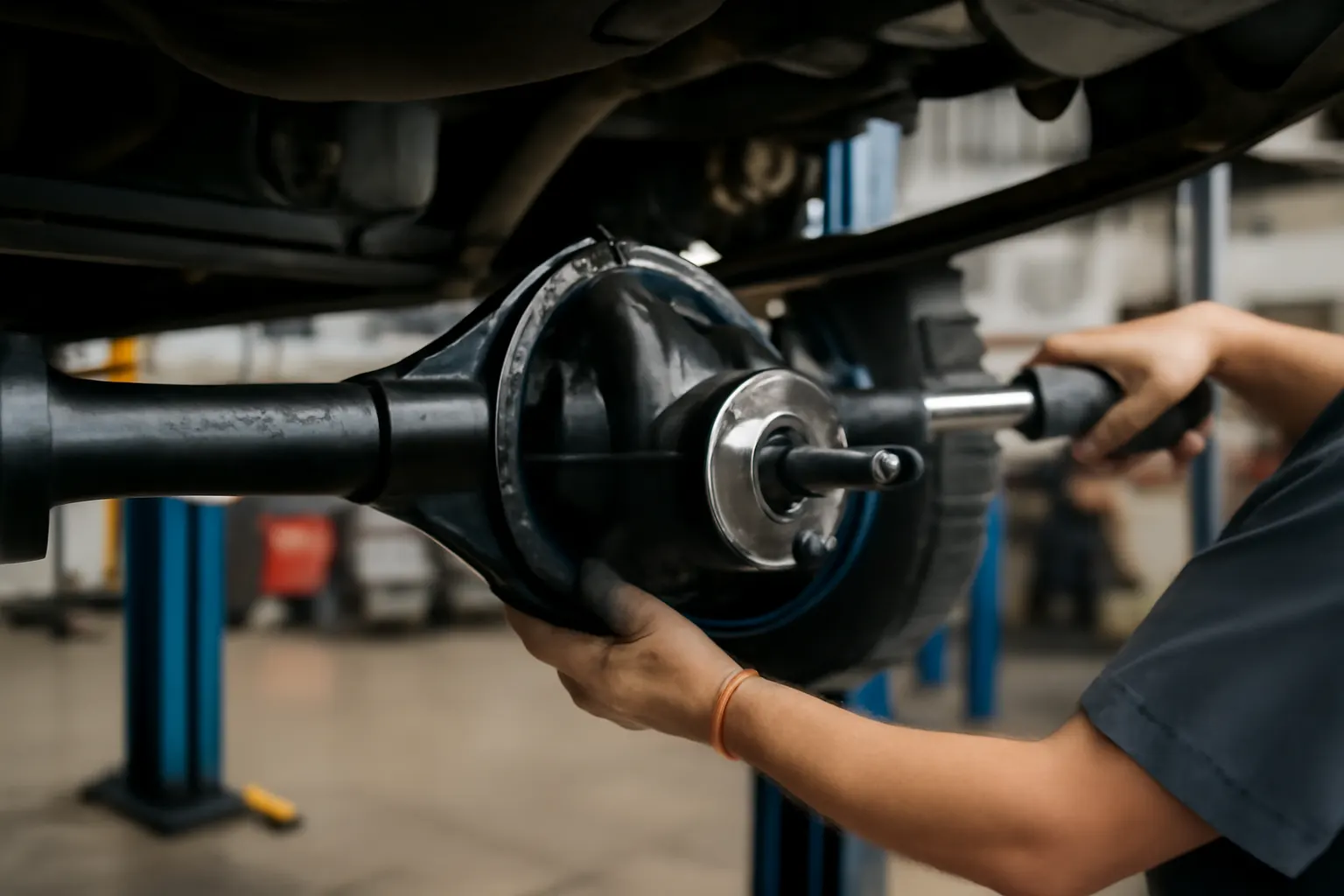
OEM (Original Equipment Manufacturer) axle housings consistently deliver superior fitment, structural reliability, and long-term performance over most aftermarket alternatives. These advantages are why expert installers, professional technicians, and discerning vehicle owners regularly insist on OEM axle housings for repairs and upgrades. In this in-depth guide, we’ll explore the technical reasons behind OEM’s superiority, the hidden pitfalls of aftermarket axle housings, and the practical steps you can take to ensure your drivetrain performs at its best.
If you’re comparing axle housing options for your vehicle, understanding the difference between OEM and aftermarket is critical—not just for performance, but also for safety, longevity, and even total cost of ownership. For a broader look at axle housing systems, visit our Axle Housing – Performance, Diagnostics, and Replacement | AutoPartEx resource.
OEM Axle Housings: The Immediate Advantages
When you choose an OEM axle housing, you’re getting a component engineered to the exact specifications, tolerances, and material standards as the original part installed at the factory. This means:
- Perfect Fitment: OEM axle housings are precision-matched to your vehicle’s make, model, and drivetrain configuration, ensuring seamless integration with axle shafts, differential assembly, bearings, and seals.
- Factory-Grade Durability: OEM components use the same high-grade materials and manufacturing processes that automakers trust for new vehicles.
- Safety Compliance: OEM axle housings are tested and certified to meet or exceed the safety and performance standards required by regulatory agencies such as the National Highway Traffic Safety Administration (NHTSA) [^1].
These immediate benefits translate to fewer installation headaches, less downtime, and greater peace of mind—especially when dealing with mission-critical drivetrain components.
The Hidden Problem: Inconsistent Quality in Aftermarket Axle Housings
Not all axle housings are created equal. While aftermarket options may promise lower upfront costs, they frequently introduce hidden risks:
- Variable Material Quality: Aftermarket manufacturers may use lower-grade metals or inconsistent heat-treatment processes, leading to increased risk of fatigue, cracking, or deformation under load [^2].
- Fitment Issues: Even small deviations in dimensions can cause misalignment with axle shafts, bearings, or suspension mounting points, resulting in noise, vibration, or premature wear.
- Inadequate Testing: Many aftermarket axle housings are not subjected to the same rigorous safety and durability testing as OEM parts, raising the risk of undetected flaws [^1].
These issues can remain hidden until after installation, when failures become far more costly and dangerous.
Beyond the Obvious: How Axle Housing Quality Impacts the Entire Drivetrain
The axle housing is much more than a simple structural tube—it is the backbone of the rear or front axle assembly, supporting the differential assembly, axle shafts, and often serving as a mounting point for the suspension system. Subpar axle housings can introduce a cascade of problems:
- Accelerated Wear on Bearings and Seals: Poorly machined housings can cause misalignment, increasing friction and reducing lifespan.
- Compromised Differential Operation: Incorrect tolerances can affect gear mesh and backlash, leading to noise, heat buildup, and eventual failure.
- Vehicle Handling and Safety Risks: An axle housing that flexes or deforms under load can alter suspension geometry, affecting handling and stability.
These knock-on effects often result in higher long-term costs and potential safety hazards.
Technical Deep Dive: OEM Materials and Manufacturing Standards
Automakers invest heavily in material science and manufacturing precision to ensure axle housings withstand the extreme forces of modern vehicles. According to the U.S. Department of Energy, advanced materials such as high-strength steel alloys, precise welds, and advanced corrosion treatments are standard in OEM parts [^2].
OEM Material Advantages
- High-Strength Steels: OEM axle housings use specific steel alloys designed for optimal strength-to-weight ratio and fatigue resistance.
- Controlled Heat Treatment: Factory processes ensure uniform hardness and ductility, preventing weak spots.
- Corrosion Protection: OEM housings receive advanced coatings or treatments to resist rust and environmental damage.
Advertisement
By contrast, many aftermarket housings use generic steel, less precise welding, and minimal surface treatment—leading to shorter component lifespan and higher risk of failure.
Safety Standards and Regulatory Testing: An OEM Requirement
OEM axle housings are engineered and tested to meet stringent safety standards set by government agencies and industry organizations. The NHTSA mandates that critical vehicle components—including axle housings—comply with specific safety and durability benchmarks [^1]. OEM suppliers must:
- Conduct fatigue and impact testing under real-world conditions.
- Validate material composition and weld integrity.
- Ensure dimensional accuracy for critical mounting and sealing surfaces.
Aftermarket manufacturers, particularly those producing low-cost alternatives, are not always held to these same standards, increasing the risk of undetected flaws.
Fitment and Compatibility: Why Precision Matters
A common complaint among installers and DIY mechanics is that aftermarket axle housings often require “massaging” to fit correctly. This can involve grinding, shimming, or even re-drilling mounting points—actions that compromise the structural integrity of the component and void any manufacturer support.
OEM Fitment Checklist
- Correct Flange-to-Flange Width: Ensures proper wheel alignment and track width.
- Accurate Differential Mounting: Guarantees the differential assembly seats perfectly, preventing leaks and misalignment.
- Consistent Bearing and Seal Bores: Maintains proper preload and seal contact, minimizing the risk of premature failure.
With OEM, you can expect drop-in compatibility with all associated parts, including axle shafts, bearing assemblies, and seal assemblies.
Performance and Longevity: The Real Cost of Aftermarket Shortcuts
While the sticker price of aftermarket axle housings may be lower, the total cost of ownership can be much higher due to:
- Frequent Repairs: Poor-quality housings are more prone to bending, cracking, and corrosion, especially under heavy loads or off-road conditions.
- Increased Drivetrain Wear: Misalignment accelerates wear on expensive components like differentials, gears, and bearings.
- Potential for Catastrophic Failure: In severe cases, a compromised axle housing can lead to wheel separation or loss of vehicle control.
OEM axle housings, engineered for durability and tested for real-world abuse, routinely outlast aftermarket alternatives.
Fuel Efficiency, Weight, and Modern Material Science
Modern OEM axle housings are designed not only for strength but also for weight optimization. The U.S. Department of Energy highlights that lighter, stronger materials contribute to improved fuel efficiency and overall vehicle performance [^3]. OEMs leverage:
- Optimized Wall Thickness: Reduces unsprung mass without sacrificing strength.
- Advanced Alloys: Provide better fatigue resistance and load-bearing capacity.
- Precision Machining: Ensures minimal friction losses in the drivetrain.
Aftermarket housings rarely have the R&D resources to match these advancements, often resulting in heavier or less efficient components that can negatively impact fuel economy and handling.
Diagnosing Axle Housing Issues: OEM vs. Aftermarket Symptoms
When troubleshooting drivetrain noise, vibration, or fluid leaks, the quality of the axle housing should be a primary consideration. Here are common symptoms that may indicate an axle housing problem—often exacerbated by aftermarket components:
- Abnormal Drivetrain Noise: Whining, clunking, or rumbling noises may result from misaligned gears due to inaccurate housing dimensions.
- Fluid Leaks: Poorly machined sealing surfaces on aftermarket housings can cause persistent leaks at the differential or axle ends.
- Premature Bearing Failure: Inconsistent bore diameters can cause uneven bearing loading and early failure.
- Unusual Tire Wear or Vehicle Pull: Axle housing misalignment can affect wheel tracking and suspension geometry.
If you suspect axle housing issues, consult our Critical Signs of Axle Housing Failure guide for a comprehensive diagnostic checklist.
Professional Installation: Why Experts Insist on OEM
Experienced installers overwhelmingly prefer OEM axle housings for several reasons:
- Reduced Installation Time: OEM housings fit as intended, eliminating the need for modifications or “fitting.”
- Fewer Callbacks: Proper fitment and material quality reduce the likelihood of post-installation issues, saving time and money for both shop and customer.
- Warranty and Support: OEM parts come with manufacturer support and documentation, making troubleshooting and warranty claims more straightforward.
Advertisement
For a step-by-step installation process, refer to our Professional Axle Housing Installation Guide.
Maintenance and Service Life: Maximizing Your Investment
Even the best axle housing requires proper maintenance to deliver peak performance over the vehicle’s lifespan. Here’s how to protect your investment:
Axle Housing Maintenance Checklist
- Regular Inspection: Check for cracks, deformation, or corrosion during every major service.
- Seal and Bearing Service: Replace bearings and seals at recommended intervals.
- Torque Checks: Ensure all mounting bolts and fasteners are tightened to factory specifications.
- Fluid Changes: Maintain proper lubricant levels in the differential assembly to prevent overheating and wear.
- Rust Prevention: Keep the axle housing clean and apply anti-corrosion treatments as needed, especially in harsh climates.
OEM axle housings are designed to make these maintenance tasks straightforward, thanks to consistent dimensions and robust surface treatments.
Buyer’s Guide: How to Source the Right OEM Axle Housing
When replacing or upgrading your axle housing, follow these steps to ensure you get the correct OEM part:
- Identify Your Vehicle’s Exact Specifications: Know your make, model, year, drivetrain configuration, and any special options (e.g., limited-slip differential, towing package).
- Consult OEM Parts Catalogs: Use VIN-based lookup tools to find the precise part number.
- Purchase from Authorized Sources: Buy from reputable dealers or certified resellers to avoid counterfeit or “gray market” parts.
- Verify Packaging and Markings: Genuine OEM housings will have manufacturer markings, serial numbers, and quality assurance tags.
- Check for Updates or Revisions: Automakers sometimes improve axle housing designs over time—always verify you’re getting the latest version for your application.
For more details on axle housing design and function, see Understanding Axle Housing Design and Function.
When Aftermarket Makes Sense (and When It Doesn’t)
There are rare scenarios where a high-quality aftermarket axle housing may be appropriate, such as:
- Custom Off-Road Builds: When OEM options are unavailable for extreme lift kits or custom applications, some specialty aftermarket housings can offer the required strength and geometry.
- Vintage or Obsolete Models: If OEM parts are discontinued, a reputable aftermarket supplier may be the only option.
However, even in these cases, it’s critical to choose aftermarket brands with a documented commitment to quality, material testing, and dimensional accuracy. Always verify compliance with industry standards, such as those published by SAE International.
Total Cost of Ownership: The OEM Advantage
When you factor in installation time, reduced risk of failure, longer service intervals, and better resale value, OEM axle housings are almost always the smarter investment. While the upfront price may be higher, the long-term savings in downtime, repairs, and peace of mind are substantial.
A well-maintained OEM axle housing can outlast the vehicle itself, while a substandard aftermarket unit may require replacement after only a few years—especially under demanding conditions.
The AutoPartEx Perspective: Why We Recommend OEM First
At AutoPartEx, our technical team has seen firsthand the difference between OEM and aftermarket axle housings. We consistently recommend OEM for critical drivetrain repairs and upgrades, especially when safety, reliability, and long-term value are priorities. Our curated selection of OEM axle housings and related components—axle shafts, differential assemblies, bearing assemblies, and more—ensures you get the right fit the first time.
For a complete selection and expert guidance, start at our Axle Housing – Performance, Diagnostics, and Replacement | AutoPartEx category page.
Conclusion: Make the Informed Choice for Your Drivetrain
Choosing the right axle housing is about more than cost—it’s about performance, safety, and the total ownership experience. OEM axle housings offer unmatched fitment, durability, and peace of mind, making them the clear choice for most applications. While specific aftermarket solutions have their place, the risks of poor fitment, inconsistent materials, and lack of testing make them a gamble for critical drivetrain components.
Before you buy, weigh the true long-term costs and benefits. For most drivers and professional installers, OEM axle housings remain the gold standard.
References
- Vehicle Safety and Equipment – National Highway Traffic Safety Administration
- Materials Technologies – United States Department of Energy
- Fuel Efficiency – United States Department of Energy
- SAE Standards – SAE International
Advertisement