
Axle Housing
Axle Housing: Essential Insights for Buyers and Owners
Axle housings are often overlooked until a problem arises, yet their condition is vital for vehicle safety and performance. Many owners focus on visible components, missing the subtle signs of axle housing wear or damage. This page explores what every vehicle owner should know about axle housings, from recognizing early issues to making informed repair or replacement decisions based on authoritative guidance.
Showing 1–8 of 24 products


More Axle Housing options
Filtering for Axle HousingBrowse nearby inventory for this category without leaving the page. Use search to filter by price, part number, or city.
No Data Available
Please check back soon when more inventory is available for this part.
Axle Housing: Essential Insights for Buyers and Owners
Why Axle Housing Condition Deserves Your Attention
Vehicle owners frequently prioritize engine or brake maintenance, unintentionally neglecting the axle housing—a component crucial for supporting the differential and axle shafts. While it may seem robust and maintenance-free, the axle housing endures significant stress and environmental exposure. Over time, even minor impacts, corrosion, or improper installation can compromise its integrity. Recognizing the importance of this part is the first step toward avoiding costly and potentially dangerous failures down the road.
Axle housing issues rarely announce themselves with dramatic symptoms at first. Instead, subtle vibrations, uneven tire wear, or minor leaks may develop gradually. Many drivers attribute these signs to other causes, such as wheel alignment or suspension problems, overlooking the axle housing as a potential source. This oversight can lead to more severe problems, including axle misalignment, premature bearing failure, or even catastrophic axle separation if left unaddressed.
Understanding the role and vulnerabilities of the axle housing helps owners make smarter decisions about inspection, maintenance, and replacement. Whether you drive in harsh conditions, tow heavy loads, or simply want to extend your vehicle’s lifespan, giving due attention to the axle housing is a proactive step. Informed awareness can prevent unexpected breakdowns and ensure continued safety on the road.
Common Axle Housing Problems and Their Impact
Axle housings serve as the backbone of the vehicle’s drivetrain, enclosing and protecting the differential and axle shafts. When the housing is compromised, it can lead to a cascade of related issues. For instance, a bent or cracked housing may cause the axles to run out of alignment, resulting in abnormal tire wear and increased strain on bearings and seals. This not only affects handling but can also accelerate wear on connected components, compounding repair costs.
Corrosion is another prevalent problem, especially for vehicles exposed to road salt or off-road environments. Rust can weaken the axle housing structure, making it susceptible to cracks or holes. Once corrosion has set in, it often progresses unnoticed until a leak or structural failure occurs. Routine undercarriage inspections are essential, particularly in regions with harsh winters or coastal climates, to catch early signs of rust before they compromise the housing’s strength.
Physical damage from road debris or off-road impacts can deform the axle housing, even if the initial incident seems minor. Such damage may not be immediately visible but can manifest as persistent vibrations or noises while driving. These symptoms are often mistaken for wheel or tire issues, delaying proper diagnosis. If left unchecked, a deformed housing can lead to gear misalignment inside the differential, risking further mechanical failures.
Leaks around the axle seals or differential cover are sometimes the first visible signs of axle housing trouble. While a small leak may seem inconsequential, it can quickly lead to lubricant loss, increasing friction and heat within the axle assembly. This accelerates wear on gears and bearings, potentially resulting in expensive repairs or complete axle failure. Promptly addressing leaks helps preserve both the axle housing and the components it protects.
Improper installation or use of incompatible replacement parts can also introduce problems. An axle housing that is not correctly aligned or torqued during installation may develop stress fractures over time. Similarly, using a housing not designed for your specific make and model can lead to fitment issues, affecting vehicle safety and performance. Always verify compatibility and follow manufacturer guidelines when replacing or servicing axle housings.
Finally, recall-related defects, while less common, can pose significant safety risks. Manufacturers and regulatory agencies such as the NHTSA monitor and address safety-related defects in axle housings and related components. Owners should stay informed about recalls and service bulletins relevant to their vehicles, as unresolved issues may compromise both safety and warranty coverage. Regularly checking for recall notices is a simple yet effective preventive measure.
How to Select, Inspect, and Service Axle Housings
When considering axle housing replacement or repair, begin with a thorough inspection. Look for visible signs of damage, such as dents, cracks, or rust. Pay special attention to weld seams and mounting points, as these areas are prone to stress and corrosion. If you notice oil stains or wetness around the differential or axle seals, investigate further to determine the source of the leak. Early detection of issues can prevent more extensive damage and higher repair costs.
For complex or expensive repairs, the Federal Trade Commission (FTC) recommends obtaining a written repair estimate that details the condition to be repaired, the necessary parts, and anticipated labor charges. If you are unsure about the diagnosis or recommended repairs, seek a second opinion from a qualified technician with experience on your vehicle’s make and model. This approach helps ensure you receive accurate advice and avoid unnecessary expenses. Always request a completed repair order listing all work performed, parts used, and the vehicle's odometer reading for your records.
Choosing the right replacement axle housing is critical. OEM (Original Equipment Manufacturer) housings are designed to match your vehicle’s specifications and often provide the best fit and durability. Aftermarket options may offer cost savings, but quality and compatibility can vary. Compare the specifications of any replacement part with your vehicle’s requirements, and consult reliable guides such as the Understanding Axle Housing Design and Function for detailed insights. If considering salvage parts, remember that these come from other vehicles without alteration and may have unknown wear or damage histories.
Installation quality is just as important as part selection. Follow the manufacturer’s installation procedures or consult a professional technician familiar with axle housing replacements. Incorrect installation can introduce misalignment, stress fractures, or premature wear. The Professional Axle Housing Installation Guide provides step-by-step instructions and tips for ensuring a secure, long-lasting fit. If you lack the necessary tools or experience, professional installation is strongly advised to avoid costly mistakes.
Routine maintenance and inspection should not end after installation. Periodically check the axle housing for new signs of wear, rust, or leaks. Adhering to the manufacturer’s recommended maintenance schedule, as outlined in your owner’s manual, helps catch developing issues early. Compare any shop recommendations for extra service with the official schedule and ask for justification if additional work is proposed. This practice, endorsed by the FTC, helps you avoid unnecessary repairs and expenses.
If you suspect a safety-related defect or receive a recall notice, act promptly. The National Highway Traffic Safety Administration (NHTSA) provides a free VIN lookup tool to check for open recalls specific to your vehicle. If a recall affects your axle housing, follow the manufacturer’s instructions and schedule the recommended remedy at an authorized service center. Recall repairs are typically performed at no cost to the owner, ensuring your vehicle remains safe and compliant with federal safety standards.
For those considering aftermarket upgrades or modifications, weigh the benefits against potential risks. While some aftermarket axle housings offer enhanced strength or performance features, not all are engineered to meet OEM safety and quality standards. Research product reviews, consult with experienced technicians, and verify that any aftermarket part is compatible with your vehicle. The Why OEM Axle Housings Outperform Aftermarket Options article provides a balanced comparison to help guide your decision.
Finally, document all axle housing inspections, maintenance, and repairs. Keep receipts, repair orders, and any correspondence related to recalls or warranty claims. This documentation not only supports future resale value but also provides a clear maintenance history in case of disputes or further issues. Organized records make it easier to track the condition of your axle housing and demonstrate responsible vehicle ownership.
What Authoritative Sources Reveal About Axle Housing Care
The National Highway Traffic Safety Administration (NHTSA) serves as the primary authority for vehicle safety recalls and defect investigations in the United States. According to the NHTSA: Vehicle Recalls resource, vehicle owners can search by VIN to determine if their specific vehicle has an open recall affecting the axle housing or related components. This process is essential for identifying manufacturer-recognized defects that could compromise safety. However, the NHTSA database does not confirm that any particular vehicle or axle housing is currently subject to a recall unless a VIN search indicates an open case. Therefore, while the NHTSA provides valuable oversight, owners must proactively check their vehicles for recall status rather than assuming coverage based on general recall announcements.
The NHTSA also outlines the recall process, which begins with consumer complaints and may lead to investigations and, if warranted, manufacturer-initiated recalls. If a safety-related defect is identified in axle housings, manufacturers are required to notify owners and provide a remedy, such as repair or replacement, at no cost. This regulatory framework ensures that serious axle housing defects are addressed systematically. However, not all axle housing problems result in recalls; many issues arise from wear, improper installation, or environmental factors rather than manufacturing defects. Thus, regular owner vigilance remains crucial even in the absence of official recalls NHTSA: Vehicle Recalls.
The Federal Trade Commission (FTC) offers general guidance for consumers navigating auto repairs, emphasizing the importance of written estimates and clear communication with repair shops. The FTC: Auto Repair Basics document advises obtaining a detailed repair estimate, especially for complex repairs like axle housing replacement. It also recommends asking whether technicians have experience with your vehicle’s make and model and considering a second opinion for expensive repairs. These steps help ensure that axle housing issues are accurately diagnosed and appropriately addressed, reducing the risk of unnecessary or ineffective repairs.
According to the FTC, there is no standard warranty on repairs, and coverage varies by shop and part type. This means that when replacing an axle housing, consumers should clarify warranty terms and get them in writing. The FTC also distinguishes between new, remanufactured, and salvage parts, noting that salvage axle housings come from other vehicles without alteration and may carry unknown risks. This underscores the importance of informed part selection and careful evaluation of used components FTC: Auto Repair Basics.
While the NHTSA and FTC provide broad consumer protection and repair advice, neither source establishes specific failure rates, repair outcomes, or technical specifications for axle housings in particular vehicles. As a result, owners should not infer that all axle housings are equally prone to failure or that any specific part is guaranteed to fit or perform as intended. Instead, use these resources as tools for gathering information, verifying recall status, and ensuring transparent repair processes. For technical details, consult manufacturer documentation or specialized guides such as Understanding Axle Housing Design and Function.
The NHTSA’s recall lookup tool is especially valuable for peace of mind. By entering your vehicle’s VIN, you can instantly determine if your axle housing—or any other component—is subject to an open recall. This direct approach is more reliable than relying on general recall lists or anecdotal reports. However, the NHTSA cautions that its database may not include very recent recalls or those affecting small manufacturers, so periodic rechecks are recommended NHTSA: Vehicle Recalls.
In summary, the authoritative guidance from the NHTSA and FTC supports a proactive, evidence-based approach to axle housing care. While these sources do not provide model-specific repair statistics or guarantee part compatibility, they empower consumers to make informed decisions, verify recall status, and demand transparency from repair providers. By combining these resources with manufacturer recommendations and professional advice, vehicle owners can confidently address axle housing concerns and maintain safe, reliable transportation.
Take the Next Step Toward Reliable Axle Housing Care
If you suspect an axle housing issue or are considering a replacement, start by reviewing your vehicle’s maintenance records and inspecting for visible signs of damage or leaks. Use the NHTSA VIN lookup to check for recalls, and consult the Critical Signs of Axle Housing Failure guide for further diagnostic tips. When selecting a replacement or repair provider, insist on written estimates and clear warranty terms. For detailed installation advice, visit the Professional Axle Housing Installation Guide. Proactive attention today can prevent costly repairs and ensure your vehicle’s safety for miles to come.
References
- NHTSA: Vehicle Recalls
- FTC: Auto Repair Basics
References
- NHTSA: Vehicle Recalls - NHTSA, accessed 2026-11-01
- FTC: Auto Repair Basics - FTC, accessed 2026-11-01
Related Guides & Articles

Understanding Axle Housing Design and Function
Axle housings are the unsung heroes of vehicle dynamics, providing the backbone for the differential, axle shafts, and wheel hubs to operate safely and efficiently. Whether you drive a heavy-duty pickup, a performance sports car, or a family SUV, the axle housing is critical to vehicle safety, load-bearing, ride comfort, and fuel efficiency.
View Guide
Why OEM Axle Housings Outperform Aftermarket Options
OEM (Original Equipment Manufacturer) axle housings consistently deliver superior fitment, structural reliability, and long-term performance over most aftermarket alternatives. These advantages are why expert installers, professional technicians, and discerning vehicle owners regularly insist on OEM axle housings for repairs and upgrades. In this in-depth guide, we’ll explore the technical reasons behind OEM’s superiority, the hidden pitfalls of aftermarket axle housings, and the practical steps you can take to ensure your drivetrain performs at its best.
Read More
Critical Signs of Axle Housing Failure
Many signs of axle housing wear are subtle or mistaken for unrelated drivetrain or suspension issues. Drivers may ignore minor leaks, slight vibrations, or occasional clunking sounds, not realizing these are often early symptoms of housing fatigue, misalignment, or material degradation. Delaying inspection or repair can result in: Catastrophic axle or differential failure Loss of vehicle control due to axle shaft disengagement Severe drivetrain misalignment, causing rapid wear of related components Increased risk of accidents, as documented by the National…
View Guide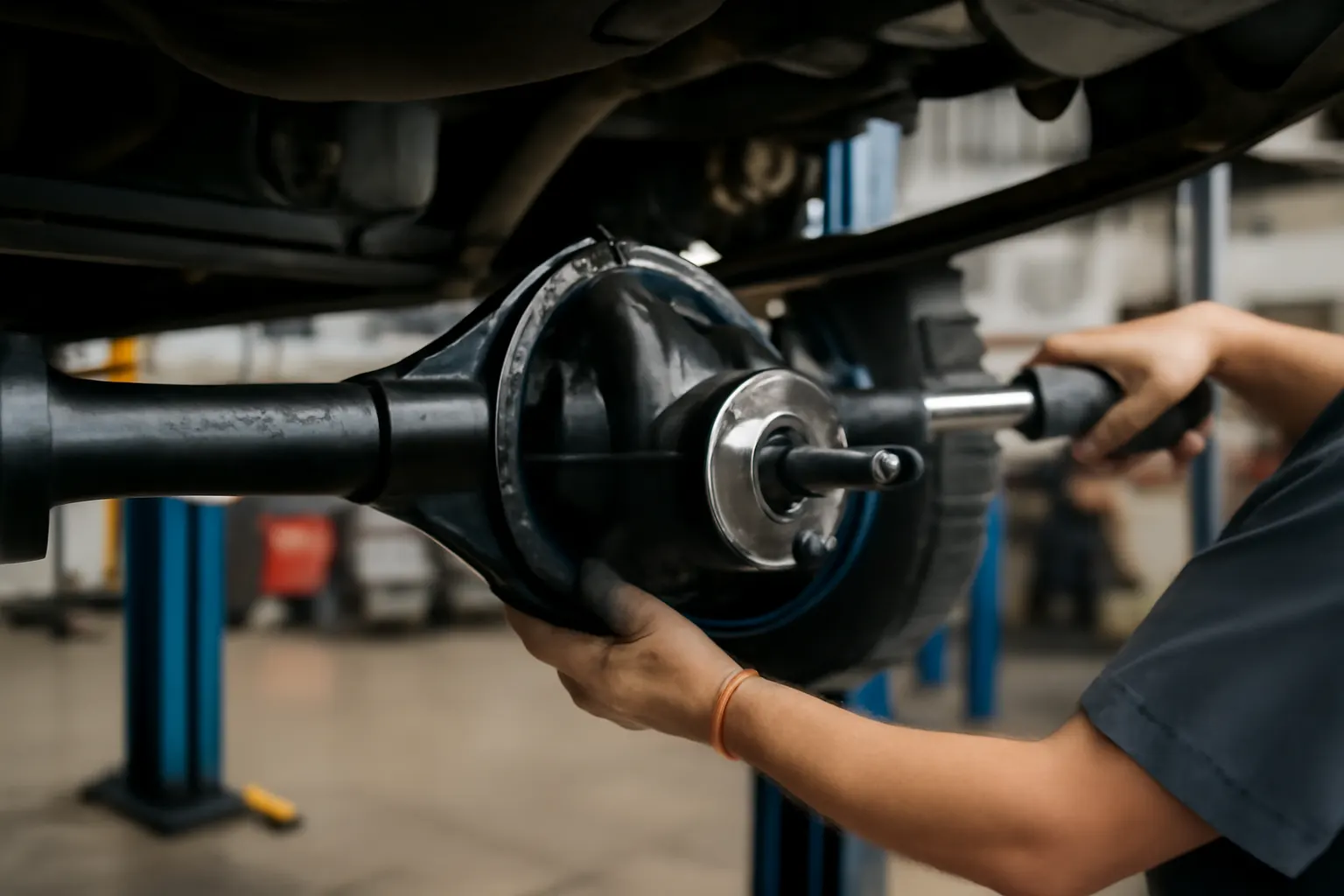
Professional Axle Housing Installation Guide
Replacing or installing an axle housing is one of the most critical procedures in vehicle maintenance, directly impacting drivetrain alignment, safety, and long-term vehicle reliability. Whether you’re a seasoned technician or an ambitious DIYer, a professional-grade installation is essential for optimal performance and compliance with safety standards. This comprehensive guide from AutoPartEx delivers a detailed, step-by-step approach to axle housing installation—including required tools, torque specifications, and best practices—to ensure your work meets OEM and safety requirements.
Read More