Advertisement
When sourcing replacement parts for your Polestar or any modern electric vehicle (EV), ensuring model-specific fitment is non-negotiable. The right part for your exact model, year, and software version is critical—not just for performance, but for safety, regulatory compliance, and long-term reliability. This guide unpacks why these details matter, the hidden pitfalls of overlooking them, and provides practical, technical strategies for accurate EV part fitment—complete with Polestar-specific advice. If you’re looking for a comprehensive resource on Polestar OEM parts, start with our Polestar Auto Parts: Genuine OEM Parts, Fitment, and Technical Guidance | AutoPartEx page.
Why Model, Year, and Software Version Matter—The Immediate Answer
In the world of EVs, especially with brands like Polestar, part compatibility hinges on more than just the model name. Variations in production year, trim level, and even software version can mean a world of difference in how components fit and function. For example, a 2023 Polestar 2 Long Range Dual Motor may require a different battery management module or sensor than the 2021 Standard Range variant—even if they look similar externally.
Software updates can alter component performance or introduce new hardware requirements. This is especially true in EVs, where over-the-air (OTA) updates may change the communication protocols or calibration of parts like inverters, battery modules, and even simple sensors. Failing to match the right part to your vehicle’s specifics can lead to installation failures, system errors, or even compromised safety.
The Hidden Problem: Subtle Differences, Serious Consequences
What’s less obvious is that even minor discrepancies between model years or software revisions can render a part incompatible. For instance, a charging port module from a 2022 Polestar 2 may not communicate properly with the battery management system of a 2024 model due to updated firmware requirements. This is not just a theoretical concern—real-world cases have shown that mismatched hardware can trigger persistent diagnostic trouble codes (DTCs), reduce system efficiency, or disable critical safety systems.
Beyond software, regulatory changes can drive mid-year hardware updates. New safety standards from organizations like the National Highway Traffic Safety Administration (NHTSA) or evolving SAE International standards can prompt manufacturers to update components mid-cycle. These running changes may not be immediately apparent in visual inspections or basic part number lookups.
The Technical Depth: How EV Fitment Complexity Outpaces ICE Vehicles
EVs, including Polestar models, are built on modular, software-driven architectures. This means:
- Hardware modules (e.g., battery packs, inverters, sensors) are tightly integrated with vehicle software.
- Component compatibility is determined by both physical connectors and digital communication protocols.
- Firmware or software mismatches can prevent a part from functioning, even if it physically fits.
For example, the Polestar 2’s high-voltage battery management system (BMS) is programmed to recognize specific cell configurations and communication routines. A BMS module from a different model year, or one not flashed with the correct firmware, may not initialize or could throw errors that immobilize the vehicle.
Similarly, safety-critical systems—such as airbags, ABS modules, and ADAS components—often rely on precise software coding and calibration. The NHTSA emphasizes that even minor differences in equipment between models can impact both safety and regulatory compliance Vehicle Safety and Equipment.
Solution Path: Best Practices for Model-Specific EV Fitment
To avoid costly mistakes and ensure reliable repairs or upgrades, follow these best practices for model-specific EV fitment:
1. Gather Complete Vehicle Information
Before sourcing any part, document the following:
- Full model name and trim (e.g., Polestar 2 Long Range Dual Motor)
- Production year and month
- VIN (Vehicle Identification Number)
- Software/firmware version (accessible via the vehicle’s infotainment or diagnostic system)
- Option codes or equipment packages
This information is essential to cross-reference against parts catalogs and technical bulletins.
Advertisement
2. Use Verified OEM Parts Catalogs
Consult only official or OE-licensed parts catalogs. These resources are updated with the latest supersessions, running changes, and fitment notes. For Polestar, their digital parts catalog is the definitive source for current and legacy models. When in doubt, reference our Polestar Parts Guide: Sourcing Genuine OEM Components for step-by-step sourcing.
3. Cross-Check with Technical Service Bulletins (TSBs) and Recalls
Manufacturers regularly issue TSBs and recall notices that specify updated part numbers or superseded components. The NHTSA maintains a comprehensive, searchable database of recalls and TSBs Vehicle, Car Seat, Tire, and Equipment Recalls. Always check for relevant bulletins before finalizing a part order.
4. Validate Software Compatibility
For electronic modules, verify that the replacement part’s firmware and hardware revisions match your vehicle’s requirements. In many cases, modules must be “coded” or programmed to the vehicle using OE-level diagnostic tools after installation.
5. Confirm Physical and Electrical Interfaces
Even if part numbers match, confirm that all connectors, mounting points, and harnesses are identical. Small changes in wiring or connector pins can prevent proper installation or operation.
Model-Specific Fitment Checklist
Use this checklist before purchasing or installing any Polestar EV part:
| Step | Action | Notes |
|---|---|---|
| 1 | Record VIN, model, year, and software version | Use infotainment or OBD-II scan |
| 2 | Identify exact trim and equipment packages | Check build sheet or window sticker |
| 3 | Access official Polestar parts catalog | Cross-reference part numbers |
| 4 | Search for TSBs and recalls | Use NHTSA database |
| 5 | Verify software/firmware compatibility | Consult dealer or OE diagnostic tool |
| 6 | Inspect physical connectors and mounting | Compare old and new parts visually |
| 7 | Confirm need for post-install coding | Plan for OE-level programming if required |
| 8 | Retain all documentation | For warranty and future reference |
Polestar-Specific Fitment Tips
Polestar’s rapid software development and frequent hardware updates make model-specific fitment especially critical. Here are some Polestar-specific insights:
- OTA Updates: Polestar regularly deploys over-the-air updates that can alter module firmware or enable new features. Always check the current software version before ordering electronic modules.
- Battery Variants: The Polestar 2, for instance, has multiple battery pack configurations across model years and trims. The BMS, wiring, and cooling components may vary—never assume cross-compatibility.
- ADAS and Safety Modules: Advanced Driver Assistance Systems (ADAS) modules are highly version-specific. Even minor hardware changes can require different calibration procedures or software coding.
- Running Changes: Mid-year updates (e.g., changes to charge port hardware or HVAC modules) are not always reflected in early documentation. Always consult the latest OE parts catalog and TSBs.
Diagnostics: Identifying Fitment Issues Before and After Installation
Pre-Installation Diagnostics
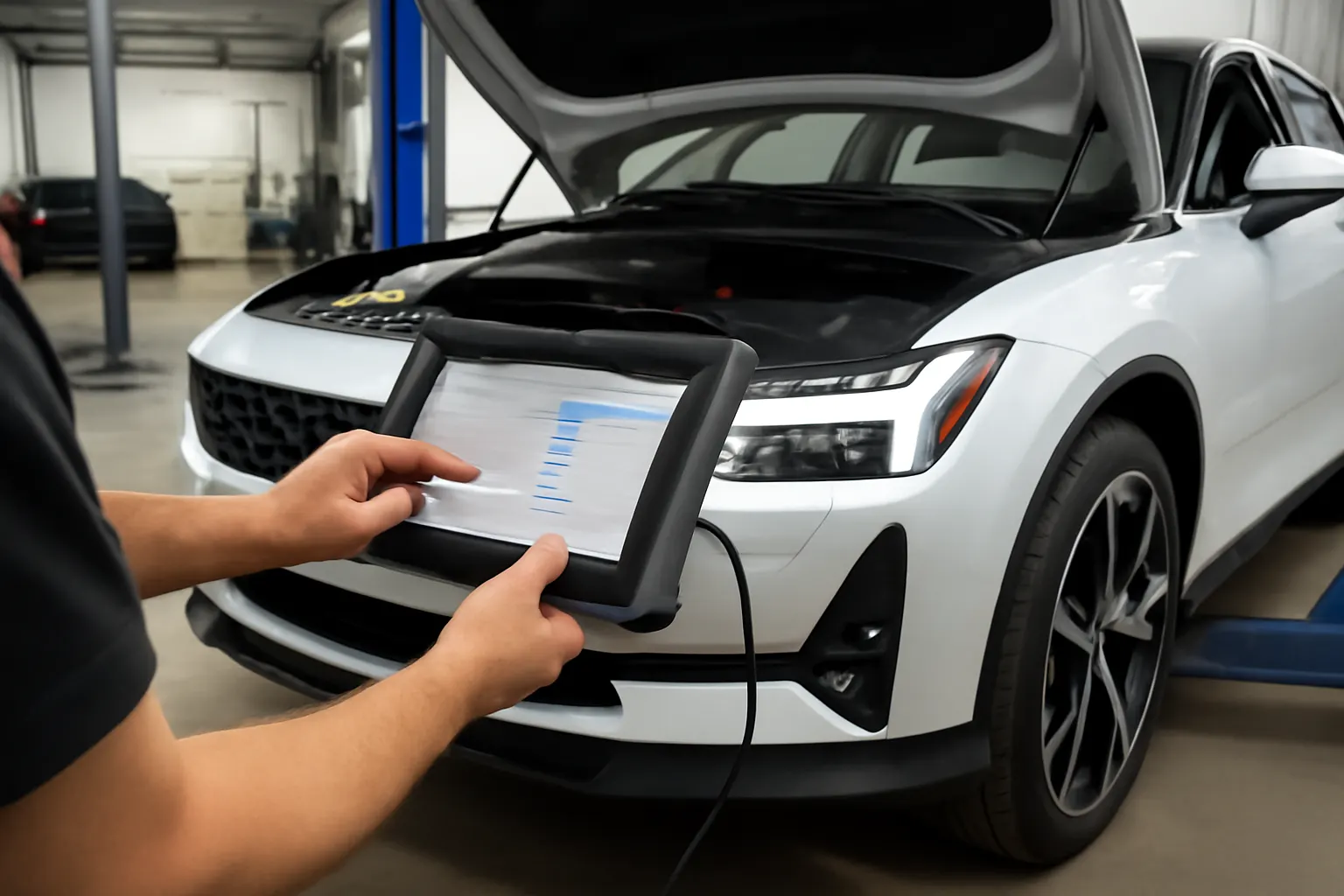
- Scan for Existing DTCs: Use a professional OBD-II tool to check for current trouble codes before removing any component.
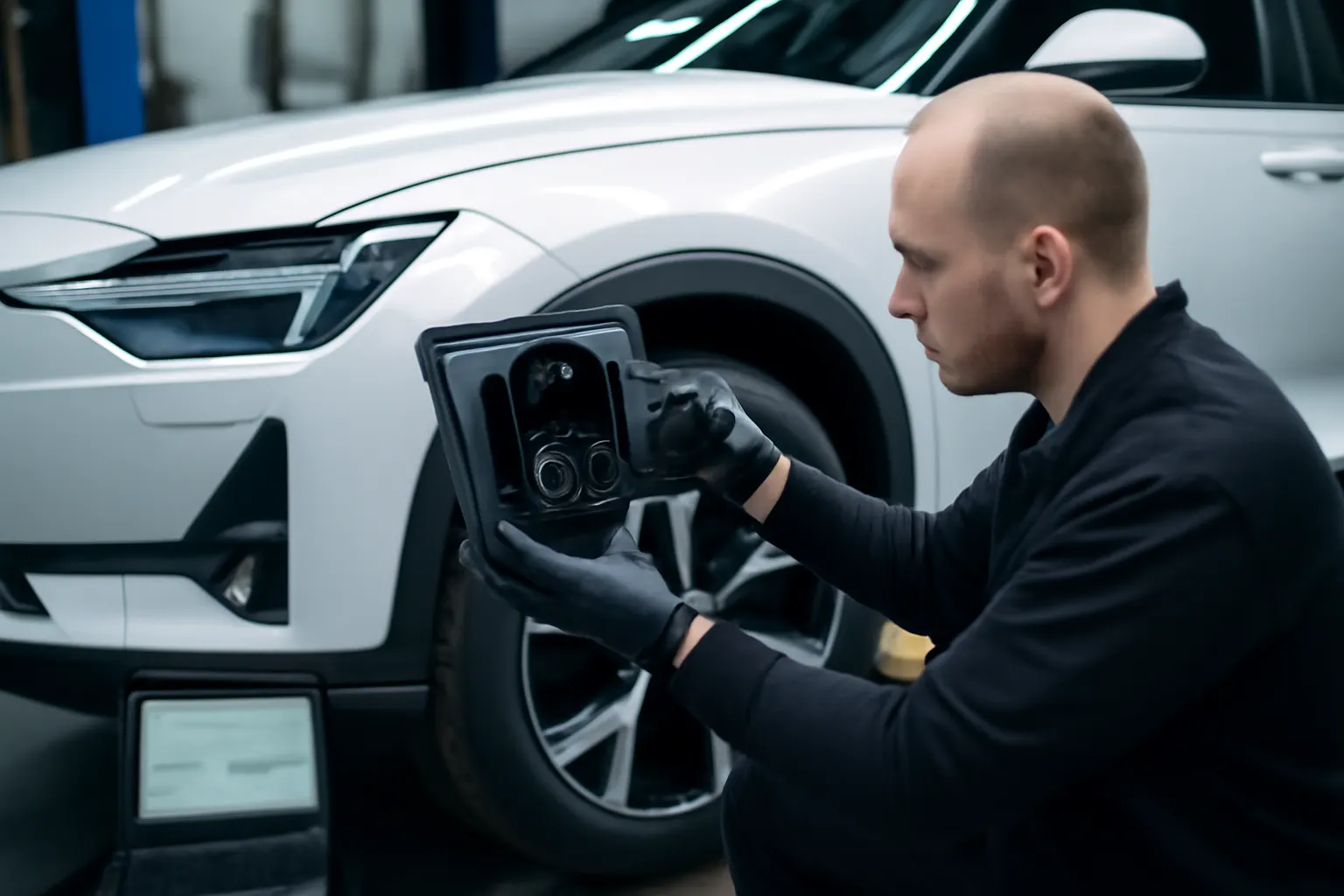
- Compare Old vs. New: Physically inspect the replacement part alongside the original. Look for differences in connectors, mounting tabs, or part markings.
- Software/Firmware Check: Where possible, read the firmware version of the original part and compare it to the replacement.
Post-Installation Diagnostics
- Rescan for DTCs: After installation, immediately scan for new or persistent trouble codes.
- Module Initialization: Some modules require initialization or “teach-in” procedures using OE-level diagnostic tools.
- Functional Check: Test the affected system (e.g., charging, HVAC, ADAS) under real-world conditions to confirm proper operation.
Installation Guidance: Avoiding Common Pitfalls
Proper installation of EV components often requires specialized tools and procedures:
- High-Voltage Safety: Always follow manufacturer protocols for depowering and repowering the high-voltage system. Improper handling can cause injury or damage.
- Torque Specifications: Many EV components, especially battery and power electronics, have precise torque requirements. Use a calibrated torque wrench and reference OE specs.
- Connector Handling: EV connectors often have secondary locks or sealing features. Do not force connectors; inspect for debris or bent pins.
- Coding and Programming: For modules like BMS, inverters, or body control units, OE-level diagnostic tools (e.g., VIDA for Polestar) are required for post-install coding.
Advertisement
Maintenance Considerations: Keeping Fitment in Focus
Routine maintenance can also trigger fitment challenges:
- Software Updates: After dealer visits or OTA updates, re-verify that all previously installed modules are still fully compatible.
- Wear Parts: Items like brake pads, rotors, and filters may have mid-year or trim-specific differences. Always use VIN-based lookup for consumables.
- Accessory Integration: Adding accessories (e.g., roof racks, charging adapters) requires checking for model-year compatibility to avoid physical or electrical conflicts.
Buying Guidance: Sourcing with Confidence
When purchasing Polestar or other EV parts:
- Buy from Reputable Suppliers: Avoid gray-market or unverified sources. Counterfeit or incorrect parts are a growing problem, especially for high-value EV modules. Consult our Identifying Counterfeit EV Components guide for more.
- Request Fitment Verification: Reputable suppliers will confirm fitment using your VIN and model details.
- Retain Documentation: Keep all purchase records, part numbers, and correspondence. This is essential for warranty claims or future troubleshooting.
The Role of Standards and Regulations
Automotive standards (e.g., SAE, ISO) and safety regulations (NHTSA, Euro NCAP) drive continuous updates to EV components. For example:
- SAE J1772: Governs EV charging connector compatibility. Mid-year changes to charging modules may reflect new SAE requirements SAE Standards.
- NHTSA Safety Mandates: New regulations can prompt running changes to ADAS, lighting, or crash safety modules Vehicle Safety and Equipment.
Staying current with these standards is critical for both safety and legal compliance.
Common Fitment Failure Scenarios
Learning from real-world mistakes can help you avoid them:
- Incorrect Battery Module: Installing a module from a different model year leads to DTCs and charging failures due to non-matching firmware.
- Mismatched Sensors: ABS or airbag sensors from the wrong software revision generate persistent warning lights and may disable safety features.
- Charging Port Conflicts: Hardware changes in mid-year refreshes prevent proper connection or communication with the vehicle’s onboard charger.
In each scenario, the root cause is a failure to confirm compatibility at both hardware and software levels.
Deeper Dive: Software Versioning and EV Parts
Unlike traditional vehicles, EVs often receive substantial feature and function changes via software updates. For Polestar:
- Battery Management: New software can change charging rates, thermal management, or cell balancing routines—requiring compatible hardware.
- ADAS Features: Updates may improve lane-keeping or adaptive cruise, but only if the correct sensors and modules are installed.
- Infotainment and Connectivity: Compatibility with new apps or features may depend on updated head units or communication modules.
Always verify that replacement parts are compatible with both current and anticipated software versions.
AutoPartEx: Your Partner in Model-Specific EV Fitment
AutoPartEx specializes in accurate, model-specific parts sourcing for Polestar and other leading EV brands. Our platform integrates OE catalogs, fitment databases, and the latest technical bulletins to ensure you get the right part the first time. Whether you’re a DIY enthusiast or a professional technician, our resources and expertise help you avoid costly mistakes and ensure safe, reliable repairs.
For more on Polestar-specific sourcing, technical guidance, and fitment tips, explore our Polestar Auto Parts: Genuine OEM Parts, Fitment, and Technical Guidance | AutoPartEx hub and consult our editorial on Best Practices for EV Parts Procurement.
Expert Action: Next Steps for Reliable EV Repairs
- Always gather complete vehicle and software information before sourcing parts.
- Leverage OE catalogs and technical bulletins for every part lookup.
- Confirm compatibility at both hardware and software levels.
- Use professional diagnostics and installation procedures.
- Partner with trusted suppliers—like AutoPartEx—for guaranteed fitment and technical support.
By following these steps, you’ll minimize downtime, avoid costly errors, and maintain the safety and performance of your Polestar or other EV.
References
Advertisement