Advertisement
Sourcing the right parts for electric vehicles (EVs)—especially for innovative brands like Polestar—requires a new level of diligence. With the rapid evolution of EV technology, ensuring part authenticity, precise fitment, and compliance with advanced safety standards has never been more critical. This guide delivers actionable best practices for EV parts procurement, helping you avoid the most common pitfalls and ensure every Polestar repair or upgrade meets the highest standards of safety, performance, and longevity. For a comprehensive overview of Polestar-specific parts and technical guidance, refer to our Polestar Auto Parts: Genuine OEM Parts, Fitment, and Technical Guidance | AutoPartEx page.
The Immediate Answer: Secure, Validate, and Verify Every EV Part
To ensure the safety, efficiency, and reliability of your Polestar EV, always procure parts through trusted channels, validate authenticity, perform advanced fitment checks, and verify compliance with both manufacturer and regulatory standards. This approach not only safeguards your investment but also upholds the integrity of cutting-edge EV technology.
The Hidden Problem: Why EV Parts Sourcing Is High-Risk
The surge in EV adoption has created a parallel market for counterfeit and substandard components, particularly affecting new and fast-growing brands like Polestar. The risks are not limited to performance loss—incorrect or fake parts can compromise high-voltage safety, thermal management, and even the vehicle’s structural integrity. Unlike traditional vehicles, EVs integrate complex battery systems, advanced electronics, and lightweight materials, making the margin for error razor-thin.
The Challenge of New Brands: Polestar’s Unique Procurement Landscape
Polestar’s rapid emergence as a premium EV manufacturer means that both the genuine and counterfeit aftermarket for its parts are still maturing. Supply chain transparency, part number consistency, and technical documentation are all in flux. As a result, even experienced parts buyers can struggle to distinguish between authentic OEM components and visually similar counterfeits. Additionally, Polestar’s use of proprietary software and modular platforms introduces unique fitment and compatibility considerations that extend beyond simple bolt-on replacements.
Understanding Critical Differences: EV Parts vs. ICE Vehicle Parts
When sourcing parts for Polestar EVs, it’s essential to recognize the fundamental differences between EV and internal combustion engine (ICE) vehicle components. Key distinctions include:
- High-Voltage Systems: EVs employ complex, high-voltage battery packs, inverters, and electric drive units. Incorrect parts can pose severe safety hazards.
- Thermal Management: EVs rely on advanced liquid or air cooling circuits for batteries and motors, making fitment and sealing critical.
- Lightweight, Advanced Materials: Structural and body parts often use aluminum, composites, or high-strength steel, requiring precise material matching.
- Electronic Integration: Many parts—such as sensors, controllers, and charging modules—must communicate seamlessly with the vehicle’s software.
These differences demand a more rigorous procurement process, emphasizing not just physical fit but also electrical and software compatibility.
Step 1: Sourcing Only from Verified, Reputable Suppliers
The first and most vital step in EV parts procurement is to use only trusted, vetted suppliers with a direct or authorized relationship with Polestar or their OEM partners. This minimizes the risk of receiving counterfeit, used, or substandard parts. Key best practices include:
- Check Supplier Credentials: Demand proof of direct OEM sourcing or authorized distributorship.
- Request Documentation: Insist on verifiable part numbers, batch codes, and manufacturer certificates.
- Cross-Reference Listings: Compare part numbers and images against official Polestar documentation.
- Evaluate Return Policies: Reliable suppliers back their parts with clear, fair return and exchange policies.
For Polestar vehicles, leveraging centralized resources like the Polestar Parts Guide: Sourcing Genuine OEM Components can streamline the vetting process and help you avoid common sourcing pitfalls.
Advertisement
Step 2: Authenticity Verification—Defeating Counterfeit EV Components
Counterfeit EV parts have become increasingly sophisticated, often mimicking OEM packaging and part markings. However, subtle differences in labeling, holograms, or serialization can reveal a fake. To ensure authenticity:
- Inspect Holograms and Barcodes: OEM parts typically include tamper-proof holograms and scannable barcodes tied to manufacturer databases.
- Use Manufacturer Verification Tools: Many OEMs offer online portals or mobile apps for real-time part verification.
- Check for Consistent Branding: Discrepancies in logo placement, font, or packaging color can signal a counterfeit.
- Compare to Reference Images: Use official Polestar service manuals or trusted parts catalogs for visual comparison.
For a deeper dive into counterfeit detection, consult our guide on Identifying Counterfeit EV Components.
Step 3: Advanced Fitment Validation—Beyond the Parts Catalog
Traditional fitment checks—matching part numbers and model years—are not enough for modern EVs like Polestar models. Advanced fitment validation includes:
- VIN-Specific Checks: Use the vehicle’s VIN to cross-reference fitment in OEM databases.
- Software Compatibility: Confirm that electronic modules, sensors, and control units are compatible with your Polestar’s firmware version.
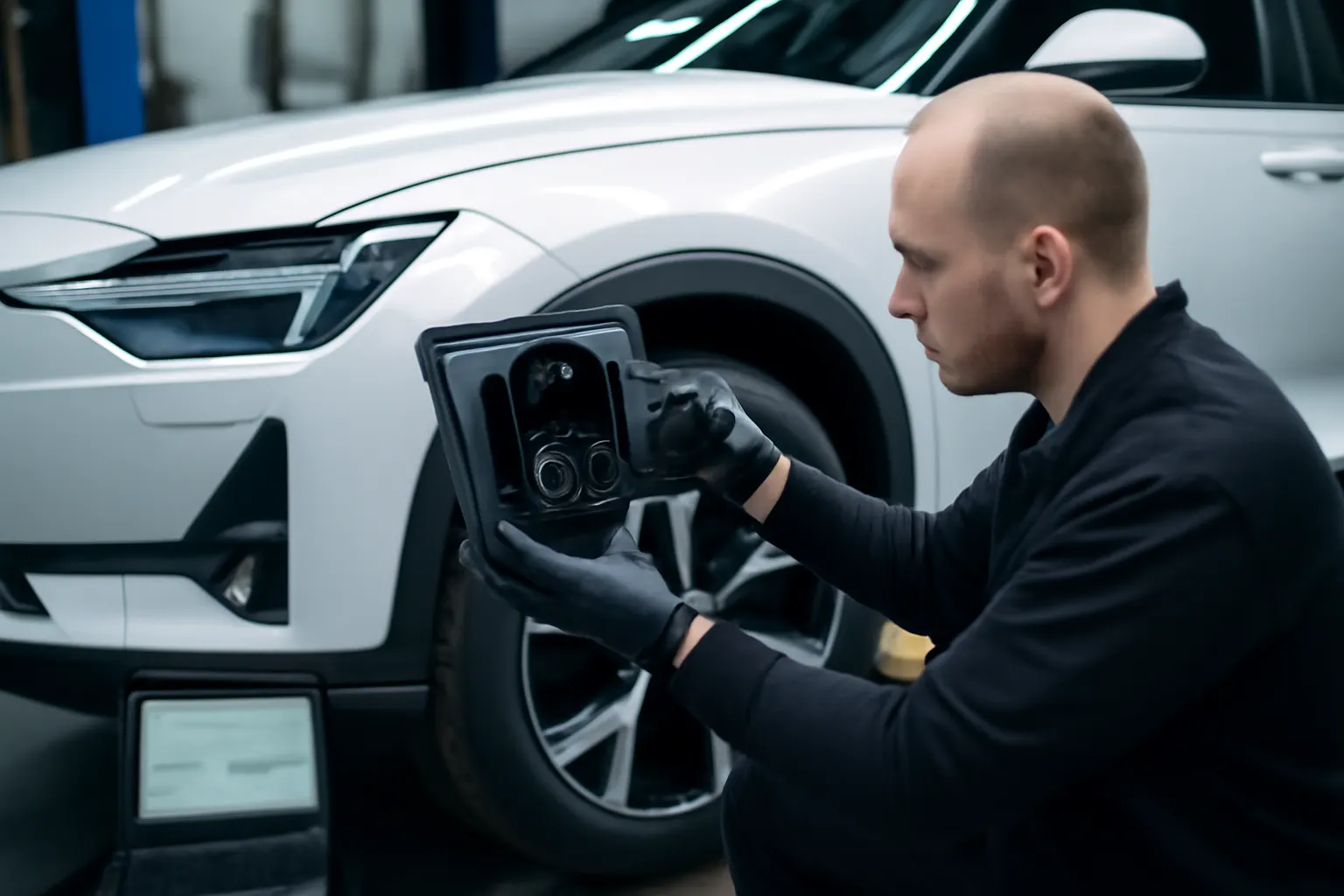
- Connector and Mounting Point Inspection: Even small changes in connector type or mounting geometry can prevent installation or cause intermittent faults.
- Thermal and Structural Alignment: Ensure that cooling passages, heat sinks, and structural supports match the original part’s design.
Our Model-Specific EV Fitment Checks article provides detailed procedures for verifying fitment on a per-model basis.
Step 4: Regulatory and Safety Compliance—Meeting NHTSA and Industry Standards
All replacement parts—especially those affecting safety or emissions—must meet stringent regulatory standards. The National Highway Traffic Safety Administration (NHTSA) sets federal requirements for vehicle equipment and recalls, while organizations like SAE International define engineering standards for testing and interoperability.
Checklist: Safety and Regulatory Compliance for Polestar EV Parts
- Confirm parts are listed as compliant with NHTSA equipment regulations (NHTSA Equipment).
- Check for active recalls on the specific part or component (NHTSA Recalls).
- Ensure materials and construction meet or exceed SAE and OEM standards (SAE Standards).
- For battery and high-voltage systems, verify compliance with industry-specific electrical safety protocols.
Neglecting these steps can result in failed inspections, safety risks, or denied insurance claims.
Step 5: Materials and Performance Matching—Critical for Polestar’s Advanced Architecture
Polestar EVs leverage lightweight and advanced-material construction, from aluminum crash structures to composite body panels and specialized thermal interfaces. Sourcing a part that merely “fits” is not enough; it must match the original’s material properties and performance characteristics.
- Material Certification: Ensure the part’s composition aligns with OEM specifications (e.g., grade of aluminum, composite layering).
- Weight and Strength Verification: Substituting heavier or weaker materials can degrade efficiency, crash performance, or handling.
- Thermal Conductivity: Battery cooling plates, heat exchangers, and thermal pads must meet precise conductivity ratings to prevent overheating.
For a technical overview of EV materials, see the Department of Energy’s Materials Technologies resource.
Step 6: Diagnostic Integration—Ensuring System Communication and Calibration
Modern Polestar EVs rely on robust communication between sensors, controllers, and the central ECU. Aftermarket or replacement parts must integrate seamlessly to avoid diagnostic errors or loss of functionality.
- CAN Bus Compatibility: Confirm that electronic parts adhere to the vehicle’s Controller Area Network (CAN) specifications.
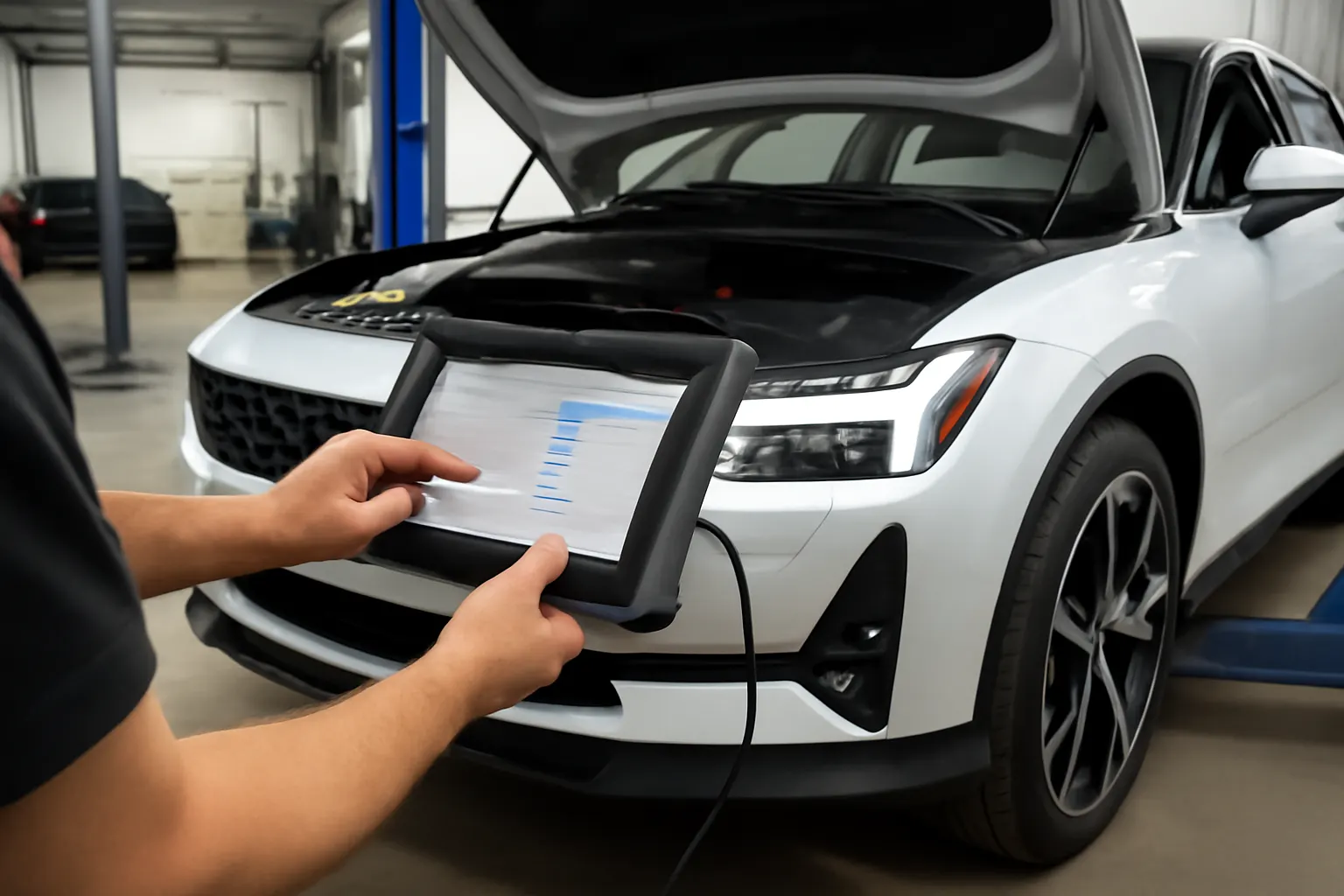
- Calibration Requirements: Many sensors and modules require post-installation calibration using OEM diagnostic tools.
- Firmware and Software Updates: Some components need to be “flashed” or updated to match the vehicle’s software environment.
Failure to address these integration points can trigger persistent warning lights, reduce system performance, or even immobilize the vehicle.
Step 7: Installation Best Practices—Precision and Safety in Every Step
Proper installation is as critical as part selection. For Polestar EVs, this means:
Advertisement
- Adhering to Torque Specs: Over- or under-tightening fasteners can lead to leaks, vibration, or structural failure.
- Following High-Voltage Safety Protocols: Always disconnect the high-voltage battery and use insulated tools when working on EV electrical systems.
- Seal and Gasket Replacement: Never reuse old seals or gaskets on cooling or battery systems—compromised seals can result in leaks or shorts.
- Testing Post-Installation: Run system diagnostics and road tests to confirm correct operation and absence of error codes.
Consult official Polestar service manuals or trusted technical resources for model-specific procedures.
Step 8: Maintenance and Lifecycle Considerations—Planning for Long-Term Reliability
EV parts procurement doesn’t end at purchase and installation. Ongoing maintenance and periodic inspection are crucial for maximizing part longevity and vehicle reliability.
- Scheduled Inspection: Adhere to Polestar’s recommended inspection intervals for high-wear components (e.g., brake pads, suspension bushings, thermal management circuits).
- Proactive Replacement: Replace parts showing early signs of wear or degradation, especially in high-voltage or thermal systems.
- Documentation: Keep detailed records of all parts sourced, including supplier, batch number, and installation date. This is vital for warranty support and future diagnostics.
Step 9: Fuel Efficiency and System Optimization—Why the Right Parts Matter
The efficiency of an EV like a Polestar is directly influenced by the quality and compatibility of its components. Inferior or mismatched parts can:
- Increase Electrical Losses: Poorly designed connectors or cables can raise resistance, reducing driving range.
- Compromise Aerodynamics: Incorrect body panels or undertrays can increase drag, lowering efficiency.
- Affect Regenerative Braking: Non-OEM brake components may alter regenerative braking behavior, impacting energy recovery.
For more on the relationship between parts and EV efficiency, see the Department of Energy’s Fuel Efficiency overview.
Step 10: The Role of Technical Guidance—Leveraging Expert Resources
Given the complexity of Polestar EVs, technical guidance is indispensable at every procurement stage. Key resources include:
- OEM Service Manuals: These provide the definitive reference for part numbers, fitment, and installation procedures.
- Technical Forums and Communities: Peer-reviewed advice can highlight common pitfalls and best practices for specific models.
- AutoPartEx Guides: Our editorial resources synthesize OEM data, regulatory standards, and real-world experience to deliver actionable advice.
Staying informed and leveraging expert guidance is the best defense against costly sourcing errors.
Step 11: Common Pitfalls and How to Avoid Them
Even seasoned professionals can fall prey to these frequent mistakes in EV parts procurement:
- Assuming Visual Similarity Equals Compatibility: Many EV parts look identical across models or years but differ in critical specs.
- Overlooking Software/Firmware Versioning: Installing an incompatible electronic module can disable key vehicle functions.
- Ignoring Recall Notices: Failing to check for active recalls can result in safety issues or legal liability.
- Relying on Generic Aftermarket Parts: Non-OEM parts may not meet Polestar’s strict safety and performance standards.
A disciplined, step-by-step approach—such as the one outlined in this guide—can eliminate nearly all of these risks.
Step 12: AutoPartEx—Your Partner for Reliable EV Parts Sourcing
At AutoPartEx, we recognize that Polestar owners and repair professionals demand more than just parts—they need technical expertise, verified authenticity, and fitment confidence. Our platform offers:
- Curated Polestar Parts Catalogs: Sourced directly from OEM and authorized suppliers.
- VIN-Based Fitment Checks: Advanced tools to ensure every part matches your exact Polestar model.
- Technical Guidance: In-depth articles, checklists, and model-specific resources to support every stage of the procurement and installation process.
Explore our dedicated Polestar Auto Parts: Genuine OEM Parts, Fitment, and Technical Guidance | AutoPartEx page to streamline your next parts order, or consult our Polestar Parts Guide: Sourcing Genuine OEM Components for step-by-step sourcing strategies.
References
Advertisement