Advertisement
Counterfeit MG parts are a growing threat to owners who value safety, performance, and the heritage of their vehicles. If you own or service an MG, learning to identify fake components is not just about protecting your investment—it’s about ensuring your car remains reliable and safe on the road. In this comprehensive guide, we’ll show you exactly how to spot counterfeit MG parts, why authenticity matters, and what you can do to safeguard your MG from the hidden dangers of imitation parts.
If you’re seeking genuine MG replacement components, see our MG Auto Parts: Authentic MG Replacement Components & Heritage Engineering | AutoPartEx page for trusted sourcing and compatibility guidance.
Why Counterfeit MG Parts Are a Critical Issue
At first glance, a counterfeit MG part might look identical to the real thing. However, the difference lies in the materials, engineering, and manufacturing standards. Counterfeit parts are often produced without regard for the rigorous safety and performance requirements set by MG and international regulatory bodies. According to the National Highway Traffic Safety Administration (NHTSA), substandard components can cause equipment failure, increased accident risk, and may even void insurance or safety certifications [1].
The consequences go far beyond the immediate cost savings. Using non-genuine parts can compromise your MG’s structural integrity, reduce fuel efficiency, and lead to costly repairs—or worse, catastrophic failures on the road.
The Hidden Problem: How Counterfeit Parts Infiltrate the Market
Counterfeiters have become increasingly sophisticated, leveraging online marketplaces, unscrupulous distributors, and deceptive packaging to pass off fakes as authentic MG components. Owners of classic and modern MGs alike are targeted, especially when sourcing rare or high-demand parts.
The problem is exacerbated by:
- Online Marketplaces: Many sellers offer “OEM-style” or “compatible” parts that are, in reality, unauthorized reproductions with no quality control.
- Supply Chain Complexity: As MG parts circulate through global supply chains, the risk of counterfeits slipping in increases—especially with less reputable vendors.
- Visual Deception: Counterfeiters mimic logos, part numbers, and packaging, making it difficult for even experienced enthusiasts to spot the difference without close inspection.
Understanding these risks is the first step toward effective protection.
The Real-World Risks: Safety, Performance, and Longevity
Counterfeit MG parts aren’t just a cosmetic issue—they pose real and measurable risks to your vehicle and your safety.
Safety Compromises
According to the NHTSA, substandard parts can lead to brake failure, steering malfunctions, and compromised airbag deployment [1]. For MG owners, this means that the use of fake brake pads, suspension components, or steering parts can have life-threatening consequences.
Performance Shortfalls
Authentic MG parts are engineered for precise fit and function, using tested materials and processes. Counterfeits often cut corners, leading to premature wear, poor fuel efficiency, and unpredictable handling. The United States Department of Energy highlights that even small deviations in materials and tolerances can significantly degrade fuel efficiency and engine performance [2].
Long-Term Damage
Using counterfeit components can cause cascading failures—where one substandard part leads to the accelerated wear or failure of adjacent systems. For example, a fake water pump may cause engine overheating, damaging gaskets and cylinder heads.
Key Signs of Counterfeit MG Parts: What to Look For
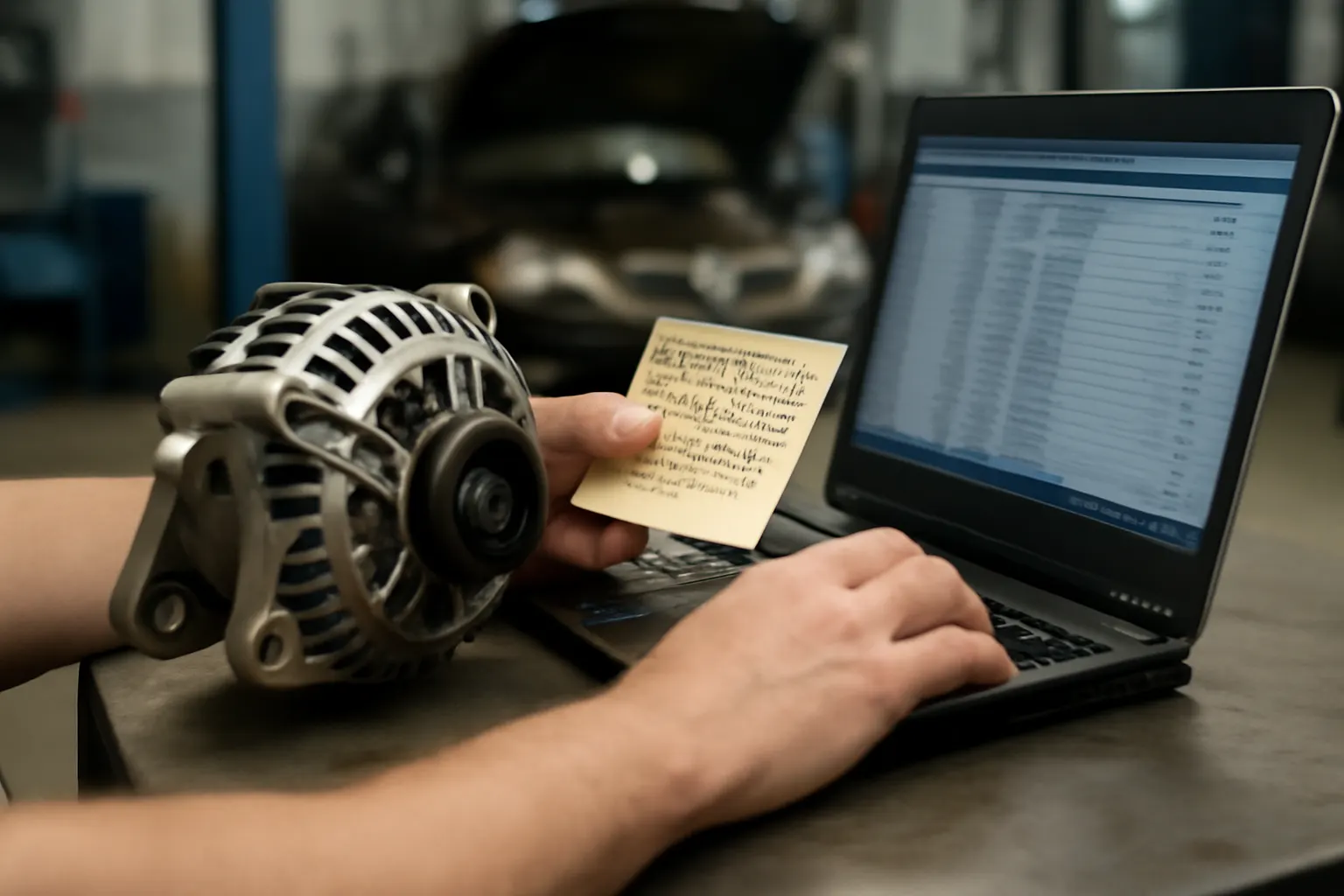
Spotting a counterfeit MG part requires a combination of visual inspection, documentation review, and supplier scrutiny. Below is a comprehensive checklist to help you identify potential fakes before they jeopardize your vehicle.
Advertisement
Counterfeit MG Parts Checklist
| Indicator | Genuine MG Part | Counterfeit MG Part |
|---|---|---|
| Packaging | High-quality, tamper-evident packaging with correct logos and holograms | Poor print quality, spelling errors, missing holograms |
| Part Number | Matches official MG catalog, clear and consistent | Faded, inconsistent, or missing numbers |
| Materials & Finish | Premium materials, consistent finish, precision casting or machining | Inferior materials, rough edges, uneven paint or plating |
| Fit & Dimensions | Exact fit, matches OEM specifications | May require force to install, incorrect dimensions |
| Supplier Reputation | Authorized MG dealer or trusted specialist | Unknown, poorly reviewed, or vague supplier |
| Documentation | Includes warranty, installation instructions, and certification | Missing or generic paperwork |
| Price | Reflects market value for genuine parts | Suspiciously cheap or deeply discounted |
Use this checklist every time you source a part, especially from unfamiliar vendors or online marketplaces.
Inspecting Packaging and Documentation
One of the most reliable ways to spot a counterfeit MG part is to scrutinize the packaging and documentation:
- Look for Security Features: Genuine MG parts often include holographic seals, barcodes, or QR codes that can be verified with the manufacturer.
- Check for Errors: Misspelled words, blurry logos, or inconsistent branding are red flags.
- Review Documentation: Authentic parts should include clear installation instructions, warranty information, and, in some cases, a certificate of authenticity.
If in doubt, compare the packaging to a known genuine part or consult an authorized MG parts distributor.
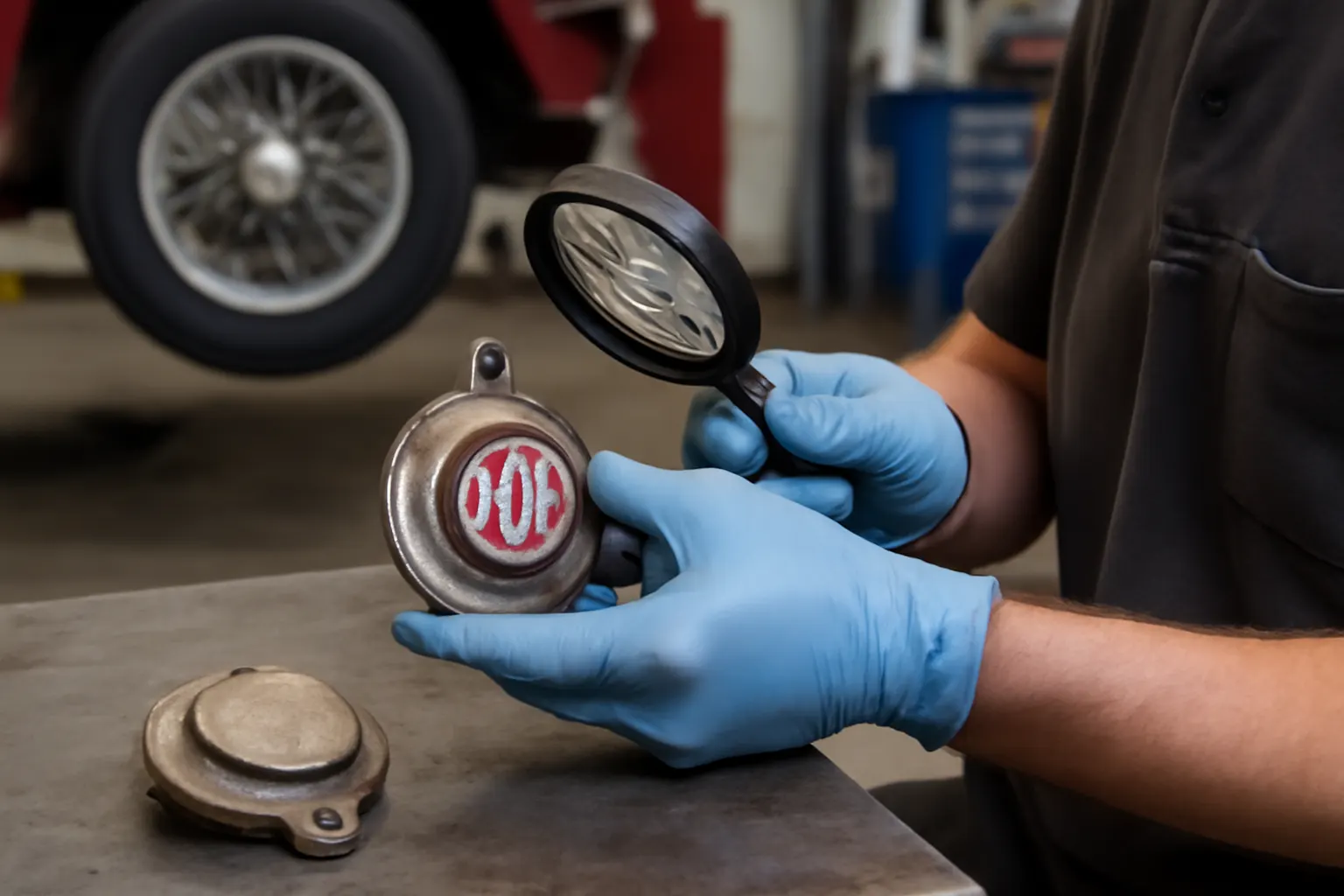
Examining Materials, Craftsmanship, and Markings
MG parts are renowned for their high-quality materials and precision engineering—a legacy that counterfeiters rarely match.
What to Inspect
- Material Quality: Genuine MG components use high-grade alloys, plastics, and rubbers as specified by the manufacturer and SAE standards [5]. Counterfeits may feel lighter, weaker, or have visible casting flaws.
- Markings and Stamps: Authentic parts feature crisp, consistent markings—part numbers, logos, and sometimes batch or date codes. Counterfeit markings are often shallow, uneven, or missing altogether.
- Finish and Texture: Inspect for uniformity in paint, plating, or anodizing. Counterfeit parts may have dull finishes, rough edges, or evidence of poor machining.
When possible, compare the suspect part with a verified original, noting differences in weight, sound, and surface finish.
Sourcing MG Parts Safely: Trusted Channels and Red Flags
The best defense against counterfeit MG parts is to buy exclusively from reputable sources.
Trusted Channels
- Authorized MG Dealers: These suppliers have direct relationships with the manufacturer and provide full documentation and support.
- Established MG Specialists: Reputable independent parts specialists often have decades of experience and a proven track record.
- Official Online Stores: MG’s own online platforms or recognized partners.
Red Flags
- Unusually Low Prices: If a deal looks too good to be true, it probably is.
- Vague Product Descriptions: Lack of detailed specs, part numbers, or compatibility information is a warning sign.
- No Return Policy: Reputable sellers stand behind their products; counterfeiters often do not.
Always verify the seller’s credentials and look for customer reviews or industry endorsements.
Cross-Referencing Part Numbers and Compatibility
A critical step in avoiding counterfeit MG parts is to verify part numbers and cross-reference compatibility:
- Check Against Official Catalogs: Use MG’s official parts catalog or trusted databases to confirm that the part number matches your model and year.
- Cross-Reference with Multiple Sources: Reputable suppliers will list all compatible models and years, and the information should be consistent across platforms.
- Beware of “Universal Fit” Claims: MG components are engineered for specific applications. Claims of broad compatibility are a hallmark of counterfeit or generic parts.
For more guidance, see our MG Parts Compatibility: Cross-Referencing for Success.
The Role of Materials and Engineering Standards
Authenticity is more than just a logo—it’s about adherence to strict materials and engineering standards.
- SAE and OEM Specifications: Genuine MG parts are manufactured to meet or exceed SAE International standards and MG’s own rigorous requirements [5].
- Materials Technology: The U.S. Department of Energy emphasizes the importance of advanced materials in automotive performance, safety, and longevity [3]. Counterfeiters often substitute inferior materials to cut costs, leading to premature failure.
- Testing and Certification: Authentic parts are subject to extensive testing for fit, durability, and safety. Counterfeit parts skip these steps entirely.
Advertisement
If a part lacks clear evidence of meeting these standards, treat it as suspect.
Installation and Fitment: Telltale Signs of Fakes
Even if a counterfeit part looks convincing, installation often reveals its shortcomings:
- Difficult Fitment: Genuine MG parts should install smoothly, with all mounting points and connectors aligning perfectly. If you need to force, modify, or “make it work,” the part is likely not authentic.
- Unexpected Noises or Vibrations: After installation, listen for new rattles, squeaks, or vibrations—these can indicate poor tolerances or mismatched materials.
- Premature Wear: If a new part fails or degrades faster than expected, suspect a counterfeit.
When in doubt, consult with an MG specialist or refer to our Ultimate MG Maintenance Guide: Service and Parts Schedules for installation best practices and maintenance intervals.
The Impact on Fuel Efficiency and Vehicle Systems
Counterfeit parts don’t just threaten safety—they can also undermine your MG’s efficiency and performance:
- Engine Components: Fake filters, sensors, or gaskets can lead to improper fuel-air mixtures, reducing fuel economy and increasing emissions [2].
- Drivetrain and Suspension: Counterfeit bushings, bearings, and mounts can increase rolling resistance and cause uneven tire wear.
- Cooling Systems: Substandard hoses, thermostats, or radiators can cause overheating and reduce engine lifespan. See our MG Cooling System Components: Selection and Failure Patterns for more on sourcing and diagnosing cooling parts.
Always monitor your MG’s performance after any replacement, and investigate any sudden changes in fuel consumption or drivability.
What to Do If You Suspect a Counterfeit MG Part
If you believe you’ve purchased or installed a counterfeit part, act quickly:
- Stop Using the Vehicle: If the part affects critical systems (brakes, steering, suspension), do not drive until it’s inspected.
- Contact the Seller: Request documentation, proof of authenticity, or a refund if the part is proven fake.
- Consult an Expert: Bring the part and vehicle to an authorized MG service center or trusted specialist for evaluation.
- Report the Incident: Notify MG, the NHTSA, or relevant authorities to help prevent further circulation of counterfeit parts.
Retain all packaging and receipts, as these may be needed for claims or investigations.
Preventive Practices: Building a Counterfeit-Proof MG Ownership Strategy
Protecting your MG from counterfeit parts is an ongoing process. Adopt these best practices:
- Document Every Replacement: Keep a log of all parts purchased and installed, including supplier, part number, and date.
- Photograph Packaging and Parts: Before installation, document the condition and appearance for future reference.
- Schedule Regular Inspections: Have a trusted MG specialist inspect your vehicle during routine maintenance for any suspect components.
- Educate Yourself: Stay informed about common counterfeit trends and new security features introduced by MG.
Being proactive is the best insurance against the risks of counterfeit parts.
AutoPartEx: Your Partner in Authentic MG Parts and Expertise
At AutoPartEx, we understand the importance of genuine MG components—not just for maintaining performance and heritage, but for ensuring your safety on every drive. Our curated catalog of MG Auto Parts: Authentic MG Replacement Components & Heritage Engineering | AutoPartEx is sourced exclusively from authorized suppliers and thoroughly vetted for authenticity and quality.
Our team of experts can assist you in:
- Verifying part authenticity before purchase
- Sourcing rare or discontinued MG components
- Cross-referencing part numbers for compatibility
- Providing installation and maintenance guidance
Trust AutoPartEx as your go-to resource for MG parts and technical support, and keep your MG running true to its legendary standards.
Conclusion: Safeguarding Your MG’s Legacy
Counterfeit MG parts are a hidden but significant threat to every owner, collector, and enthusiast. By learning to spot the warning signs, insisting on authentic components, and partnering with trusted suppliers like AutoPartEx, you can protect your MG’s performance, safety, and value for years to come. Always prioritize authenticity—your MG deserves nothing less.
References
- Vehicle Safety and Equipment – National Highway Traffic Safety Administration
- Fuel Efficiency – United States Department of Energy
- Materials Technologies – United States Department of Energy
- Vehicle, Car Seat, Tire, and Equipment Recalls – National Highway Traffic Safety Administration
- SAE Standards – SAE International
Advertisement