Advertisement
MG Parts Compatibility: Cross-Referencing for Success
For MG owners and restorers, successfully sourcing compatible parts is the difference between a rewarding project and a frustrating dead end. Whether you drive a classic MGB, a modern MG ZS, or a rare variant, understanding part compatibility—through part numbers, platform swaps, and strategic sourcing—ensures your MG stays safe, authentic, and roadworthy. In this comprehensive guide, we’ll demystify the art and science of MG parts cross-referencing, highlight potential pitfalls, and provide actionable strategies for finding the right component every time.
If you’re seeking authentic, quality-assured MG parts, start with our MG Auto Parts: Authentic MG Replacement Components & Heritage Engineering | AutoPartEx page for a curated selection and expert support.
Understanding MG Parts Compatibility: The Immediate Answer
MG parts compatibility revolves around two fundamental processes: accurate part number cross-referencing and understanding platform sharing across the MG lineup. The quickest route to a successful repair or restoration is verifying the original equipment manufacturer (OEM) part number and checking its fitment across MG models and, where applicable, compatible vehicles from related brands. This immediate cross-check prevents costly misorders and ensures optimal safety and performance.
However, the challenge is more nuanced than simply matching a number. MG’s long production history, frequent platform sharing with other British marques, and modern global manufacturing partnerships mean that even visually similar parts may differ in specification, fitment, or safety compliance. A disciplined approach, grounded in technical standards and authoritative references, is essential.
The Hidden Problem: MG’s Complex Heritage and Parts Ecosystem
Many MG owners assume that parts from similar models—or even from other manufacturers in the British Leyland or SAIC portfolios—are interchangeable by default. This assumption can lead to critical errors:
- Safety Risks: Fitting an incompatible suspension arm or brake component may compromise handling or braking performance, violating safety standards set by the National Highway Traffic Safety Administration (NHTSA) [^1].
- Performance Issues: Non-matching engine sensors or control modules can cause inefficiencies, reduced fuel economy, or diagnostic trouble codes, as outlined by the Department of Energy [^2].
- Authenticity Concerns: For heritage MGs, using non-original parts can reduce collector value and stray from restoration best practices.
The core hidden problem is that MG’s parts ecosystem is a patchwork of legacy British engineering, parts-bin sharing, and modern global sourcing. Without a robust cross-referencing strategy, even experienced enthusiasts can fall into the compatibility trap.
Part Numbers: The Universal Language of MG Parts Sourcing
Decoding MG Part Numbers
MG, like most automakers, assigns unique part numbers to each component. These alphanumeric codes serve as the universal identifier, transcending language, market, and even generational changes. For example:
- MGB Clutch Slave Cylinder: GCC116
- MGF Rear Brake Disc: SDB000201
Understanding the structure and logic behind MG part numbers is crucial. Original MG Rover or British Leyland numbers are often retained in catalogues, but modern MGs (post-SAIC) may use updated numbering systems.
Why Part Numbers Matter
- Precision: A part number eliminates ambiguity—two visually identical parts may differ in mounting points or materials.
- Cross-Reference: Many aftermarket suppliers and cross-brand parts catalogs use part numbers to map fitment across models.
- Recalls and Safety: The NHTSA organizes recalls and safety notices by part number, making accurate identification critical [^1].
Platform Swaps: When MG Shares With the Family
The Legacy of Platform Sharing
MG’s history is intertwined with other British brands: Austin, Morris, Triumph, and later, Rover and SAIC. Platform sharing means that many mechanical and electrical components—especially underpinnings like suspension, steering, or drivetrain—are shared or adapted across models and even brands.
Examples:
- The MG Midget shares many suspension and brake components with the Austin-Healey Sprite.
- The MG ZT and Rover 75 are mechanically similar, sharing numerous drivetrain and electronic modules.
Advertisement
Platform Swap Pitfalls
- Subtle Differences: A shared platform may have model-specific brackets, bushings, or electronics.
- Regulatory Compliance: Modern MGs built under SAIC may use components compliant with different regional standards, as outlined by SAE International [^3].
Always verify with part numbers and technical documentation before assuming compatibility.
Sourcing Strategies: Where and How to Find Compatible MG Parts
Authoritative Sources
- OEM and Heritage Suppliers: Start with suppliers specializing in MG or British classic cars. They maintain accurate cross-reference catalogs and often supply technical support.
- Aftermarket Catalogs: Reputable aftermarket brands provide fitment guides based on OEM part numbers.
- Online Databases: Websites like AutoPartEx aggregate compatibility data, technical standards, and sourcing options.
Sourcing Checklist
| Step | Action | Details |
|---|---|---|
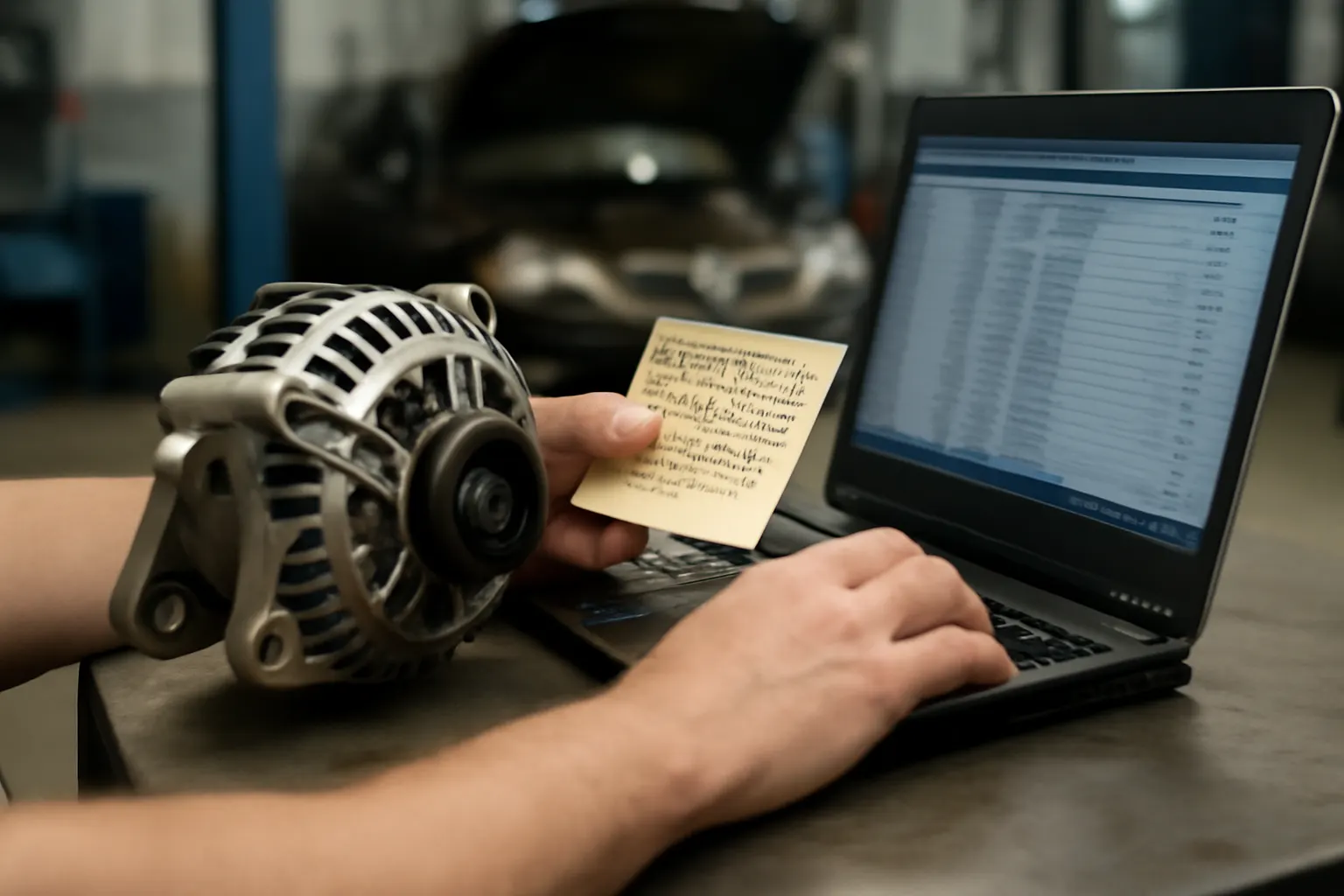
| 1 | Identify OEM Part Number | Use factory workshop manuals, old invoices, or online catalogs. |
| 2 | Cross-Reference | Check fitment across MG models and related brands. |
| 3 | Verify Supplier Credibility | Prefer suppliers with technical support and return policies. |
| 4 | Inspect for Authenticity | Watch for counterfeit parts—see our Spotting Counterfeit MG Parts: What Every Owner Should Know. |
| 5 | Confirm Regulatory Compliance | Ensure the part meets NHTSA and SAE standards. |
Diagnostic Guidance: Ensuring Proper Fitment Before Purchase
Visual and Technical Inspection
Before committing to a purchase, especially for critical systems (brakes, suspension, electronics), follow this diagnostic process:
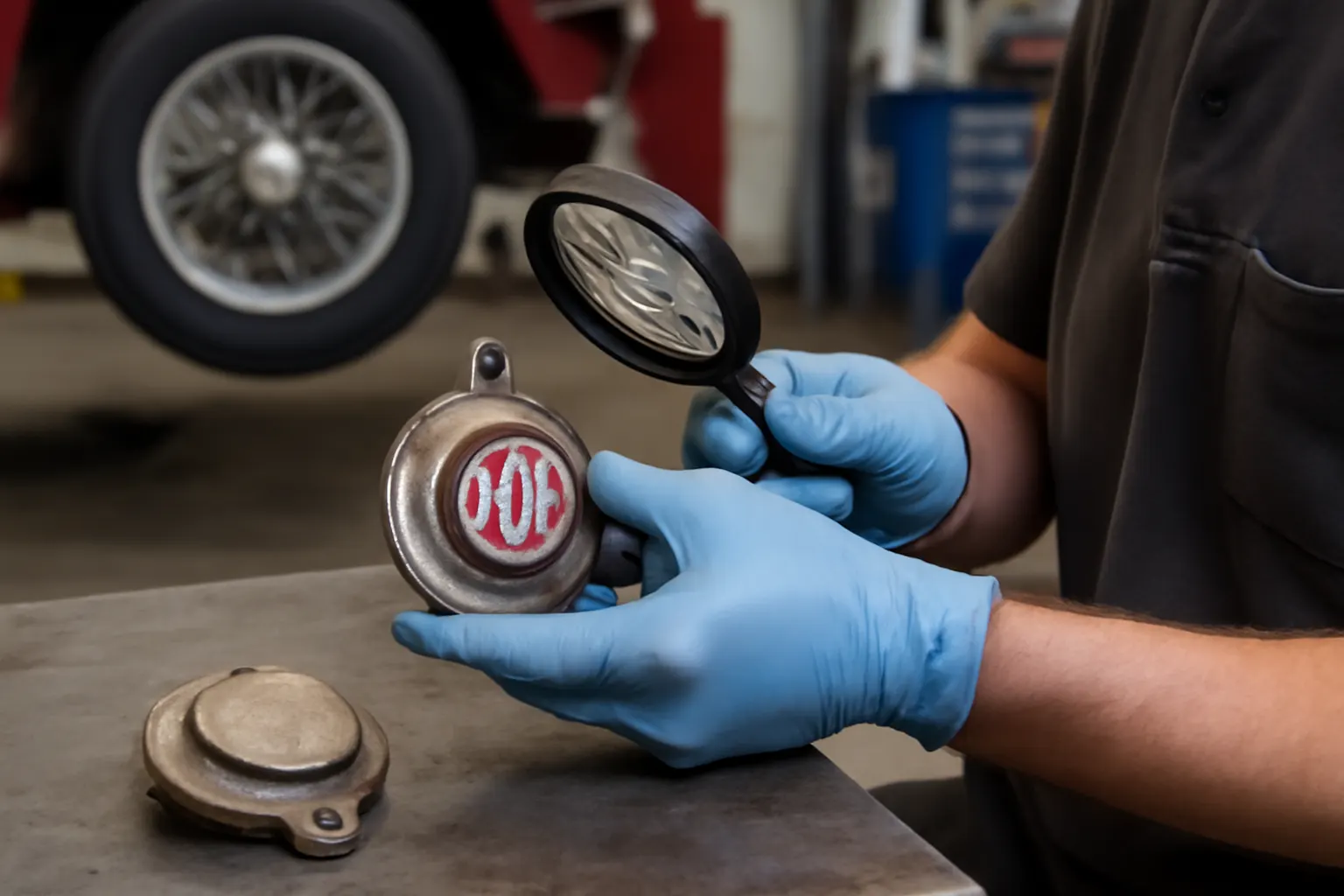
- Compare Images and Specs: Match the part’s dimensions, mounting points, and connector types to your original component.
- Check Technical Data Sheets: Reputable suppliers provide datasheets or diagrams—compare these to your MG’s workshop manual.
- Consult Fitment Tables: Many databases list compatible years, models, and engine variants. Double-check for mid-year or market-specific changes.
Common Diagnostic Pitfalls
- Assuming Visual Similarity Equals Fitment: Many parts look alike but differ in crucial tolerances or materials.
- Ignoring Revision Codes: Some part numbers have suffixes or revision codes indicating updated or superseded parts.
Installation Considerations: When Compatibility Isn’t Enough
Pre-Installation Checks
Even with a matching part number, always:
- Test-Fit Components: Before full installation, temporarily fit the new part to check for clearance and alignment.
- Compare Old vs. New: Lay both parts side by side to spot any subtle differences.
- Check Hardware and Fasteners: Some replacements require updated bolts, washers, or bushings.
Installation Tips
- Follow Torque Specs: Use factory torque specifications for critical fasteners—refer to SAE standards [^3].
- Use Correct Lubricants: For moving components (bearings, bushings), use lubricants specified by the MG workshop manual.
- Check for Interference: After installation, manually rotate or actuate the system (e.g., turn the steering wheel, operate the clutch) to ensure no binding.
Maintenance and Longevity: Maximizing Value From Compatible Parts
Scheduled Inspections
After installing a cross-referenced or platform-shared part:
- Monitor for Early Wear: New parts from different suppliers may have different wear patterns—inspect after the first 500-1,000 miles.
- Check for Leaks or Looseness: Especially for gaskets, hoses, or suspension components.
- Log Installation Details: Keep a record of part numbers, suppliers, and installation dates for future reference or resale value.
Maintenance Planning
Use your MG’s service schedule as a guide—see our Ultimate MG Maintenance Guide: Service and Parts Schedules—but adjust intervals if using non-OEM or upgraded parts.
Authenticity vs. Modernization: Navigating Heritage and Upgrades
Heritage Restoration
For classic MGs, collectors often prioritize OEM or period-correct parts to maintain authenticity and value. This may mean paying a premium or searching longer for rare components.
Modern Upgrades
Some owners choose modern equivalents or performance upgrades (e.g., electronic ignition, polyurethane bushings). While these may offer improved reliability or efficiency, always ensure:
- Compatibility With Original Systems: Avoid introducing electrical or mechanical incompatibilities.
- Reversible Modifications: For collectibility, prefer upgrades that can be removed without permanent alteration.
Safety and Regulatory Standards: Why Compliance Matters
Regulatory Requirements
All replacement parts—especially safety-critical components like brakes, steering, and lighting—must comply with NHTSA safety standards [^1]. For newer MGs, emissions and efficiency standards may also apply [^2].
Advertisement
Technical Standards
SAE International sets engineering and testing standards for automotive systems 1. Always check that replacement parts meet or exceed these specifications, especially when cross-referencing or using aftermarket alternatives.
Consequences of Non-Compliance
- Safety Risks: Inferior or incompatible parts can lead to failures or accidents.
- Inspection Failures: Non-compliant parts may cause your MG to fail state or regional inspections.
- Insurance Issues: Some insurers may deny claims if non-compliant parts contributed to a failure.
Counterfeit and Substandard Parts: How to Protect Your MG
Identifying Counterfeits
The classic car parts market is rife with counterfeit or substandard components. Protect your MG by:
- Buying From Reputable Dealers: Use established MG specialists or trusted online platforms.
- Inspecting Packaging and Markings: Genuine parts have consistent branding, holograms, or security features.
- Cross-Checking Part Numbers: Counterfeiters often use fake or outdated numbers—verify with official catalogs.
See our detailed guide: Spotting Counterfeit MG Parts: What Every Owner Should Know.
The Role of Materials and Manufacturing: Beyond the Part Number
Material Differences
Advances in materials technology mean that seemingly identical parts can have different performance characteristics. For example:
- Bushings: Early MGs used rubber, while modern equivalents may use polyurethane for improved longevity.
- Fasteners: Modern fasteners may be zinc-coated or stainless steel, affecting corrosion resistance.
Check the Department of Energy’s guidelines on automotive materials 2 and always verify that substitutes meet or exceed original specifications.
Manufacturing Tolerances
OEM and high-quality aftermarket parts are manufactured to precise tolerances. Substandard or generic parts may not fit correctly or may fail prematurely.
Platform-Specific Compatibility: Classic vs. Modern MGs
Classic MGs (Pre-1980)
- Parts Availability: Many components are still produced by heritage suppliers, often to original specifications.
- Cross-Brand Fitment: MG, Austin, Triumph, and Morris parts may be interchangeable, but always verify with period-correct documentation.
Modern MGs (Post-2000, SAIC-Built)
- Global Sourcing: Modern MGs may use components from Chinese or European suppliers, with part numbers and fitment unique to their platform.
- Electronic Integration: Modern systems (ABS, ECUs, infotainment) require exact-match components—cross-referencing is more complex.
Always consult up-to-date fitment guides and, where possible, use VIN-based lookup tools.
Expert Solution Path: Cross-Referencing Like a Pro
Step-by-Step Cross-Referencing
- Obtain the Original Part Number: From workshop manuals, old parts, or trusted online catalogs.
- Consult Multiple Sources: Use at least two independent catalogs or supplier databases to verify compatibility.
- Check Technical Standards: Ensure the replacement meets NHTSA and SAE requirements.
- Inspect Physically: Compare the new part with the old for material, finish, and fit.
- Document Everything: Keep a record of research, contacts, and part details for future reference.
When to Seek Specialist Help
- Rare or High-Value Models: For rare MGs or limited editions, consult marque specialists or clubs.
- Complex Electronic Systems: For modern MGs, use dealer diagnostic tools or specialist services.
AutoPartEx: Your MG Parts Compatibility Ally
Navigating the MG parts universe can be daunting, but you don’t have to go it alone. AutoPartEx provides:
- Curated MG Parts Catalog: With verified compatibility, technical data, and cross-reference support.
- Expert Guidance: Our team leverages SAE and NHTSA standards for every recommendation.
- Community Support: Tap into MG owner insights and restoration stories.
Explore our MG Auto Parts: Authentic MG Replacement Components & Heritage Engineering | AutoPartEx page for the next step in your project, or continue your research with our MG Cooling System Components: Selection and Failure Patterns editorial for detailed subsystem analysis.
Conclusion: Cross-Referencing for MG Success
MG ownership is a journey through history, engineering, and community. By mastering part numbers, platform swaps, and strategic sourcing, you ensure your MG remains safe, authentic, and a joy to drive. Whether restoring a 1960s roadster or maintaining a modern hatch, the keys to compatibility are diligence, reference to authoritative standards, and support from trusted partners like AutoPartEx.
References
- Vehicle Safety and Equipment – National Highway Traffic Safety Administration
- Fuel Efficiency – United States Department of Energy
- SAE Standards – SAE International
- Materials Technologies – United States Department of Energy
Footnotes
Advertisement