Mazda Parts Sourcing: Case Studies in Authenticity
When it comes to keeping your Mazda running at peak performance, sourcing the right parts is critical. But as countless owners have discovered, the path to authentic, precise-fit Mazda components is riddled with pitfalls—counterfeit parts, mismatched fitment, and compatibility headaches can quickly derail even the most straightforward repair. In this article, we present real-world case studies of Mazda owners who navigated these challenges, drawing on their experiences to highlight practical solutions, technical diagnostics, and the best practices for ensuring authenticity and fitment. Whether you drive a Mazda3, CX-5, or a classic MX-5, these stories will help you avoid common sourcing mistakes and keep your vehicle safe, efficient, and true to its engineering heritage.
For a comprehensive overview of Mazda’s engineering standards and the importance of genuine parts, see the Mazda OEM Parts: Engineering, Fitment, and Authenticity | AutoPartEx page.
The Immediate Answer: Why Authentic Mazda Parts Matter
The most critical takeaway from every owner’s story is this: authentic Mazda parts are essential for safety, performance, and long-term reliability. Genuine components are engineered to meet Mazda’s exacting specifications, ensuring optimal fitment and seamless integration with your vehicle’s systems. When owners opted for authentic OEM or certified parts, they avoided costly rework, performance issues, and potential safety hazards. In contrast, those who unwittingly installed counterfeit or ill-fitting aftermarket parts faced everything from dashboard warning lights to brake system failures.
In short, sourcing authentic Mazda parts isn’t just a matter of pride—it’s a crucial investment in your vehicle’s longevity, fuel efficiency, and compliance with SAE Standards and NHTSA safety requirements.
The Hidden Problem: Counterfeits, Compatibility, and Fitment Nightmares
Despite the clear benefits of genuine parts, many Mazda owners encounter hidden obstacles during sourcing:
- Counterfeit parts that mimic OEM packaging but fall short in quality and durability.
- Aftermarket components that claim compatibility but fail real-world fitment tests.
- Online marketplaces where part numbers and listings are ambiguous or misleading.
- Regional variations in part numbers for the same model year, causing confusion.
- Installation issues that only become apparent after hours of labor or miles on the road.
These problems are compounded by the growing sophistication of counterfeiters and the proliferation of unvetted online sellers. Even experienced enthusiasts can be caught off-guard, leading to wasted time, voided repairs, and, in some cases, safety-critical failures.
Case Study 1: Mazda3 Owner’s Battle with Brake Pad Authenticity
When Sarah, a 2018 Mazda3 owner, noticed her brake pads wearing thin, she turned to a popular online retailer promising “OEM-equivalent” pads at a fraction of the dealership price. The pads arrived in near-identical packaging, complete with holograms and Mazda logos. Installation seemed straightforward—until, within weeks, Sarah experienced increased stopping distances and a persistent squeal.
A diagnostic inspection at her local Mazda dealership revealed the truth: the pads were counterfeit, made from substandard materials that failed to meet NHTSA safety equipment standards. Not only did Sarah have to pay for another replacement, but her rotors had also suffered premature wear.
Key Takeaways:
- Counterfeit packaging can be highly convincing.
- Inferior friction materials led to compromised safety and additional repair costs.
- Dealer diagnostics and part verification are essential before installation.
For guidance on distinguishing genuine parts from fakes, see Counterfeit Mazda Parts: How to Identify and Avoid Risks.
Case Study 2: CX-5 Owner’s Struggle with Aftermarket Sensors
Mark, the owner of a 2021 Mazda CX-5, sought to save money by purchasing an aftermarket ABS wheel speed sensor from a reputable parts chain. The sensor’s part number matched his VIN, and installation was completed without a hitch. However, within days, his dashboard lit up with ABS and traction control warnings.
Further investigation revealed that while the connector fit, the sensor’s signal frequency was incompatible with Mazda’s ABS module, violating SAE International sensor standards. Only after sourcing a genuine Mazda sensor did the warnings clear and full system functionality return.
Key Takeaways:
- Even reputable aftermarket brands can have subtle compatibility issues.
- Electrical sensors require strict adherence to manufacturer specifications.
- On-board diagnostics (OBD-II) can identify but not always resolve fitment mismatches.
For more on model-specific compatibility, review the Mazda Fitment Guide: Model-Specific Compatibility.
Case Study 3: MX-5 Restoration—Hunting for Genuine Trim Pieces
Restoring a classic 1999 Mazda MX-5 Miata, enthusiast Alex faced an uphill battle sourcing authentic interior trim. Many online listings offered “OEM-style” parts, but only a few could provide the original Mazda part numbers or provenance. Alex’s diligence paid off when he cross-referenced part numbers with Mazda’s official catalog and verified supplier credentials.
The result: trim pieces that fit perfectly, matched interior color codes, and retained the original tactile feel—key for both aesthetics and resale value. In contrast, a test order of a generic shift boot was a poor fit, with mismatched stitching and premature wear.
Key Takeaways:
- Original part numbers and supplier verification are crucial for restoration projects.
- Genuine trim ensures correct fit, finish, and durability.
- “OEM-style” often means “not OEM”—be skeptical of vague terminology.
The Technical Challenge: What Makes Mazda Parts Unique?
Mazda’s engineering philosophy emphasizes Jinba Ittai—“horse and rider as one”—which extends to the design of every component. Genuine Mazda parts are manufactured to precise tolerances, often using proprietary materials and assembly techniques. For example:
- Brake systems are tuned to specific rotor and pad compounds for each model.
- Suspension components use unique bushing durometers to balance ride and handling.
- Electronic modules require exact signal parameters for seamless CAN bus integration.
- Body panels are stamped from Mazda-specified alloys for weight, strength, and corrosion resistance (DOE Materials Technologies).
Aftermarket or counterfeit parts may mimic the appearance but rarely match the underlying engineering, leading to subtle (and sometimes serious) issues in performance, safety, and longevity.
Diagnosing Mazda Part Authenticity: A Step-by-Step Checklist
Before purchasing or installing any Mazda replacement part, use this checklist to verify authenticity and fitment:
Mazda Parts Authenticity Checklist
| Step | What to Check | Why It Matters |
|---|---|---|
| Part Number Verification | Cross-check with Mazda’s official catalog | Ensures correct fitment |
| Supplier Credentials | Confirm authorized dealer or certified partner | Reduces risk of counterfeits |
| Packaging Inspection | Look for holograms, seals, and Mazda branding | Counterfeiters often miss details |
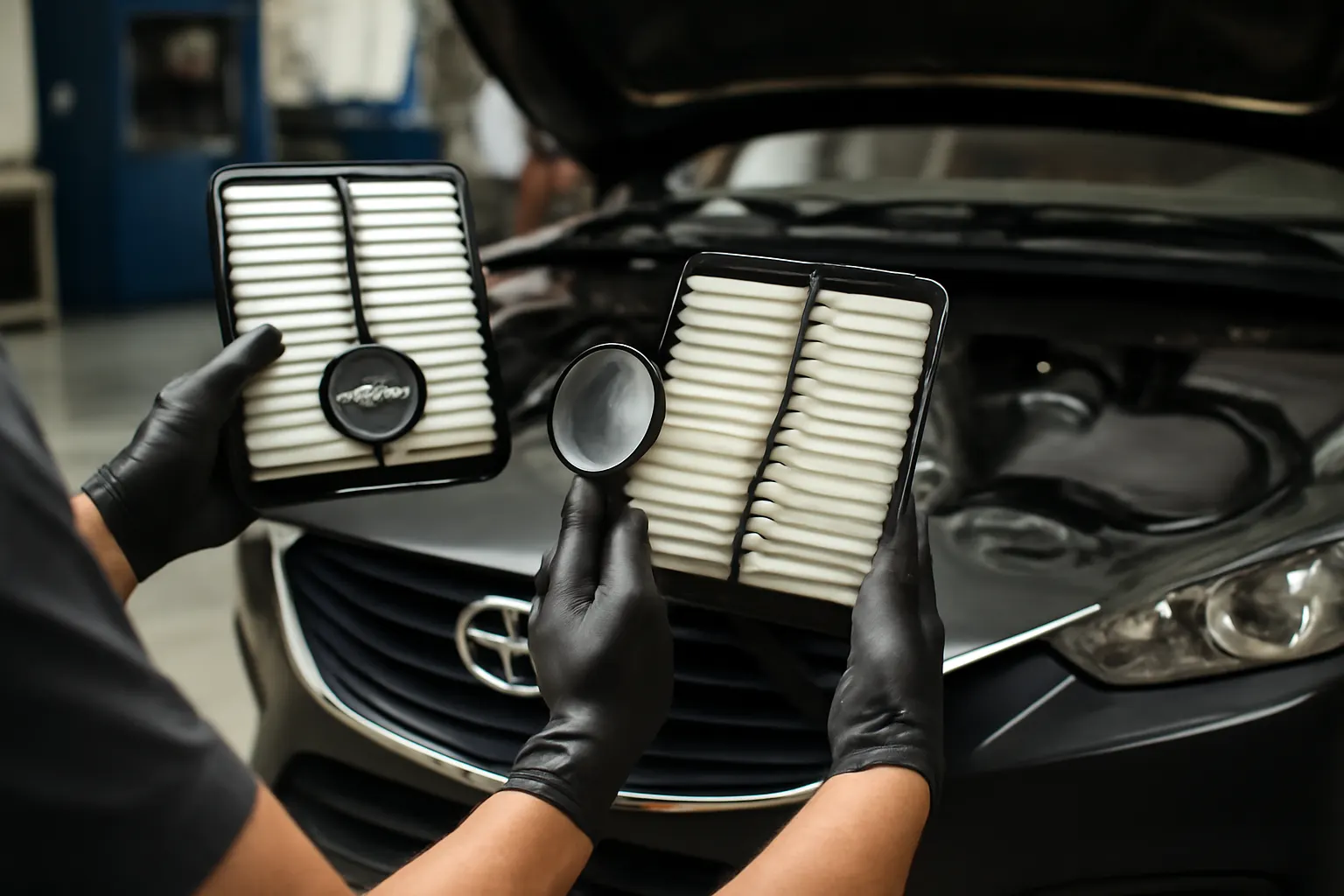
| Material Quality | Compare to OEM sample (if available) | Inferior materials signal a fake |
| Documentation | Review warranty, receipts, and provenance | Genuine parts include documentation |
| Installation Fit | Test fit before final install | Prevents labor loss if incorrect |
| System Diagnostics | Scan OBD-II for errors after installation | Ensures electronic parts are compatible |
The Hidden Costs: Fuel Efficiency and Safety Impacts
Using non-authentic or poorly fitted Mazda parts can have consequences beyond immediate repair costs:
- Fuel Efficiency: Subpar engine or drivetrain components can increase friction, disrupt airflow, or cause sensor errors, leading to reduced fuel economy (DOE Fuel Efficiency).
- Safety: Non-OEM brake, suspension, or airbag components may not meet NHTSA safety standards, increasing accident risk.
- Long-Term Reliability: Incorrect fitment can accelerate wear on adjacent systems, leading to cascading failures and expensive repairs down the line.
Owners who invested in authentic parts consistently reported better MPG, quieter operation, and peace of mind on the road.
Fitment Headaches: Real-World Stories of Mismatched Parts
Even with the best intentions, sourcing Mazda parts can result in frustrating fitment issues:
- 2016 Mazda6 Fog Light Assembly: Owner ordered a “universal” fog light kit online, only to discover incompatible mounting tabs and wiring harnesses—resulting in a return and lost time.
- 2015 Mazda CX-3 Door Mirror: Aftermarket mirror glass fit the housing but distorted the field of view, failing to match OEM curvature and anti-glare coatings.
- 2012 Mazda5 Sliding Door Roller: Generic replacement roller caused binding and excessive noise, compared to the smooth operation of the original Mazda part.
Each scenario underscores the importance of consulting model-specific fitment data and, when in doubt, choosing OEM or certified alternatives.
Navigating Online Marketplaces: Tips for Safe Mazda Parts Sourcing
With the proliferation of online sellers, Mazda owners must be especially vigilant. Here’s how successful owners minimized risk:
- Use VIN-Based Lookup: Always enter your full 17-digit VIN when searching for parts. This cross-references your vehicle’s build date, trim, and regional specs.
- Seek Out Authorized Sellers: Only purchase from Mazda dealerships, certified online retailers, or platforms with transparent return policies.
- Request Detailed Photos: Genuine parts should have clear, high-resolution images showing labels, part numbers, and packaging.
- Read Reviews and Ask Questions: Leverage community forums and seller feedback to spot potential issues.
- Beware of “OEM-Style” or “Direct Fit” Claims: These terms are not guarantees of authenticity.
By following these steps, owners reduced the likelihood of receiving counterfeits or incorrect-fit parts.
Installation and Maintenance: Ensuring Longevity and Performance
Proper installation is as important as sourcing the right part. Owners who experienced fitment or performance issues often traced them back to:
- Improper torque procedures (especially for suspension and brake components).
- Skipped calibration steps for sensors and electronic modules.
- Neglecting software updates required after replacing ECUs or infotainment parts.
To avoid these pitfalls:
- Always consult Mazda’s service manuals and torque specifications.
- Use OBD-II diagnostics to reset fault codes and calibrate new sensors.
- Consider professional installation for safety-critical systems like brakes and airbags.
Routine maintenance—using genuine Mazda fluids, filters, and wear items—also extends the lifespan of both replacement parts and your vehicle as a whole.
When Aftermarket Makes Sense: Selective Upgrades and Cautions
While genuine Mazda parts are generally preferred, there are scenarios where high-quality aftermarket components can be suitable—especially for performance upgrades:
- Performance brake pads/rotors from reputable brands, provided they meet or exceed OEM specs.
- Suspension upgrades for autocross or track applications, if engineered for your model.
- Infotainment or lighting enhancements that integrate seamlessly with factory wiring and controls.
However, even in these cases, it’s critical to verify compliance with SAE standards and ensure the part’s compatibility with Mazda’s systems. Owners report the best results when they combine aftermarket upgrades with OEM core components.
Learning from Recalls: The Role of OEM Parts in Safety Campaigns
Mazda, like all automakers, occasionally issues recalls for defective components. Owners who maintain their vehicles with authentic parts benefit from:
- Recall eligibility: Only genuine parts are covered in official recall campaigns (NHTSA Recalls).
- Simplified replacement: Dealers can quickly verify and replace affected parts.
- Up-to-date engineering: OEM replacements incorporate the latest safety and performance improvements.
Owners using non-genuine or undocumented parts may face delays or denial of recall-related repairs.
The AutoPartEx Approach: Precision Sourcing, Verified Authenticity
At AutoPartEx, we understand the complexities Mazda owners face when sourcing replacement parts. Our platform is built on three core principles:
- Verified Authenticity: Every Mazda part we list is sourced from authorized suppliers, with part numbers and packaging verified against Mazda’s official standards.
- Fitment Intelligence: Our VIN-based lookup and Mazda Fitment Guide: Model-Specific Compatibility ensure you receive parts engineered for your exact model and trim.
- Expert Support: Our technical team is available to help you diagnose issues, verify part compatibility, and provide installation guidance.
Whether you’re restoring a classic MX-5 or maintaining your daily-driver CX-5, you can trust AutoPartEx to deliver the right part, the first time.
Your Next Steps: Sourcing Mazda Parts with Confidence
Ready to source authentic Mazda parts? Here’s how to get started:
- Gather your VIN and part numbers: Use your owner’s manual or consult a Mazda dealer for official part references.
- Leverage trusted sources: Shop through authorized dealerships or certified platforms like AutoPartEx.
- Use diagnostic tools: After installation, scan your vehicle for error codes to ensure system compatibility.
- Stay informed: Review resources such as Mazda OEM Parts: Engineering, Fitment, and Authenticity | AutoPartEx and Counterfeit Mazda Parts: How to Identify and Avoid Risks.
- Document your repairs: Keep receipts and part documentation for future maintenance and resale value.
By following these steps and learning from real-world case studies, you’ll safeguard your Mazda’s performance, safety, and long-term value.