Counterfeit Mazda Parts: How to Identify and Avoid Risks
Counterfeit Mazda parts are a growing threat to vehicle safety, performance, and long-term value. Whether you're a Mazda owner, a professional technician, or a parts buyer, knowing how to spot fake components is essential. This guide delivers practical steps and a comprehensive security checklist to help you confidently identify and avoid counterfeit Mazda components—protecting your vehicle, your wallet, and your peace of mind.
For a deeper dive into Mazda's engineering standards and authentic fitment, see our Mazda OEM Parts: Engineering, Fitment, and Authenticity resource. Now, let’s address the immediate risks and the hidden dangers of counterfeit Mazda parts, and equip you to make safe, informed sourcing decisions.
Why Counterfeit Mazda Parts Are a Critical Threat
Counterfeit automotive parts have infiltrated markets worldwide, and Mazda vehicles are not immune. These imitation components may look genuine at first glance, but they often lack the engineering rigor, material quality, and safety testing of real Mazda OEM parts. The consequences can be severe: compromised braking, poor fitment, engine damage, or even catastrophic safety failures.
The National Highway Traffic Safety Administration (NHTSA) warns that counterfeit parts undermine vehicle safety and may fail under normal driving conditions, posing risks to drivers, passengers, and others on the road. For Mazda owners who value reliability, performance, and safety, detecting and avoiding counterfeit parts is not just a best practice—it’s a necessity.
The Hidden Problem: Counterfeits Are Becoming More Sophisticated
The challenge isn’t just that counterfeits exist—it’s that they’re getting harder to spot. Modern counterfeiters use advanced packaging techniques, mimic Mazda branding, and may even copy barcodes or serial numbers. Online marketplaces, unvetted third-party sellers, and even some local suppliers can unwittingly (or knowingly) distribute counterfeit Mazda parts.
Complicating matters, counterfeiters target high-demand components such as brake pads, air filters, ignition coils, and suspension parts—areas where failure can have immediate and dangerous effects. Many buyers only discover the problem after a part fails or when a mechanic flags an installation issue.
How Counterfeit Mazda Parts Affect Safety, Performance, and Value
Counterfeit Mazda parts don’t just risk a failed repair—they can directly undermine your vehicle’s safety and performance. Here’s how:
- Safety Risks: Substandard materials, poor manufacturing tolerances, and lack of regulatory compliance can cause brake failure, steering issues, or electrical shorts. NHTSA reports that counterfeit parts are a significant factor in avoidable accidents and recalls.
- Performance Loss: Genuine Mazda parts are engineered to precise SAE and Mazda standards. Counterfeit parts often lack these specifications, leading to reduced fuel efficiency, engine misfires, or poor handling.
- Long-Term Damage: Installing fake components can cause cascading failures—such as a counterfeit oil filter allowing debris into the engine, or a fake sensor triggering false error codes.
- Resale and Warranty Impact: Non-genuine parts can void warranties or reduce your Mazda’s resale value, as future buyers and service providers may question the vehicle’s maintenance history.
Commonly Counterfeited Mazda Parts: What’s Most at Risk?
While nearly any Mazda component can be counterfeited, certain parts are especially targeted due to high demand and replacement frequency:
- Brake Pads and Rotors: Poor friction materials and incorrect fitment can cause dangerous stopping issues.
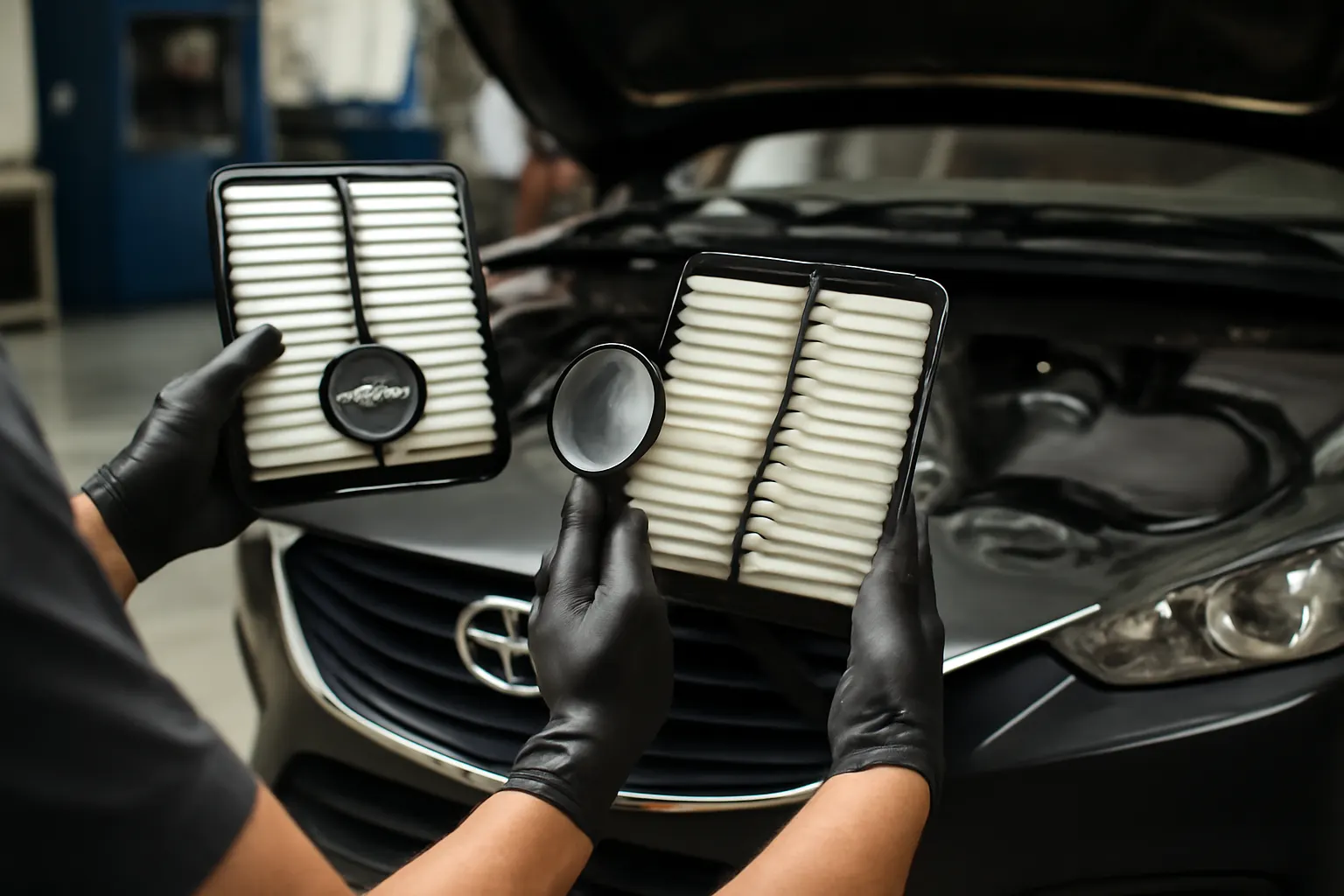
- Oil Filters and Air Filters: Subpar filtration can lead to engine wear or contamination.
- Ignition Coils and Spark Plugs: Low-quality materials can cause misfires and poor fuel economy.
- Suspension Components: Fake bushings, ball joints, and control arms may fail under load.
- Lighting and Electrical Components: Counterfeit bulbs, sensors, and wiring may not meet Mazda’s or SAE’s electrical and safety standards.
- Body Panels and Badging: Cosmetic counterfeits can be hard to spot and may not provide proper protection or fit.
Keep these parts on your high-alert list when sourcing replacements, especially from unfamiliar vendors.
Practical Checklist: How to Spot Counterfeit Mazda Parts
Use this checklist whenever you’re inspecting, purchasing, or installing Mazda components:
| Checkpoint | What to Look For |
|---|---|
| Packaging Quality | Blurry logos, spelling errors, missing holograms, poor printing |
| Labeling and Part Numbers | Inconsistent fonts, missing Mazda logos, mismatched part numbers |
| Build Quality | Rough edges, uneven weight, cheap materials, poor casting/molding |
| Fitment and Dimensions | Does not align or install as smoothly as OEM parts |
| Origin and Supplier | Unknown or unverified seller, suspiciously low prices |
| Documentation | Missing installation instructions, warranty cards, or certification |
| Security Features | Lack of holographic stickers, QR codes, or serialized barcodes |
| Regulatory Markings | Missing SAE, DOT, or other required marks for safety-critical parts |
If in doubt, consult Mazda’s official documentation or a trusted Mazda parts specialist.
Technical Deep Dive: What Sets OEM Mazda Parts Apart
Mazda OEM (Original Equipment Manufacturer) parts are designed, tested, and manufactured to strict internal and SAE International standards. Here’s what differentiates them:
- Material Selection: Mazda specifies advanced alloys, composites, and filtration media that meet or exceed industry requirements for strength, durability, and performance. Counterfeits often use inferior materials to cut costs.
- Precision Engineering: OEM parts are manufactured with tight tolerances, ensuring proper fitment, function, and integration with Mazda’s vehicle systems. Fake parts frequently have dimensional errors that affect installation and operation.
- Testing and Validation: Genuine Mazda parts undergo extensive lab, track, and in-vehicle testing—covering safety, longevity, and compatibility. Counterfeit parts rarely meet these rigorous standards and may skip testing entirely.
- Compliance and Traceability: OEM parts carry regulatory markings (SAE, DOT, etc.) and traceable serial numbers, ensuring accountability and authenticity.
For more on the engineering behind Mazda components, see our Mazda OEM Parts: Engineering, Fitment, and Authenticity guide.
The Dangers of Online Marketplaces and Unverified Sellers
While online parts shopping offers convenience and cost savings, it’s also a prime channel for counterfeit Mazda parts. Here’s why:
- Marketplace Risks: Sites that allow third-party sellers may not verify the authenticity of listed Mazda components. High-volume listings, generic photos, and limited seller information are red flags.
- Too-Good-To-Be-True Pricing: Deeply discounted parts, especially those shipped from overseas or with vague branding, are often counterfeit or “gray market” goods.
- Lack of Warranty or Return Policy: Genuine parts sellers offer clear warranties and return procedures. Counterfeiters often avoid these protections.
Always verify the seller’s reputation, check for genuine Mazda branding, and request documentation when buying online.
Diagnostic Tips: Detecting Counterfeits During Installation and Use
Even with a careful purchase, some counterfeits only reveal themselves during installation or operation. Watch for these warning signs:
- Poor Fitment: If the part requires excessive force, modification, or does not align with mounting points, it may be fake.
- Unusual Noises or Performance Issues: Squealing brakes, engine knocking, or warning lights after installation can signal substandard parts.
- Premature Wear: Excessive dust from brake pads, rapid filter clogging, or visible corrosion are all signs of inferior materials.
- Error Codes or Malfunctions: Non-OEM sensors and electronics may trigger persistent diagnostic trouble codes (DTCs) or fail to communicate with Mazda’s onboard systems.
If you encounter these issues, remove the suspect part, compare it to a known genuine Mazda component, and consult a trusted technician.
The Role of Standards: SAE, NHTSA, and Mazda’s Own Specifications
The automotive industry relies on globally recognized standards to ensure safety, performance, and interoperability. For Mazda parts, key standards include:
- SAE International Standards: Cover everything from brake performance to electrical connectors. Compliance ensures parts are engineered and tested for real-world conditions. SAE Standards
- NHTSA Equipment Regulations: Define safety, labeling, and performance requirements for critical components like airbags, brakes, and lights. NHTSA Equipment
- Mazda Engineering Specifications: Proprietary requirements for fitment, durability, and integration with Mazda vehicle systems.
Counterfeit parts almost never meet these standards, putting your vehicle and safety at risk. Always look for regulatory markings and request documentation before installation.
Solution Path: Sourcing Genuine Mazda Parts with Confidence
To avoid the risks of counterfeit components, follow these sourcing best practices:
- Buy from Authorized Mazda Dealers or Certified Retailers: These channels guarantee authentic, warrantied Mazda OEM parts.
- Request Documentation: Ask for part numbers, certificates of authenticity, and proof of origin.
- Cross-Reference Fitment: Use Mazda’s official fitment guides or trusted databases to confirm compatibility. Our Mazda Fitment Guide: Model-Specific Compatibility offers detailed cross-references.
- Inspect Before Installation: Compare the part to your original Mazda component for differences in weight, finish, and markings.
- Keep Records: Maintain receipts, packaging, and documentation for future reference and warranty claims.
When in doubt, consult a Mazda-certified technician or parts specialist.
Real-World Cases: Lessons from Mazda Owners and Technicians
Case studies highlight the real costs of counterfeit Mazda parts:
- Brake Failure Incident: A Mazda3 owner sourced discounted brake pads online. Within weeks, the pads crumbled under normal use, causing a near-miss accident. Inspection revealed poor-quality friction material and a lack of regulatory markings.
- Engine Damage from Fake Oil Filter: After an oil change with a non-genuine filter, a Mazda CX-5 owner experienced engine knocking and oil starvation. The filter’s bypass valve had failed, allowing unfiltered oil to circulate.
- Electrical Malfunction: A shop installed aftermarket ignition coils purchased from an unverified vendor. Persistent misfires and check engine lights led to a diagnosis: counterfeit coils with improper windings and housing materials.
For more case studies and sourcing strategies, visit Mazda Parts Sourcing: Case Studies in Authenticity.
Maintenance and Inspection: Safeguarding Your Mazda Against Counterfeits
Routine maintenance is an opportunity to check for non-genuine parts—especially if your Mazda’s service history is unclear. Here’s what to do:
- Inspect Critical Components: During brake jobs, oil changes, or suspension work, compare installed parts to Mazda OEM references.
- Document Changes: Note part numbers and suppliers for all replacements, and keep packaging for future verification.
- Schedule Regular Diagnostics: Use Mazda’s onboard diagnostics and scan tools to detect irregularities caused by counterfeit electronics or sensors.
- Educate Service Providers: If you use independent shops, confirm they source parts from authorized Mazda channels or reputable wholesalers.
Proactive inspection and documentation are your best defenses against hidden counterfeit risks.
Security Features and Anti-Counterfeit Measures from Mazda
Mazda and its OEM suppliers have introduced various security features to help buyers identify genuine parts:
- Holographic Stickers: Unique, tamper-evident holograms are increasingly used on packaging and labels.
- Serialized Barcodes and QR Codes: Scannable codes allow verification of authenticity through Mazda’s databases or apps.
- Enhanced Packaging: Improved printing, watermarks, and anti-fraud seals distinguish real Mazda parts from fakes.
- Dealer Verification: Some Mazda dealers offer part authentication services or online verification portals.
Whenever possible, check for these features and use Mazda’s verification tools before installation.
AutoPartEx: Your Partner in Authentic Mazda Parts
At AutoPartEx, we’re committed to helping Mazda owners and technicians source only genuine, standards-compliant parts. Our inventory is curated from authorized Mazda suppliers, and our listings include detailed fitment data, security features, and documentation requirements.
- Expert Guidance: Our technical team can help you cross-reference part numbers, interpret packaging, and troubleshoot suspicious components.
- Educational Resources: Explore our Mazda OEM Parts: Engineering, Fitment, and Authenticity hub and Mazda Brake Components: OE vs Aftermarket guide for deeper insights.
- Community Support: Join our forums and knowledge base to share experiences and stay updated on emerging counterfeit trends.
Choose AutoPartEx for peace of mind, technical accuracy, and unwavering commitment to Mazda authenticity.
Taking Action: Protect Your Mazda and Your Investment
Counterfeit Mazda parts are a real and growing threat—but with vigilance, technical knowledge, and trusted sourcing, you can avoid the risks. Always inspect packaging, verify sellers, and consult official Mazda resources. When in doubt, lean on expert guidance and documented standards. Your Mazda’s safety, performance, and long-term value depend on it.
For more insights, fitment guidance, and sourcing case studies, visit our Mazda OEM Parts: Engineering, Fitment, and Authenticity and Mazda Fitment Guide: Model-Specific Compatibility resources.