Identifying Genuine Isuzu Parts: A Buyer’s Guide
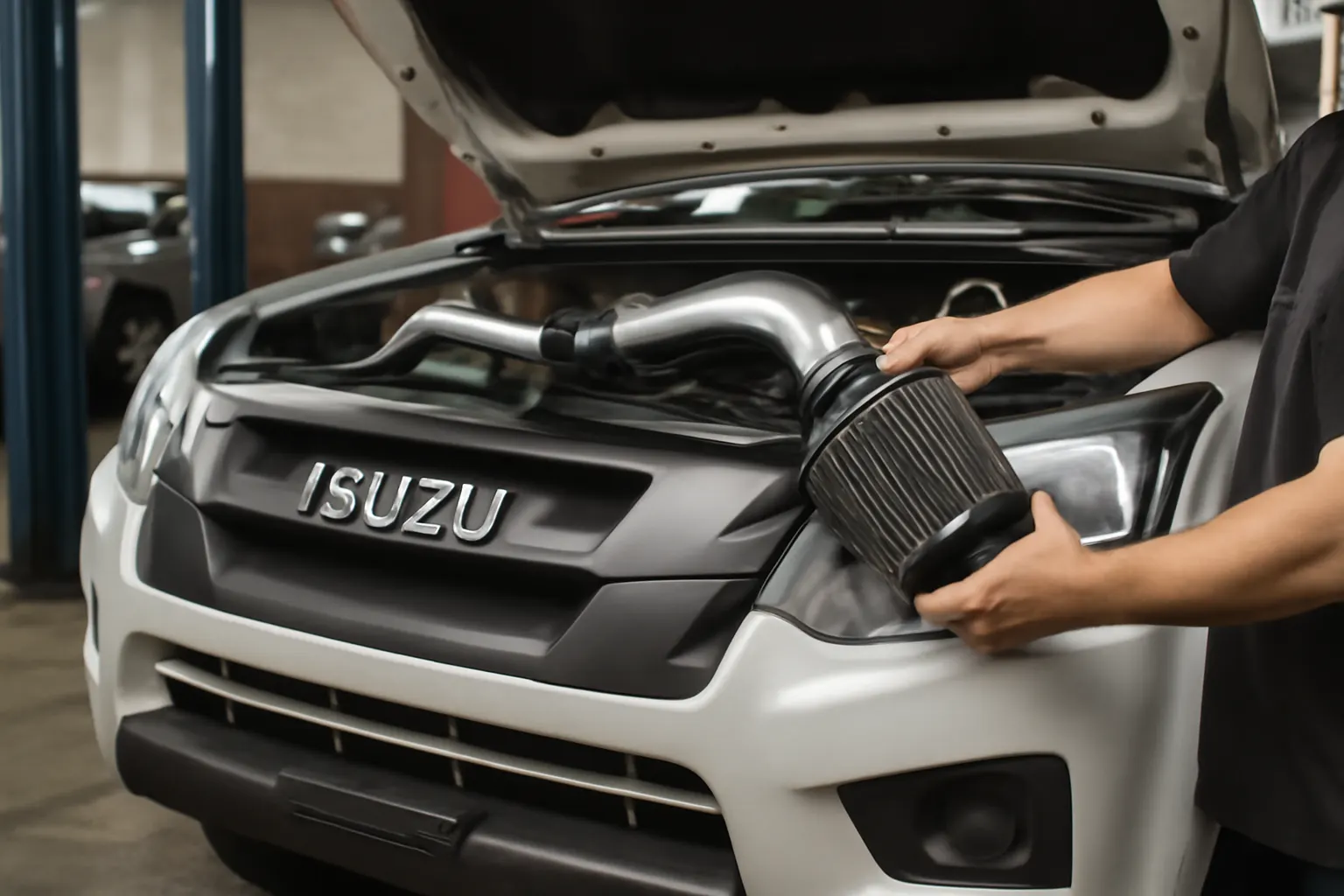
When you need to replace a part on your Isuzu—whether it’s a D-Max, NPR, or another model—installing genuine components is critical for safety, reliability, and long-term performance. Counterfeit or substandard parts can compromise your vehicle’s operation, void manufacturer recommendations, and even put your safety at risk. This comprehensive guide from AutoPartEx will show you how to confidently identify authentic Isuzu parts, avoid common pitfalls, and ensure every replacement upholds the engineering standards that define your vehicle.
For a complete, model-specific overview of available parts, visit the Isuzu Parts Catalog.
Why Genuine Isuzu Parts Matter: The Immediate Answer
Genuine Isuzu parts are engineered to meet or exceed the original equipment manufacturer (OEM) specifications for your vehicle. Using authentic components ensures:
- Precise Fitment: OEM parts are designed for your exact Isuzu model, guaranteeing compatibility and straightforward installation.
- Safety Compliance: Authentic parts adhere to industry and government safety standards, such as those set by the National Highway Traffic Safety Administration (NHTSA) and SAE International.
- Performance and Longevity: Genuine parts maintain your Isuzu’s performance, fuel efficiency, and durability, reducing the risk of premature failure.
- Resale Value: Vehicles maintained with OEM parts retain higher resale value and are less likely to encounter issues during inspections.
Immediate takeaway: If you value your Isuzu’s reliability, safety, and long-term value, always insist on genuine parts and verify authenticity before installation.
The Hidden Problem: Counterfeits and Substandard Replacements
The global auto parts market is flooded with counterfeit and low-quality aftermarket parts—many visually similar to OEM components. These fakes may:
- Fail prematurely, leading to expensive repairs or breakdowns.
- Compromise critical safety systems such as brakes, airbags, and steering.
- Reduce fuel efficiency and engine performance.
- Cause fitment issues that complicate installation and damage surrounding components.
Counterfeiters have become increasingly sophisticated, producing packaging and markings that mimic genuine Isuzu parts. Even reputable-looking online marketplaces and local suppliers may unknowingly distribute fakes. This makes it essential for Isuzu owners, independent mechanics, and fleet operators to know what to look for and how to verify authenticity.
Deeper Technical Explanation: What Sets Genuine Isuzu Parts Apart
Engineering and Manufacturing Standards
Isuzu’s OEM parts are produced under strict quality control, using advanced materials and manufacturing processes. They are designed to meet the original engineering specifications, including:
- Material Composition: Genuine parts use the correct alloys, plastics, and rubber compounds for optimal strength, flexibility, and durability. Deviations in material quality can result in part failure or unsafe operation.
- Precision Manufacturing: OEM parts are built to tight tolerances, ensuring a perfect fit with mating components and consistent performance.
- Testing and Certification: Authentic Isuzu parts undergo rigorous testing for safety, durability, and compliance with international standards, such as those from SAE International.
Compliance with Safety and Efficiency Standards
Genuine Isuzu components are certified to meet regulatory requirements for:
- Safety: Components like brakes, airbags, suspension, and lighting are tested according to NHTSA standards (NHTSA Equipment).
- Fuel Efficiency: Engine and drivetrain parts are designed to optimize fuel economy, as outlined by the U.S. Department of Energy.
Aftermarket or counterfeit parts rarely undergo the same level of scrutiny, often resulting in unknown performance or safety risks.
How to Identify Genuine Isuzu Parts: A Practical Checklist
Use this checklist to confidently verify the authenticity of any Isuzu part before purchasing or installing:
Genuine Isuzu Parts Identification Checklist
-
Manufacturer Packaging
- Look for high-quality, tamper-evident packaging with Isuzu branding.
- Check for the official Isuzu logo, holograms, and security seals.
- Packaging should include the Isuzu part number and barcodes.
-
Part Number Verification
- Genuine parts display a unique Isuzu part number, often printed or engraved on the part itself.
- Cross-reference the part number with the Isuzu Parts Catalog or your owner's manual.
-
Markings and Labels
- Inspect the part for clear, crisp markings: Isuzu logo, part number, manufacturing date, and country of origin.
- Faded, blurry, or inconsistent markings can indicate a counterfeit.
-
Build Quality
- Genuine parts feature smooth finishes, precise dimensions, and robust materials.
- Watch for rough edges, mismatched colors, or lightweight feel—common in counterfeits.
-
Documentation
- Authentic parts often include installation instructions, warranty information, and safety documentation.
- Lack of documentation or generic paperwork is a red flag.
-
Supplier Reputation
- Buy from authorized Isuzu dealers or trusted sources like AutoPartEx.
- Avoid deals that seem "too good to be true" or sellers with limited track record.
-
Price Point
- Prices significantly below market average can signal counterfeit or inferior quality.
Packaging and Label Details: What to Look For
OEM Isuzu packaging is your first line of defense against counterfeits. Genuine packaging will feature:
- Consistent Branding: The Isuzu logo should be sharp, not pixelated or misaligned.
- Security Features: Many OEM packages include holographic stickers, tamper-evident seals, or QR codes that can be scanned for verification.
- Barcode and Part Number: Always cross-check these numbers with the official Isuzu documentation or your dealer.
- Country of Manufacture: Isuzu parts will indicate the country of origin, matching known Isuzu manufacturing locations.
Be wary of packaging that uses generic boxes, lacks security features, or has spelling errors.
Physical Inspection: How to Examine the Part Itself
Even if the packaging appears authentic, always inspect the part before installation:
- Surface Finish: Genuine Isuzu parts have a uniform, high-quality finish. Paint, coatings, or anodization should be even and free from defects.
- Markings: The Isuzu logo and part number should be permanently marked (not a cheap sticker or ink that rubs off).
- Weight and Material: Compare the weight and feel to the original part—counterfeits may use cheaper, lighter materials.
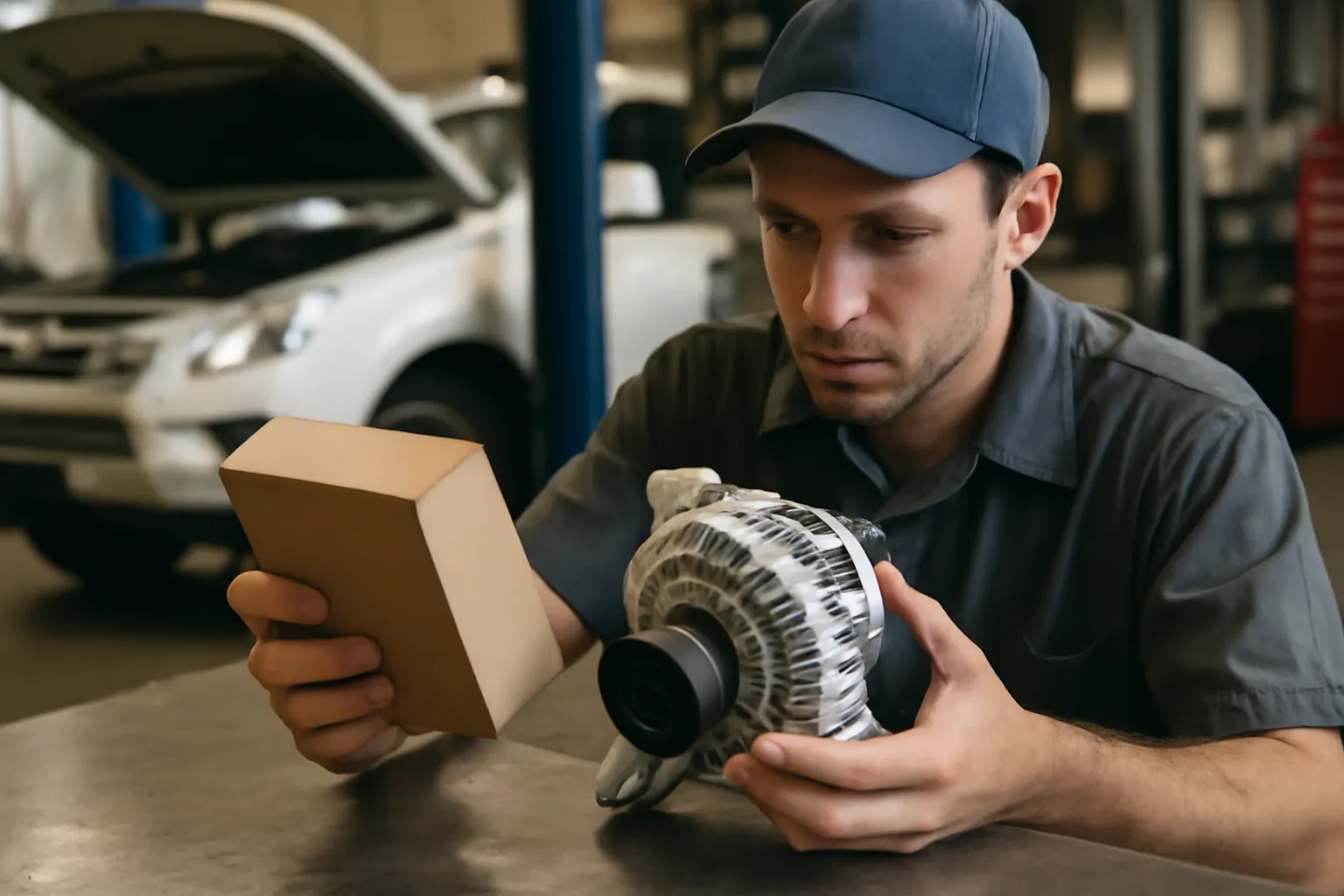
- Fit and Dimensions: If possible, hold the new part up to the old one. Gaps, misalignments, or differences in mounting holes are red flags.
- Moving Components: For parts with moving elements (e.g., bearings, pulleys, switches), check for smooth, precise operation without excessive play or roughness.
Part Number Cross-Reference: The Ultimate Authenticity Test
The most reliable way to confirm a part's authenticity is to match its part number with official Isuzu resources:
- Use the Isuzu Parts Catalog or your vehicle's service manual.
- Enter the part number on the Isuzu global website or contact an authorized Isuzu dealer for verification.
- Many OEM parts now include QR codes or serial numbers that can be checked online.
If a part number does not match any official Isuzu listing, or if the seller cannot provide clear documentation, it is almost certainly not genuine.
Understanding Aftermarket vs. OEM: When Is It Acceptable?
Not all aftermarket parts are counterfeits. Some reputable aftermarket brands manufacture high-quality alternatives, especially for non-critical components. However:
- Critical Systems: Always use genuine Isuzu or OEM-approved parts for brakes, airbags, suspension, steering, and electrical systems.
- Performance and Diagnostics: Engine, transmission, and emission components should be OEM to ensure fuel efficiency and compliance with regulatory standards (DOE Fuel Efficiency).
- Cosmetic or Non-Essential Parts: For items like trim, floor mats, or lighting upgrades, high-quality aftermarket options may be acceptable—but always check fitment and reviews.
If you’re considering an aftermarket alternative, research the brand’s reputation and look for SAE or NHTSA compliance (SAE Standards, NHTSA Equipment).
The Hidden Costs of Counterfeit Parts
Using counterfeit or substandard parts can result in:
- Safety Hazards: Brakes that fail, airbags that do not deploy, or suspension components that break under stress.
- Reduced Efficiency: Poorly made engine parts can decrease fuel economy and increase emissions.
- Frequent Breakdowns: Inferior materials and poor fitment lead to premature wear and costly repairs.
- Voided Insurance or Manufacturer Recommendations: Non-genuine parts may not meet the standards required for vehicle recommendations.
According to the National Highway Traffic Safety Administration, using non-compliant parts is a leading cause of post-repair failures and recalls (NHTSA Recalls).
Where to Buy Genuine Isuzu Parts: Sourcing Guidance
To minimize risk, always source Isuzu parts from:
- Authorized Isuzu Dealerships: These dealers have direct access to OEM parts and can verify authenticity.
- Reputable Online Platforms: Choose established platforms like AutoPartEx, which vet their suppliers and guarantee OEM quality.
- Certified Independent Shops: Some independent mechanics are authorized to sell genuine Isuzu parts—ask for proof of certification.
- Direct from Manufacturer: For fleet operators or large orders, direct manufacturer relationships may be possible.
Warning: Avoid third-party marketplaces or auction sites unless the seller is an authorized Isuzu distributor. Always verify the seller’s credentials.
Installation and Fitment: Ensuring a Proper Match
When installing a new Isuzu part, proper fitment is essential for both performance and safety:
- Compare Old and New: Before removing the original part, compare it side-by-side with the replacement for size, connectors, and mounting points.
- Follow Manufacturer Instructions: Use any included installation guides or reference the Isuzu Maintenance Intervals and Service Checklist for torque specs and procedures.
- Check for Updates: Some OEM parts may be superseded by revised versions for improved performance or reliability—confirm with your supplier.
- Test Post-Installation: After installation, test the component’s function (e.g., brakes, sensors, lighting) to ensure correct operation.
If you encounter fitment issues, do not force installation; double-check the part number and consult with your supplier.
Maintenance and Longevity: Protecting Your Investment
Genuine Isuzu parts are designed for longevity, but proper maintenance is still critical:
- Follow Service Intervals: Adhere to Isuzu’s recommended maintenance schedule to maximize part lifespan and vehicle performance.
- Use Correct Fluids and Lubricants: Many components require specific fluids—using the wrong type can void recommendations and cause premature wear.
- Monitor for Early Signs of Failure: Pay attention to unusual noises, warning lights, or performance drops. Early diagnosis can prevent more serious issues.
- Document Repairs: Keep records of all parts replaced, including part numbers and supplier information, for future reference and resale value.
For more on Isuzu maintenance, see the Isuzu Maintenance Intervals and Service Checklist.
Advanced Diagnostics: Tools and Techniques for Verification
Professional technicians and advanced DIYers can use the following methods to further validate part authenticity and performance:
- Electronic Scanning: Some newer Isuzu parts include RFID chips or QR codes that can be scanned with a smartphone or diagnostic tool to verify origin.
- Material Testing: Specialized tools can measure material hardness or composition, revealing substandard materials.
- Fitment Databases: Use digital fitment tools or online databases provided by AutoPartEx to cross-check compatibility.
- Recall Checks: Before installation, verify that the part is not subject to any recalls via the NHTSA’s online database (NHTSA Recalls).
Expert Action: What to Do If You Suspect a Counterfeit
If you believe you have received a counterfeit or substandard Isuzu part:
- Do Not Install: Installing a questionable part can put your vehicle and safety at risk.
- Contact the Supplier: Notify the seller and request documentation or a return.
- Report the Incident: Inform Isuzu customer service and, if applicable, regulatory bodies such as the NHTSA.
- Replace with Verified OEM: Source a genuine part from a trusted supplier like AutoPartEx.
- Inspect for Damage: If a counterfeit part was installed, have your vehicle inspected for any resulting damage.
AutoPartEx: Your Trusted Source for Genuine Isuzu Parts
Choosing the right supplier is just as important as choosing the right part. At AutoPartEx, every Isuzu part is sourced directly from authorized channels, verified for authenticity, and backed by technical expertise. Our platform offers:
- Comprehensive Fitment Data: Quickly match parts to your exact Isuzu model.
- Expert Guidance: Access detailed installation instructions and maintenance resources.
- Strict Supplier Vetting: We only work with suppliers who meet Isuzu’s OEM standards.
Explore our full range of Isuzu Auto Parts: Genuine OEM Engineering, Fitment, and Quality or browse the Isuzu Parts Catalog for your next project.
Conclusion: Protect Your Isuzu—Insist on Genuine Parts
Identifying and sourcing genuine Isuzu parts is crucial for safety, performance, and long-term value. By following the checklists and best practices outlined in this guide, you can confidently avoid counterfeits and ensure your Isuzu receives only the best. Stay vigilant, buy from trusted sources, and maintain your vehicle to the highest standards—your Isuzu (and your peace of mind) deserve nothing less.