Identifying Genuine Daewoo Parts
Genuine Daewoo auto parts are essential for maintaining vehicle safety, performance, and long-term reliability. In an increasingly complex aftermarket landscape, distinguishing authentic components from counterfeits can be challenging—and the stakes are high. This comprehensive guide will show you exactly how to identify genuine Daewoo parts, why authenticity matters, and what steps to take if you suspect a counterfeit. For a broader look at Daewoo parts sourcing, technical fitment, and authenticity, visit the Daewoo Auto Parts: Technical Sourcing, Fitment & Authenticity | AutoPartEx category.
The Immediate Answer: How to Identify Genuine Daewoo Parts
The quickest way to identify a genuine Daewoo part is to verify the part number, inspect the packaging for official branding, and check for manufacturer-specific security features such as holograms, barcodes, or tamper-evident labels. Always source parts from authorized dealers or trusted suppliers, and cross-reference part numbers with official Daewoo catalogs. If in doubt, consult your vehicle’s service manual or a reputable source like AutoPartEx.
The Hidden Problem: The Real Risks of Counterfeit Daewoo Parts
Counterfeit auto parts have become a global problem, and Daewoo vehicles are not immune. These fake components may look convincing, but they often lack critical safety features, use substandard materials, and fail to meet engineering specifications. According to the National Highway Traffic Safety Administration (NHTSA), non-genuine parts can compromise vehicle safety systems, reduce fuel efficiency, and increase the risk of breakdown or accident [NHTSA Equipment]. The consequences aren’t limited to performance—your safety, and that of your passengers, is at risk.
Why Authenticity Matters: Safety, Longevity, and Performance
Safety Compliance
Genuine Daewoo parts are engineered and tested to meet stringent safety standards, including those set by NHTSA and SAE International. From airbags and brake pads to suspension components, authentic parts ensure your vehicle’s critical systems work as intended. Counterfeits may not deploy airbags correctly or provide adequate stopping power, putting you at risk [NHTSA Recalls].
Long-Term Reliability
Authentic parts are manufactured to precise tolerances and specifications, ensuring a correct fit and optimal function. This reduces the likelihood of premature wear, breakdowns, or subsequent repairs. Aftermarket or counterfeit parts may not fit properly, leading to increased stress on adjacent components and reduced overall vehicle lifespan.
Fuel Efficiency and Performance
Quality parts directly impact your Daewoo’s fuel efficiency and driving dynamics. Components such as oxygen sensors, fuel injectors, and timing belts must operate within tight parameters to maintain engine performance and fuel economy [DOE Fuel Efficiency]. Inferior replacements can cause poor combustion, higher emissions, and increased fuel consumption.
Common Types of Counterfeit Daewoo Parts
Counterfeiters target high-turnover and high-value components. The most commonly affected Daewoo parts include:
- Brake pads and rotors
- Airbags and sensors
- Timing belts and tensioners
- Suspension and control arms
- Body panels and lighting assemblies
- Filters (oil, air, fuel)
- Spark plugs and ignition components
For example, counterfeit brake pads may use inferior friction materials, leading to longer stopping distances and rotor damage. Fake timing belts may snap prematurely, causing catastrophic engine failure. For detailed technical fitment, see our Daewoo Timing Belt Replacement Guide.
Visual and Physical Inspection: What to Look For
Packaging and Labeling
Genuine Daewoo parts always arrive in high-quality packaging with clear branding, consistent fonts, and accurate part numbers. Look for:
- Official Daewoo logo and trademarks
- Manufacturer’s address and contact details
- Tamper-evident seals or holograms
- Consistent color schemes and printing quality
- Barcodes or QR codes that match catalog data
Part Quality and Markings
Inspect the part itself for:
- Engraved or laser-etched part numbers (not stickers)
- Consistent surface finish and material quality
- Absence of casting flaws, rough edges, or mismatched colors
- Weight and feel consistent with OEM specifications
If the part feels unusually light, flimsy, or has visible imperfections, it’s likely a counterfeit.
Checklist: Authentic Daewoo Parts Verification
Use this step-by-step checklist to confirm authenticity before installation:
- Source Verification: Buy only from authorized dealers, reputable online platforms, or certified AutoPartEx suppliers.
- Part Number Match: Cross-reference the part number with your Daewoo’s service manual or the official parts catalog.
- Packaging Inspection: Check for tamper-evident seals, holograms, and clear branding.
- Barcode/QR Code Scan: Use a barcode app to verify codes against Daewoo’s official database (if available).
- Physical Inspection: Examine the part for correct markings, material quality, and finish.
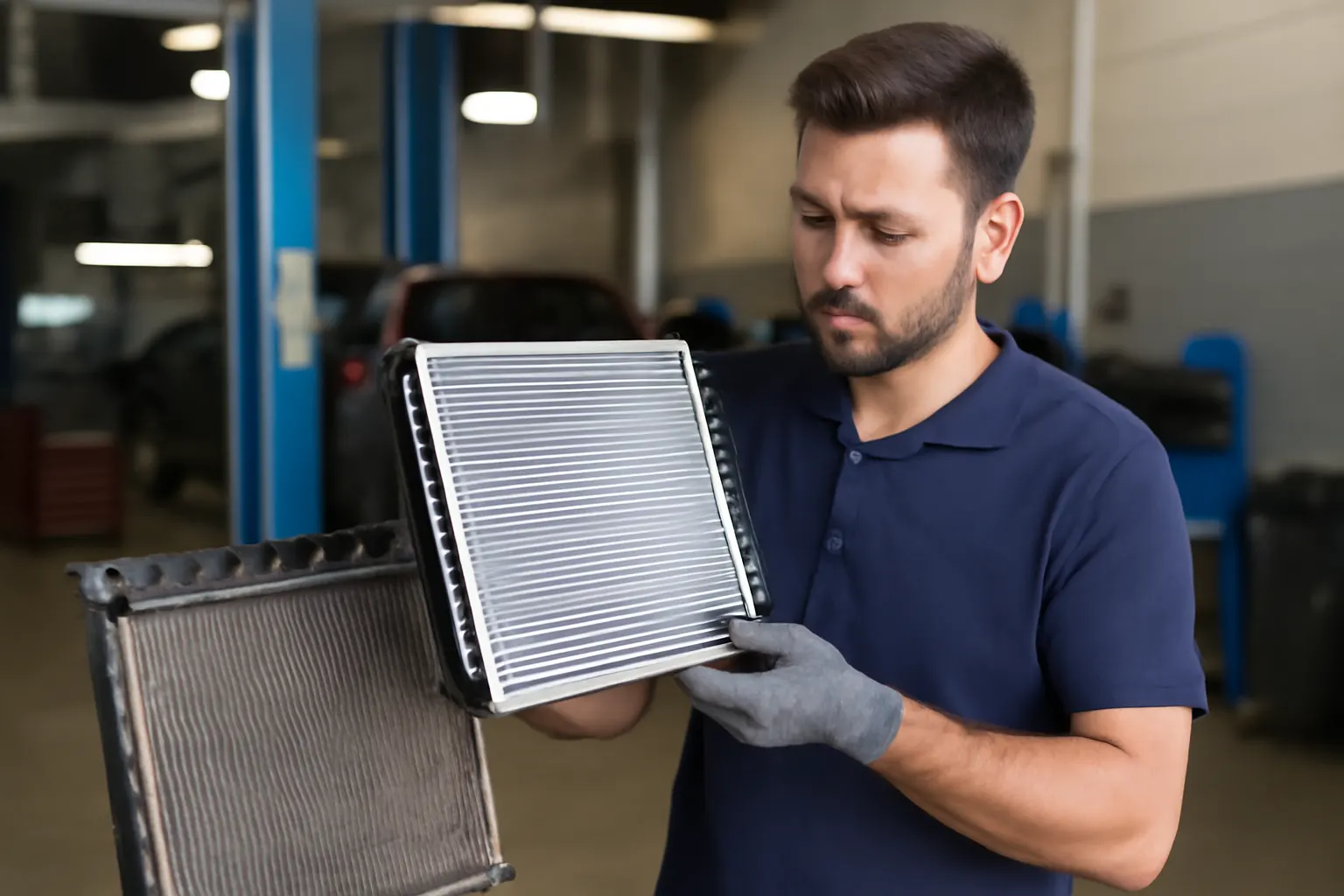
- Compare Old vs. New: Hold the new part next to the one being replaced; check for differences in design or construction.
- Documentation: Request a purchase invoice and warranty card from the seller.
- Supplier Reputation: Look up reviews or feedback on the supplier before purchase.
- Consult AutoPartEx: When in doubt, consult our technical team for guidance.
Technical Deep Dive: How Parts Authentication Works
Manufacturer Security Features
Daewoo and its OEM suppliers embed multiple security features in genuine parts, including:
- Holographic Labels: Multi-layered holograms that are difficult to replicate.
- Unique Serial Numbers: Each part may have a unique serial or batch number traceable to its origin.
- RFID Chips: Some high-value components use embedded RFID for digital authentication.
Catalog and Database Verification
Genuine parts can be cross-checked using Daewoo’s official parts catalogs or trusted databases. Each part number corresponds to a specific vehicle application, model year, and configuration. Discrepancies between the catalog and the part’s markings are a red flag.
SAE and NHTSA Compliance
Original parts are engineered to meet SAE standards for materials, testing, and performance [SAE Standards]. NHTSA also mandates certain safety-critical components be traceable and recallable. Counterfeit parts rarely meet these standards, and their use may void compliance.
The Role of Recalls: Why Traceability Is Critical
In the event of a safety recall, only genuine Daewoo parts can be traced and replaced efficiently. Counterfeit or undocumented parts may go unnoticed, leaving your vehicle exposed to unresolved safety defects. Check the NHTSA Recalls Database to ensure your parts and vehicle are up to date.
Sourcing Best Practices: Where to Buy Genuine Daewoo Parts
Authorized Dealers
Official Daewoo dealerships and their authorized parts departments are the gold standard for sourcing authentic components. While prices may be higher, the guarantee of authenticity, correct fitment, and warranty support outweighs the cost.
Trusted Online Platforms
Major platforms like AutoPartEx rigorously vet their suppliers and offer buyer protections. Look for platforms with transparent return policies, verified reviews, and direct support for parts verification.
Local Specialist Shops
Reputable local parts suppliers who specialize in Daewoo or Korean vehicles often have longstanding relationships with OEM distributors. Always ask about their sourcing channels and request documentation.
For a detailed overview of sourcing changes and trends, see Daewoo Parts Sourcing in 2024: What’s Changed?.
Fitment and Installation: Why Precision Matters
Engineering Tolerances
Daewoo vehicles are engineered with precise tolerances. Genuine parts are manufactured to fit exactly, ensuring optimal performance and safety. Counterfeit or generic parts may require forceful installation, leading to stress fractures, leaks, or alignment issues.
System Compatibility
Modern Daewoo vehicles use integrated electronics and sensors. Installing a non-genuine sensor or actuator can trigger diagnostic trouble codes, disable safety features, or cause erratic engine behavior.
Professional Installation
Whenever possible, have parts installed by a certified technician familiar with Daewoo platforms. This ensures correct torque specs, sensor calibration, and system resets are performed.
For technical guidance on specific systems, refer to Daewoo Suspension & Control Arm Fitment.
Maintenance and Inspection: Staying Ahead of Counterfeits
Scheduled Inspections
Incorporate parts verification into your regular maintenance schedule. During oil changes, brake inspections, or suspension checks, ask your technician to confirm the authenticity of key components—especially if you purchased the vehicle used.
Record Keeping
Keep detailed records of parts purchases, installation dates, and supplier information. This documentation is invaluable if you need to file a warranty claim or respond to a recall.
Reporting Suspected Counterfeits
If you encounter a suspicious part, report it to both the supplier and the appropriate authorities. NHTSA accepts reports of counterfeit safety equipment, and AutoPartEx can assist with technical evaluation.
The Impact of Materials and Manufacturing Standards
Material Quality
Genuine Daewoo parts use materials specified for durability, corrosion resistance, and performance. For example, control arms are made from high-strength steel alloys, while bushings use specific rubber compounds for vibration isolation. Counterfeits may substitute cheaper metals or plastics, leading to premature failure.
Manufacturing Processes
OEM parts are produced under strict quality control, including batch testing, X-ray inspection of castings, and laser measurement of dimensions. These processes are rarely replicated by counterfeiters, resulting in inconsistent or dangerous products.
Regulatory Oversight
Parts that affect safety—such as brakes, airbags, and lighting—are subject to regulatory testing and certification. Always look for evidence of compliance with NHTSA or equivalent international standards.
The Cost of Cutting Corners: Real-World Consequences
Safety Risks
Cases of brake failure, airbag non-deployment, and catastrophic engine damage have all been traced to counterfeit components. These failures can lead to accidents, injuries, or even fatalities. Protecting yourself starts with choosing authentic parts.
Financial Implications
While counterfeit parts may appear cheaper, they often result in higher long-term costs due to frequent replacements, additional repairs, or damage to related systems. Insurance companies may also deny claims if counterfeit parts are found.
Vehicle Value
Maintaining a record of authentic parts and professional service helps preserve your Daewoo’s resale value. Prospective buyers and dealers are increasingly savvy about the risks of non-genuine components.
What to Do If You Suspect a Counterfeit
- Stop Installation: Do not install or use the suspect part.
- Contact Supplier: Notify the seller and request verification or a refund.
- Report to Authorities: File a report with NHTSA or relevant consumer protection agencies.
- Consult a Specialist: Bring the part to a Daewoo specialist or AutoPartEx for technical evaluation.
- Replace Immediately: Source a verified replacement before operating your vehicle.
AutoPartEx: Your Partner in Authentic Daewoo Parts
AutoPartEx is dedicated to technical accuracy, verified sourcing, and long-term reliability for Daewoo owners. Our catalog features only genuine or rigorously vetted aftermarket alternatives, complete with detailed fitment guides and technical support. Whether you’re replacing a timing belt, sourcing body panels, or upgrading suspension components, we ensure every part meets or exceeds original specifications.
Explore our Daewoo Body Parts Catalog for authentic panels, lighting, and trim, or consult our technical team for personalized fitment advice. Our commitment to transparency and quality protects your investment and your safety.
Final Checklist: Ensuring Authenticity Every Time
- Buy from trusted sources (authorized dealers, AutoPartEx, reputable specialists)
- Verify part numbers and cross-check with official catalogs
- Inspect packaging and security features
- Compare old and new parts for design consistency
- Keep purchase records and installation documentation
- Report any suspicious parts to authorities or AutoPartEx
Conclusion: Protect Your Daewoo—Insist on Genuine Parts
Identifying genuine Daewoo parts is not just about getting the right fit—it’s about safeguarding your vehicle’s safety, performance, and long-term value. Counterfeit components pose real risks, but with vigilance and the right sourcing strategies, you can protect your investment. Trust only authentic parts, follow the checklists above, and rely on partners like AutoPartEx for technical expertise and support.