Daewoo Parts Sourcing in 2024: What’s Changed?
Sourcing Daewoo auto parts in 2024 is a markedly different experience than it was just a few years ago. As OEM support wanes and global supply chains shift, owners, technicians, and resellers are facing new challenges in finding authentic, safe, and reliable Daewoo components. Whether you’re maintaining a Lanos, Nubira, Leganza, or Matiz, understanding the current landscape is critical to keeping your Daewoo on the road. This comprehensive guide reveals what’s changed, the hidden pitfalls, and how to navigate the evolving Daewoo parts market—starting with where to find trustworthy technical sourcing and fitment information, such as the Daewoo Auto Parts: Technical Sourcing, Fitment & Authenticity | AutoPartEx hub.
The Immediate Answer: Sourcing Daewoo Parts in 2024
The most immediate change in Daewoo parts sourcing is the dramatic reduction in OEM (Original Equipment Manufacturer) support and the resulting fragmentation of supply channels. As Daewoo’s global presence has shrunk, so too have the official networks for replacement parts, technical documentation, and fitment verification. In 2024, most Daewoo owners and repair professionals must rely on a combination of:
- Reputable aftermarket suppliers with proven fitment data.
- Specialized importers who stock legacy Daewoo inventories.
- Online technical resources and parts catalogs.
- Cross-referencing with compatible Chevrolet or GM-branded equivalents, where applicable.
While some popular wear components (filters, brake pads, bulbs) remain available through general aftermarket channels, critical body, engine, and electronic parts now require specialized sourcing strategies and heightened vigilance against counterfeits. This shift has made technical accuracy, supplier reliability, and fitment verification more important than ever.
The Hidden Problem: Declining OEM Support and Fragmented Supply
What’s less obvious to the casual Daewoo owner or new technician is how the decline in OEM support creates a ripple effect of risks and complications:
- Authenticity Risks: As official supply dwindles, counterfeit and substandard parts proliferate, especially online.
- Fitment Uncertainty: Without official documentation, confirming exact fitment for Daewoo’s diverse global models is increasingly complex.
- Safety and Compliance: Non-OEM or poorly documented parts may not meet critical safety or performance standards set by organizations such as the NHTSA.
- Longer Lead Times: Specialty parts may require international sourcing, resulting in longer wait times and higher costs.
- Compatibility Gaps: Many Daewoo models have unique regional variations, making cross-referencing with GM or Chevrolet equivalents unreliable without technical crosswalks.
Recognizing these hidden problems is essential for anyone tasked with keeping a Daewoo vehicle safe, efficient, and roadworthy in 2024.
Why the Daewoo Parts Landscape Changed
To understand the current sourcing environment, it’s important to know what led to these changes:
Daewoo’s Global Decline
Daewoo’s exit from many international markets, combined with its absorption into GM’s global operations, led to the gradual withdrawal of factory support, technical bulletins, and official replacement parts pipelines. While some models continued as rebadged Chevrolets, the unique engineering and regional specifications of legacy Daewoos left many owners without direct OEM support.
Supply Chain Disruption
The pandemic-era supply chain disruptions accelerated the obsolescence of slow-moving Daewoo inventory. Warehouses prioritized higher-volume brands, and legacy Daewoo stocks were liquidated or shifted to specialist importers. Meanwhile, rising material costs and logistical challenges further reduced the incentive for mainstream suppliers to carry niche Daewoo items.
Regulatory and Standards Evolution
As safety, emissions, and materials standards have evolved (see NHTSA Vehicle Safety and Equipment), legacy Daewoo parts—especially electronics, airbags, and emissions components—may no longer be produced to current regulatory standards, complicating sourcing for safety-critical items.
Technical and Safety Considerations: Why Fitment and Quality Matter
Daewoo vehicles, though often praised for their simplicity and value, have unique technical requirements. The wrong part can compromise not only performance but also safety and regulatory compliance. Here’s why:
- Structural and Material Specificity: Many Daewoo body and suspension components use proprietary materials and geometries. Substituting generic parts risks poor fitment or premature failure (see Materials Technologies).
- Engine and Drivetrain Calibration: Fuel system, ignition, and timing components are calibrated for Daewoo’s specific engine management systems. Incorrect parts can reduce fuel efficiency or trigger diagnostic errors (DOE Fuel Efficiency).
- Safety Equipment Standards: Airbags, seatbelts, and brake systems must meet strict standards. Unverified components can jeopardize crashworthiness (NHTSA Vehicle Safety and Equipment).
The 2024 Sourcing Checklist: How to Safeguard Your Daewoo
Before purchasing any Daewoo part in 2024, use this sourcing checklist to minimize risk and ensure technical accuracy:
- Verify Part Number: Cross-check with Daewoo’s original part number. Use technical catalogs or legacy EPCs.
- Check Supplier Reputation: Buy from established importers or aftermarket brands with proven Daewoo expertise.
- Request Fitment Confirmation: Demand written fitment guarantees for your exact model, year, and trim.
- Inspect for Certifications: Look for compliance with SAE, NHTSA, or equivalent standards where applicable.
- Ask for Photos and Markings: Genuine parts should have clear manufacturer markings, batch codes, and material specs.
- Review Return Policies: Ensure you can return incorrect or defective parts without penalty.
- Consult Technical Forums: Cross-reference with Daewoo owner communities for recent sourcing experiences.
- Document Everything: Keep records of all communications, invoices, and supplier claims.
Diagnosing Daewoo Parts Needs: When and What to Replace
Because Daewoo vehicles are now well into their second or third decade of service, proactive diagnostics are essential to plan parts sourcing and avoid downtime:
Common Wear Items
- Timing Belts and Water Pumps: Daewoo engines are often interference designs; a failed timing belt can cause catastrophic engine damage. See the Daewoo Timing Belt Replacement Guide for intervals and procedures.
- Suspension and Control Arms: Bushings, ball joints, and arms are prone to wear, especially in older Matiz and Nubira models. Use the Daewoo Suspension & Control Arm Fitment resource for compatibility checks.
- Brakes and Hydraulics: Calipers, cylinders, and hoses may require replacement due to age-related degradation.
- Electrical Components: Alternators, sensors, and ECUs are increasingly difficult to source new; consider professional refurbishment where possible.
Diagnostic Best Practices
- Use a professional-grade scan tool compatible with Daewoo’s OBD protocols.
- Visually inspect for leaks, corrosion, and wear at every oil change.
- Document part numbers from removed components for future reference.
- Consult technical service bulletins (TSBs) archived online or in owner forums.
Navigating Aftermarket vs. OEM vs. Used Parts
With official OEM parts scarce, Daewoo owners must weigh the pros and cons of aftermarket, OEM (where available), and used parts:
Aftermarket Parts
Advantages:
- Often more readily available for common maintenance items.
- Modern aftermarket brands may improve on original Daewoo designs using updated materials or manufacturing techniques.
Risks:
- Variable quality control; always demand fitment data and compliance with relevant standards (SAE Standards).
- Some critical components (airbags, ABS modules) should never be sourced aftermarket unless certified.
OEM Parts
Advantages:
- Guaranteed fitment and compliance with original engineering specifications.
- Residual stocks may exist with specialist importers or legacy GM/Daewoo dealers.
Risks:
- Increasingly rare and often expensive.
- May have aged in storage, especially for rubber or electronic parts.
Used/Refurbished Parts
Advantages:
- Often the only source for rare trim or electronic modules.
- Cost-effective for non-safety-critical items.
Risks:
- Unknown wear history; always inspect and, if possible, test before installation.
- Potential for counterfeit or misrepresented parts in unregulated markets.
Avoiding Counterfeit and Substandard Daewoo Parts
The proliferation of counterfeit Daewoo parts is a serious issue in 2024. Common red flags include:
- Too-Good-to-Be-True Pricing: Genuine Daewoo parts are rarely cheap.
- Lack of Markings: Authentic parts have clear, consistent manufacturer marks.
- Suspicious Packaging: Misspelled words, poor printing, or generic boxes are warning signs.
- No Fitment Guarantee: Reputable suppliers will confirm fitment in writing.
For more on this, see Identifying Genuine Daewoo Parts.
Fitment Verification: The Technical Crosswalk Challenge
Daewoo’s global portfolio includes models with different engines, body styles, and electrical systems even within the same nameplate. For example, a 2002 Lanos sold in Europe may differ significantly from its South American counterpart.
How to Confirm Fitment
- VIN Decoding: Use the full VIN to decode regional build specs before ordering.
- Legacy EPCs: Access electronic parts catalogs (EPCs) from Daewoo or GM archives.
- Cross-Reference Tables: Compare part numbers with GM/Chevrolet equivalents where applicable, but confirm physical dimensions and connector types.
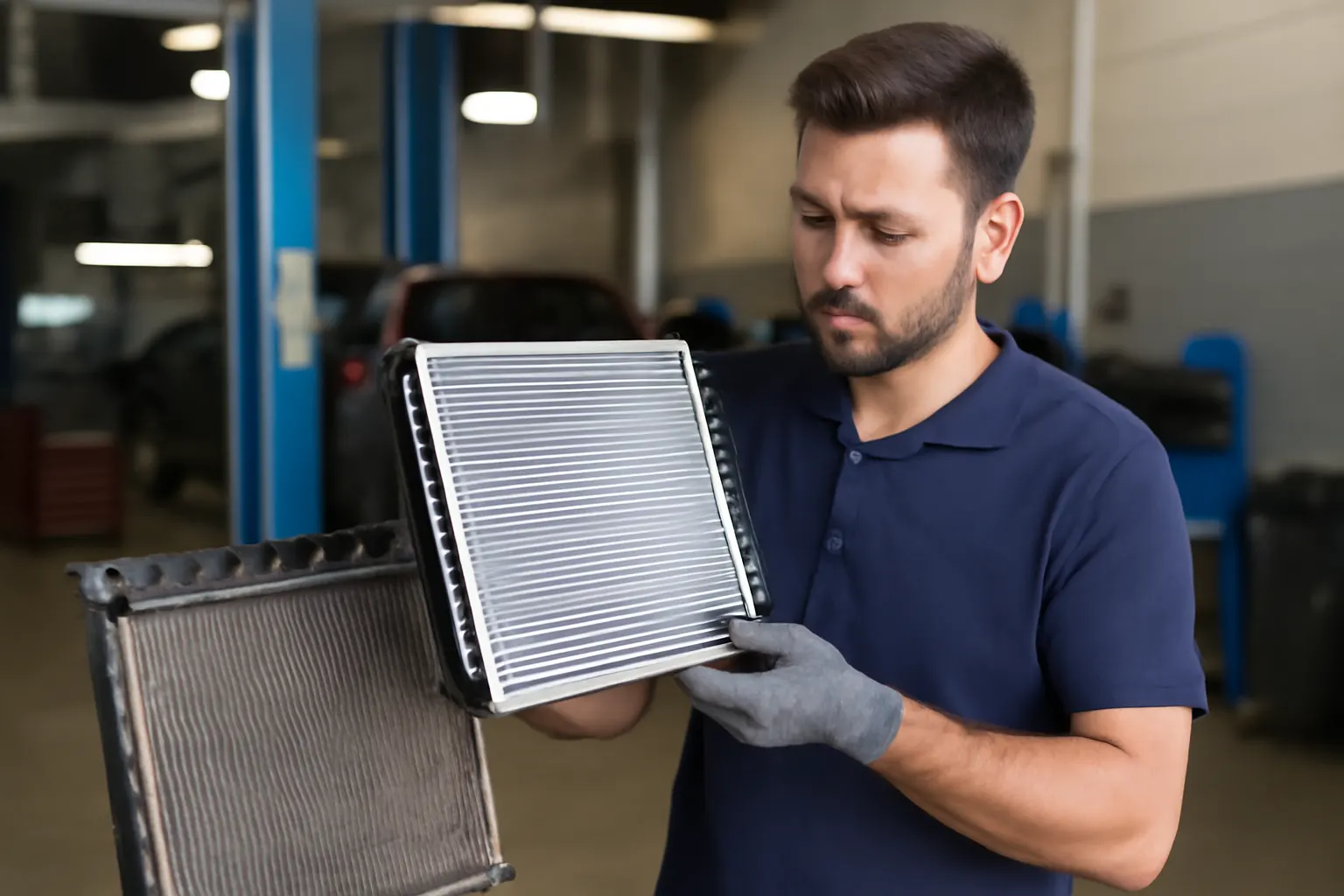
- Physical Comparison: When possible, compare new and old parts side-by-side before installation.
Sourcing Rare Daewoo Body and Trim Parts
Body panels, trim pieces, and interior components are among the hardest Daewoo parts to source in 2024. Most have not been produced for over a decade, and NOS (new old stock) inventories are extremely limited.
Where to Look
- Specialist Importers: Some companies focus exclusively on legacy Korean and GM models.
- Online Marketplaces: eBay, specialist Facebook groups, and enthusiast forums often list rare parts, but be wary of condition and authenticity.
- Salvage Yards: “U-pull” yards may still have Daewoo donors, but parts are sold as-is.
For a deeper dive, consult the Daewoo Body Parts Catalog.
Installation and Maintenance Tips for Sourced Parts
Once you’ve sourced the right Daewoo part, proper installation and maintenance are crucial for safety and longevity:
- Clean All Mating Surfaces: Remove rust, adhesives, and debris before installation.
- Use OE-Spec Torque Values: Refer to factory service manuals or technical bulletins for torque specifications.
- Replace Associated Hardware: Always use new gaskets, seals, and fasteners where available.
- Test Functionality: For electrical and safety-critical parts, perform post-installation testing (e.g., airbag system diagnostics, brake pedal feel).
- Log Maintenance: Maintain detailed service records, including supplier and part number for future reference.
Regulatory and Safety Standards: What Still Applies
Despite Daewoo’s diminished presence, all replacement parts must still comply with contemporary safety and equipment regulations. U.S. vehicles, for example, are subject to NHTSA Vehicle Safety and Equipment standards. This is especially critical for:
- Braking Systems: Pads, rotors, and hydraulic components must meet federal performance criteria.
- Lighting and Electrical: Bulbs, lenses, and wiring must conform to SAE and DOT standards.
- Airbags and Restraints: Only use components with verifiable provenance and certifications.
Failure to comply can not only endanger occupants but may also result in failed inspections or legal liability.
The Role of Technical Documentation and Community Knowledge
With official documentation scarce, Daewoo owners must increasingly rely on:
- Archived Workshop Manuals: Many are available in PDF via enthusiast forums.
- Online Technical Communities: Daewoo forums, Facebook groups, and subreddits are invaluable for real-world fitment and diagnostic advice.
- AutoPartEx Guides: Editorial resources like Daewoo Suspension & Control Arm Fitment and Daewoo Timing Belt Replacement Guide offer curated, up-to-date procedures.
AutoPartEx: Your Daewoo Sourcing Ally
AutoPartEx is committed to supporting Daewoo owners, technicians, and resellers with:
- Verified Fitment Data: Access up-to-date cross-references and technical bulletins.
- Sourcing Guidance: Navigate the best aftermarket, OEM, and used parts channels.
- Authenticity Assurance: Learn to identify genuine parts and avoid counterfeits.
- Editorial Expertise: From timing belt intervals to body parts catalogs, our guides are written by automotive professionals with real-world Daewoo experience.
Explore the full Daewoo Auto Parts: Technical Sourcing, Fitment & Authenticity | AutoPartEx category for more targeted resources.
Expert Action Plan: Staying Ahead in Daewoo Parts Sourcing
To keep your Daewoo safe, reliable, and roadworthy in 2024 and beyond, automotive professionals and owners should:
- Stay Informed: Monitor regulatory updates and technical bulletins relevant to legacy vehicles.
- Build Supplier Relationships: Cultivate contacts with specialist importers and trusted aftermarket brands.
- Document Everything: Maintain thorough records of all parts, suppliers, and installation procedures.
- Share Knowledge: Participate in Daewoo owner communities to crowdsource sourcing and fitment intelligence.
- Leverage Expert Resources: Use AutoPartEx and other technical platforms for up-to-date guides, checklists, and cross-references.
By following these practices, you can minimize downtime, avoid costly mistakes, and ensure your Daewoo continues to deliver value and reliability—even as the sourcing landscape evolves.