Advertisement
Hybrid Converter/Inverter Warning Signs: Don’t Ignore These Symptoms
Hybrid vehicles rely on the seamless operation of their high-voltage power management systems—specifically, the hybrid converter/inverter unit. When this component falters, your entire hybrid drivetrain is at risk. Recognizing the early warning signs of hybrid converter/inverter failure can save you from sudden breakdowns, costly repairs, and even safety hazards. This comprehensive guide will help you spot those symptoms, understand why they matter, and take the right steps to protect your hybrid investment.
For a foundational look at how these systems work, see our Hybrid Converter/Inverter: The Heart of High-Voltage Power Management category page.
Why You Should Never Ignore Hybrid Converter/Inverter Warning Signs
Hybrid converter/inverter units are not just another electronic box under the hood. They are critical to the safe and efficient operation of your hybrid vehicle. Ignoring early symptoms of trouble can lead to:
- Loss of electric drive power, leaving you stranded
- Damage to expensive components like the traction battery or electric motor
- Safety risks from high-voltage faults
- Unexpected repair bills that far exceed preventive maintenance costs
The converter/inverter manages the flow of high-voltage electricity between the battery and electric motor, converting DC to AC and vice versa. When it fails, the hybrid system can’t manage power delivery, regenerative braking, or even basic propulsion. That’s why understanding and addressing warning signs is essential for every hybrid owner.
The Hidden Problem: Converter/Inverter Symptoms Are Often Overlooked
Many drivers miss the early warning signs of hybrid converter/inverter failure because the symptoms can be subtle, intermittent, or easily mistaken for other issues. Commonly overlooked symptoms include:
- Intermittent warning lights
- Reduced acceleration or power
- Unusual noises or smells
- Erratic battery state-of-charge readings
Modern hybrid systems are designed to “fail safe,” but that often means the vehicle will try to limp along with reduced function before shutting down completely. By the time you get a solid “Check Hybrid System” warning, damage may already be done.
Understanding the Role of the Converter/Inverter in Hybrid Vehicles
To grasp why these warning signs matter, it’s important to understand what the hybrid converter/inverter does:
- DC/AC Conversion: Converts high-voltage DC from the battery to AC for the electric motor, and vice versa during regenerative braking.
- Voltage Regulation: Steps up or down voltage as needed for different hybrid system components.
- Thermal Management: Integrates with cooling systems to prevent overheating and maintain efficiency.
- Safety Management: Monitors for faults, leaks, or shorts, and can trigger failsafe modes or shutdowns.
A failure in any of these areas can trigger a cascade of problems, affecting your vehicle’s performance, safety, and fuel economy. For a deeper dive into the technical aspects, review the Diagnosing Hybrid Power Electronics Failures guide.
Key Warning Signs of Hybrid Converter/Inverter Problems
1. Dashboard Warning Lights
- Check Hybrid System: The most obvious sign, but often the last. This light indicates a detected fault in the high-voltage system.
- Battery Light: May signal issues with charging or power conversion.
- Multiple Warning Lights: Hybrid systems often trigger multiple lights for related issues (ABS, traction control, etc.).
2. Reduced Power or “Limp Mode”
- Loss of Electric Drive: Sudden switch to gasoline-only operation or reduced acceleration.
- Limited Top Speed: Vehicle may restrict speed to protect the system.
- Slow or Jerky Acceleration: Power delivery becomes inconsistent.
3. Unusual Noises or Smells
- Whining or Buzzing: High-pitched noises from under the hood, especially during acceleration or regenerative braking.
- Burning Smell: Could indicate overheated components, electrical shorts, or coolant leaks within the inverter assembly.
4. Erratic Battery Behavior
- Rapid Fluctuations in State-of-Charge: Battery gauge jumps or drops unexpectedly.
- Failure to Charge or Discharge Properly: Regenerative braking seems weak, or battery doesn’t recharge as expected.
5. Overheating or Cooling System Faults
- Hybrid System Overheat Warnings: Alerts specific to the inverter cooling loop.
- Coolant Leaks: Puddles under the vehicle or low coolant reservoir levels.
Advertisement
Comprehensive Checklist: Hybrid Converter/Inverter Failure Symptoms
Use this checklist to quickly assess whether your hybrid may be experiencing converter/inverter issues:
| Symptom | Description/What to Look For | Urgency |
|---|---|---|
| Check Hybrid System light | Illuminated or flashing on dash | Immediate |
| Battery or electrical warning | Any new or persistent warning lights | Immediate |
| Reduced acceleration/power | Noticeable loss of electric drive | High |
| Jerky or inconsistent drive feel | Stuttering, hesitation, poor response | High |
| Unusual noises (whine/buzz) | Especially during acceleration/brake | Medium |
| Burning or chemical smell | Particularly after heavy use | Immediate |
| Erratic battery gauge | Rapid, unexplained swings | Medium |
| Hybrid system overheat alert | Dash warning or audible alarm | Immediate |
| Coolant leaks under vehicle | Puddles, low hybrid coolant | High |
| Frequent “limp mode” activation | System restricts power repeatedly | High |
If you check off more than one of these symptoms, your hybrid’s converter/inverter may be at risk of imminent failure.
How Converter/Inverter Problems Impact Fuel Efficiency and Safety
A malfunctioning hybrid converter/inverter doesn’t just affect driveability—it also undermines the core benefits of your hybrid:
- Reduced Fuel Efficiency: Without efficient power conversion, the engine must work harder, burning more fuel (DOE Fuel Efficiency).
- Compromised Regenerative Braking: Loss of inverter function means less energy recaptured, reducing overall efficiency.
- Potential Safety Hazards: High-voltage faults can lead to electrical shorts or fires, especially if the inverter’s cooling system fails (NHTSA Equipment).
- Increased Wear on Other Components: The gasoline engine, transmission, and even the battery may suffer increased stress.
The Technical Side: What Causes Converter/Inverter Failures?
Understanding why these failures occur helps you prevent them. The most common causes include:
1. Thermal Stress and Overheating
The inverter generates significant heat during DC/AC conversion. If the dedicated cooling loop fails—due to pump issues, coolant leaks, or clogged passages—components can overheat and degrade rapidly. Modern systems are designed for thermal efficiency, but they are not immune to neglect (DOE Materials Technologies).
2. Electrical Overloads and Faults
Voltage spikes, faulty wiring, or component aging can cause insulation breakdown, shorts, or open circuits within the inverter. These faults may be intermittent at first, making them hard to diagnose.
3. Contamination and Moisture Intrusion
Hybrid inverters are sealed, but over time, gaskets can degrade, allowing moisture or contaminants inside. This can corrode sensitive electronics and cause erratic operation.
4. Component Wear and Manufacturing Defects
Capacitors, transistors, and solder joints can fail over time, especially in high-mileage hybrids. Some vehicles have known recall issues related to inverter design or manufacturing quality (NHTSA Recalls).
Diagnosing Hybrid Converter/Inverter Issues: What to Expect
Accurate diagnosis is critical. Hybrid systems are complex, and improper troubleshooting can be dangerous due to high-voltage risks. Here’s what a thorough diagnostic process should include:
Step-by-Step Diagnostic Path
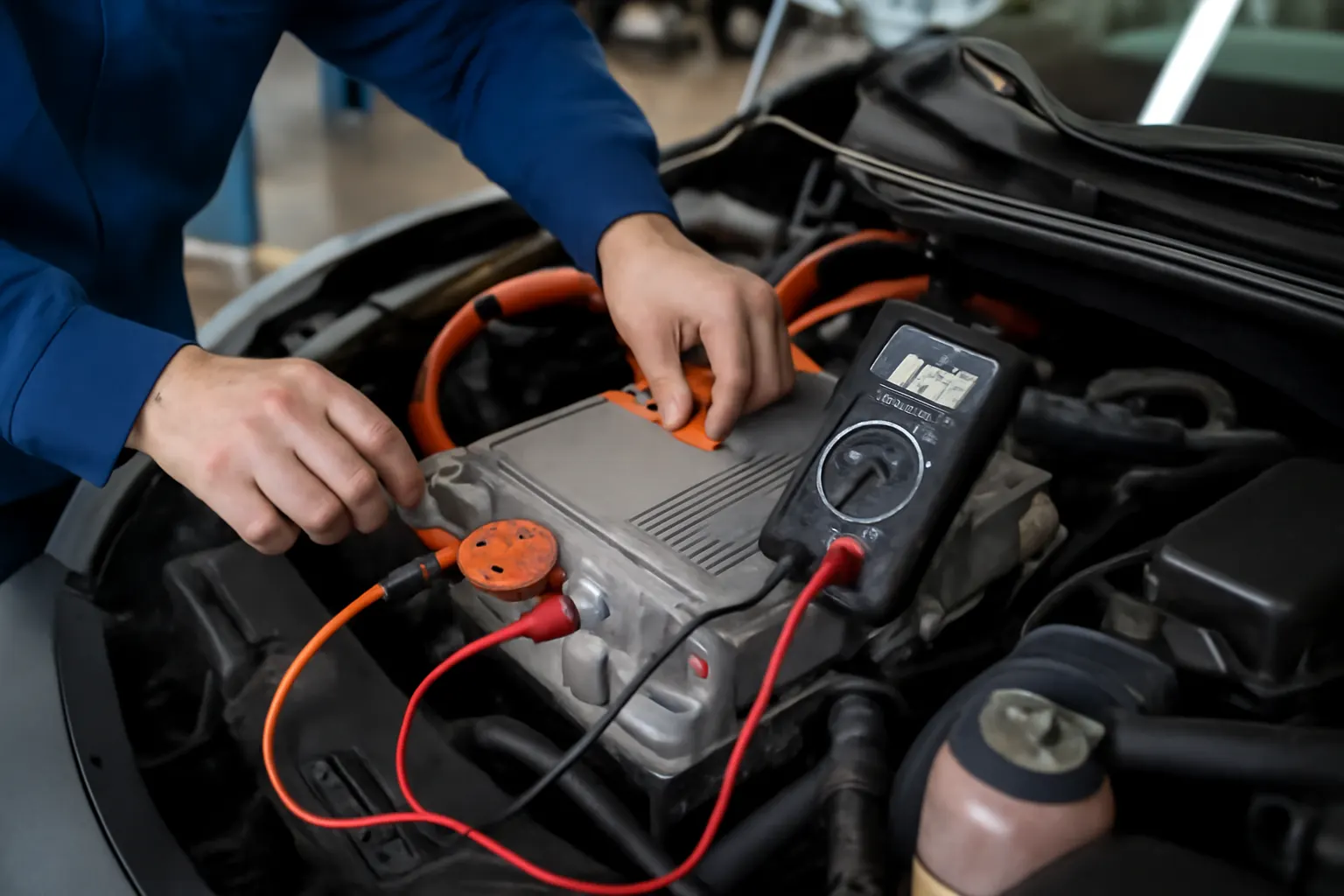
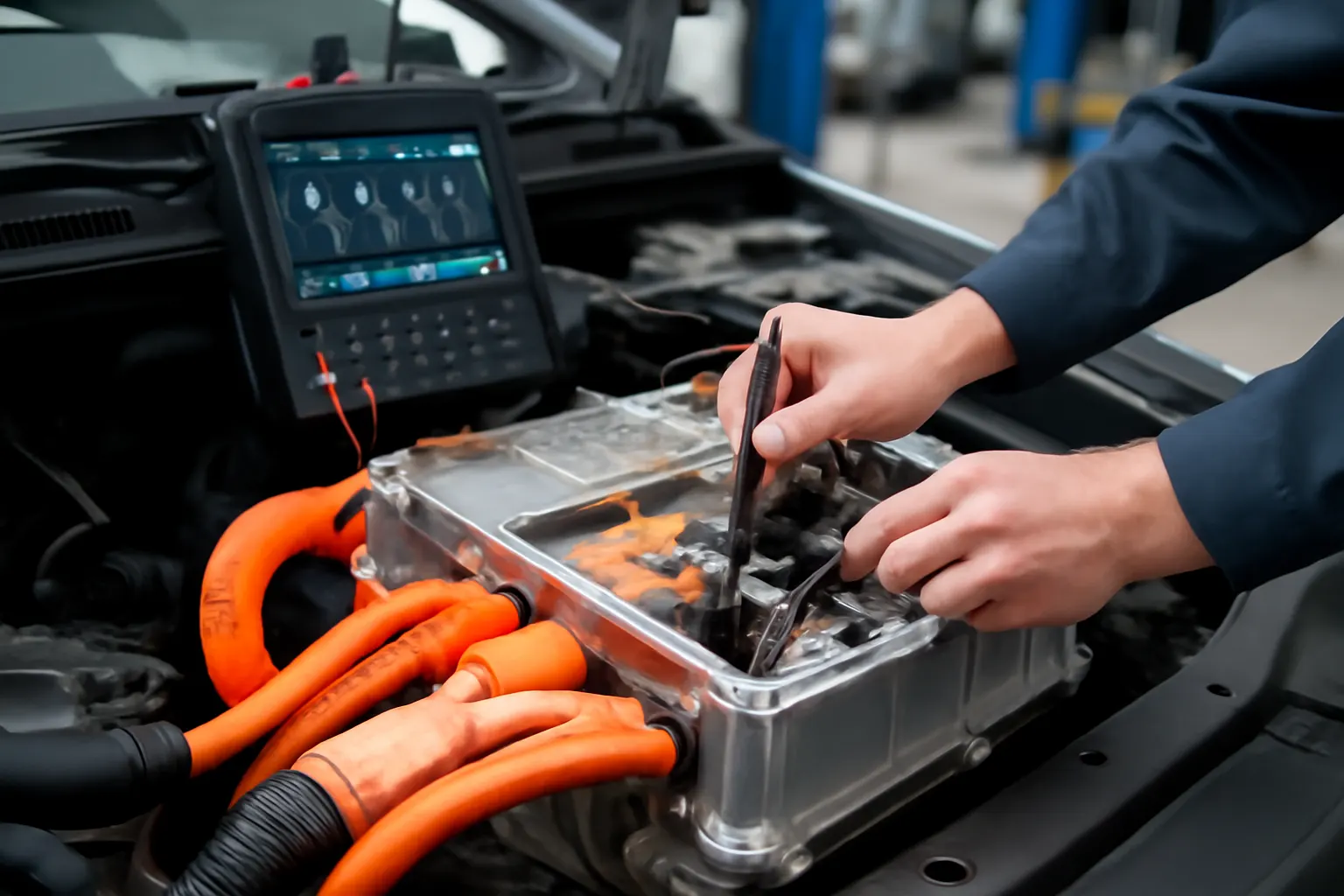
- Scan for Diagnostic Trouble Codes (DTCs): Use a hybrid-capable scan tool to read inverter, battery, and hybrid system codes.
- Inspect Warning Lights: Document all warning lights and messages, even if intermittent.
- Check Hybrid Cooling System: Inspect coolant reservoir, pumps, and lines for leaks or blockages.
- Test Electrical Connections: Look for corrosion, loose terminals, or damaged wiring at the inverter and battery.
- Monitor Battery and Drive Data: Use scan tool live data to check battery state-of-charge, inverter temperature, and power flow.
- Visual Inspection: Check for signs of overheating, burnt smells, or physical damage to the inverter assembly.
Note: Only qualified technicians with high-voltage training and PPE should perform physical inspections or repairs on hybrid inverters.
Preventive Maintenance: How to Protect Your Hybrid Converter/Inverter
Preventive care is the best way to avoid costly converter/inverter failures. Here’s how you can extend the life of your hybrid’s most vital power electronics:
Maintenance Checklist
- Regularly Check Hybrid Cooling System: Inspect coolant levels, look for leaks, and ensure the pump is operating correctly.
- Keep the Engine Bay Clean: Remove debris and check for rodent damage to wiring.
- Monitor for Warning Lights: Never ignore dashboard alerts, even if they disappear.
- Schedule Periodic Hybrid System Inspections: Have a qualified technician check the inverter, battery, and high-voltage cables at recommended intervals.
- Update Software and Firmware: Some inverter issues are resolved with manufacturer updates—check for service bulletins.
Advertisement
For more on how cooling impacts inverter life, see our article on How Cooling Systems Protect Your Hybrid Inverter.
Sourcing and Replacing a Faulty Hybrid Converter/Inverter
If your converter/inverter is diagnosed as faulty, replacement is often the only safe option. Here’s what to consider:
OEM vs. Aftermarket Inverters
- OEM (Original Equipment Manufacturer): Guaranteed fit and compatibility, but often more expensive.
- Aftermarket: May offer cost savings, but quality and warranty can vary. Always source from reputable suppliers and ensure the part meets or exceeds OEM standards.
For a detailed comparison, read OEM vs Aftermarket Hybrid Inverters: What You Need to Know.
Installation Considerations
- Professional Installation Required: High-voltage safety protocols must be followed.
- Calibration and Programming: Many hybrids require inverter programming or initialization after replacement.
- System Testing: Post-installation testing is critical to ensure safe operation and proper integration with the hybrid system.
What to Ask Your Technician or Service Provider
When facing potential inverter issues, ask your service provider these key questions:
- Are you certified to work on high-voltage hybrid systems?
- Will you perform a full diagnostic scan and cooling system check?
- Do you use OEM or high-quality aftermarket parts?
- Will you provide a warranty on the repair?
- Will you update the vehicle’s software if needed?
Choosing a shop with hybrid expertise is crucial for safety and long-term reliability.
Real-World Scenarios: Hybrid Converter/Inverter Failure in Action
Case Study 1: The Intermittent “Check Hybrid System” Light
A 2014 Toyota Prius owner reports an occasional “Check Hybrid System” warning, which disappears after restarting. The technician finds a P0A94 code (DC/DC converter performance) and traces the issue to a failing inverter water pump. Replacing the pump and flushing the cooling system restores full function, averting inverter failure.
Case Study 2: Loss of Power and Burning Smell
A 2017 Hyundai Ioniq experiences sudden loss of electric drive and a faint burning odor. Diagnostic scan reveals inverter overheating. Inspection finds a clogged inverter radiator. Cleaning the radiator and replacing the coolant resolves the issue before permanent damage occurs.
Case Study 3: Erratic Battery Behavior
A 2015 Ford Fusion Hybrid shows rapid battery gauge swings and sluggish acceleration. Hybrid scan tool shows abnormal inverter temperature readings. The inverter assembly is replaced under recall, restoring normal operation.
Hybrid Converter/Inverter Recalls: Should You Be Concerned?
Several manufacturers have issued recalls related to hybrid inverter/converter units. Common recall triggers include:
- Software bugs causing inverter shutdowns
- Cooling system failures leading to overheating
- Component defects resulting in electrical shorts
Check your vehicle’s VIN on the NHTSA Recalls database to see if your hybrid is affected. Prompt recall service can prevent breakdowns and ensure your safety.
How AutoPartEx Helps You Stay Ahead of Hybrid Power Electronics Issues
At AutoPartEx, we understand the critical role hybrid converter/inverter units play in modern vehicles. Our platform connects you with:
- Verified OEM and high-quality aftermarket hybrid inverters
- Expert guides and troubleshooting resources
- Access to certified hybrid repair professionals
- Comprehensive parts fitment databases for all major hybrid models
Whether you need a replacement part or want to understand your hybrid’s power electronics, AutoPartEx is your trusted source for reliable information and components. Explore our Hybrid Converter/Inverter: The Heart of High-Voltage Power Management page for more insights and product options.
Take Action: Don’t Wait for a Complete Hybrid Shutdown
If you notice any of the warning signs detailed above, act quickly:
- Document the symptoms: Note when they occur and under what conditions.
- Schedule a diagnostic scan: Use a hybrid-capable shop with the right tools and training.
- Address cooling system issues immediately: Overheating is the fastest way to damage an inverter.
- Don’t delay repairs: Hybrid converter/inverter failures can escalate quickly and become far more expensive.
Staying proactive with maintenance and repairs is the best way to keep your hybrid running efficiently, safely, and reliably for years to come.
References
Advertisement