
Hybrid Converter/Inverter
Hybrid Converter/Inverter: What to Know Before You Replace
Hybrid converter/inverter issues can be easily overlooked until they cause significant drivability or charging problems. Many hybrid owners are unaware of the subtle early warning signs or the complexities involved in diagnosing and replacing these crucial components. This page explores what makes hybrid converter/inverter care unique, how to approach potential problems, and the evidence-based steps you should take before making a replacement decision.
Showing 1–8 of 258 products


More Hybrid Converter/Inverter options
Filtering for Hybrid Converter/InverterBrowse nearby inventory for this category without leaving the page. Use search to filter by price, part number, or city.
No Data Available
Please check back soon when more inventory is available for this part.
Hybrid Converter/Inverter: What to Know Before You Replace
Why Hybrid Converter/Inverter Issues Deserve a Closer Look
Many hybrid vehicle owners focus on battery health or fuel economy, but the hybrid converter/inverter often escapes attention until a serious malfunction occurs. This component quietly manages the flow of high-voltage electricity between the battery and the electric motor, playing a central role in your vehicle’s performance. Overlooking its maintenance or early warning signs can lead to unexpected breakdowns, costly repairs, or even safety concerns. By understanding the importance of the converter/inverter, you place yourself in a better position to prevent avoidable issues and keep your hybrid running smoothly.
Unlike traditional vehicle systems, the hybrid converter/inverter operates under unique electrical and thermal stresses. Its failure can manifest in subtle ways, such as intermittent warning lights, reduced power, or erratic charging behavior. These symptoms are often mistaken for battery or motor problems, leading to misdiagnosis and unnecessary part replacements. Recognizing the distinct role of the converter/inverter is the first step toward effective troubleshooting and long-term vehicle health.
As hybrid technology becomes more prevalent, so does the need for informed maintenance decisions. The converter/inverter is not just another electronic module—it’s the heart of your hybrid’s power management. Ignoring its specific needs or warning signs can compromise both performance and safety. Taking the time to understand this component’s function and potential issues can save you time, money, and frustration down the road.

Understanding the Hybrid Converter/Inverter Challenge
The hybrid converter/inverter is responsible for converting direct current (DC) from the battery into alternating current (AC) for the electric motor, and vice versa during regenerative braking. This high-voltage component is exposed to constant electrical loads and must dissipate significant heat to function reliably. When it begins to fail, the symptoms can be confusing and easily misattributed to other hybrid system components. Owners often encounter warning lights, reduced acceleration, or charging irregularities without realizing the converter/inverter is the culprit.
Diagnosing a failing hybrid converter/inverter is not straightforward. Many of the symptoms overlap with those of battery degradation or electric motor issues. For instance, a sudden drop in power or unexplained warning indicators may prompt a battery replacement, only for the problem to persist. This makes it essential to consider the converter/inverter in any hybrid drivability or charging concern, especially as the vehicle ages or accumulates mileage.
The complexity of hybrid power electronics means that specialized diagnostic tools and expertise are required to accurately identify converter/inverter problems. Generic code readers may not provide sufficient detail, and improper diagnosis can lead to unnecessary part replacements or incomplete repairs. This challenge is compounded by the fact that hybrid systems are evolving rapidly, with each generation introducing new designs and failure modes.
Many hybrid owners are unaware of the maintenance requirements specific to the converter/inverter. Unlike traditional engine components, these power electronics depend on effective cooling, clean electrical connections, and periodic software updates to maintain reliability. Neglecting these factors can accelerate wear and increase the risk of sudden failure, leaving drivers stranded or facing expensive repairs.
Another layer of complexity arises from the diversity of hybrid converter/inverter designs across different manufacturers and model years. What works for one vehicle may not apply to another, making it critical to consult manufacturer-specific service information and recall databases before proceeding with repairs or replacements. This is especially true for vehicles with known converter/inverter issues or updated designs introduced in later production runs.
Finally, the cost and availability of replacement converter/inverter units can vary widely. Owners may be tempted to choose the least expensive option or a salvage part without fully understanding the implications. However, differences in part quality, compatibility, and warranty coverage can significantly affect the outcome of the repair. Informed decision-making requires a careful evaluation of all available options, supported by credible technical evidence and professional advice.
Practical Steps for Diagnosing and Replacing a Hybrid Converter/Inverter
If you suspect a problem with your hybrid converter/inverter, start by documenting all symptoms and warning lights. Note any changes in vehicle performance, charging behavior, or unusual noises. This information will be invaluable when consulting a professional or comparing repair options. Avoid jumping to conclusions based solely on dashboard indicators, as these can be triggered by a range of hybrid system faults.
Next, schedule a diagnostic appointment with a qualified hybrid technician. Ask whether the shop has experience with your specific make and model, and what diagnostic tools they use. As the FTC advises, for expensive or complicated repairs, it’s wise to seek a second opinion and request a written estimate detailing the condition to be repaired, the parts needed, and anticipated labor charges (FTC: Auto Repair Basics).
When discussing repair options, clarify whether the replacement part will be new, remanufactured, or salvage. Each has its own advantages and drawbacks. New parts typically offer the latest design improvements and manufacturer support, while remanufactured units may be more affordable but could have a shorter warranty. Salvage parts are the most budget-friendly but come with the highest risk of unknown history or hidden defects. Make sure you understand the warranty coverage and get it in writing.
If your vehicle is still under manufacturer warranty or subject to a recall, check with your dealer before authorizing any repairs. Use your 17-character VIN to search for open recalls or manufacturer campaigns related to the hybrid converter/inverter (NHTSA: Vehicle Recalls). This can save you significant out-of-pocket expense and ensure that any defect is addressed with the correct parts and procedures.
Compare the shop’s recommendations with your vehicle’s maintenance schedule as outlined in the owner’s manual. Ask why any extra service or part replacement is proposed, especially if it goes beyond the manufacturer’s guidance. This step helps you avoid unnecessary work and ensures that the repair targets the actual problem. If you’re unsure, request a completed repair order listing the work performed, parts used, and odometer readings for your records.
When selecting a replacement hybrid converter/inverter, verify compatibility with your vehicle’s year, make, and model. Don’t rely solely on catalog listings or part numbers—confirm fitment with the seller and request supporting documentation if needed. For additional guidance on comparing OEM and aftermarket options, see OEM vs Aftermarket Hybrid Inverters: What You Need to Know.
After installation, monitor your vehicle for any recurring symptoms or warning lights. A properly functioning converter/inverter should restore normal performance and eliminate related error codes. If issues persist, document them and return to the repair shop for follow-up diagnostics. In some cases, additional components such as cooling systems or wiring harnesses may require attention to ensure long-term reliability. For more on this, see How Cooling Systems Protect Your Hybrid Inverter.
Finally, keep all repair documentation and warranty information in a safe place. This will be essential if you experience future problems or need to demonstrate that the repair was performed according to manufacturer guidelines. Staying organized and informed is the best way to protect your investment in hybrid technology and avoid repeat issues with your converter/inverter.
What the Evidence Shows About Hybrid Converter/Inverter Repairs
The National Highway Traffic Safety Administration (NHTSA) provides a comprehensive process for identifying and addressing vehicle safety defects, including those related to hybrid converter/inverter units. According to NHTSA, owners can use their vehicle’s VIN to check for open recalls or safety campaigns that may affect the converter/inverter (NHTSA: Vehicle Recalls). This process is crucial because it ensures that any known defects are remedied by the manufacturer at no cost to the owner. However, the NHTSA database does not confirm that a particular vehicle is subject to a recall unless a specific VIN search shows an open campaign. Therefore, while NHTSA is an essential resource for safety information, it does not guarantee that every hybrid converter/inverter problem is covered by a recall or that all vehicles are affected equally.
NHTSA’s recall process begins with consumer complaints, which can lead to investigations and, if warranted, manufacturer recalls. This means that if you experience a converter/inverter issue, reporting it to NHTSA can contribute to broader safety oversight and potentially prompt a recall if the problem is widespread. The agency monitors recall effectiveness and requires manufacturers to notify owners and provide free remedies for safety-related defects. However, recalls are generally limited to specific production ranges, and not all hybrid converter/inverter issues result in official safety campaigns. Checking for recalls should be part of your diagnostic process, but not the sole basis for repair decisions.
The Federal Trade Commission (FTC) offers general guidance on auto repairs, emphasizing the importance of written estimates, second opinions, and clear communication with repair shops (FTC: Auto Repair Basics). For hybrid converter/inverter repairs, this advice is particularly relevant due to the complexity and cost of the component. The FTC also distinguishes between new, remanufactured, and salvage parts, advising consumers to understand the differences and get warranty terms in writing. While the FTC does not provide technical specifications or endorse specific parts, its recommendations support a careful, evidence-based approach to hybrid repairs.
The FTC’s guidance also highlights the importance of following the manufacturer’s maintenance schedule and comparing shop recommendations with official service intervals. For hybrid converter/inverter issues, this means consulting your owner’s manual and questioning any proposed repairs that exceed standard maintenance requirements. The FTC does not specify service intervals for hybrid components, so it’s up to the owner to gather information and make informed decisions. This underscores the value of seeking out shops with hybrid expertise and verifying the necessity of any recommended work.
Neither NHTSA nor FTC sources provide statistics on hybrid converter/inverter failure rates or specific case studies of successful repairs. Instead, they offer frameworks for identifying safety issues, navigating recalls, and making informed repair choices. This means that while you can rely on these agencies for process guidance and consumer protection, you must look to manufacturer service information, technical bulletins, and qualified repair professionals for vehicle-specific diagnostic and repair procedures. Always request documentation and ask for evidence supporting any diagnosis or repair recommendation.
When considering replacement parts, it’s important to recognize that catalog listings and inventory photographs—such as the example seller photograph of a Chevy Corvette hybrid converter/inverter—do not establish compatibility with your vehicle. Always confirm fitment with the seller and request supporting documentation, especially if purchasing from a third-party or online source. Misordered parts can lead to delays, additional costs, and potential safety risks if the wrong component is installed. Use catalog resources as a starting point, but verify every detail before committing to a purchase.
Finally, the absence of a standard warranty on repairs means that consumers must be proactive in understanding their rights and responsibilities. The FTC explicitly states that there is no universal warranty on auto repairs, so it’s essential to get all coverage terms in writing and keep detailed records of the work performed. This is particularly important for hybrid converter/inverter replacements, which can be expensive and may involve multiple components or systems. By following these evidence-based steps, you can minimize risk and maximize the reliability of your hybrid vehicle.
Take the Next Step Toward Reliable Hybrid Power
If you suspect an issue with your hybrid converter/inverter, don’t wait for a breakdown. Start by documenting your symptoms, checking for recalls, and consulting a qualified hybrid technician. Use the resources linked throughout this page for further guidance on diagnostics, part selection, and warranty considerations. Taking an informed, evidence-based approach will help you resolve converter/inverter issues efficiently and protect your investment in hybrid technology.
References
- NHTSA: Vehicle Recalls
- FTC: Auto Repair Basics
References
- NHTSA: Vehicle Recalls - NHTSA, accessed 2026-11-01
- FTC: Auto Repair Basics - FTC, accessed 2026-11-01
Related Guides & Articles

Diagnosing Hybrid Power Electronics Failures
Hybrid vehicles rely on high-voltage converter/inverter systems to manage energy flow between the battery, electric motor, and internal combustion engine. When these power electronics fail, symptoms can range from subtle drivability issues to complete loss of propulsion. This guide provides a detailed, step-by-step approach to diagnosing failures in hybrid converter/inverter assemblies—including thermal, electrical, and communication faults—so you can safely restore performance and ensure long-term reliability.
View Guide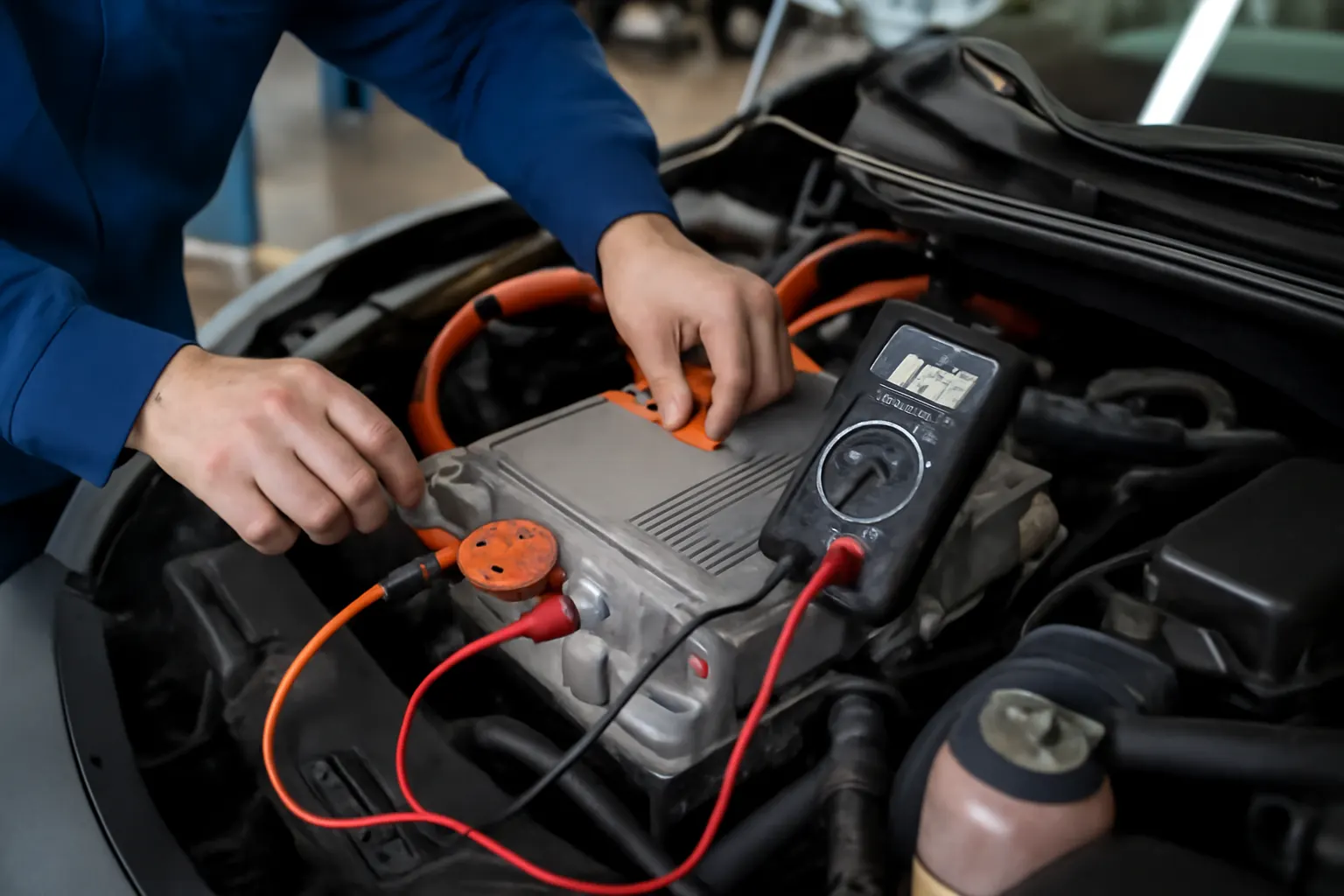
How Cooling Systems Protect Your Hybrid Inverter
When it comes to hybrid vehicles, the converter/inverter unit is the nerve center of high-voltage power management, enabling both propulsion and energy regeneration. But what’s often overlooked is the crucial role that cooling systems play in safeguarding this sophisticated component. Without effective thermal management, even the most advanced hybrid converter/inverter can suffer catastrophic failure, diminished efficiency, or a dramatically shortened lifespan.
Read More
OEM vs Aftermarket Hybrid Inverters: What You Need to Know
Choosing between an OEM (Original Equipment Manufacturer) and an aftermarket hybrid inverter is a critical decision for any hybrid vehicle owner or technician. The hybrid converter/inverter is the heart of high-voltage power management, translating battery DC power into AC for the electric motor and, in many cases, managing charging and regenerative braking. Understanding the pros, cons, and technical nuances of OEM versus aftermarket options is essential for safe, reliable hybrid performance.
View Guide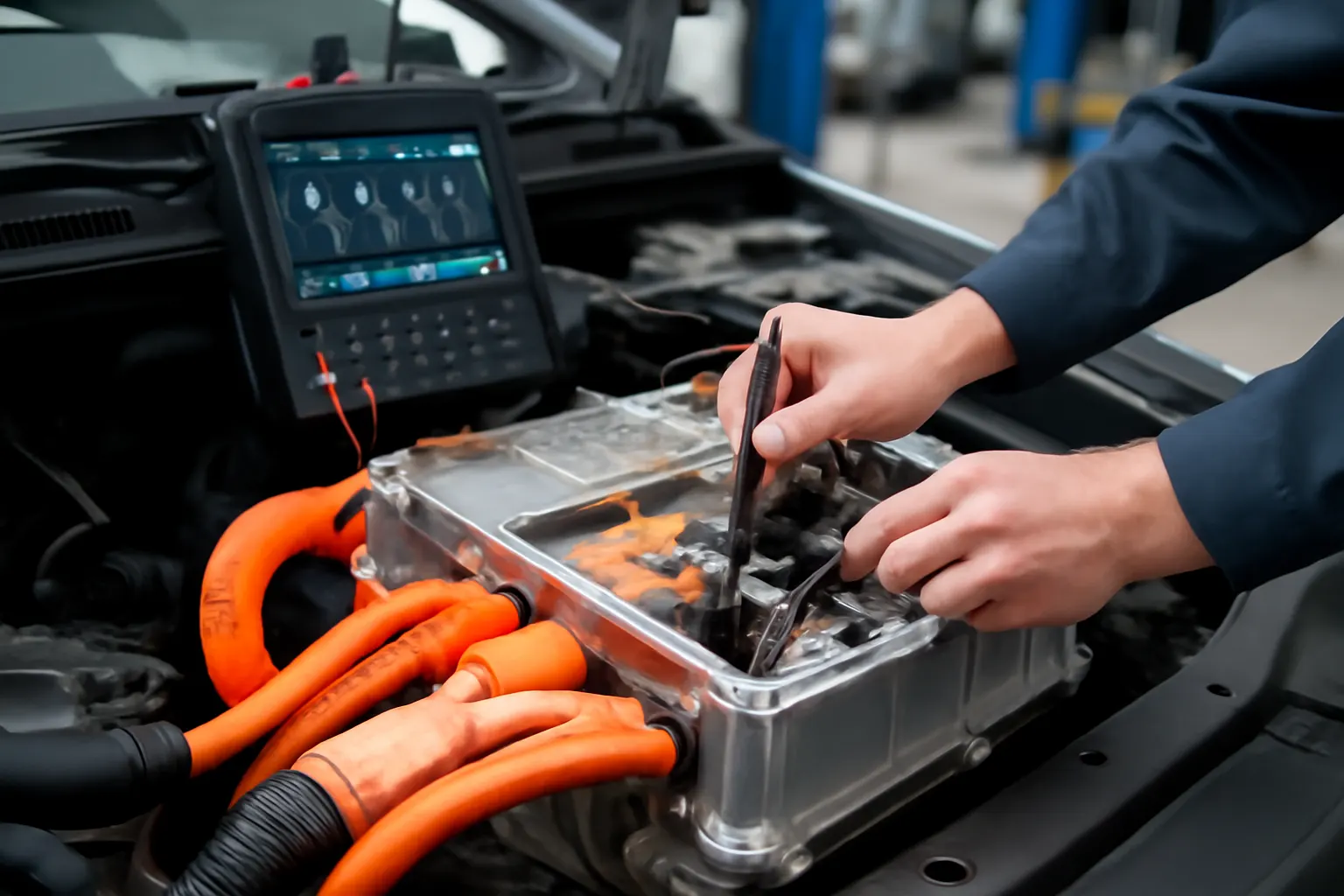
Hybrid Converter/Inverter Warning Signs: Don’t Ignore These Symptoms
Hybrid vehicles rely on the seamless operation of their high-voltage power management systems—specifically, the hybrid converter/inverter unit. When this component falters, your entire hybrid drivetrain is at risk. Recognizing the early warning signs of hybrid converter/inverter failure can save you from sudden breakdowns, costly repairs, and even safety hazards. This comprehensive guide will help you spot those symptoms, understand why they matter, and take the right steps to protect your hybrid investment.
Read More