
Advertisement
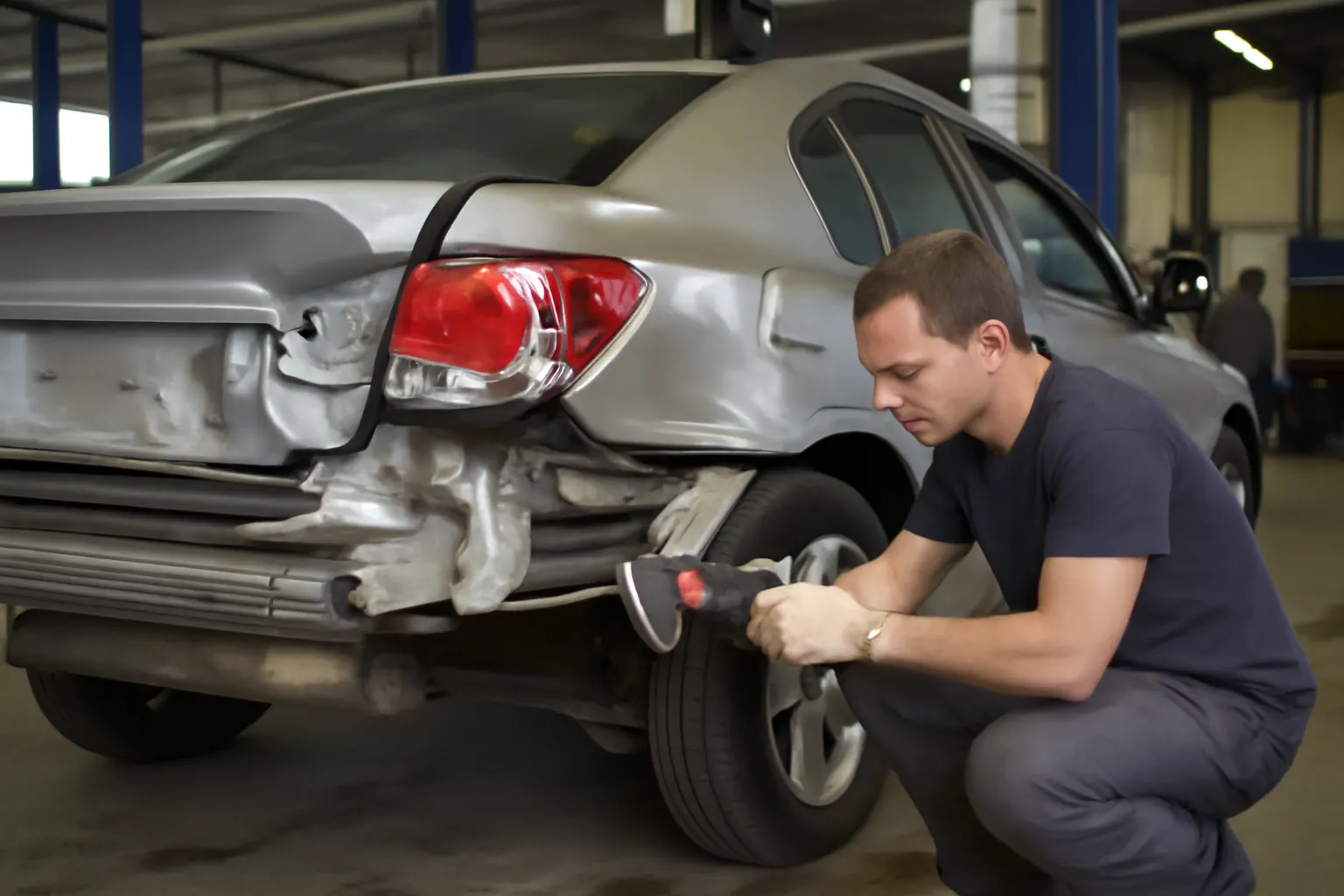
Rear body panel damage is one of the most overlooked yet critical factors influencing the resale value of any vehicle. Whether you’re buying, selling, or repairing, understanding the true impact of rear body panel repairs is essential for protecting your investment and ensuring safety. This article from the AutoPartEx Technical Editorial Team delivers immediate, practical answers on how rear body panel damage affects vehicle value, uncovers hidden pitfalls in restoration quality, and provides a deep technical roadmap for buyers, sellers, and repair professionals.
If you’re seeking foundational knowledge about what the rear body panel is and why it matters, see our Rear Body Panel: Structural Backbone and Collision Repair Reference for a detailed primer.
The Immediate Answer: Why Rear Body Panel Damage Matters to Vehicle Value
Rear body panels are not just cosmetic surfaces—they’re structural components that influence vehicle integrity, occupant safety, and long-term durability. When a vehicle has experienced rear-end damage, even minor-looking repairs can have a measurable effect on resale value. Diminished value comes from concerns over structural soundness, quality of repair, and the likelihood of future issues such as corrosion or alignment problems.
Key points:
- Structural role: Rear body panels contribute to crash energy absorption and overall frame rigidity.
- Market perception: Buyers and dealers routinely discount vehicles with prior rear-end repairs, fearing hidden damage or poor-quality restoration.
- Insurance and history reports: Accident and repair history is easily traceable, further affecting trade-in and private sale value.
The Hidden Problem: Not All Repairs Are Equal
While many rear body panel repairs look flawless at first glance, substandard restoration methods can leave hidden weaknesses that compromise the vehicle’s value and safety. Unseen issues—such as improper welding, use of incorrect materials, or misalignment—can lead to major complications down the line.
Common hidden problems:
- Inadequate corrosion protection leading to rust.
- Use of non-OEM (Original Equipment Manufacturer) panels that may not match factory fitment or strength.
- Missed or poorly executed welds and seam sealants.
- Misalignment of trunk, tail lamps, or bumper covers, resulting in water leaks or uneven gaps.
Rear Body Panel: Structural and Safety Fundamentals
The rear body panel forms a critical part of a vehicle’s unibody or frame structure. According to the United States Department of Energy, modern panels are engineered from advanced high-strength steels, aluminum alloys, or composite materials to maximize strength while minimizing weight.
Functions of the rear body panel:
- Crash energy management: Absorbs and redirects impact forces in rear-end collisions.
- Structural integrity: Maintains vehicle geometry and alignment.
- Mounting point: Supports tail lamps, trunk latches, bumpers, and rear sensors.
A compromised rear body panel can affect not just the vehicle’s appearance, but also its ability to protect occupants and retain proper handling characteristics.
How Rear Body Panel Damage is Detected and Evaluated
Both buyers and appraisers use a combination of visual inspection, diagnostic tools, and vehicle history reports to assess the impact of rear-end damage.
Key evaluation steps:
- Visual inspection: Look for paint mismatches, uneven panel gaps, or visible weld marks inside the trunk.
- Panel alignment: Check trunk lid, taillights, and bumper cover for even fit and closure.
- Diagnostic scans: Modern vehicles can store crash event data or trigger fault codes if sensors are disturbed.
- History reports: Services like Carfax or AutoCheck reveal prior damage and repair records.
- Professional appraisal: Certified inspectors use paint thickness gauges, frame measurement tools, and corrosion checks to uncover hidden flaws.
Tip: Even if the repair appears perfect, a detailed inspection is critical. Small clues—like overspray or non-factory seam sealer—often reveal deeper issues.
The Impact on Vehicle Value: Diminished Value Explained
Diminished value is the reduction in a vehicle’s market value after it has been damaged and repaired. For rear body panel repairs, the effect can be pronounced due to the structural and safety implications.
Three primary types of diminished value:
- Immediate diminished value: The difference between pre-accident and post-repair value, regardless of repair quality.
- Inherent diminished value: Stigma attached to any vehicle with a recorded accident, even if repairs are flawless.
- Repair-related diminished value: Additional loss resulting from poor repair quality, use of non-OEM parts, or evident misalignment.
Industry estimates: On average, vehicles with rear-end collision history can lose 10-30% of their resale value, depending on severity and repair quality. Luxury vehicles and newer models tend to experience higher losses.
Advertisement
Quality Restoration: What to Look For in Rear Body Panel Repair
A high-quality rear body panel repair goes beyond aesthetics. It restores the vehicle to its original structural and safety specifications, using proper materials, equipment, and techniques.
Checklist: Signs of a Quality Rear Body Panel Repair
| Quality Factor | What to Look For | Why It Matters |
|---|---|---|
| OEM or certified parts | Factory-matched panels, not generic replacements | Ensures correct fit/strength |
| Proper welds | Clean spot welds or factory-style seam welds | Maintains structural integrity |
| Seam sealing | Neat, continuous seam sealer application | Prevents moisture/rust |
| Paint finish | Color matches adjacent panels, no overspray | Preserves appearance/value |
| Panel alignment | Even gaps, flush fitment, trunk and lights align | Avoids leaks, trunk issues |
| Corrosion protection | Undercoating or cavity wax inside seams | Long-term durability |
| Documentation | Detailed repair invoices, photos, and part numbers | Supports resale confidence |
Pro tip: Always request before-and-after photos and documentation from the body shop.
The Role of Materials and Modern Repair Techniques
Recent advances in automotive materials technology, as covered by the U.S. Department of Energy, have introduced high-strength steels, aluminum, and composites into rear body panel construction. These materials require specific repair techniques:
- High-strength steel: Needs precise spot welding or MIG welding; improper repair can weaken the structure.
- Aluminum panels: Require dedicated tools and clean-room environments to prevent galvanic corrosion.
- Composites: Often need bonding agents rather than traditional welding; improper repair can lead to delamination.
Why this matters: A shop lacking the right equipment or training may compromise safety and value. Always verify that your repair facility is certified for your vehicle’s materials.
Common Pitfalls in Rear Body Panel Repairs
Even reputable shops can make mistakes that haunt a vehicle’s future value. The most frequent pitfalls include:
- Use of aftermarket or recycled panels: These may not meet OEM standards for fit, finish, or crash performance.
- Skipped corrosion protection: Rushed repairs often omit cavity wax or seam sealant, accelerating future rust.
- Misalignment: Even a few millimeters of misalignment can cause trunk leaks, wiring harness strain, or sensor malfunction.
- Non-factory welding: Incorrect weld spacing or technique can reduce crashworthiness.
Case study: Vehicles with visible weld burns inside the trunk or uneven trunk closure often see a 15% or higher reduction in appraised value.
Diagnostic Checklist: Evaluating Rear Body Panel Repairs
When considering a vehicle with prior rear body panel repairs (or assessing your own), use this step-by-step checklist:
Rear Body Panel Repair Evaluation Checklist
- Inspect panel gaps: Check for symmetry between left and right sides of the trunk, taillights, and bumper.
- Open trunk and examine welds: Look for factory-style spot welds, not messy beads or missing welds.
- Check for seam sealer: Factory repairs use uniform, continuous seam sealer; excessive or uneven application signals aftermarket work.
- Examine paint: Inspect for color mismatch, overspray inside trunk, or paint edges that don’t match OEM finish.
- Test trunk function: Ensure trunk opens, closes, and latches smoothly—no binding or extra force needed.
- Look for corrosion: Check inside seams for early signs of rust or bubbling paint.
- Review repair documentation: Ask for invoices, part numbers, and before/after photos.
- Scan for fault codes: Request a diagnostic scan for crash event data or sensor errors.
If any red flags appear, request a professional inspection or negotiate a lower price.
Corrosion: The Silent Value Killer
Corrosion is the most insidious long-term risk after rear body panel damage. Even a perfectly aligned and painted panel can develop rust if internal seams or welds weren’t properly protected. According to NHTSA, corrosion can compromise both safety and resale value by weakening critical structures and causing visible cosmetic deterioration.
Preventing and Addressing Corrosion
- Cavity wax and sealants: Insist on these protections during any rear body panel repair.
- Annual inspections: Check trunk seams and hidden areas for early rust.
- Prompt correction: At the first sign of bubbling paint or surface rust, address the issue before it spreads.
For more on this topic, see our editorial guide on Corrosion Prevention in Rear Body Repairs.
OEM vs. Aftermarket vs. Recycled Panels: Value Implications
The type of replacement panel used can have a major impact on both repair quality and future value.
Advertisement
- OEM panels: Manufactured to original specifications, ensuring correct fit, crash performance, and corrosion resistance.
- Aftermarket panels: Less expensive, but may not meet the same standards for material thickness, coating, or fitment.
- Recycled panels: Can be high-quality if sourced from undamaged vehicles, but risk hidden flaws or corrosion.
Resale impact: Vehicles repaired with OEM panels and documented procedures retain the most value. Use of aftermarket or recycled panels may result in a lower appraised value and greater buyer skepticism.
For rare or classic vehicles, sourcing the correct panel can be challenging. Our guide to Sourcing OEM Rear Body Panels for Rare Vehicles covers this in detail.
The Role of Vehicle Safety Standards and Recalls
Rear body panel repairs must comply with federal safety standards to ensure crashworthiness. The National Highway Traffic Safety Administration (NHTSA) maintains rigorous guidelines for structural repairs and replacement parts. Failure to follow these standards can result in:
- Compromised crash energy absorption.
- Faulty sensor alignment (impacting airbags or rear collision detection).
- Increased risk of injury in subsequent accidents.
Recall implications: If a vehicle has a rear body panel-related recall, improper repairs may void the recall remedy or create additional liability. Always check for outstanding recalls after any collision repair.
The Buyer’s Perspective: How to Assess and Negotiate
If you’re considering purchasing a vehicle with a prior rear body panel repair, take these steps to protect your interests:
- Request full disclosure: Ask the seller for all repair documentation and photos.
- Inspect in daylight: Subtle panel mismatches and paint defects are easier to spot in natural light.
- Hire a professional inspector: A third-party expert can identify hidden flaws and estimate true value loss.
- Negotiate price: Use evidence of prior repairs to seek a fair discount, reflecting both diminished value and potential future issues.
- Get a written warranty: If buying from a dealer, insist on a warranty covering the repaired area for corrosion and fitment.
Advertisement
The Seller’s Perspective: Maximizing Value After Rear Body Panel Repair
If you’re selling a vehicle that has undergone rear body panel repair, transparency and documentation are your best tools for maximizing value.
Steps to Take:
- Gather documentation: Collect all repair invoices, OEM part receipts, and photos.
- Highlight quality: Emphasize use of OEM panels, certified repair facilities, and compliance with safety standards.
- Offer inspection: Allow potential buyers to bring their own inspector or appraiser.
- Disclose up front: Being proactive about repair history builds trust and can prevent deal-breaking surprises later.
Professional Repair Path: Ensuring Quality and Value Retention
If you’re facing a rear body panel repair, insist on the following to retain maximum vehicle value:
- Choose a certified body shop: Look for shops with manufacturer certifications and experience with your vehicle’s materials (steel, aluminum, composite).
- Demand OEM or certified panels: Avoid generic aftermarket panels for structural repairs.
- Require documentation: Get detailed invoices, photos, and a written warranty for all work performed.
- Inspect before accepting: Review the finished repair for alignment, paint match, and corrosion protection before final payment.
For a step-by-step guide to professional panel replacement, see Rear Collision Repair: Step-by-Step Panel Replacement.
Advanced Diagnostics: The Role of Modern Technology in Rear Body Panel Assessment
Today’s vehicles are equipped with advanced diagnostic systems that can detect even minor disturbances from a rear-end impact. These systems may log crash event data, sensor alignment errors, or trigger warning lights if sensors are disturbed during repair.
Key Diagnostic Tools:
- Paint thickness gauges: Reveal prior repainting or filler use.
- Computerized frame measurement: Detects even slight misalignments invisible to the naked eye.
- OBD-II scanners: Check for stored crash event codes or sensor malfunctions.
- Thermal imaging: Can reveal hidden moisture or corrosion in seams.
Expert tip: Always request a post-repair diagnostic scan when taking delivery of a vehicle after rear body panel work.
AutoPartEx Positioning: Trusted Source for Rear Body Panel Guidance
At AutoPartEx, we specialize in providing in-depth, technically accurate information for automotive professionals, enthusiasts, and everyday drivers. Our editorial team draws on industry standards, verified government sources, and direct repair experience to help you make informed decisions about rear body panel repairs, sourcing, and value protection.
For comprehensive guides, sourcing tips, and technical resources, explore our Rear Body Panel: Structural Backbone and Collision Repair Reference and related editorial content throughout our platform.
Conclusion: Protecting Your Investment and Safety
Rear body panel damage is more than skin deep—it can influence your vehicle’s safety, structural integrity, and long-term value. Whether you’re buying, selling, or repairing, insist on quality, transparency, and proper documentation. Use the checklists and resources in this guide to safeguard your investment and ensure your vehicle remains safe, reliable, and valuable for years to come.
References
Advertisement
