
Rear Body Panel
Rear Body Panel Replacement: Considerations for Buyers and Owners
Rear body panel issues are often overlooked until they affect vehicle function or value. Whether you’re considering a replacement after a collision or restoring an older model, understanding the nuances of rear body panel selection and repair can help you avoid costly missteps. This guide highlights specific considerations, evidence-based advice, and practical steps for anyone facing a rear body panel decision.
Showing 1–8 of 31 products


More Rear Body Panel options
Filtering for Rear Body PanelBrowse nearby inventory for this category without leaving the page. Use search to filter by price, part number, or city.
No Data Available
Please check back soon when more inventory is available for this part.
Rear Body Panel Replacement: Considerations for Buyers and Owners
Why Rear Body Panels Deserve Closer Attention
Rear body panels are not just cosmetic elements—they play a crucial role in the structural integrity of your vehicle. Many owners and repair buyers only notice rear body panel issues after a collision or when rust becomes visible. However, subtle misalignments or hidden corrosion can go undetected for years, potentially compromising safety and resale value. The rear body panel’s function as a mounting point for lights, bumpers, and trunk components means that even minor damage can have ripple effects throughout the vehicle.
It’s common to focus on more visible or urgent repairs, such as engine or brake issues, while overlooking the rear body panel. Yet, neglecting this component can lead to more extensive repairs down the line. For example, water leaks, trunk misalignment, or premature tire wear can sometimes be traced back to an improperly installed or damaged rear body panel. These issues may not be immediately apparent but can significantly affect your driving experience and maintenance costs over time.
Buyers and owners should also be aware that rear body panel repairs and replacements are not always straightforward. The process often involves welding, precise alignment, and careful corrosion prevention. Sourcing the correct panel—especially for older or rare vehicles—requires more than a simple catalog lookup. Understanding these overlooked factors can help you make better decisions, whether you’re repairing collision damage or upgrading your vehicle’s appearance.

Understanding Rear Body Panel Issues and Their Impact
Rear body panel problems can arise from a variety of sources, including rear-end collisions, minor parking lot bumps, or gradual rust development. Unlike front-end damage, which often receives immediate attention due to its impact on drivability, rear body panel issues may go unnoticed until they compromise the trunk, lighting, or bumper attachment points. This delayed recognition can result in more costly repairs and even affect the vehicle’s frame alignment if not addressed promptly.
The structural role of the rear body panel is often underestimated. It not only supports external components but also contributes to the vehicle’s crashworthiness. When damaged, the panel may no longer absorb impact forces as designed, potentially increasing the risk of injury in subsequent collisions. Additionally, a compromised rear body panel can allow moisture to enter the trunk or cabin, accelerating corrosion and leading to electrical problems with rear lighting systems.
Another overlooked aspect is the effect of rear body panel damage on vehicle value. Even minor dents or rust spots can reduce resale value, as prospective buyers may view them as signs of neglect or hidden structural problems. In some cases, insurance companies may classify a vehicle as a total loss based on the cost of rear body panel replacement, especially if the damage extends to adjacent frame rails or suspension mounting points.
Repair complexity is a significant consideration. Unlike bolt-on parts, rear body panels are often welded or bonded to the vehicle’s structure. This means that repairs require specialized tools and skills, and improper installation can result in misaligned panels, poor fitment of trunk lids or tail lights, and ongoing water leaks. The need for precise alignment and corrosion protection adds to the challenge, making DIY repairs risky for those without experience.
Sourcing the correct rear body panel can also be a challenge, particularly for older or less common vehicles. Salvage panels may be available, but their condition and compatibility must be carefully verified. New panels, whether OEM or aftermarket, can vary in quality and fit. Buyers should be prepared to compare options and ask for evidence of compatibility before committing to a purchase. This is especially important for vehicles with unique trim packages or limited production runs.
Finally, the regulatory and safety implications of rear body panel repairs should not be overlooked. In the United States, safety recalls related to structural components are tracked by the National Highway Traffic Safety Administration (NHTSA). While not all rear body panel issues are subject to recall, it is important for owners to check for open recalls using their vehicle identification number (VIN) before proceeding with repairs. This step can help ensure that any safety-related defects are addressed as part of the repair process.
Practical Steps for Rear Body Panel Selection and Repair
When facing rear body panel damage, the first step is a thorough inspection. Look for visible dents, rust, or misalignment, but also check for subtle signs such as water intrusion in the trunk, uneven gaps around the tail lights, or difficulty closing the trunk lid. These symptoms can indicate underlying structural issues that may not be immediately apparent. If possible, have a qualified technician assess the damage to determine the full extent of the problem.
Next, gather detailed information about your vehicle, including the year, make, model, and trim level. This information is critical when sourcing a replacement panel, as even small differences between model years or trim packages can affect fitment. Use your vehicle’s VIN to verify compatibility when searching for parts, and request photographs or measurements from the seller if purchasing a salvage or used panel. This extra step can prevent costly mistakes and ensure a proper fit.
Consider the type of replacement panel that best suits your needs. New OEM panels are typically the most reliable in terms of fit and finish but can be expensive and may not be available for older models. Aftermarket panels offer a more affordable option but vary in quality. Salvage panels, sourced from dismantled vehicles, can provide an OEM fit at a lower cost but require careful inspection for hidden damage or corrosion. Ask the seller for a written description of the panel’s condition and any warranty or return policy.
Obtain a written repair estimate from your chosen shop, as recommended by the Federal Trade Commission (FTC). The estimate should detail the condition to be repaired, the parts required, and the anticipated labor charges. For complex repairs, such as those involving welding or frame alignment, consider seeking a second opinion to ensure the proposed solution is appropriate. Confirm that the technicians have experience with your specific vehicle make and model, as rear body panel repairs can vary significantly between manufacturers.
During the repair process, insist on proper corrosion prevention measures. This includes the use of rust-inhibiting primers, seam sealers, and undercoating where appropriate. Improper or incomplete corrosion protection can lead to premature rust and compromise the longevity of the repair. Ask your repair shop about their procedures and request documentation of the materials used. This step is especially important if you live in a region with harsh winters or frequent road salt exposure.
After the repair is completed, review the final repair order to ensure all agreed-upon work was performed. The repair order should list the parts used, labor performed, and the vehicle’s odometer reading at the time of service. Retain this documentation for your records, as it can be valuable when selling the vehicle or addressing future warranty claims. If you notice any issues with panel alignment, trunk operation, or water leaks after the repair, return to the shop promptly for adjustments.
For those considering DIY rear body panel replacement, be aware that this is a complex task requiring specialized tools and skills. Welding, panel alignment, and corrosion protection are best handled by professionals unless you have significant experience with automotive bodywork. If you choose to proceed on your own, consult detailed repair guides and consider practicing on a spare panel before working on your vehicle. Always prioritize safety and consult a professional if you encounter unexpected challenges.
Finally, check for any open recalls related to your vehicle’s structure or rear body panel before beginning repairs. Use the NHTSA VIN lookup tool to identify unresolved safety recalls. Addressing these issues as part of your repair can save time and ensure your vehicle meets current safety standards. If your vehicle is subject to a recall, contact the manufacturer or authorized dealer for guidance on the appropriate remedy.
Published Evidence and Guidance for Rear Body Panel Repairs
The Federal Trade Commission (FTC) provides clear guidance for consumers navigating auto repairs, emphasizing the importance of obtaining a written repair estimate and understanding the nature of replacement parts. According to the FTC, it is essential to identify the specific condition to be repaired, the parts needed, and the anticipated labor charges before authorizing any work. This advice is particularly relevant for rear body panel repairs, which often involve complex labor and a range of part options, including new, remanufactured, and salvage panels. The FTC also recommends asking whether the technician has experience with your vehicle’s make and model, as this can affect the quality of the repair. These recommendations are general consumer protections and do not guarantee that a particular panel or repair will meet your needs, but they provide a solid framework for making informed decisions FTC: Auto Repair Basics.
The FTC further distinguishes between new, remanufactured, and salvage parts, noting that salvage parts are taken from another vehicle without alteration. This distinction is critical when sourcing a rear body panel, as the origin and condition of the panel can affect both fitment and longevity. Buyers are advised to request a completed repair order listing the work performed, parts used, and associated costs. While the FTC does not provide vehicle-specific technical specifications, its guidance supports the practice of thorough documentation and comparison shopping, which is especially important when dealing with structural components like rear body panels FTC: Auto Repair Basics.
The National Highway Traffic Safety Administration (NHTSA) offers a robust recall lookup tool that allows vehicle owners to check for open recalls using their VIN. This tool is particularly useful for identifying safety-related defects that may affect the rear body panel or related structural components. According to NHTSA, manufacturers are required to notify owners of safety recalls and provide remedies such as repair, replacement, or refund. However, the presence of a recall in the database does not guarantee that your specific vehicle is affected; only a VIN-specific search can confirm this. The NHTSA database also tracks complaints, investigations, and recall management, providing transparency and accountability in the repair process NHTSA: Vehicle Recalls.
NHTSA’s recall process involves several stages, from complaint screening to investigation and recall management. Owners are encouraged to report safety problems and check for recalls twice a year. The recall process ensures that manufacturers address safety-related defects, including those involving structural components like rear body panels. However, not all issues with rear body panels will result in a recall, and many repairs will fall outside the scope of NHTSA oversight. This underscores the importance of proactive inspection and maintenance by owners and repair professionals NHTSA: Vehicle Recalls.
While neither the FTC nor NHTSA provides specific technical procedures for rear body panel replacement, their published guidance establishes the importance of documentation, transparency, and consumer rights in the repair process. For example, the FTC advises consumers to compare shop recommendations with the manufacturer’s maintenance schedule and to question any extra services proposed. This approach can help prevent unnecessary repairs and ensure that rear body panel replacements are justified and performed to a high standard FTC: Auto Repair Basics.
The NHTSA also clarifies that recall information is updated continuously, and not all safety recalls will be immediately visible in the database. Owners are advised to check regularly and to register their vehicles to receive recall notifications. This ongoing vigilance is particularly important for structural repairs, as new recalls or safety advisories may be issued after a repair is completed. By staying informed and acting promptly on recall notices, owners can help ensure the long-term safety and integrity of their vehicles NHTSA: Vehicle Recalls.
In summary, the evidence from FTC and NHTSA publications supports a careful, documented approach to rear body panel repair and replacement. While these sources do not provide vehicle-specific technical data or endorse particular products, they establish best practices for consumer protection, recall awareness, and repair documentation. By following these guidelines, buyers and owners can navigate the complexities of rear body panel repairs with greater confidence and ensure that their vehicles remain safe and reliable.
Take the Next Step in Rear Body Panel Repair
If you’re considering a rear body panel replacement or repair, start by gathering detailed information about your vehicle and reviewing the published guidance from trusted sources. Use the NHTSA VIN lookup tool to check for open recalls, and request a written estimate and documentation from your repair shop. For more in-depth guidance, explore our resources on rear collision repair, corrosion prevention, and sourcing OEM panels. Taking these steps will help you make an informed decision and protect your investment.
References
- NHTSA: Vehicle Recalls
- FTC: Auto Repair Basics
References
- NHTSA: Vehicle Recalls - NHTSA, accessed 2026-11-01
- FTC: Auto Repair Basics - FTC, accessed 2026-11-01
Related Guides & Articles

Rear Collision Repair: Step-by-Step Panel Replacement
Rear-end collisions are among the most common automotive incidents, often resulting in significant damage to the rear body panel—the structural backbone of your vehicle’s rear section. If you're facing the aftermath of such an accident, this comprehensive AutoPartEx guide delivers a clear, step-by-step process for rear body panel replacement. We’ll cover everything from initial assessment and safe removal to precision alignment, advanced welding, and modern corrosion protection techniques.
View Guide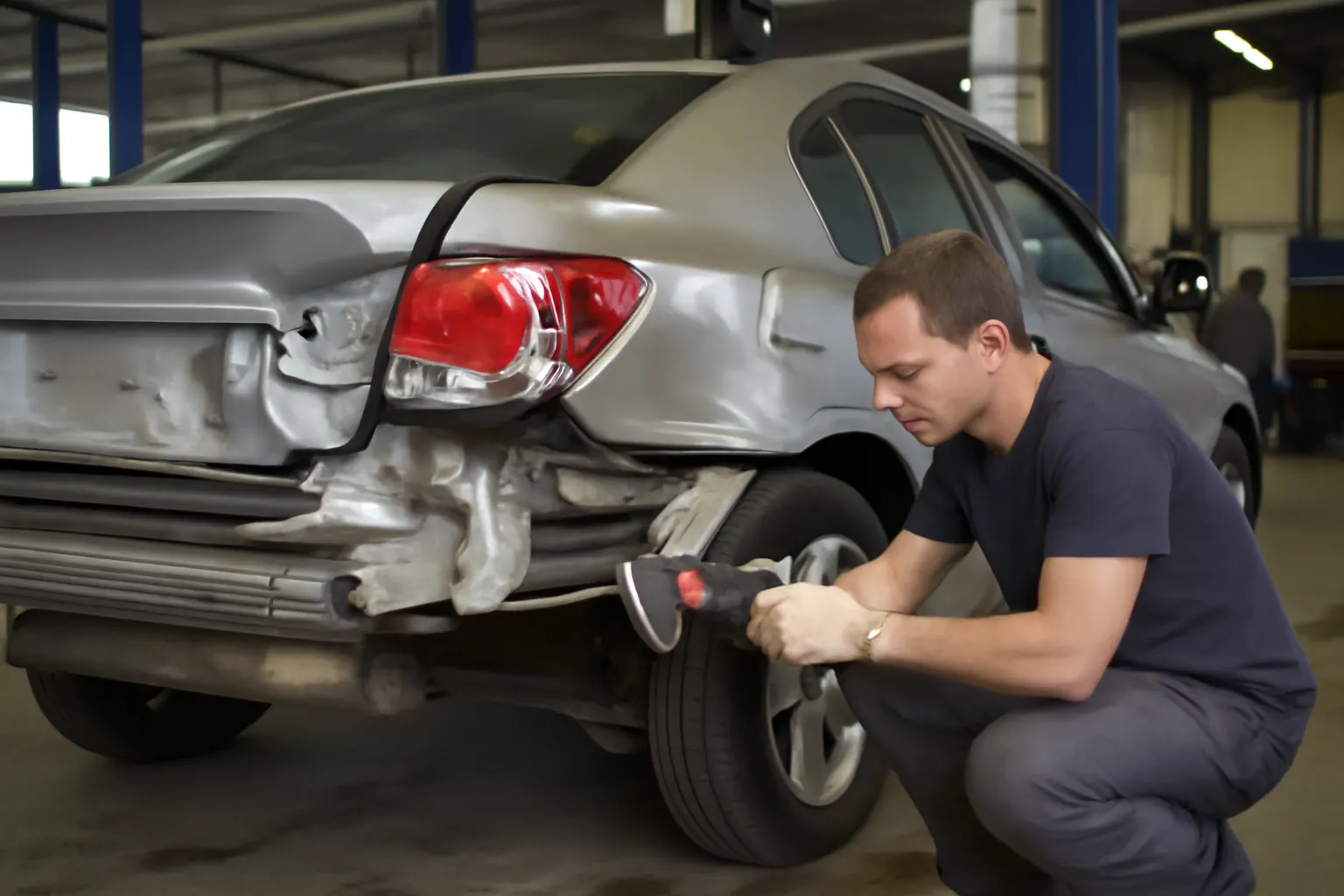
How Rear Body Panel Damage Affects Vehicle Value
Rear body panel damage is one of the most overlooked yet critical factors influencing the resale value of any vehicle. Whether you’re buying, selling, or repairing, understanding the true impact of rear body panel repairs is essential for protecting your investment and ensuring safety. This article from the AutoPartEx Technical Editorial Team delivers immediate, practical answers on how rear body panel damage affects vehicle value, uncovers hidden pitfalls in restoration quality, and provides a deep technical roadmap for buyers, sellers, and repair professionals.
Read More
Corrosion Prevention in Rear Body Repairs
Preventing corrosion after rear body panel repairs is critical to the long-term structural integrity, safety, and resale value of any vehicle. Whether you’re a collision repair professional or a dedicated DIYer, understanding and applying the right coatings and sealants is essential to ensure that rust does not compromise your rear body panel replacement. This comprehensive AutoPartEx guide delivers the latest best practices, diagnostic checklists, technical background, and expert recommendations for effective corrosion prevention in rear body repairs.
View Guide
Sourcing OEM Rear Body Panels for Rare Vehicles
Finding an authentic OEM rear body panel for a rare or discontinued vehicle is a unique challenge—one that can mean the difference between a safe, structurally sound repair and a compromised restoration. If you’re restoring a classic, repairing a collectible, or keeping a beloved daily driver on the road, understanding how to source correct-fit rear body panels is crucial.
Read More