Advertisement
Efficient, reliable sourcing of Hino truck parts is the backbone of successful fleet management. For Hino fleet owners and operators, securing genuine components quickly is critical—not just for uptime, but for safety, compliance, and cost control. In this comprehensive guide, AutoPartEx delivers proven tactics, actionable supplier checklists, and engineering-backed insights to help you minimize downtime, avoid counterfeit risks, and maintain the OEM integrity of your Hino fleet. If you’re ready to optimize your parts procurement and keep your trucks on the road, this is your blueprint.
For a complete breakdown of Hino part numbers, fitment data, and engineering references, explore our Hino Truck OEM Parts: Complete Engineering Guide & Sourcing Reference | AutoPartEx as a foundational resource.
Why Fleet Sourcing Strategy Matters for Hino Operators
Hino trucks are renowned for their reliability, but even the most robust vehicles require regular maintenance and periodic repairs. In fleet operations, every hour of unscheduled downtime can cascade into lost revenue, missed deliveries, and increased operational costs. The challenge isn’t just finding any replacement part—it’s sourcing the correct, genuine, and safety-compliant component at the right time and price.
But the hidden complexity goes deeper: counterfeit and substandard parts are a growing threat, and supplier reliability varies widely. Mistakes in sourcing can lead to safety violations, warranty complications, and even NHTSA recall exposure. The consequences for fleet owners are severe—ranging from increased repair frequency to catastrophic failures.
The Hidden Risks: Counterfeits, Compliance, and Downtime
The global automotive parts market is flooded with counterfeit and subpar components. For Hino fleet owners, the risks multiply:
- Safety Non-Compliance: Non-genuine parts may not meet NHTSA equipment standards, risking regulatory violations and vehicle impoundment.
- Recall Exposure: Substituting parts outside OEM or SAE standards can complicate recall management and expose your fleet to untracked safety issues.
- Shortened Service Life: Inferior parts degrade faster, increasing the frequency and cost of repairs, and undermining Hino’s legendary uptime.
- Fuel Efficiency Losses: Non-OEM powertrain and drivetrain parts can reduce efficiency, directly impacting your TCO. The U.S. Department of Energy notes that small deviations in engine or transmission components can significantly affect fuel consumption.
Fleet sourcing, therefore, is not just a procurement exercise—it’s a risk management discipline.
Understanding Hino OEM vs. Aftermarket: What’s at Stake?
Before building a sourcing strategy, Hino operators must distinguish between:
- Hino OEM Parts: Manufactured to Hino’s exacting tolerances, validated through SAE engineering standards, and supported by global recall and safety systems.
- Aftermarket Parts: Ranging from high-quality, SAE-compliant alternatives to generic, untested components. Some meet or exceed OEM specs; many do not.
Key considerations:
- Traceability: OEM parts have batch traceability, vital during recalls or warranty claims.
- Fitment: Hino’s engineering data ensures proper fitment and function. Aftermarket fitment varies—incorrect fit can damage adjacent systems.
- Safety: Only parts meeting SAE International standards and NHTSA regulations should be used for critical systems (brakes, steering, lighting).
For a detailed fitment workflow, see our Hino Fitment Guide: VIN-Based Parts Selection.
Building a Reliable Hino Parts Supplier Network
The cornerstone of fleet uptime is a vetted, multi-source supplier network. Here’s how to construct one:
Advertisement
1. Identify Authoritative Hino Distributors
- Authorized Hino Dealers: Always prioritize official Hino dealer networks for critical safety, powertrain, and emission components.
- Tier-1 Aftermarket Suppliers: For non-critical parts, select suppliers with documented SAE and NHTSA compliance.
- Regional Stocking Warehouses: Reduce lead times by partnering with distributors strategically located near your fleet’s operational centers.
2. Supplier Vetting Checklist
| Criteria | OEM Dealer | Aftermarket Tier-1 | Generic Aftermarket |
|---|---|---|---|
| NHTSA/SAE Compliance | ✔️ | ✔️ | ❓ |
| Traceability & Recalls | ✔️ | ✔️ | ❌ |
| Fitment Data Provided | ✔️ | ✔️ | ❓ |
| Counterfeit Risk | Low | Medium | High |
| Warranty/Return Support | ✔️ | ✔️ | ❓ |
| Fleet Volume Discounts | ✔️ | ✔️ | ❓ |
Action: Regularly audit your suppliers using this checklist, especially after any supply chain disruption or change in fleet requirements.
Sourcing for Fleet Uptime: Inventory Strategies
Downtime is the enemy of profitability. Effective Hino fleet sourcing requires a blend of just-in-time (JIT) and just-in-case (JIC) inventory management:
- Critical Spares On-Hand: Maintain inventory of high-turnover and mission-critical parts (filters, brake pads, lighting, sensors).
- Predictive Stocking: Use telematics and maintenance history to forecast demand for wear-prone components.
- Supplier-Managed Inventory (SMI): Negotiate consignment or SMI agreements with key suppliers for rapid replenishment.
Pro Tip: Review your fleet’s historical repair logs to identify parts with the highest failure rates and adjust stocking levels accordingly.
VIN-Based Fitment: Eliminating Part Mismatches
Nothing derails repair efficiency like a wrong part. VIN-based fitment is essential for Hino fleets:
- VIN Decoding: Use the Hino VIN to extract precise model, engine, emission, and build data.
- Parts Catalog Integration: Cross-reference VIN data with OEM electronic parts catalogs for guaranteed fitment.
- Automated Ordering: Implement fleet management software that integrates VIN-based fitment with supplier ordering platforms.
For step-by-step fitment procedures and decoding, consult our Hino Fitment Guide: VIN-Based Parts Selection.
Counterfeit Avoidance: Red Flags and Detection Tactics
Counterfeit Hino parts are increasingly sophisticated. Protect your fleet with these best practices:
- Source Only from Vetted Suppliers: Avoid online marketplaces and unknown vendors, especially for safety systems.
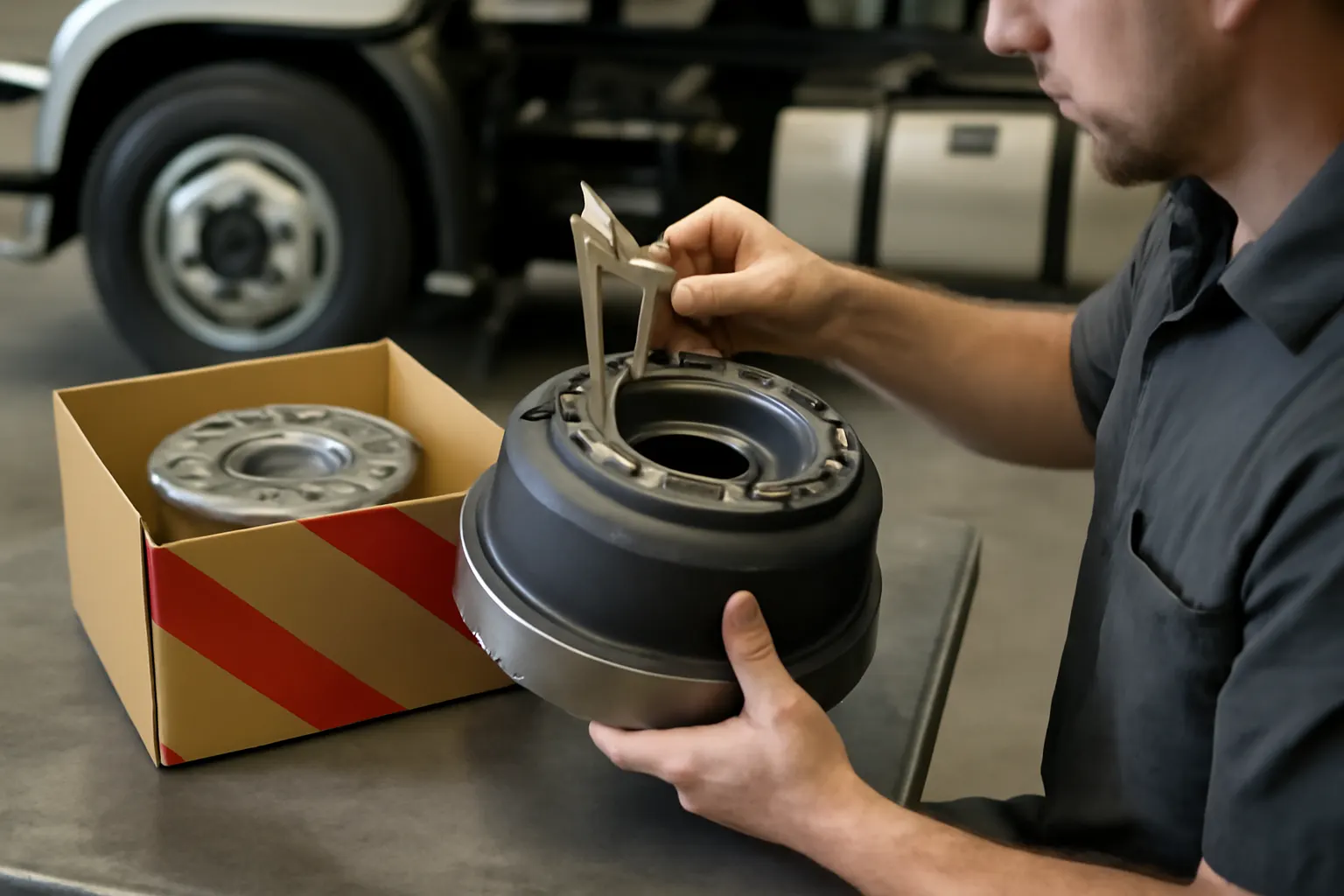
- Inspect Packaging and Markings: Genuine Hino parts feature specific holograms, barcodes, and batch numbers.
- Verify Part Numbers: Cross-check against Hino’s official catalogs and recall lists.
- Report and Quarantine Suspect Parts: If you suspect a counterfeit, notify the supplier and isolate the part pending verification.
Learn more about counterfeit detection in our guide: How to Identify Genuine Hino Parts.
Regulatory Compliance: NHTSA and SAE Standards
Fleet operators are legally responsible for maintaining safety compliance. Key areas include:
- NHTSA Equipment Standards: All replacement parts for critical systems must conform to NHTSA safety regulations.
- SAE Engineering Standards: Ensure parts (especially electrical, lighting, and braking) meet or exceed SAE International standards.
- Recall Management: Register your fleet and monitor NHTSA recalls to ensure prompt corrective action.
Action: Document all parts sourcing and installation for audit and recall traceability.
Cost Control: Negotiation and Lifecycle Economics
Smart fleet sourcing isn’t just about sticker price. Consider:
- Total Cost of Ownership (TCO): Include installation labor, expected part lifespan, and impact on fuel efficiency (DOE Fuel Efficiency).
- Bulk Purchasing: Negotiate volume discounts or preferred-customer pricing with authorized suppliers.
- Warranty Leverage: Use documented sourcing to support warranty claims and minimize out-of-pocket repairs.
Advertisement
Tip: Track cost per mile for each major component category to inform future sourcing decisions.
Maintenance Scheduling: Aligning Sourcing with Service Intervals
Preventive maintenance is only as effective as your parts availability. Align your sourcing strategy with Hino’s recommended service intervals:
- Schedule-Driven Orders: Place parts orders in advance of major PM cycles.
- Maintenance Kits: Bundle filters, fluids, and wear items into pre-packed kits for each service event.
- Emergency Stock: Maintain a buffer inventory for unscheduled repairs to avoid extended downtime.
For detailed service interval planning, see our Medium-Duty Truck Diesel Maintenance Intervals.
Fleet Sourcing Checklist for Hino Owners
Use this actionable checklist to streamline your Hino fleet parts sourcing:
Hino Fleet Sourcing Checklist
- Establish Relationships with Authorized Hino Dealers
- Vet Aftermarket Suppliers for NHTSA and SAE Compliance
- Create a Critical Spares Inventory List by VIN/Model
- Implement VIN-Based Fitment Verification for Every Order
- Schedule Regular Supplier Audits and Counterfeit Training
- Negotiate Fleet Pricing and Warranty Terms
- Align Parts Orders with Preventive Maintenance Schedules
- Register Fleet with NHTSA for Recall Alerts
- Document All Sourcing and Installation Activities
- Review and Adjust Inventory Based on Maintenance Data
Leveraging Technology: Digital Catalogs and Telematics
Modern Hino fleets benefit from digital integration:
- Electronic Parts Catalogs: Access up-to-date part numbers, supersessions, and engineering notes.
- Telematics Integration: Use real-time data to predict failures and automate parts ordering.
- Fleet Management Software: Centralize sourcing, fitment, and inventory data for audit and compliance.
AutoPartEx Insight: Our proprietary cataloging tools cross-reference VIN, supplier, and compliance data, reducing sourcing errors and supporting rapid procurement.
Supplier Relationship Management: Beyond the Transaction
The best fleet sourcing strategies are built on relationships, not just transactions. Consider:
- Supplier Performance Reviews: Evaluate delivery times, fill rates, and support responsiveness quarterly.
- Collaborative Planning: Share your fleet’s maintenance forecast with suppliers to ensure stock availability.
- Crisis Contingency: Develop backup sourcing plans for supply chain disruptions.
Strong supplier partnerships are a strategic advantage—especially in volatile market conditions.
AutoPartEx: Your Hino Fleet Sourcing Partner
At AutoPartEx, we combine engineering expertise, verified supplier networks, and advanced fitment technology to support Hino fleet operators nationwide. Whether you manage a handful of trucks or a national fleet, our platform delivers:
- Verified OEM and Tier-1 Aftermarket Sourcing
- VIN-Based Fitment Tools
- Counterfeit Avoidance Resources
- Regulatory and Recall Compliance Guidance
- Custom Inventory and Maintenance Planning
Explore our Hino Truck OEM Parts: Complete Engineering Guide & Sourcing Reference | AutoPartEx for in-depth technical data, or contact our technical team for tailored fleet solutions.
Next Steps: Implementing an Optimized Hino Sourcing Program
- Audit Your Current Supplier Network: Identify gaps in compliance, traceability, and responsiveness.
- Integrate VIN-Based Fitment into All Orders: Eliminate mismatches and reduce return rates.
- Adopt a Predictive Inventory Model: Use maintenance and telematics data to anticipate demand.
- Educate Your Team: Train staff on counterfeit detection, regulatory requirements, and fitment best practices.
- Partner with AutoPartEx: Leverage our tools and expertise for ongoing fleet sourcing optimization.
By following these strategies, Hino fleet owners can ensure safety, reliability, and profitability—mile after mile.
References
Advertisement