Advertisement
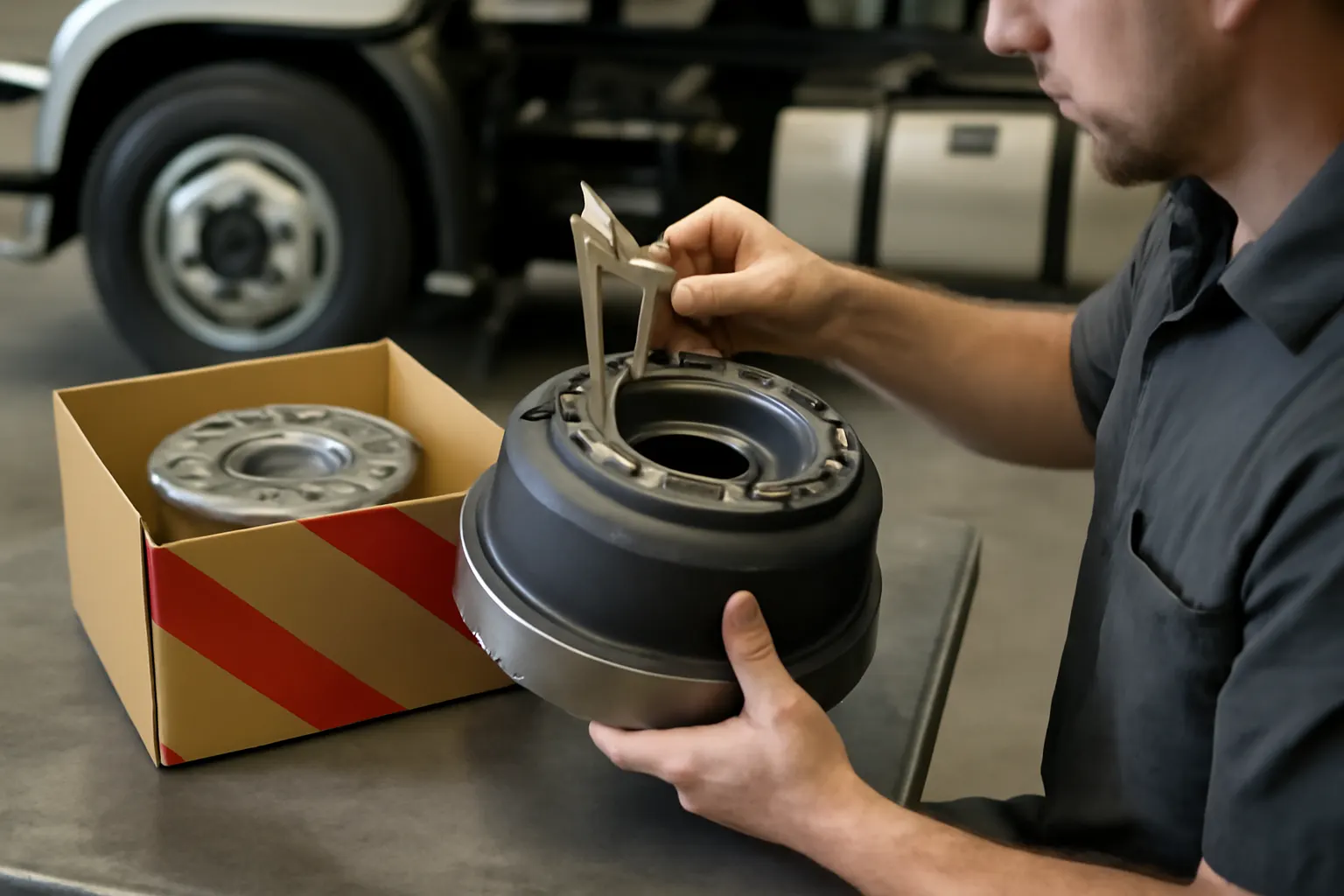
When it comes to maintaining, repairing, or upgrading your Hino truck, using genuine Hino parts is critical for safety, performance, reliability, and long-term cost control. Counterfeit or substandard parts can compromise your vehicle’s efficiency, void manufacturer recommendations, and even endanger operators and cargo. This AutoPartEx expert guide delivers practical steps to help you spot authentic Hino parts—using batch codes, packaging cues, supplier vetting, and industry standards—so you can protect your fleet investment and ensure regulatory compliance.
If you’re seeking a comprehensive overview of Hino truck part engineering or sourcing, visit our Hino Truck OEM Parts: Complete Engineering Guide & Sourcing Reference for broader insights. Below, we focus on the immediate, actionable methods to distinguish genuine Hino truck parts from counterfeits and aftermarket alternatives.
Immediate Answer: Spotting Genuine Hino Truck Parts
The fastest way to verify a Hino part is to check for:
- Official Hino branding and holographic security labels
- Batch codes and part numbers matching Hino’s OEM database
- Correct, high-quality packaging with manufacturer seals
- Supplier credentials—authorized Hino dealers or vetted distributors
- Adherence to SAE and NHTSA standards on the part and documentation
By inspecting these markers, you immediately reduce the risk of installing a counterfeit or unapproved component.
The Hidden Problem: Counterfeit Parts Risk More Than You Think
Many Hino owners and fleet managers assume that a part visually resembling an OEM component is safe. However, the global rise in counterfeit automotive parts has targeted reputable brands like Hino, flooding the market with imitations that are difficult to distinguish at a glance. These fake parts often lack rigorous quality control, proper materials, or compliance with safety standards, leading to:
- Premature failures and costly downtime
- Diminished fuel efficiency and increased emissions
- Critical safety hazards—especially with brake, steering, or suspension components
- Potential violation of federal vehicle equipment regulations
The risk isn’t just financial—it’s operational and legal. Recognizing the hidden dangers underscores why a robust identification process is necessary for every Hino part you source.
Why Genuine Hino Parts Matter: Technical and Regulatory Implications
Engineering and Safety Standards
Genuine Hino parts are engineered to meet or exceed SAE International standards for fit, material composition, and durability. These guidelines ensure compatibility with the truck’s original systems and preserve the performance Hino designs for. In contrast, non-genuine parts may not undergo the same level of testing, leading to unpredictable behavior under stress or load (SAE Standards).
Compliance With Federal Safety Regulations
The National Highway Traffic Safety Administration (NHTSA) mandates that replacement parts—especially those affecting safety systems—must comply with federal standards. Using counterfeit or uncertified parts can risk non-compliance with these regulations, possibly resulting in failed inspections or liability after an incident (NHTSA Vehicle Safety and Equipment).
Fuel Efficiency and Operational Costs
Authentic Hino components are optimized for your truck’s engine and drivetrain, supporting fuel efficiency targets outlined by the Department of Energy (DOE Fuel Efficiency). Counterfeit or generic parts can increase rolling resistance, disrupt engine management, or add unnecessary weight, all of which drive up fuel and maintenance costs.
Advertisement
Batch Codes and Part Numbers: The First Line of Defense
One of the most reliable ways to verify a genuine Hino part is through its batch code and part number. Here’s how to use them effectively:
- Locate the part number: Genuine Hino parts have a unique identifier, usually etched, stamped, or laser-marked directly onto the component.
- Check the batch code: This alphanumeric string traces the part’s production run, allowing Hino and authorized suppliers to verify its authenticity.
- Cross-reference with official Hino databases: Many authorized dealers and platforms like AutoPartEx provide lookup tools to validate these numbers.
- Beware of altered or missing codes: Counterfeiters may attempt to mimic part numbers, but inconsistencies in font, placement, or missing batch codes are red flags.
Checklist: Verifying Batch Codes and Part Numbers
| Step | Action |
|---|---|
| 1 | Locate the part number and batch code on the component |
| 2 | Compare against the original Hino parts catalog or online database |
| 3 | Inspect for signs of tampering, mismatched fonts, or missing digits |
| 4 | Request documentation from the supplier confirming authenticity |
| 5 | If in doubt, contact Hino or a trusted OEM parts provider |
Packaging and Security Seals: Physical Cues That Matter
Packaging is your next line of defense. Genuine Hino parts come in high-quality boxes or bags featuring:
- Consistent Hino branding and color schemes
- Holographic security labels or tamper-evident seals
- Clear, legible printing with no spelling errors
- Proper barcodes and QR codes linking to Hino’s verification systems
Counterfeit parts often arrive in generic or poorly printed packaging, sometimes with misspelled words, faded logos, or missing security features. Always inspect the packaging before opening, as tampered or resealed boxes are a common sign of substitution.
Supplier Vetting: Only Buy From Authorized Sources
No matter how convincing a part may look, the supplier’s credentials are crucial. Here’s how to vet your sources:
- Buy from official Hino dealers or direct-authorized distributors
- Request documentation of supplier authorization
- Check for industry certifications or trade association membership
- Avoid online marketplaces without clear supplier verification
AutoPartEx partners exclusively with vetted suppliers to ensure every Hino part meets OEM standards. For large fleets, supplier vetting should be part of your procurement policy—see our Fleet Sourcing Strategies for Hino Owners for more on this topic.
Diagnostic Tips: Spotting Non-Genuine Parts Already Installed
Sometimes, you inherit a Hino truck or buy used parts. Here’s how to diagnose if you’re dealing with a counterfeit or substandard component:
- Inspect for premature wear or corrosion: Genuine parts use high-grade materials, so early failure is a warning sign.
- Check for fitment issues: If a part doesn’t seat, bolt, or align perfectly, it’s likely not OEM.
- Listen for unusual noises: Squeaks, rattles, or vibrations after replacement often indicate poor-quality parts.
- Look for missing or mismatched fasteners: Genuine Hino kits include all required hardware, properly labeled.
If you suspect a non-genuine part is installed, remove and compare it directly to a known OEM component, referencing the Hino fitment guide or your truck’s service manual.
Advertisement
SAE and NHTSA Compliance: What to Look For
Every genuine Hino part will either be marked with, or accompanied by, documentation referencing compliance with SAE or NHTSA standards. Key indicators:
- SAE part or material codes etched or molded on the component
- NHTSA certification statements in documentation or packaging
- Traceable manufacturing information for recalls or technical bulletins
Avoid parts lacking these references, as they may not have undergone the required testing or certification (SAE Standards, NHTSA Equipment).
Fitment Validation: Using VIN and Model Data
Genuine Hino parts are engineered for specific models, years, and configurations. Always validate fitment by:
- Using your truck’s VIN in a trusted Hino fitment guide—see our Hino Fitment Guide: VIN-Based Parts Selection
- Confirming the part’s application range in the official Hino catalog
- Avoiding “universal fit” claims for safety-critical or engine components
Proper fitment not only ensures performance but also upholds safety and regulatory compliance.
The Cost of Counterfeits: Real-World Consequences
The temptation to save money with cheaper parts can backfire dramatically. Documented risks include:
- Increased fuel consumption: Poorly engineered components can disrupt engine management systems, leading to higher fuel use (DOE Fuel Efficiency).
- Shortened maintenance intervals: Counterfeit filters, belts, or brake pads often wear out faster, requiring more frequent service.
- Safety failures: Non-genuine brake or steering parts have been linked to catastrophic failures and NHTSA recalls (NHTSA Equipment).
- Insurance and liability issues: Accidents traced to counterfeit parts can lead to coverage denial or legal action.
Investing in genuine Hino parts is an operational safeguard, not just a brand preference.
Maintenance and Installation Best Practices
Even genuine parts can underperform if installed incorrectly. Follow these guidelines to maximize part life and truck reliability:
- Use manufacturer-recommended torque specs and installation procedures
- Replace all associated hardware (gaskets, seals, fasteners) with each service
- Document each part’s batch code and installation date for warranty tracking
- Schedule preventive maintenance per Hino and SAE recommendations
For in-depth maintenance interval planning, see our Medium-Duty Truck Diesel Maintenance Intervals.
AutoPartEx: Your Partner for Genuine Hino Parts
Sourcing genuine Hino parts can be complex, especially when managing a diverse fleet or specialized truck builds. AutoPartEx simplifies this process with:
- Direct access to OEM-verified Hino parts
- Batch code and fitment validation tools
- Curated supplier network for guaranteed authenticity
- Expert editorial resources and technical support
Our commitment is to keep your Hino trucks running safely, efficiently, and in full regulatory compliance. For the full range of Hino parts and detailed engineering data, visit our Hino Truck OEM Parts: Complete Engineering Guide & Sourcing Reference.
Expert Action: Steps to Secure Genuine Hino Parts Every Time
- Always start with your truck’s VIN and official Hino parts catalog.
- Purchase only from authorized dealers or trusted platforms like AutoPartEx.
- Inspect every part for batch codes, packaging security, and compliance markings.
- Document installations for maintenance tracking and regulatory audits.
- If you encounter suspicious parts, report them to Hino or your supplier immediately.
By embedding these steps into your sourcing and maintenance routines, you protect your Hino investment and ensure the safety and performance of your fleet.
References
Advertisement