Sourcing Discontinued Geo OEM Parts
When you need a rare or discontinued Geo OEM part, where do you turn? Whether you own a Metro, Prizm, Tracker, or Storm, sourcing authentic components is increasingly challenging as years pass since Geo's production ceased. This comprehensive AutoPartEx guide delivers proven strategies for finding discontinued Geo parts, from salvage yards to trusted online suppliers, along with critical technical, fitment, and authenticity insights for every step of your search. For a full overview of Geo-specific sourcing and fitment resources, explore our Geo Auto Parts – Authentic OEM Components, Fitment & Sourcing page early in your search.
The Immediate Answer: Where to Find Discontinued Geo OEM Parts
If you need a discontinued Geo part right now, your fastest options are:
- Specialized salvage yards that focus on late-80s to early-2000s imports.
- Established online parts suppliers with legacy GM and Geo inventories.
- Dedicated Geo owner forums and enthusiast groups for buy/sell/trade opportunities.
- OEM parts locators that aggregate inventories from multiple dealerships and warehouses.
These sources can provide everything from engine components to rare body panels, but each has unique risks and requirements for success. The challenge is not just availability—it’s ensuring authenticity, safety, and fitment for your specific Geo model and year.
The Hidden Problem: Why Sourcing Discontinued Geo Parts Is Complex
At first glance, finding a discontinued part might seem like a matter of persistence. The reality is more complex:
- Geo was a GM sub-brand (1989–1997) built in partnership with Suzuki, Toyota, and Isuzu. Many components overlap with other brands, but not all.
- OEM part numbers have changed or been superseded multiple times, complicating cross-referencing.
- Aftermarket alternatives are abundant, but not all meet original safety, fitment, or materials standards (NHTSA Equipment).
- Counterfeit and low-quality parts are a growing concern, especially online.
These factors make it essential to understand the technical background, sourcing channels, and verification processes before buying.
Understanding Geo’s OEM Parts Ecosystem
Geo’s unique history means its OEM parts supply chain is fragmented. Here’s why:
- Platform sharing: Many Geo models (e.g., Metro, Prizm) are badge-engineered versions of Suzuki and Toyota vehicles, respectively.
- GM part number system: Geo parts often have GM numbers, but identical-looking parts from Suzuki or Toyota may differ in subtle, critical ways (mounting points, materials, connectors).
- Discontinued status: GM officially ended Geo in 1997, and most OEM parts production ceased soon after. Some parts were absorbed into Chevrolet or Pontiac inventories for a few years, but official support dwindled by the mid-2000s.
Understanding these relationships is key to tracking down the correct, safe, and reliable component for your Geo.
The Risks of Using Non-OEM or Unverified Parts
While aftermarket parts can fill gaps, they present risks:
- Safety: Non-OEM parts may not meet the original design’s crashworthiness, especially for structural or safety items (NHTSA Equipment).
- Fitment: Even minor dimensional differences can cause installation issues or premature wear.
- Performance: Materials or engineering shortfalls can affect fuel efficiency, handling, or longevity (DOE Fuel Efficiency).
- Recalls and standards: Non-genuine parts are not covered by manufacturer recalls or subject to the same regulatory standards (NHTSA Recalls).
For critical systems—brakes, steering, suspension, airbags—prioritize verified OEM components whenever possible.
Step-by-Step: How to Source Discontinued Geo OEM Parts
1. Identify the Exact Part Number
- Start with the VIN: Use your vehicle’s VIN to look up the precise part number via legacy GM/Geo EPCs (Electronic Parts Catalogs).
- Cross-reference: Check if the part is shared with Suzuki, Toyota, or Isuzu equivalents. Use caution: even shared platforms may have Geo-specific differences.
- Consult OEM diagrams: These help verify mounting points, connectors, and sub-component compatibility.
2. Search Specialized Salvage Yards
- Target import-focused yards: Especially those with 1989–2002 coverage.
- Use national networks: Such as LKQ, Pick-n-Pull, or regional specialty yards.
- Request part condition reports: Ask for photos, mileage, and any visible wear or corrosion.
3. Check Trusted Online Suppliers
- OEM surplus dealers: Some maintain “new old stock” (NOS) of discontinued GM/Geo parts.
- Reputable marketplaces: eBay, RockAuto, and Car-Part.com aggregate inventories from across the country.
- Beware of counterfeiters: Only buy from sellers with verified OEM sourcing and positive reputation.
4. Join Geo Enthusiast Groups and Forums
- Geo Metro Forum, Teamswift, and Facebook groups often have buy/sell sections.
- Network with long-term owners: Many have private stashes or knowledge of rare-part sources.
- Ask for part verification: Experienced members can help confirm authenticity and fitment.
5. Use OEM Parts Locators
- Online aggregators: PartsVoice, Hollander, and dealership networks can search multiple inventories at once.
- Contact Chevrolet or GM dealers: Some can still access legacy parts databases or locate NOS stock.
Technical Considerations: Materials, Safety, and Performance
Geo OEM parts were engineered to meet specific standards for:
- Crash safety: Especially for structural, suspension, and restraint systems (NHTSA Equipment).
- Fuel efficiency: Lightweight materials and precise tolerances impact MPG (DOE Fuel Efficiency).
- Corrosion resistance: Body panels and undercarriage parts used specific coatings and alloys (DOE Materials Technologies).
When evaluating used or NOS parts, inspect for:
- Rust, pitting, or stress cracks in metal components.
- UV degradation or hardening in plastics and rubber.
- Signs of previous repairs or modifications.
Verifying Authenticity: Avoiding Counterfeit and Substandard Parts
With discontinued parts, verification is crucial:
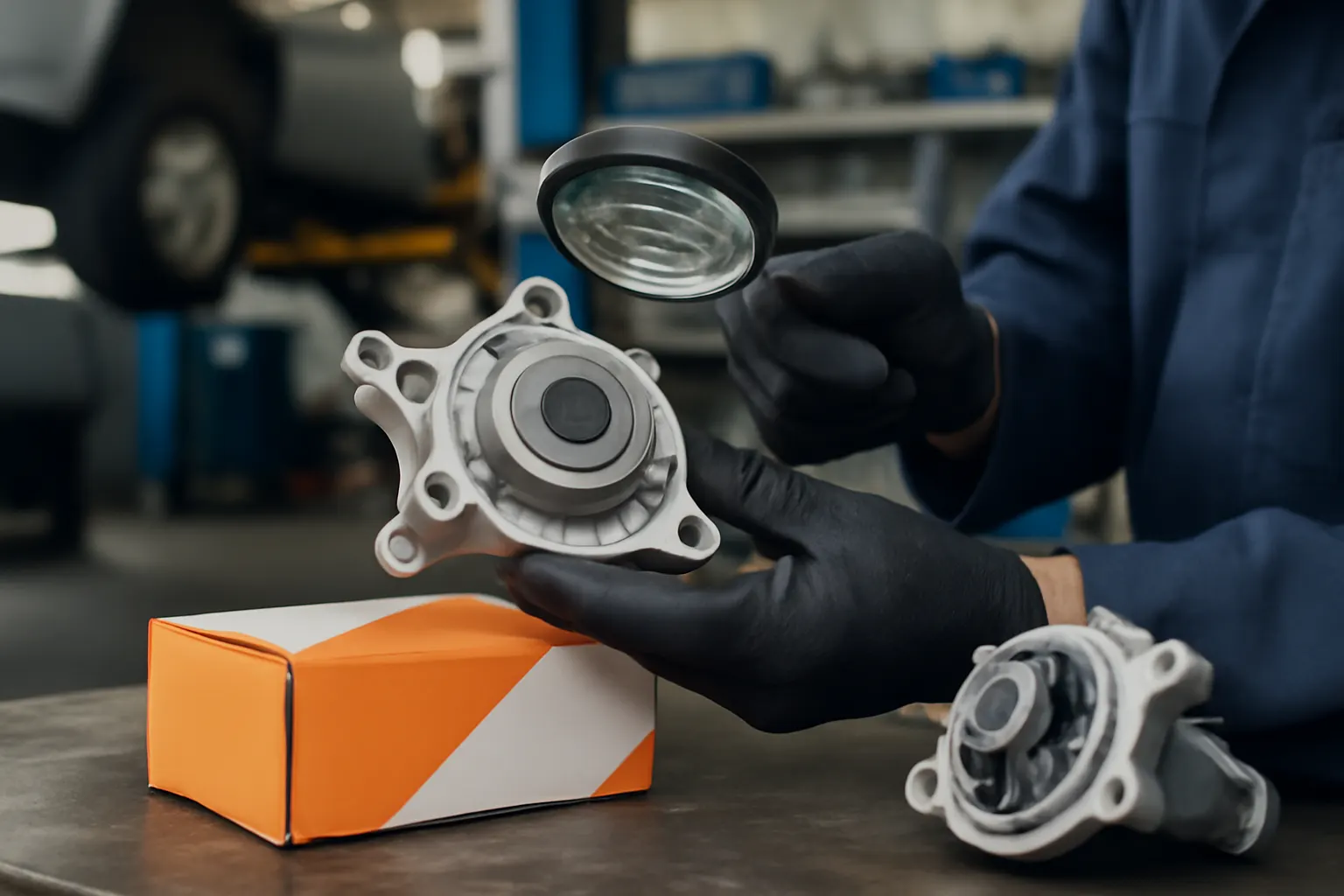
- Check for OEM markings: Genuine Geo/GM parts will have stamped or cast-in part numbers, logos, or manufacturer codes.
- Compare against original diagrams: Use EPC illustrations to confirm shape, mounting, and connector details.
- Request documentation: For NOS parts, ask for original packaging or invoices.
- Beware of “OEM-style” or “for Geo” listings: These may be aftermarket or reproduction.
For a detailed breakdown of authenticity checks, see our Authenticity Checks for Geo Parts.
Fitment and Compatibility: Avoiding Costly Mistakes
Incorrect fitment is a common—and expensive—pitfall when sourcing discontinued parts. Follow these steps:
- Match by VIN and production date: Geo models sometimes changed mid-year.
- Compare all mounting points and connectors: Even a single missing tab can cause major issues.
- Check for supersessions: Some GM/Geo parts have been replaced by updated numbers—verify with a parts professional.
- Test-fit used components: Especially for body panels or interior trim, minor warping or shrinkage can affect installation.
For more on fitment strategies, consult our Geo Fitment and Compatibility Guide.
Checklist: Sourcing Discontinued Geo OEM Parts
Use this checklist to maximize your chances of success and minimize risk:
Pre-Purchase:
- Confirm exact part number via VIN and OEM diagrams
- Cross-check part with equivalent Suzuki/Toyota applications if applicable
- Inspect seller reputation and reviews
- Ask for detailed photos and condition reports
- Request proof of OEM origin (markings, packaging, invoices)
- Verify return policy, especially for used or NOS items
Post-Purchase:
- Inspect part on arrival for damage, wear, or inconsistencies
- Compare to original part before installation
- Test-fit critical components before final installation
- Retain documentation for future reference or resale
Installation Guidance: Handling Discontinued Parts
Installing discontinued Geo OEM parts often requires extra care:
- Prepare for minor differences: Even genuine parts may have slight variations due to production runs or supplier changes.
- Use OEM fasteners and hardware: Where possible, reuse original bolts, clips, or gaskets to ensure proper fit.
- Document the process: Take photos before removal and during installation to aid future repairs or reversions.
- Test after installation: For mechanical or safety-critical parts, perform a road test and inspect for leaks, noises, or warning lights.
If you encounter fitment or installation issues, consult a professional mechanic familiar with Geo or its platform relatives.
Maintenance and Longevity: Protecting Your Investment
Once installed, maximizing the life of your discontinued OEM part is vital:
- Follow OEM maintenance intervals: Use our Geo Maintenance Intervals Explained for reference.
- Use compatible fluids and lubricants: Some aftermarket fluids can degrade seals or plastics faster than OEM recommendations.
- Inspect regularly: For used or NOS parts, check for developing issues (corrosion, leaks, wear) every oil change.
- Store spares properly: If you find multiple parts, store them in a dry, UV-protected environment to prevent premature aging.
Troubleshooting Common Issues When Sourcing Geo Parts
Despite best efforts, sourcing discontinued parts can present challenges:
- Incorrect part shipped: Always compare received parts to your original before installation.
- NOS parts with age-related wear: Rubber, plastic, and electronic components can degrade in storage—inspect carefully.
- Fitment anomalies: Some late-production or Canadian-market Geos used different suppliers. If a part doesn’t fit, consult enthusiast forums or parts professionals for alternate numbers.
- Shipping damage: Request robust packaging and shipping insurance for fragile or irreplaceable items.
The Role of Standards and Regulations
Geo OEM parts were designed to meet safety and performance standards current at their time of manufacture, including:
- Federal Motor Vehicle Safety Standards (FMVSS): Governing crashworthiness, lighting, and more (NHTSA Equipment).
- SAE standards: Covering materials, testing, and engineering practices (SAE Standards).
- EPA and fuel efficiency guidelines: Particularly relevant for engine, exhaust, and emission components (DOE Fuel Efficiency).
When using aftermarket or used parts, ensure they do not compromise your Geo’s compliance with these standards.
The AutoPartEx Advantage: Your Geo Sourcing Partner
At AutoPartEx, we combine decades of parts expertise with direct access to authentic inventories and technical resources. Our platform:
- Aggregates verified OEM and NOS Geo parts from trusted suppliers.
- Provides fitment and compatibility guidance across all Geo models.
- Offers technical support for installation, maintenance, and troubleshooting.
- Connects you with the Geo community for rare finds and peer advice.
Start your search on our Geo Auto Parts – Authentic OEM Components, Fitment & Sourcing hub, and leverage our editorial resources for deeper technical dives.
Conclusion: Persistence, Precision, and Partnership
Sourcing discontinued Geo OEM parts is a challenge, but not an insurmountable one. By combining technical knowledge, careful sourcing, and community networking, you can keep your Geo safe, reliable, and original for years to come. Always prioritize authenticity, fitment, and safety—your vehicle’s performance and your peace of mind depend on it.
For further reading, don’t miss our in-depth guides on Geo Fitment and Compatibility and Authenticity Checks for Geo Parts.