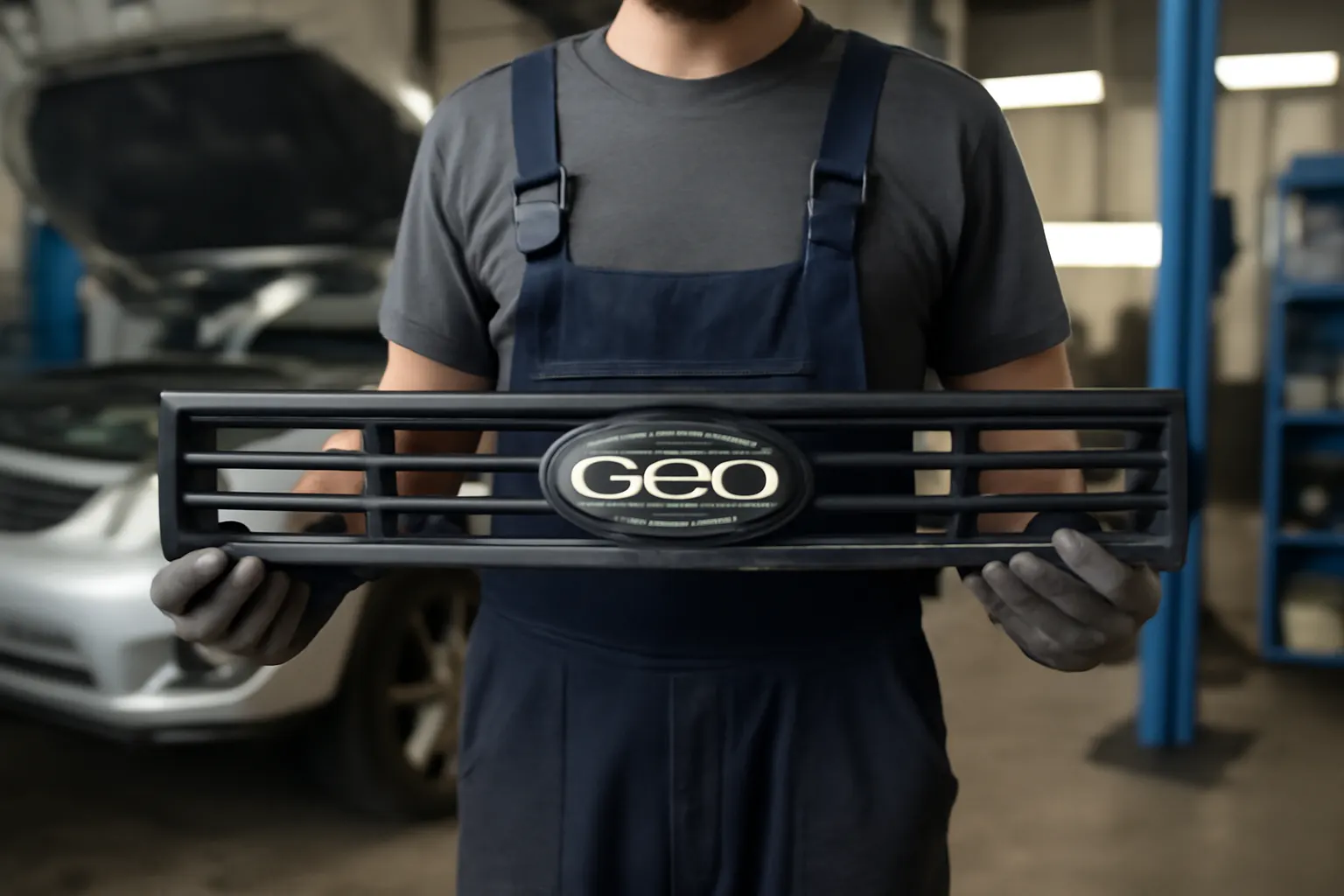
Authenticity Checks for Geo Parts
When sourcing replacement parts for your Geo vehicle, ensuring authenticity is critical for safety, performance, and long-term reliability. Counterfeit or substandard parts can compromise everything from fitment to fuel efficiency and even endanger your vehicle’s occupants. This comprehensive guide from AutoPartEx delivers practical, step-by-step checks for verifying Geo part authenticity—covering packaging, markings, vendor practices, and more—so you can shop with total confidence and keep your Geo on the road for years to come.
If you’re seeking genuine Geo parts, start by reviewing the Geo Auto Parts – Authentic OEM Components, Fitment & Sourcing | AutoPartEx page for vetted suppliers and official fitment information. But even with a trusted source, it’s vital to know what to look for to avoid falling victim to the global counterfeit auto parts market.
Why Authentic Geo Parts Matter: Immediate Answers
Genuine Geo parts are engineered and manufactured to meet rigorous OEM standards, ensuring optimal safety, proper fitment, and reliable performance. Using authentic components preserves your vehicle’s structural integrity, maintains its fuel efficiency, and upholds regulatory compliance. In contrast, counterfeit or substandard parts can lead to poor fitment, premature failure, increased safety risks, and even void manufacturer recalls or future service eligibility.
Key reasons to insist on authentic Geo parts:
- Safety: OEM parts are tested to meet National Highway Traffic Safety Administration (NHTSA) equipment standards, ensuring crashworthiness, durability, and compatibility with safety systems [^1].
- Performance: Genuine parts maintain engine efficiency, drivetrain performance, and fuel economy benchmarks as established by the Department of Energy [^2].
- Longevity: Authentic Geo parts use approved materials and production processes for maximum service life [^3].
- Resale Value: Vehicles with documented OEM repairs and parts command higher resale values and face fewer inspection issues.
The Hidden Problem: The Counterfeit Parts Threat
Despite the clear value of authentic parts, the counterfeit auto parts market is a multibillion-dollar global industry. These imitation components often look convincing at first glance but fail to meet critical safety, material, and fitment standards. Geo vehicles—especially since the brand’s discontinuation—are particularly vulnerable due to limited OEM part production and increased demand for replacements.
Common issues with counterfeit Geo parts:
- Inferior materials: Substituted metals, plastics, or rubber compounds that degrade quickly or fail under stress.
- Poor fitment: Tolerances are not up to OEM spec, leading to installation issues or mechanical interference.
- Lack of certification: Missing or forged safety, recall, or compliance documentation.
- Unreliable vendors: Online marketplaces and unauthorized sellers may mix genuine and fake inventory.
The result? Increased risk of mechanical failure, safety system malfunction, and costly repairs down the line. This makes robust authenticity checks essential for every Geo owner and technician.
Understanding Geo OEM Standards: What Makes a Part “Authentic”?
To verify authenticity, you need to know what sets true Geo OEM parts apart from aftermarket or counterfeit alternatives. Original Equipment Manufacturer (OEM) components are:
- Produced to strict design tolerances: Following standards set by GM and Geo’s original engineering specifications, as well as SAE International benchmarks [^4].
- Subjected to rigorous testing: Including crash, corrosion, material, and lifecycle tests required by NHTSA and the Department of Energy [^1][^3].
- Marked with unique identifiers: Such as part numbers, batch codes, and manufacturer logos, often embedded or laser-etched for traceability.
- Distributed via authorized channels: Genuine Geo parts are sold through official networks, with full documentation and warranty support.
Aftermarket or counterfeit parts may visually resemble OEM components but typically lack one or more of these critical attributes.
Packaging Inspection: Your First Line of Defense
The packaging is often the initial indicator of a part’s authenticity. Genuine Geo parts feature consistent, high-quality packaging with clear branding, part numbers, and security features.
Checklist: Authentic Geo Parts Packaging
| Feature | Genuine Geo Part | Counterfeit Red Flag |
|---|---|---|
| Brand Logo | Crisp, consistent | Blurry, misaligned |
| Part Number | Clear, matches docs | Missing or altered |
| Security Labels | Present, tamper-proof | Missing or generic |
| Barcodes | Scannable, correct | Unreadable, fake |
| Language | Professional, error-free | Misspellings, odd grammar |
| Packaging Quality | Sturdy, sealed | Flimsy, poorly sealed |
If any of these indicators are missing or suspicious, proceed with caution before installation.
Markings and Part Numbers: Decoding Authenticity
Every genuine Geo part carries specific markings that verify its origin and compatibility. These may include:
- OEM part numbers: Always cross-reference with official Geo or GM parts catalogs.
- Manufacturer logos: Genuine parts will use the correct Geo or GM branding, never generic or misspelled names.
- Batch or lot codes: Used for traceability in recalls and quality assurance.
- Material codes or standards: Indicating compliance with SAE, NHTSA, or other relevant standards.
How to check:
- Compare markings to official diagrams or photos from the Geo Auto Parts – Authentic OEM Components, Fitment & Sourcing | AutoPartEx resource.
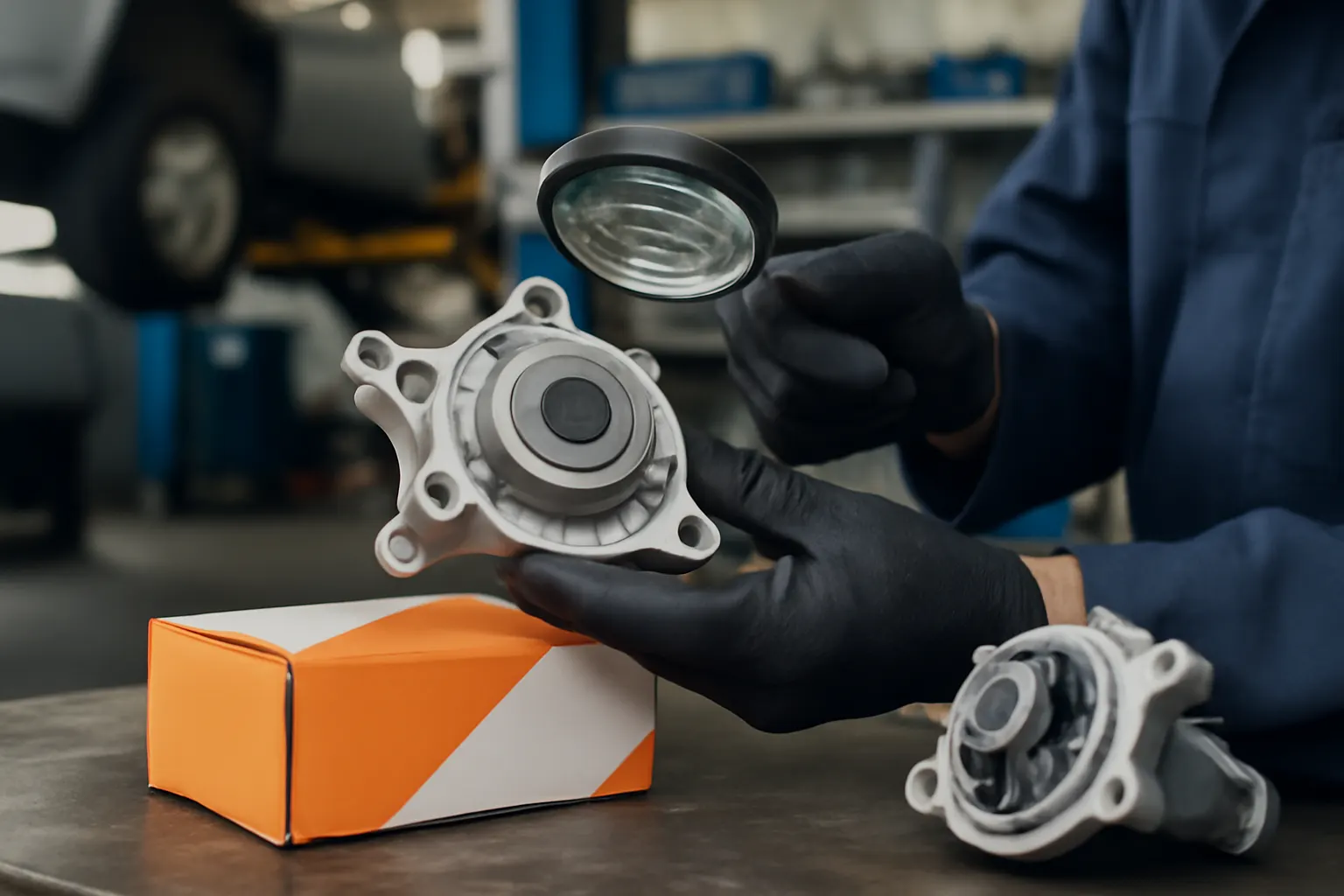
- Use a magnifier or smartphone camera to inspect for laser etching or hidden identifiers.
- Contact an authorized dealer to verify questionable part numbers or stampings.
Vendor Verification: Avoiding High-Risk Sellers
Where you buy your Geo part is just as important as what you buy. Authorized dealers and reputable distributors are far less likely to traffic in counterfeit goods. Conversely, online marketplaces, auction sites, and unverified importers are frequent sources of fakes.
Checklist: Safe Geo Part Vendors
- Authorized dealer status: Confirm via official GM/Geo networks or the manufacturer’s website.
- Physical address and contact info: Avoid sellers who hide their identity or use only P.O. boxes.
- Return policy and warranty: Genuine parts are backed by clear, written guarantees.
- Customer reviews and ratings: Look for patterns of counterfeit complaints or poor fitment reports.
- Documentation: Ask for proof of authenticity, such as invoices, certificates, or batch records.
If a deal seems too good to be true, it usually is—especially for rare or discontinued Geo parts.
Physical Quality: Tactile and Visual Inspection
Beyond packaging and markings, the physical quality of the part itself is a strong authenticity indicator. Genuine Geo parts are manufactured to tight tolerances, using high-grade materials and precise finishing.
Inspection points:
- Weight and density: OEM parts often feel heavier or more robust due to superior materials.
- Machining and finish: Look for clean edges, uniform coatings, and absence of casting flaws.
- Connector quality: Electrical parts should have properly aligned pins, gaskets, and insulation.
- Mold lines and seams: Excessive flashing or rough mold lines suggest poor manufacturing controls.
Compare the suspect part with the original or with photos from trusted sources before installation.
Fitment: Ensuring Proper Compatibility
Counterfeit or generic parts frequently suffer from poor fitment, leading to installation headaches or even mechanical failure. Always check:
- Dimensions and mounting points: All holes, tabs, and connectors should align perfectly with the original.
- Accessory compatibility: Sensors, gaskets, and fasteners must match OEM specs.
- Test fit before final installation: Dry-fit the part to verify alignment and clearance.
For additional guidance, refer to the Geo Fitment and Compatibility Guide, which provides detailed fitment charts for all major Geo models.
Material Quality: Beyond the Surface
The Department of Energy emphasizes that advanced materials are central to vehicle safety, weight, and fuel efficiency [^3]. Counterfeit Geo parts often substitute inferior metals or plastics, leading to rapid wear, corrosion, or outright failure.
How to check material quality:
- Magnet test: Some OEM parts are non-magnetic; a magnetic response may indicate the wrong alloy.
- Visual inspection: Look for pitting, discoloration, or inconsistent surface texture.
- Ask for material certifications: Reputable vendors can provide documentation on material composition and testing.
Material shortcuts in counterfeit parts can have catastrophic consequences, especially for structural or safety-critical components.
Documentation: Paper Trail Matters
Genuine Geo parts are almost always accompanied by documentation—whether it’s an invoice, certificate of authenticity, installation guide, or recall notice.
Key documents to request:
- Original invoice or proof of purchase
- Manufacturer’s certificate or batch record
- Recall status printout: Check the part against NHTSA’s recalls database
- Installation instructions: OEM parts often include specific installation or torque specs.
Lack of documentation is a major red flag, especially for high-value or safety-related parts.
Recall and Safety Status: Verifying Compliance
The NHTSA tracks safety recalls for all vehicle parts, including those for discontinued brands like Geo 1. Installing a counterfeit or undocumented part may render your vehicle ineligible for recall coverage, or worse, leave a known defect unaddressed.
How to check:
- Record the part number and batch code.
- Visit the NHTSA recalls database: https://www.nhtsa.gov/recalls
- Enter the information to verify recall status.
- If in doubt, consult an authorized Geo/GM dealer.
Never install a part with an unresolved recall or questionable compliance status.
Advanced Authenticity Checks: Expert-Level Tactics
For high-value, rare, or safety-critical Geo parts, consider these advanced verification steps:
- UV light inspection: Some OEM parts have hidden UV-reactive markings.
- Microscopic analysis: Reveals micro-etching or anti-counterfeit features invisible to the naked eye.
- Third-party authentication services: Some vendors or automotive specialists offer verification for classic or discontinued parts.
- Cross-check with manufacturer: Submit photos and part numbers to GM/Geo parts support for official confirmation.
These steps are especially important when sourcing discontinued Geo OEM parts, as outlined in our Sourcing Discontinued Geo OEM Parts guide.
What To Do If You Suspect a Counterfeit Geo Part
If you encounter a part that fails any of the above checks, do not install it. Instead:
- Contact the seller immediately: Request a return or refund, citing authenticity concerns.
- Report the incident: Notify the manufacturer, NHTSA, or relevant consumer protection agency.
- Document the part: Take detailed photos of packaging, markings, and correspondence.
- Share your experience: Leave reviews or post warnings to protect other buyers.
Remember, knowingly installing counterfeit parts can jeopardize your safety and that of others on the road.
AutoPartEx: Your Partner in Authentic Geo Parts
At AutoPartEx, we are committed to helping you source, verify, and install only genuine Geo components. Our platform connects you with authorized dealers, provides detailed fitment guides, and offers expert support for every stage of your Geo’s maintenance journey. Whether you’re restoring a classic Geo or performing routine repairs, trust AutoPartEx to keep your vehicle authentic and roadworthy.
For more on fitment, compatibility, and maintenance, see our Geo Maintenance Intervals Explained and Geo Fitment and Compatibility Guide. For sourcing rare components, consult Sourcing Discontinued Geo OEM Parts.
Conclusion: Stay Vigilant, Stay Authentic
Counterfeit Geo parts are a hidden threat that can undermine your vehicle’s safety, performance, and value. By following the authenticity checks outlined above—inspecting packaging, markings, vendor credentials, material quality, and documentation—you can dramatically reduce your risk and ensure every repair meets OEM standards. Rely on trusted partners like AutoPartEx, and always prioritize safety and authenticity when sourcing parts for your Geo.
References
- Vehicle Safety and Equipment – National Highway Traffic Safety Administration
- Fuel Efficiency – United States Department of Energy
- Materials Technologies – United States Department of Energy
- SAE Standards – SAE International